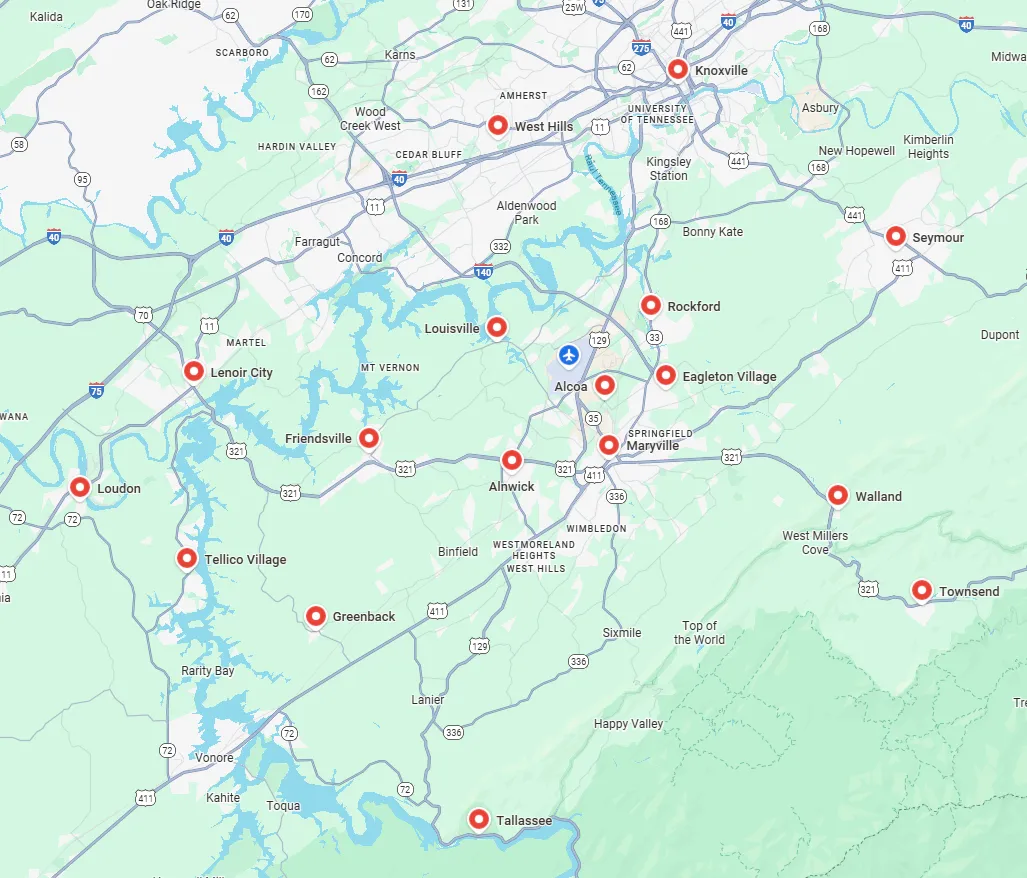


Mini Split Replacement in West Hills, TN
Deciding to replace a ductless Mini Split system is a significant step for West Hills, TN homeowners who are looking for reliable cooling and heating, better efficiency, and a much quieter operation. Everest Air Heating and Cooling is proud to offer experienced guidance and professional installation for complete Mini Split system replacements right here in West Hills. We help families transition from outdated, inefficient, or failing units to modern, high-performance systems that are perfectly suited for our local climate demands. We'll discuss the clear indicators that replacement is a smarter choice than repair, guide you through selecting the right high-efficiency unit, cover responsible removal and disposal, provide a step-by-step installation and commissioning overview, offer practical cost guidance, explore rebate and financing options, and suggest a post-replacement maintenance plan specifically tailored for West Hills homes.
.avif)
Why Mini Split replacement matters in West Hills, TN
West Hills sits in the greater Knoxville area where summers are hot and humid and winters are generally mild but can see chilly nights. Many homes in this area rely on efficient, zoneable solutions to control humidity, reduce energy bills, and provide targeted comfort in bedrooms, additions, basements, or rooms without ductwork. A modern Mini Split delivers precise temperature control, strong dehumidification during humid summers, and efficient heat pump heating when needed. When an existing Mini Split fails frequently, is noisy, or no longer meets comfort needs, replacement delivers long-term reliability, better indoor comfort, and improved energy performance that matter in West Hills climate conditions.
Common indicators that replacement is recommended over repair
Deciding whether to repair or replace depends on age, performance, repair history, and safety. Consider replacement when you see one or more of the following:
- Unit age: The Mini Split is more than 10 to 12 years old and has declining efficiency and frequent faults.
- Recurring breakdowns: You call for service multiple times during a season for compressor, inverter, or control board problems.
- Poor efficiency: Monthly energy costs rise despite routine maintenance, signaling the compressor or refrigerant circuit is no longer operating efficiently.
- Major component failure: Compressor failures, severe refrigerant leaks, or inverter board damage that require costly major parts.
- Inconsistent comfort: Rooms take too long to reach set temperature, or different zones show wide temperature swings.
- Noise and vibration: Indoor or outdoor heads produce excessive noise or vibration even after repairs.
- Discontinued refrigerant or parts: Manufacturer no longer supports the model or replacement parts are obsolete.
- New layout or usage: Home remodels, added rooms, or desire for multi-zone control warrant a system sized and configured for current needs.
When several of these factors apply, replacement typically yields better value, performance, and peace of mind than continuing repairs.
Types of replacement solutions for West Hills homes
Modern Mini Split options fit a variety of home needs. Common replacement choices include:
- Single-zone ductless Mini Split: Ideal for a single problematic room, sunroom, or accessory space.
- Multi-zone systems: One outdoor compressor connects to multiple indoor heads for consistent control across bedrooms, living areas, or additions.
- Wall-mounted indoor heads: The most common indoor style, flexible placement, and cost effective.
- Concealed duct or ceiling cassette heads: For homeowners who want minimal wall presence or better airflow distribution.
- Heat pump Mini Splits: Provide both cooling and efficient heating—useful in West Hills for shoulder seasons and mild winters.
- High-efficiency inverter models: Offer variable-speed compressor operation for tighter temperature control and lower energy use.
Everest Air Heating and Cooling will evaluate your home layout, insulation, sun exposure, and typical comfort priorities to recommend the best configuration for West Hills conditions.
Selecting a modern high-efficiency Mini Split
Choosing the right replacement unit involves more than matching brand names. Focus on these performance and usability attributes:
- Efficiency ratings: Look for units with high SEER and HSPF ratings or their regional equivalents, which indicate better cooling and heating performance.
- Inverter-driven compressor: Variable-speed compressors ramp gradually to meet load and run longer at lower speeds for lower energy consumption and more consistent comfort.
- Proper sizing: Accurate load calculations prevent short cycling or underperformance. Oversized systems waste energy and undersized units cannot meet comfort needs.
- Multi-zone control features: Smart zoning, individual thermostats, scheduling, and app connectivity simplify comfort management in multi-room homes.
- Quiet operation: Indoor head decibel levels matter for bedrooms and living areas. Modern units are designed for low sound levels.
- Reliable refrigerant handling: Modern, supported refrigerants and serviceability make future maintenance easier.
- Warranty and parts support: Consider manufacturer warranty periods and local serviceability for long-term reliability.
Everest Air technicians assess insulation, window orientation, attic conditions, and the specific community expectations in West Hills to match performance needs with an appropriately specified system.
Responsible removal and disposal of old equipment
Safe and compliant removal of the existing Mini Split is a critical part of replacement. Proper steps include:
- Refrigerant recovery: Certified technicians recover refrigerant to protect the environment and comply with regulatory standards.
- Disconnection and safe removal: Electrical and refrigerant lines are isolated and the outdoor unit is lifted and removed with care to avoid damage to landscaping or structure.
- Recycling and disposal: Metal, copper, and electronic components are separated for recycling. Batteries, insulated wiring, and other components are disposed of per local waste regulations.
- Clean-up and verification: Work areas are cleaned and inspected. Any small cosmetic penetrations or cable runs are tidied, and removal documentation is provided.
Everest Air Heating and Cooling follows industry best practices for refrigerant recovery and equipment disposal to meet environmental and local waste management rules in Knox County.
Installation and commissioning: step-by-step process
A professional replacement project follows a predictable, verifiable sequence designed to protect your home and ensure peak performance:
- Pre-installation site survey
- Verify mounting locations for indoor heads and outdoor unit clearance.
- Check electrical panel capacity and circuit locations.
- Confirm drainage routing and interior wall access.
- Remove old system
- Recover refrigerant and disconnect electrical and piping.
- Remove indoor heads and outdoor compressor safely.
- Prepare mounting and infrastructure
- Install wall plates, mounting brackets, or ceiling supports as needed.
- Run low-voltage wiring, power supply, condensate drain lines, and refrigerant lines within code.
- Install new outdoor unit and indoor heads
- Position outdoor compressor for optimal airflow and service access.
- Mount indoor heads in precise locations for best airflow and comfort.
- Refrigerant piping and evacuation
- Braze and insulate lines properly.
- Evacuate the system with vacuum pump to remove moisture and non-condensables.
- Electrical hookup and safety checks
- Connect dedicated circuit and disconnect per local electrical code.
- Verify grounding, overcurrent protection, and control wiring.
- Charging and leak testing
- Charge refrigerant per manufacturer specifications if required.
- Pressure test and leak detect to ensure system integrity.
- Commissioning and system configuration
- Run start-up procedures, balance airflow, and verify temperatures.
- Configure controls, set timers, and pair Wi-Fi or zoning controls if present.
- Demonstration and documentation
- Provide homeowner orientation on controls, maintenance needs, and warranty.
- Leave manufacturer documentation and service records.
A well-executed replacement minimizes disruption, avoids callbacks, and delivers the expected comfort improvements immediately.
What affects project cost in West Hills
Replacement cost is influenced by more than the equipment price. Key cost drivers include:
- System capacity and number of zones: Multi-zone systems with several indoor heads require more piping, labor, and a higher-capacity outdoor unit.
- Accessibility and mounting complexity: Hard-to-reach locations, higher walls, or complex routing under floors or through attics increase installation time.
- Electrical upgrades: Older panels may need new circuits or capacity upgrades to support modern compressors and controls.
- Structural modifications: Concealed or flush-mount installations, or restorations to siding or interior finishes, increase labor and materials.
- Required refrigerant recovery and disposal: Systems with older refrigerants or damaged components require more careful recovery and handling.
- Permits and inspections: Local permitting and required inspections for electrical and HVAC work add time and fees.
- Upgraded controls or connectivity: Adding smart thermostats, remote sensors, or advanced zoning features raises material and setup efforts.
Understanding these factors clarifies why estimates can vary between modest single-zone replacements and more involved whole-home multi-zone upgrades. Everest Air provides transparent, itemized assessments that explain how each factor influences the final scope.
Rebates, incentives, and financing guidance
Replacing an older Mini Split with a modern high-efficiency heat pump can often make you eligible for energy rebates, tax incentives, and utility programs. Practical guidance for West Hills homeowners:
- Check federal and state energy programs: Federal incentives for high-efficiency heat pumps and energy-saving home improvements may be available during certain policy periods. Keep documentation of equipment ratings and installation for any claim.
- Local utility and regional programs: City, county, and regional energy efficiency programs can offer rebates for qualifying systems or heat pump conversions. Review local program eligibility and required documentation.
- Manufacturer promotions and extended warranties: Manufacturers sometimes provide promotions, extended warranties, or dealer rebates for certain models. Verify eligibility and registration requirements.
- Evaluate financing options: Homeowners often use HVAC-specific financing plans, energy-efficient loan products, or home equity lines to spread project cost. When evaluating financing:
- Compare interest rates and repayment terms.
- Review prepayment penalties or fees.
- Confirm what portion of the system or labor is covered by the finance agreement.
- Documentation is crucial: Keep installation invoices, specification sheets showing efficiency ratings, and any contractor-provided compliance forms to support rebate and tax claims.
Everest Air can help outline common rebate and financing paths and provide the necessary system documentation that rebate or incentive programs typically require.
Post-replacement maintenance plan and long-term care
Proper maintenance preserves efficiency, extends equipment life, and reduces the risk of unexpected failures. A robust post-replacement plan for West Hills homes should include:
- Seasonal Tune-Ups: At least annual or bi-annual inspections and cleanings timed before peak cooling and heating seasons to verify refrigerant charge, electrical connections, filters, and condensate drainage.
- Filter replacement schedule: Replace or clean filters according to manufacturer guidance to maintain airflow and indoor air quality. High-humidity seasons require closer attention to prevent mold and reduce humidity load.
- Drain pan and condensate line checks: Ensure drains are free of clogs and running correctly to avoid water damage in humid months.
- Control and sensor calibration: Verify thermostats and remote sensors remain accurate and respond to programmed schedules.
- Proactive component checks: Inspect fan motors, fan belts, and electrical connections to catch wear before failures occur.
- Warranty and service records: Maintain a service log and register the equipment with the manufacturer to keep warranties active.
- Y.E.T.I Comfort Plan: Everest Air offers structured preventive maintenance programs that include seasonal checkups, priority scheduling, and discounts on repairs. Enrolling in a plan reduces the chance of costly emergency service and delivers predictable maintenance care.
Following a disciplined maintenance plan helps Mini Splits maintain rated efficiency and ensures reliable performance through West Hills summers and winters.
Typical project timeline and disruption expectations
Most Mini Split replacement projects follow a timeline that balances thoroughness with efficiency:
- Pre-installation visit and estimate: One to two site visits may be required for load calculations and access planning.
- Permitting and scheduling: Permits and utility verifications may add days to weeks depending on local processes.
- Installation day(s): Single-zone replacements are often completed in a day. Multi-zone or complex installations can take multiple days.
- Final commissioning and homeowner walkthrough: Technicians verify performance and show homeowners how to use system controls.
Homeowners can expect some indoor access is necessary and modest disruption during wall penetrations and outdoor equipment placement. Everest Air technicians take steps to protect living spaces and minimize impact on daily routines.
Common questions West Hills homeowners ask during replacement
Q: How long will a new Mini Split last?
A: Properly sized and maintained Mini Splits with regular service can provide reliable performance for a decade or more; longevity depends on usage, maintenance, and environmental conditions.
Q: Will a new Mini Split reduce my energy bills?
A: Modern inverter-driven Mini Splits are significantly more efficient than older models; they often reduce energy use for conditioned zones by improving part-load efficiency and limiting short-cycling.
Q: Can I add zones later if I replace a single unit now?
A: Some outdoor compressors are designed to support additional indoor heads; planning for future expansion depends on the selected outdoor unit capacity and system design.
Q: Do Mini Splits work well in Tennessee humidity?
A: Yes. Properly sized Mini Splits provide strong dehumidification while maintaining comfortable temperatures, which is important for West Hills humid summers.
Q: What should I expect in terms of warranty and service?
A: Warranties vary by manufacturer and part. Keep records of installation and register equipment. Routine maintenance often preserves warranty eligibility for some components.
Q: Will installation affect my home exterior?
A: Outdoor units require a stable pad and clearances. Indoor heads require a small wall penetration for refrigerant lines and condensate drains; Everest Air works to minimize visual impact and restore finishes where possible.
Q: How do I choose between wall-mounted and ceiling cassette indoor heads?
A: Wall-mounted heads are cost-effective and easy to install. Ceiling cassette or concealed units fit better where wall space is limited or a low-visual profile is desired. Choose based on aesthetics, airflow needs, and ceiling configuration.
Q: Are there safety or environmental concerns with removing my old unit?
A: Yes. Refrigerant must be recovered and recycled. Electronic waste and metals should be recycled. Everest Air follows regulatory procedures for safe removal and responsible disposal.
Q: Should I enroll in a maintenance plan after replacement?
A: Yes. A structured maintenance plan ensures seasonal checks, preserves efficiency, and reduces the risk of emergency service needs.
Everest Air Heating and Cooling combines local knowledge of West Hills homes with industry-standard installation and maintenance best practices to deliver dependable Mini Split replacement outcomes. By focusing on correct sizing, efficient equipment selection, responsible removal, thorough commissioning, and ongoing care, homeowners gain a comfortable, efficient system tailored to local climate conditions and lifestyle needs.
hear what our satisfied clients have to say

David P.
Service areas