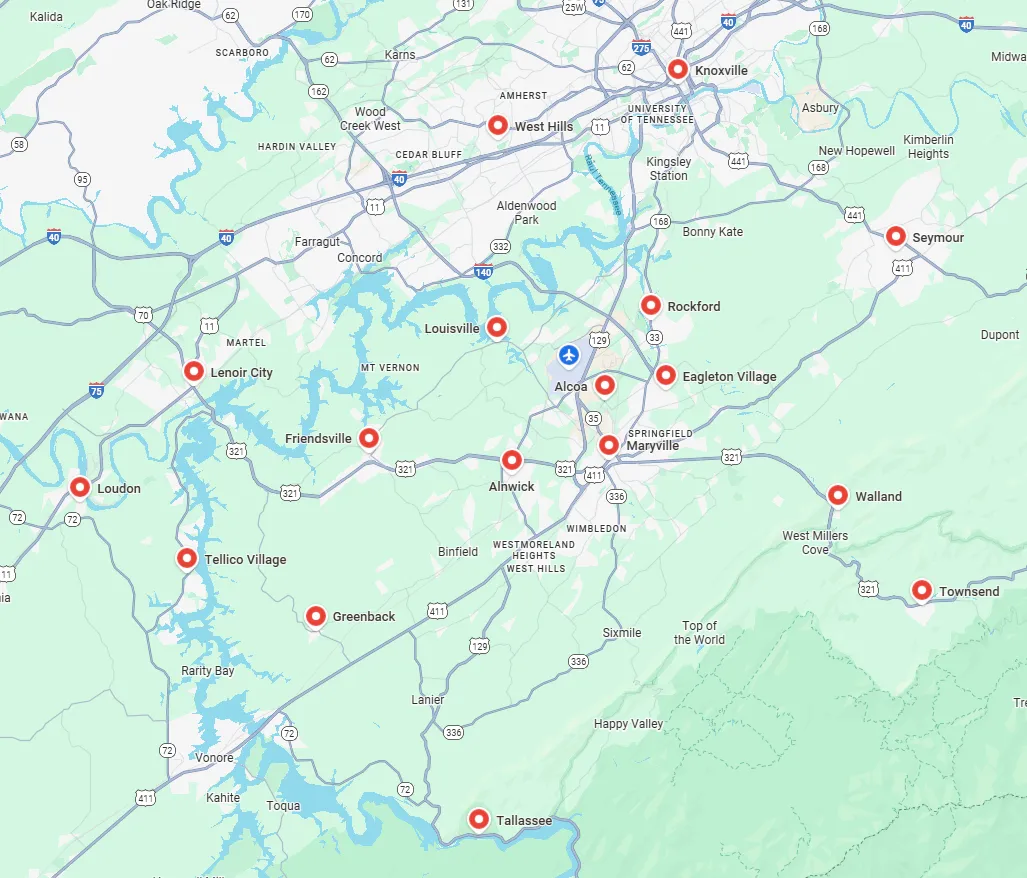


Mini Split Installation in West Hills, TN
For West Hills, TN homes needing efficient heating and cooling without the hassle of extensive ductwork, a Mini Split installation is a genuinely practical and high-value upgrade. We all know East Tennessee summers are hot and humid, and our winters can get quite chilly, often needing that extra bit of heat. A properly sized ductless Mini Split can bring precise zone control, significantly lower operating costs, and wonderfully improved indoor comfort to your West Hills home, all while completely avoiding the disruption of a full duct retrofit. For reliable performance and fantastic long-term value, Everest Air Heating and Cooling brings experienced, code-conscious installation and expert system design to every single job.
.avif)
Why West Hills, TN homeowners choose Mini Splits
- West Hills homes often include older construction or room additions where extending central ductwork is costly or impossible.
- Knoxville area summers demand high cooling capacity; Mini Splits provide efficient cooling with high SEER ratings and variable-speed compressors.
- Cold snaps in East Tennessee mean heat pump-capable Mini Splits can handle many winter days without auxiliary heating.
- Mini Splits offer room-by-room control, reducing energy wasted on unused spaces common in modern living patterns.
Below we explain the full Mini Split installation process tailored to West Hills, TN, including site assessment, load calculation, unit placement, electrical and refrigerant requirements, permitting, testing, warranties, and financing considerations.
Common Mini Split system types and typical use cases
- Single-zone Mini Split: one outdoor unit paired with one indoor air handler. Ideal for single rooms, garages finished as studios, or small additions.
- Multi-zone Mini Split: one outdoor unit connected to multiple indoor heads. Best for whole-home retrofits without ducts or for controlling several key zones.
- Wall-mounted indoor heads: most common, unobtrusive, and effective for most rooms.
- Concealed duct or ceiling cassette units: used when a low-profile look or broader airflow distribution is desired.
- Floor-mounted indoor units: useful for rooms with low wall space or for installations in basements where cool air distribution is needed.
Common problems West Hills families look to solve with Mini Splits:
- Uneven heating or cooling due to poor duct design
- High energy bills from heating and cooling unused spaces
- Rooms that are consistently too hot or too cold
- Home additions that are not connected to existing ductwork
- Desire for quieter, more efficient systems with better indoor air quality
Site assessment and load calculation
A correct installation begins with a thorough site assessment and accurate load calculation. Everest Air Heating and Cooling uses industry-standard methods to ensure the right size and configuration for your home.
What the site assessment includes:
- Walkthrough of each intended conditioned space to evaluate insulation levels, window orientation, window type, ceiling height, occupancy patterns, and typical use.
- Inspection of existing electrical service capacity and available breaker space.
- Consideration of exterior unit placement options for noise, airflow, and condenser clearances.
- Identification of aesthetic preferences and mounting constraints inside living areas.
Load calculation essentials:
- A Manual J compliant load calculation is performed for each zone. This calculates heating and cooling needs based on square footage, insulation, solar gain, infiltration, occupancy, and local climate data for West Hills, TN.
- For multi-zone systems, the combined capacity of indoor heads must match the outdoor unit in a way that allows efficient operation across typical load scenarios.
- Proper sizing avoids common issues: oversizing that causes short cycling and humidity problems, and undersizing that can leave rooms uncomfortable during peak conditions.
Indoor and outdoor unit placement
Strategic placement of indoor heads and the outdoor condenser matters for performance, comfort, and longevity.
Indoor unit placement guidelines:
- Place indoor heads where they can distribute air across the occupied area without blasting directly on occupants.
- Avoid locating heads above heat sources or directly above tight rows of furniture that block flow.
- Maintain clearance from ceilings and corners as per manufacturer specifications to ensure proper return and supply airflow.
- For bedrooms, consider quieter models or placement that reduces direct airflow onto the sleeping area.
Outdoor unit placement considerations for West Hills:
- Select a level, well-draining location with adequate airflow on three sides and clearance from shrubbery.
- Locate the outdoor unit away from bedroom windows or neighbors if possible to minimize perceived noise; modern Mini Split condensers are quiet but placement still matters.
- Consider elevated pads for sloped yards or sites prone to summer downpours to keep the unit out of standing water.
- Ensure the outdoor unit is accessible for service and is compatible with local setback rules or homeowner association guidelines.
Electrical and line-set requirements
Mini Split installations involve both electrical work and refrigerant piping work. Each must meet code and manufacturer instructions for safety and performance.
Electrical requirements:
- Confirm main service capacity and available breaker space. Some homes may require a dedicated circuit and disconnect for the outdoor unit.
- Verify wire gauge, breaker size, and surge protection per the unit’s nameplate and local code.
- Check for proper grounding and bonding. Everest Air Heating and Cooling ensures all electrical connections meet local codes and manufacturer requirements.
- For multi-zone systems, centralized or individual disconnects may be required based on code and system design.
Refrigerant line-set and condensate:
- Refrigerant lines must be sized and routed properly to avoid excessive pressure drop. Line length and elevation changes affect refrigerant charge and performance.
- Proper insulation of the suction line minimizes energy loss and prevents condensation.
- Condensate must be drained to an approved location. For indoor head types, condensate pumps may be necessary where gravity drainage is not possible.
- A proper vacuum and leak test are mandatory to remove moisture and non-condensables before charging the system.
Permits and code considerations for electrical and refrigerant work:
- HVAC, mechanical, and electrical permits are typically required in the Knox County area. Everest Air Heating and Cooling includes permit-ready documentation and coordinates inspections when required.
- Installations must comply with local building and electrical codes, including refrigerant handling rules. Certified technicians perform refrigerant work under EPA regulations.
Installation process and timeline
A well-planned Mini Split installation reduces disruption and ensures consistent, predictable results. Typical stages are described below; actual timings vary by project scope.
Pre-installation planning:
- Finalize load calculations, confirm equipment selection and accessories, and plan routing for lines and wiring.
- Order equipment and schedule a two-way arrival window for technicians.
Day of installation - single-zone systems:
- Site preparation and protection of interior finishes.
- Outdoor pad or mounting bracket placement and leveling.
- Run refrigerant line-set, electrical conduit, and condensate drain from indoor unit to outdoor unit through a small access hole.
- Mount indoor head, connect piping, electrical, and condensate; seal and finish penetration to match interior aesthetics.
- Evacuate the line-set to the manufacturer-recommended level, pressure test, and charge refrigerant if required.
- Commissioning: power on, test modes, check operating pressures and temperatures, verify airflow and room delta-T, and demonstrate controls to the homeowner.
- Typical single-zone installations can often be completed in one day.
Day of installation - multi-zone systems and complex jobs:
- Multi-zone installations involve additional piping, more indoor heads, and longer commissioning. They can require multiple days depending on the number of zones and routing complexity.
- Any required electrical upgrades or panel work may increase the timeline.
- If structural modifications, concealed duct work, or special ceiling cassette installations are needed, additional scheduling will be planned.
Post-installation walkthrough and documentation:
- Everest Air Heating and Cooling leaves a commissioning report detailing measured operating values, refrigerant charge confirmation, electrical measurements, and control settings.
- Technicians review maintenance tips and basic troubleshooting with homeowners.
Commissioning, testing, and post-installation assurance
A professional installation includes thorough testing and documentation to ensure peak performance from day one.
Key testing steps:
- Vacuum and leak test to manufacturer and industry standards to ensure the refrigerant circuit is clean and sealed.
- Charge verification: confirm refrigerant charge by superheat, subcooling, or manufacturer-specific charging charts, accounting for actual line-set length and elevation.
- Electrical testing: verify correct voltage, amperage, and that the compressor start-up draws are within acceptable ranges.
- Airflow and temperature testing: measure supply air temps, room delta-T in cooling and heating modes, and verify indoor head airflow is within expected ranges.
- Noise and vibration checks to minimize transmission to the structure.
Warranty and documentation:
- Manufacturer warranty coverage is explained in plain terms, including compressor and parts warranty durations and any registration requirements.
- Everest Air Heating and Cooling provides a labor warranty for workmanship. This warranty coverage and its terms are documented at completion.
- Homeowners receive full paperwork including permit sign-offs, wiring diagrams, test results, and manufacturer warranty registration instructions.
Permits and code considerations in West Hills, TN
Everest Air Heating and Cooling handles permit procurement and compliance with local building codes for installations serving West Hills and the greater Knoxville area.
Typical permit and inspection steps:
- Determine which permits are required: mechanical, electrical, and sometimes building.
- Prepare and submit permit applications and manufacturer equipment specifications.
- Coordinate on-site inspections with the local authority having jurisdiction such as Knox County inspectors or city code officials when applicable.
- Ensure all work meets Tennessee state and local codes, including proper electrical sizing, refrigerant handling, and mechanical clearances.
Other considerations:
- Historic or HOA neighborhoods within West Hills may have additional design or aesthetic review requirements. Planning for these needs prevents delays.
- Local code updates and energy requirements are monitored so installations meet current standards.
Warranty, maintenance, and long-term reliability
A clear warranty and proactive maintenance make a big difference in the long-term cost of ownership.
Warranty overview:
- Most Mini Split manufacturers offer limited warranties on compressors and parts; terms vary by brand.
- Labor warranty for installation work is provided by Everest Air Heating and Cooling and covers specific workmanship issues for a defined period.
- Warranty registrations are completed at installation and homeowners are provided documentation and care instructions to preserve warranty eligibility.
Recommended maintenance:
- Quarterly or biannual filters cleaning or replacement for optimal indoor air quality and efficiency.
- Annual system checkups are recommended to verify refrigerant charge, clean coils, check condensate drainage, and inspect electrical components.
- Join a maintenance plan such as the Y.E.T.I Comfort Plan for regular seasonal check-ups and priority scheduling to prevent small issues from becoming large problems.
Operational tips to extend system life:
- Maintain clearance around outdoor units and keep coils clean from leaves and debris.
- Follow manufacturer recommendations for filter care and replacement.
- Use zone scheduling to avoid unnecessary runtime and reduce wear.
Pricing factors and financing options (no specific prices)
Mini Split pricing varies based on several factors. Rather than offering flat numbers, understanding what influences cost helps homeowners evaluate options.
Primary factors affecting installation cost:
- Number of zones and indoor heads: single-zone installs are simpler and typically less expensive than multi-zone systems.
- Unit capacity and efficiency: higher SEER and advanced inverter technology can increase equipment cost but reduce operating bills.
- Complexity of installation: long line-set runs, hard-to-reach indoor locations, or necessary electrical upgrades increase labor time and materials.
- Type of indoor heads: wall-mounted heads are most economical; concealed or cassette units have higher material and installation costs.
- Structural work: cutting through brick, stone, or solid masonry walls, or accessing attic spaces for concealed units, raises labor and material needs.
- Required permits and inspection fees, and any mandatory panel or service upgrades from the utility or local codes.
Financing considerations:
- Many homeowners choose to finance installations through HVAC financing programs, personal loans, or energy efficiency loans. Financing options spread payments over time and make higher-efficiency systems more affordable month-to-month.
- Rebates and incentives: occasionally federal, state, or utility-based incentives exist for high-efficiency heat pump Mini Split systems or for electrification upgrades. Everest Air Heating and Cooling can provide guidance on typical incentive types and documentation needed for rebate applications.
- Consider lifecycle cost: more efficient equipment often costs more upfront but delivers lower operating costs and may qualify for incentives that improve payback.
Benefits specific to West Hills, TN homes
- Reduced ductwork costs: many West Hills homes are older or have finished spaces where ducts are impractical. Mini Splits provide conditioning without major renovation.
- Better humidity control: properly commissioned Mini Splits help manage humidity in humid East Tennessee summers through variable-speed compressors and precise control.
- Zone comfort: households with split schedules or multiple occupants benefit from independent temperature control for each room or zone.
- Quiet operation: modern Mini Splits operate quietly, an advantage in neighborhoods with close lot lines or for homeowners with home offices.
- Efficient heating during mild winter spells: heat pump Mini Splits often handle typical winter days in West Hills without supplemental heat, reducing fossil fuel use and energy bills.
Common concerns and how we address them
- Will a Mini Split look ugly inside my home? Wall-mounted indoor heads are compact and finishable; alternatives like low-profile cassettes or recessed units can preserve aesthetics.
- Are Mini Splits noisy? Both indoor and outdoor units are very quiet compared to older central systems; proper mounting and vibration isolation further reduce noise.
- What about cold-weather performance? Modern heat pump Mini Splits are engineered for better low-temperature performance. For colder spells, systems can be paired with supplemental heat sources if needed.
- Will I need a panel upgrade? Not always. Everest Air Heating and Cooling evaluates existing service and advises when an electrical panel upgrade is the prudent or required option.
- How long does installation take? Single-zone installs can often be completed in a single day; multi-zone systems typically take longer based on scope and site conditions.
Maintenance advice for longevity and efficiency
- Clean or replace filters every 1 to 3 months depending on occupancy and indoor air quality.
- Keep outdoor units free of debris and plant growth. Trim vegetation to maintain recommended clearances.
- Schedule annual inspections to check refrigerant charge, clean coils, and tighten electrical connections.
- Use scheduling and smart controls to avoid unnecessary runtime during unoccupied periods.
FAQs
Q: How long does a typical Mini Split installation take in West Hills, TN?
A: Single-zone installations are often completed in one day; multi-zone systems and jobs with electrical upgrades or complex routing can take two or more days. Pre-installation planning and site readiness influence the timeline.
Q: Do I need permits for a Mini Split installation?
A: Yes, HVAC and electrical permits are commonly required in Knox County and surrounding jurisdictions. Everest Air Heating and Cooling prepares permit documentation and ensures installed systems meet local codes.
Q: Will installing a Mini Split require changing my electrical panel?
A: Not always. Panel upgrades depend on existing service capacity and the selected system. During the initial assessment Everest Air evaluates electrical needs and advises on any necessary upgrades.
Q: What kind of maintenance do Mini Splits require?
A: Regular filter cleaning or replacement, annual checks for refrigerant charge and electrical connections, and keeping the outdoor unit clear of debris; joining a maintenance plan can ensure these tasks are handled professionally.
Q: Are Mini Splits suitable for whole-house heating and cooling in West Hills?
A: In many cases, multi-zone Mini Split systems can efficiently condition most of a house, especially when the home has multiple distinct zones. For very large homes or specific load scenarios, a hybrid approach or supplemental systems may be recommended.
Q: What warranties are provided?
A: Manufacturer warranties vary by brand for compressors and parts. Everest Air Heating and Cooling also provides a labor warranty on installation workmanship. All warranty terms are reviewed and documented at project completion.
Q: Can I get financing or rebates for a Mini Split installation?
A: Financing options are commonly available through lender programs or payment plans, and occasional rebates or incentives may be available for qualifying high-efficiency heat pump systems. Everest Air provides guidance on financing types and typical rebate documentation.
Everest Air Heating and Cooling brings experienced, transparent, and code-compliant Mini Split installations to West Hills, TN homes, with careful planning, thorough testing, and a focus on long-term performance. A properly designed and professionally installed Mini Split provides precise comfort control, improved efficiency, and a pleasant, quiet indoor environment tailored to the needs of East Tennessee households.
hear what our satisfied clients have to say

David P.
Service areas