

Mini Split AC in West Hills, TN
When it comes to picking the right cooling solution for your West Hills, TN home, it often boils down to finding that sweet spot between comfort, energy efficiency, and the realities of local construction. Ductless Mini Split air conditioning systems offer a wonderfully flexible and efficient alternative to traditional central air—especially for older homes that lack ductwork, new room additions, or any space where you really want zoned comfort. Here at Everest Air Heating and Cooling, we bring our local experience and deep technical expertise to help West Hills homeowners truly understand, install, and maintain Mini Split systems that deliver reliable cooling and efficiency all year round. You can trust Everest Air Heating and Cooling to guide you every step of the way.
.avif)
Why consider a Mini Split in West Hills, TN
West Hills experiences hot, humid summers and variable shoulder seasons. That makes cooling performance and humidity control top priorities for many households. Mini Splits are particularly well suited to this climate and these home types because they:
- Offer zoned cooling and heating so you can control temperature room by room, reducing wasted energy in unoccupied areas.
- Avoid the need for ductwork, which is advantageous in older West Hills homes, historic properties, and additions where running ducts is costly or impractical.
- Use inverter-driven compressors for more consistent temperatures and higher efficiency during extended warm periods.
- Provide supplemental heating in mild winters, reducing strain on aging furnaces.
- Improve indoor air comfort by reducing temperature swings and offering better filtration options than window units.
Everest Air Heating and Cooling installs and services Mini Splits specifically with West Hills households in mind, factoring in local building styles, humidity loads, and occupant preferences.
How Mini Split systems work (plain language)
A Mini Split system has two main parts: an outdoor compressor/condenser and one or more indoor air-handling units. They are connected by a small bundle of refrigerant lines, a condensate drain line, and a power/control cable. The system transfers heat between the indoor unit and the outside air, providing cooling in summer and, for heat pump models, heating in cooler months.
Key features that affect performance:
- Inverter compressor technology adjusts output continuously for precise temperature control.
- Individual indoor units allow each room to be set to its own temperature.
- Multi-zone systems let one outdoor unit serve several indoor heads, each independently controlled.
- Wall-mounted, floor-mounted, ducted, and ceiling cassette indoor units provide installation flexibility for different room layouts.
Benefits of Mini Splits for West Hills homes
- Zoned comfort: Control temperatures in bedrooms, living areas, or home offices independently to match how you use rooms throughout the day.
- Energy efficiency: Modern Mini Splits deliver high SEER ratings and use variable speed compressors that lower energy use compared to window units and many older central systems.
- Quick retrofit: Installations are less invasive than adding ductwork. A small 3 inch hole through an exterior wall is typically all that is needed for refrigerant and drain lines.
- Better indoor air quality: Units use multi-stage filters that capture dust and pollen, an advantage in humid, pollen-heavy seasons common in East Tennessee.
- Quiet operation: Many indoor units operate at whisper-quiet sound levels, improving comfort in bedrooms and living spaces.
- Space-saving design: Slim indoor units and compact outdoor compressors minimize visual impact in yards and on homes.
Common Mini Split system types and which fits your home
- Single-zone systems: One outdoor unit connected to one indoor unit. Best for cooling or heating a single room or addition.
- Multi-zone systems: One outdoor unit connected to two to eight indoor units. Ideal for whole-home retrofits or multiple rooms with independent control.
- Wall-mounted indoor units: Most common and cost-effective for bedrooms and living rooms.
- Ceiling cassette units: Great for open-plan spaces and balanced airflow without wall space.
- Ducted Mini Splits: Concealed units that connect to short ducts for a central feel where visuals must be minimized.
- Floor-mounted units: Useful for rooms with limited wall space or for supplemental heating in colder areas of the house.
Everest Air Heating and Cooling helps match system type to room layout and lifestyle to ensure the best combination of comfort and efficiency for West Hills homes.
Sizing and model selection: what professionals evaluate
Proper sizing is critical. Oversized systems short-cycle and underperform on humidity control; undersized systems struggle to keep up during heat waves. A professional assessment includes:
- Manual J load calculation: A room-by-room calculation that accounts for square footage, insulation, window orientation, glazing types, ceiling height, and number of occupants.
- Local climate loads: West Hills humidity and summer heat are factored into cooling needs, while shoulder seasons may influence whether a heat pump-capable Mini Split is preferable.
- Building envelope: Insulation quality, air infiltration, and existing duct losses (if hybrid solutions are considered).
- Usage patterns: Which rooms are used most, times of day when cooling is required, and whether zoning is desired.
- Aesthetic and structural constraints: Placement options for indoor heads and the outdoor unit, line set routing, and mounting surfaces.
Everest Air Heating and Cooling provides a clear recommendation that includes system capacity, suggested indoor head types, and energy performance ratings so you can compare models on cost and long-term operating efficiency.
Common performance issues and diagnostic steps
Mini Splits are reliable, but issues can occur. Knowing common problems and basic diagnostic steps helps you understand whether the issue is a simple homeowner fix or requires a trained technician.
- Insufficient cooling or heating
- Possible causes: Incorrect sizing, dirty filters, blocked airflow at the indoor unit, low refrigerant, or malfunctioning compressor.
- Diagnostic steps: Check filters and indoor unit airflow, confirm thermostat setpoint and mode, listen for unusual outdoor unit noise. If airflow and filters are clear and the unit still underperforms, a professional refrigerant check and system test are needed.
- Short cycling or frequent on/off cycles
- Possible causes: Oversized unit, thermostat wiring issues, or electrical control faults.
- Diagnostic steps: Observe cycle times and indoor temperature variance. Document patterns and provide to the technician for system control diagnosis.
- Frozen evaporator coil or indoor unit frosting
- Possible causes: Low refrigerant, restricted airflow, or faulty defrost cycle on heat pump models.
- Diagnostic steps: Turn unit off and allow to thaw. Inspect filters and airflow. If frosting returns, schedule a refrigerant and defrost system inspection.
- Drainage and water leakage
- Possible causes: Clogged condensate drain, improper drain pipe slope, or failing condensate pump in basement installations.
- Diagnostic steps: Inspect indoor unit drip tray and accessible drain lines for blockages, and look for signs of water on walls or ceilings.
- Strange noises or vibration
- Possible causes: Loose mounting brackets, failing fan motors, refrigerant flow noise, or failing compressor.
- Diagnostic steps: Note the type and timing of noise. Some low-level refrigerant flow sounds are normal, but grinding, banging, or persistent squeal indicates a component issue.
- Remote control or communication failures
- Possible causes: Dead batteries, IR/bluetooth interference, or control board faults.
- Diagnostic steps: Replace batteries, test direct control buttons on the indoor unit, and reset the system. Persistent faults require an electrical diagnosis.
When a problem appears beyond filters, basic cleaning, or batteries, a technician from Everest Air Heating and Cooling performs measured diagnostics, including electrical checks, refrigerant pressure testing, and control board evaluation.
Typical installation process (what to expect)
Installation from a qualified contractor ensures safety, performance, and warranty compliance. A typical process includes:
- Pre-installation consultation: A site visit, Manual J load calculation, and discussion of placement options for indoor heads and the outdoor unit.
- Permitting and code review: Ensuring all local codes are met, including electrical service capacity and mounting requirements.
- Indoor unit mounting: Securely installing wall, ceiling, or floor units and routing a neat, concealed line set through a small penetration in the wall.
- Outdoor unit placement: Level pad or mounting brackets on the exterior wall, with consideration for airflow, noise, and local setback rules.
- Electrical work: Dedicated circuit and disconnect as required by manufacturer specifications and local code.
- Refrigerant, vacuum, and charge: Proper evacuation of the lines, leak testing, and correct refrigerant charge based on manufacturer guidance and line lengths.
- Commissioning: System startup, performance verification, thermostat and control programming, and homeowner orientation on operation and maintenance.
- Documentation: Providing appliance manuals, warranty registration information, and recommended maintenance schedule.
Everest Air Heating and Cooling follows manufacturer procedures at each step to protect equipment warranties and ensure top performance in West Hills conditions.
Maintenance, repair, and service plans
Routine maintenance preserves efficiency and reliability. Key maintenance tasks include:
- Filter cleaning or replacement every 1 to 3 months depending on use and indoor air quality.
- Annual professional inspection of both outdoor and indoor units, including electrical connections, refrigerant pressures, condensate drain cleaning, and fan motor checks.
- Coil cleaning and blower cleaning as needed to maintain airflow and heat exchange efficiency.
- Firmware or control updates where applicable for smart systems.
Everest Air Heating and Cooling offers ongoing maintenance plans that help reduce emergency repairs and maintain manufacturer warranty conditions. Regular maintenance improves humidity control, extends equipment life, and keeps seasonal performance consistent for West Hills homeowners.
Repairs and parts: what we cover
Technicians are trained to diagnose and repair all common Mini Split issues:
- Refrigerant leak detection and repair, with proper recovery and recharge following EPA guidelines.
- Compressor and inverter circuit repairs, including part replacement where necessary.
- Fan motor and blower service.
- Control board, thermostat, and communication module replacement.
- Condensate pump and drain system repair.
Where components are under manufacturer warranty, Everest Air Heating and Cooling coordinates warranty claims and provides labor warranties for work performed under company policies.
Brands, warranties, and product selection
We work with premier Mini Split manufacturers to provide reliable, efficient equipment appropriate for West Hills homes. Common brands supported include Daikin, Mitsubishi Electric, Fujitsu, LG, and Panasonic, along with compatible models from other well-known manufacturers. Each brand offers different features, capacity ranges, and efficiency levels.
Warranties typically include:
- Manufacturer limited warranty for compressors and major components.
- Parts warranty for specific components.
- Extended warranty options when registered or purchased with additional protection plans.
- Labor warranty coverage through the installing contractor; Everest Air Heating and Cooling documents labor warranties for each installation and outlines what is covered.
During selection, Everest Air Heating and Cooling reviews the warranty terms, expected lifespan, and maintenance requirements to help you choose a model that matches your expectations for reliability and long-term cost of ownership.
Financing and special offers (informational)
Mini Split installations are an investment in comfort and energy efficiency. Everest Air Heating and Cooling provides information about common financing approaches without pressuring a decision. Options homeowners typically consider include:
- Traditional HVAC financing through third-party lenders with fixed-term installments.
- Energy efficiency financing for heat pump systems that may reduce long-term utility bills.
- Manufacturer seasonal promotions or dealer pricing bundles on equipment and installation.
- Trade-in or retrofit discounts for replacing older, inefficient systems.
If you prefer, your local Everest Air Heating and Cooling representative can discuss financing partners, approximate timelines for credit approval, and documentation needs so you can plan accordingly. Additionally, potential local or federal incentives for high-efficiency equipment may be available and are considered when evaluating total cost of ownership.
Why West Hills homeowners choose a local installer
Local installers understand area-specific needs:
- Knowledge of West Hills microclimates, humidity concerns, and seasonal usage patterns for better system selection.
- Familiarity with local permitting and code nuances.
- Experience working on West Hills home types, from older cottages to modern builds, minimizing aesthetic impact and ensuring clean installations.
- Faster response for service, repairs, and warranty work compared to non-local providers.
Everest Air Heating and Cooling blends regional experience with manufacturer training to ensure systems are installed and serviced to perform as intended in East Tennessee conditions.
How scheduling, installation, and service typically proceed
While individual processes vary, homeowners can expect these steps when working with a professional installer:
- Initial consultation: A site visit to confirm needs, take measurements, and provide an equipment recommendation and estimate.
- Formal proposal: A written proposal outlining recommended equipment, scope of work, estimated timeline, and warranty information.
- Scheduling: Coordination of an installation date that fits project complexity and supply availability.
- Pre-install inspection: Confirming access, electrical capacity, and final placement plans before work begins.
- Installation day: Professional installation, testing, and homeowner orientation.
- Post-install follow up: Documentation, warranty registration, and maintenance plan discussion.
The goal is a transparent process from assessment to final commissioning so homeowners understand system performance, maintenance expectations, and warranty details.
Long term benefits and return on investment
Installing a properly sized and professionally installed Mini Split system can provide measurable benefits:
- Lower energy use in zoned setups compared to cooling entire homes with central systems or multiple window units.
- Improved comfort and humidity control, leading to fewer indoor complaints and better sleep quality during humid summers.
- Longer equipment life and fewer emergency repairs when maintained regularly.
- Increased home value and marketability for buyers who value modern, efficient HVAC solutions without extensive ductwork.
Everest Air Heating and Cooling helps quantify these benefits during the proposal phase, showing projected efficiency improvements and expected performance in West Hills weather conditions.
Frequently asked questions
Q: How long does a Mini Split installation take?
A: Installation time depends on the number of indoor units and site complexity. A single-zone install typically completes in one day; multi-zone jobs often take one to three days including start-up and commissioning.
Q: Will a Mini Split heat my home in winter?
A: Many Mini Splits are heat pump models that provide efficient supplemental heating during mild winter conditions common in West Hills. They are excellent for reducing furnace run time, but extreme cold may require a dedicated furnace for primary heat depending on your specific heating needs.
Q: Are Mini Splits more efficient than window units or central air?
A: Yes. Mini Splits with inverter compressors and high SEER ratings are more energy efficient than window units and often outperform older central systems, especially when used for zoned cooling and in homes without ducts.
Q: How often should filters be cleaned or replaced?
A: Filters are typically cleaned or replaced every 1 to 3 months depending on usage, indoor air quality, and whether occupants have allergies or pets. Regular cleaning ensures optimal airflow and efficiency.
Q: Can a Mini Split be installed in a historic West Hills house without damaging the character?
A: Yes. Mini Splits require minimal wall penetrations and come in discreet indoor unit styles, including ducted options that hide the unit. Installers can plan placements to preserve historic character while delivering modern comfort.
Q: What signs indicate a refrigerant leak?
A: Reduced cooling capacity, hissing sounds near lines, or ice on the evaporator coil can indicate a leak. A professional should perform leak detection and repair; refrigerant handling requires certified technicians.
Q: Are there rebates or incentives for installing high-efficiency Mini Splits?
A: Incentives vary by time and jurisdiction. High-efficiency systems sometimes qualify for utility rebates or tax incentives. A local installer can help identify current opportunities during the proposal phase.
Q: Do Mini Splits require permits?
A: Many jurisdictions require permits for HVAC installations due to electrical and refrigerant work. A professional installer will advise on and obtain necessary permits to ensure code compliance.
Q: What maintenance plan options are available?
A: Optional maintenance plans typically include seasonal inspections, priority scheduling, discounted service rates, and filter reminders. These plans help maintain performance and protect warranties.
Q: How long do Mini Split systems last?
A: With proper maintenance, Mini Splits can last 12 to 20 years. Longevity depends on usage, maintenance frequency, installation quality, and local climate stresses.
Everest Air Heating and Cooling provides detailed, local expertise for West Hills homeowners considering Mini Split AC systems. From accurate sizing and careful installation to dependable maintenance and warranty support, our approach focuses on efficient, comfortable solutions that fit your home and lifestyle.
hear what our satisfied clients have to say

David P.
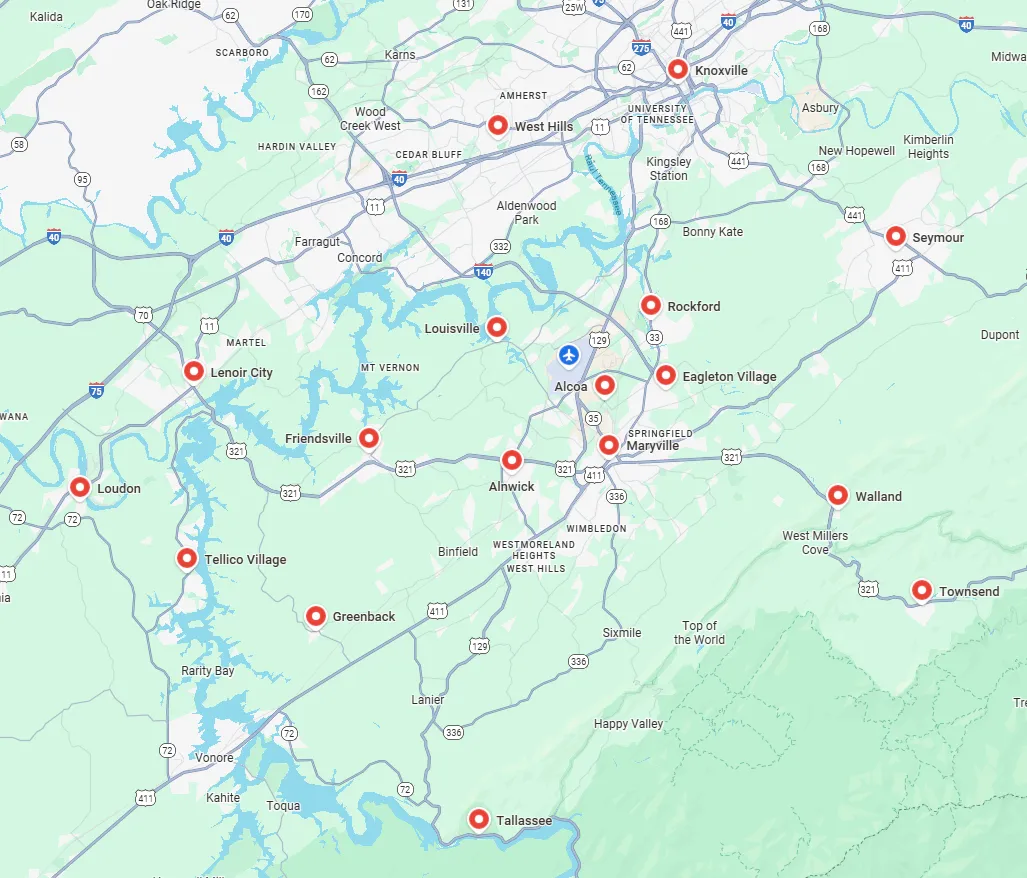
Service areas