

Mini Split Replacement in Seymour, TN
Upgrading your ductless Mini Split is a big step for homeowners in Seymour, TN. With our hot, humid summers and cooler mountain-influenced nights, an efficient, properly sized Mini Split isn't just a luxury – it delivers year-round comfort, lower energy bills, and much better humidity control. Everest Air Heating and Cooling offers seasoned evaluation and replacement services, specifically designed for Seymour homes. We'll help you determine when repair is no longer the best path, guiding you smoothly through selection, removal, installation, and what you can expect for long-term performance.
.avif)
Why consider Mini Split replacement instead of repair
Deciding between repairing a failing Mini Split and replacing it requires a clear evaluation of age, performance, reliability, and future operating costs. Repairs make sense for recent systems with isolated failures or a limited number of components out of service. Replacement is recommended when multiple failures occur, parts are obsolete or unavailable, efficiency has dropped substantially, or the system can no longer meet comfort needs.
Common indicators that replacement is the better long-term option:
- Repeated compressor, inverter, or circuit board failures within a short period.
- Refrigerant leaks that are chronic or repairs only provide temporary relief.
- System is more than 10 to 15 years old and uses older refrigerants and lower efficiency ratings.
- Rising energy bills despite routine service and filter changes.
- Uneven comfort across rooms, excessive humidity, or inability to maintain set temperatures.
- High repair costs that approach the value of a new unit when summed over several incidents.
In Seymour, the combination of humid summers and homes with varied insulation and sun exposure means aging Mini Splits often struggle with humidity control and dehumidification. Replacing with a modern, right-sized unit often restores comfort and reduces the frequency of emergency repairs.
Common Mini Split problems in Seymour, TN homes
Understanding typical failures helps homeowners know what to expect and why replacement can be the smarter option.
Common problems:
- Compressor or inverter failures after years of cycling through hot summer months.
- Refrigerant leaks from aging lines or brazed joints.
- Reduced cooling capacity due to clogged coils, lost refrigerant, or failing fans.
- Short-cycling caused by incorrect sizing or failing control boards.
- Electrical component failures from power surges or inconsistent supply.
- Corrosion and deterioration of outdoor units from seasonal humidity and road treatments in winter.
- Improper installation or undersized equipment when previous work was done without a full load calculation.
Seymour homeowners also see issues tied to local conditions: long, muggy summers can accelerate wear on compressors, and older homes that add finished rooms or change layouts may outgrow the original system’s capacity.
How Everest Air evaluates your system before recommending replacement
A thorough, honest system evaluation is essential to decide between repair and replacement. Everest Air Heating and Cooling follows a structured assessment to determine current performance, remaining useful life, and the right path forward.
Evaluation process:
- Visual inspection of indoor and outdoor units, refrigerant lines, and mounting hardware. We document corrosion, physical damage, and visible refrigerant oil stains.
- Operational checks under load to observe how the system performs at typical summer and winter conditions. Technicians measure supply and return temperatures, airflow, and run times.
- Electrical testing to verify voltage, amperage, and the condition of capacitors, contactors, and control boards.
- Refrigerant analysis to detect leaks and confirm correct charge if accessible. If refrigerant is low, we identify likely leak sources.
- Measurement of energy use and comparison to expected efficiency for the unit’s age and model. This helps estimate potential energy savings from a replacement.
- Load and zoning review of the home. We confirm square footage, insulation levels, window orientation, and recent changes to the home that affect load.
- Long-term cost and reliability projection comparing repair scenarios against replacement with modern, higher-efficiency equipment.
This method ensures recommendations are rooted in measurable performance rather than sales pressure. When replacement is the most cost-effective path, the evaluation informs the right new equipment size and type.
Choosing the right-sized, higher-efficiency Mini Split for Seymour homes
Selecting a new Mini Split requires more than matching old tonnage. Proper sizing, efficiency, and features determine comfort and energy savings for Seymore’s climate.
Key selection considerations:
- Manual J load calculation: Accurate sizing based on your home’s construction, insulation, windows, orientation, and occupancy. This prevents undersizing that results in poor humidity control and oversizing that causes inefficient short cycling.
- Seasonal efficiency ratings: Look for high SEER and HSPF ratings for cooling and heating performance respectively. Higher ratings translate to lower energy use, particularly during extended summer cooling months in Seymour.
- Inverter technology: Modern variable-speed compressors modulate output to match load which improves humidity control and reduces cycling losses important during humid Southern summers.
- Multi-zone vs single zone: Choose single-zone units for individual rooms and multi-zone systems to serve multiple rooms from one outdoor unit. Multi-zone systems must be sized and balanced carefully to avoid high-load mismatches.
- Filtration and dehumidification features: Options such as enhanced filters and built-in dehumidification help with Seymour’s summer humidity for better indoor air quality and comfort.
- Noise and aesthetics: Low-sound operation and compact indoor heads are important for bedrooms and living spaces.
Everest Air Heating and Cooling uses detailed load calculations and local climate experience to recommend models that balance comfort, long-term operating costs, and reliability.
Removal and disposal of old Mini Split equipment
Proper removal protects your home and the environment. Older systems may contain refrigerants and materials that require safe handling and disposal.
Standard removal steps:
- Secure power and isolate electrical breakers to ensure technician safety.
- Recover refrigerant using EPA-compliant recovery machines and certified technicians to avoid releasing refrigerants into the atmosphere.
- Disconnect indoor and outdoor units, including refrigerant lines, condensate drains, and communication wiring.
- Inspect and safely remove mounting brackets, linesets, and any wall penetrations. If indoor aesthetic repairs are needed, we document them so homeowners know what to expect.
- Transport old equipment for recycling or disposal in accordance with local and federal regulations. Many components such as copper, aluminum, and steel are recyclable.
- Provide documentation of refrigerant recovery and disposal methods for your records.
Seymour homeowners can rest assured that removal follows environmental requirements and best practices for refrigerant handling.
Step-by-step replacement procedure
Replacing a Mini Split is a coordinated process that minimizes disruption and ensures reliable performance from day one.
Typical replacement procedure:
- Pre-installation planning - Confirm system layout, line lengths, and equipment placement based on the evaluation. Verify electrical capacity and necessary upgrades to the disconnect or breaker.
- Site preparation - Protect flooring and furnishings inside the home; create a safe work area outdoors for the new condenser.
- Power isolation - Turn off and lock out power to the existing unit and any affected circuits.
- Recover and remove old refrigerant - Certified recovery and environmentally compliant removal of refrigerant from the old system.
- Remove indoor and outdoor components - Carefully detach units, cap lines, and clear mounting surfaces.
- Install new outdoor unit - Place on a stable pad or wall bracket; ensure correct clearances for airflow and code compliance for noise and setback requirements.
- Run and insulate new line set and wiring - New copper lines are brazed and pressure tested; insulation and protective conduit are installed where required to protect lines across exterior walls.
- Install indoor heads and mounts - Position indoor units for optimal airflow and minimal aesthetic impact. Connect condensate lines and ensure proper slope for drainage.
- Evacuate and charge the system - The new system is evacuated with a deep vacuum to remove moisture and tested for leaks. The correct refrigerant charge is applied per manufacturer specifications or by weighing in a factory charge.
- Electrical connection and startup - Connect power, test safety devices and controls, and run commissioning cycles to verify operation in both cooling and heating modes.
- Balance and program controls - Set fan speeds, temperature differentials, and any integrated zoning or smart-control features for comfort and efficiency.
- Final walk-through and documentation - Provide homeowners with system documentation, warranty information, and a basic orientation on operation and filter care.
Each step is completed with checks and measurements to confirm performance meets manufacturer and code standards.
What affects replacement pricing and financing options
Replacement cost is driven by several factors beyond just the unit price. While exact figures vary, homeowners should understand what influences investment and what financing options are commonly available.
Primary cost drivers:
- Equipment size and efficiency level chosen.
- Number of indoor zones to be served and complexity of multi-zone configurations.
- Extent of electrical upgrades, including new disconnects, wiring, or panel work.
- Line length and accessibility; longer or more complex runs increase labor and materials.
- Required structural work for mounting indoor heads or outdoor pads.
- Removal and disposal of the old system, including refrigerant recovery.
- Any required permitting or code compliance corrections.
Financing and rebates:
- Many homeowners finance replacement through local lenders, HVAC financing programs, or home improvement loan products to spread costs over time.
- Utility and program rebates can sometimes be available for high-efficiency equipment. Federal energy incentives or tax credits may apply for qualifying upgrades, and some Tennessee utilities offer efficiency rebates or programs. Eligibility typically depends on model efficiency, installation by a qualified contractor, and program requirements.
- Everest Air Heating and Cooling can help identify common rebate or incentive categories and provide the documentation needed for applications, while leaving choices about financing products and terms to the homeowner and their preferred lenders.
This approach ensures you understand the components of investment and where savings from efficiency and incentives may come into play without pressure.
Projected energy savings and operating benefits after replacement
Replacing an undersized or outdated Mini Split with a modern, right-sized unit yields measurable benefits for Seymour homeowners.
Expected benefits:
- Lower monthly energy use thanks to higher SEER and inverter technology that reduces cycling losses.
- Improved humidity control and dehumidification, making the home feel more comfortable at higher thermostat setpoints during humid Seymour summers.
- Quieter operation, especially with indoor heads designed for low noise in bedrooms and living areas.
- Greater temperature consistency throughout zones, reducing hot and cold spots in renovated or open-plan spaces.
- Increased reliability and fewer emergency service calls, reducing long-term maintenance headaches.
- Potential for smart controls and zoning to optimize comfort, reduce runtime, and capture additional utility savings.
Projected savings depend on prior system efficiency, insulation, thermostat behavior, and occupancy patterns. Homeowners who pair a high-efficiency replacement with modest behavioral changes and basic home sealing or insulation improvements often see the best returns in comfort and operating cost reduction.
Warranty coverage and long-term protection
Manufacturer and contractor warranties provide important protection after replacement. Understanding what each warranty covers helps set expectations.
Typical warranty elements:
- Manufacturer compressor warranty - Often covers major compressor defects for a defined period. Length varies by manufacturer and sometimes by registered installation.
- Manufacturer parts warranty - Covers components such as PCBs, fans, and sensors for a specified term.
- Labor warranty - Many contractors offer limited labor warranties for installation workmanship and may extend service guarantees through maintenance plans.
- Extended warranties and protection plans - Optional coverage for parts and labor beyond standard warranties may be available from manufacturers or third-party plans.
Everest Air Heating and Cooling stands behind installations with work-quality assurances and can explain the specifics of manufacturer warranties for the selected make and model. Registering equipment with manufacturers and keeping maintenance records often preserves or extends warranty benefits.
Maintenance expectations after replacement
A new Mini Split performs best when maintained. Regular, simple upkeep extends life and preserves efficiency.
Recommended maintenance tasks:
- Clean or replace filters every 1 to 3 months depending on use and indoor air quality.
- Annual professional checkups: inspect refrigerant charge, measure pressures and temperatures, clean coils, and verify electrical components.
- Keep outdoor units clear of vegetation, debris, and snow accumulation for proper airflow.
- Monitor condensate drains for clogs and ensure proper drainage.
- Maintain a stable thermostat schedule and avoid aggressive temperature swings that increase cycling.
Everest Air offers preventive maintenance plans that align with manufacturer guidelines to protect equipment, optimize performance, and support warranty eligibility.
Frequently asked questions
Q: How do I know if my Mini Split should be repaired or replaced?
A: If your system is older, has had multiple failures, shows signs of refrigerant leaks, or cannot maintain comfort or humidity control, replacement is often the better investment. A professional evaluation that includes performance testing and a load assessment will give you an objective recommendation.
Q: Will a new Mini Split be quieter and more efficient than my old one?
A: Yes. Modern Mini Splits use inverter-driven compressors and improved fan designs that run more quietly and efficiently. Proper sizing and installation also reduce short cycling, which improves comfort and lowers energy use.
Q: How long does a replacement installation take?
A: Installation duration varies with system complexity. A single-zone swap is typically completed within a day, while multi-zone installations or jobs requiring electrical upgrades or structural work may take longer. The evaluation and pre-planning phase will provide a clearer timeline.
Q: Can you replace a Mini Split without opening walls or doing major work?
A: In many cases, replacements can use existing line sets and mounting locations, which minimizes wall work. However, if line lengths or locations are not optimal or if indoor heads need to be relocated for better comfort, some wall or finishing work may be necessary.
Q: What warranties come with a new system?
A: Warranties usually include a manufacturer compressor warranty, parts warranty, and often a labor warranty from the installer. Terms vary by brand and model. Be sure to register equipment and maintain service records to protect warranty eligibility.
Q: Are there rebates or incentives available in Seymour, TN?
A: Incentives vary over time and by program. High-efficiency equipment often qualifies for utility rebates, state incentives, or federal tax credits when program criteria are met. Documentation from the installer is typically required to apply.
Q: How soon will I recoup the cost of a new Mini Split through energy savings?
A: Payback depends on the efficiency of the old unit, usage patterns, local energy costs, and the efficiency of the new system. Replacing an old or failing system with a high-efficiency model typically yields noticeable reductions in electricity use, especially during extended cooling seasons.
Q: Do Mini Splits require special electrical work?
A: Many Mini Split installations require a dedicated circuit and proper disconnecting means. Older homes may need panel upgrades or additional breaker capacity. A pre-installation electrical assessment identifies any needed upgrades.
Q: Can Mini Splits provide both heating and cooling for Seymour winters and summers?
A: Yes. Many ductless Mini Splits offer efficient heat pump heating suitable for Seymour winters, and provide cooling and dehumidification in summer. For extreme heating needs, systems with higher low-temperature heating capacity or backup heat may be recommended.
Q: What should I do if my home has multiple zones with different comfort needs?
A: Multi-zone Mini Split systems are designed to serve multiple indoor heads from one outdoor unit, allowing independent temperature control per room. Accurate zone sizing and planning are critical to avoid capacity mismatches and ensure efficient operation.
Everest Air Heating and Cooling provides experienced, transparent guidance throughout the evaluation and replacement process to help Seymour homeowners make informed decisions about Mini Split replacement, efficiency upgrades, and long-term comfort planning.
hear what our satisfied clients have to say

David P.
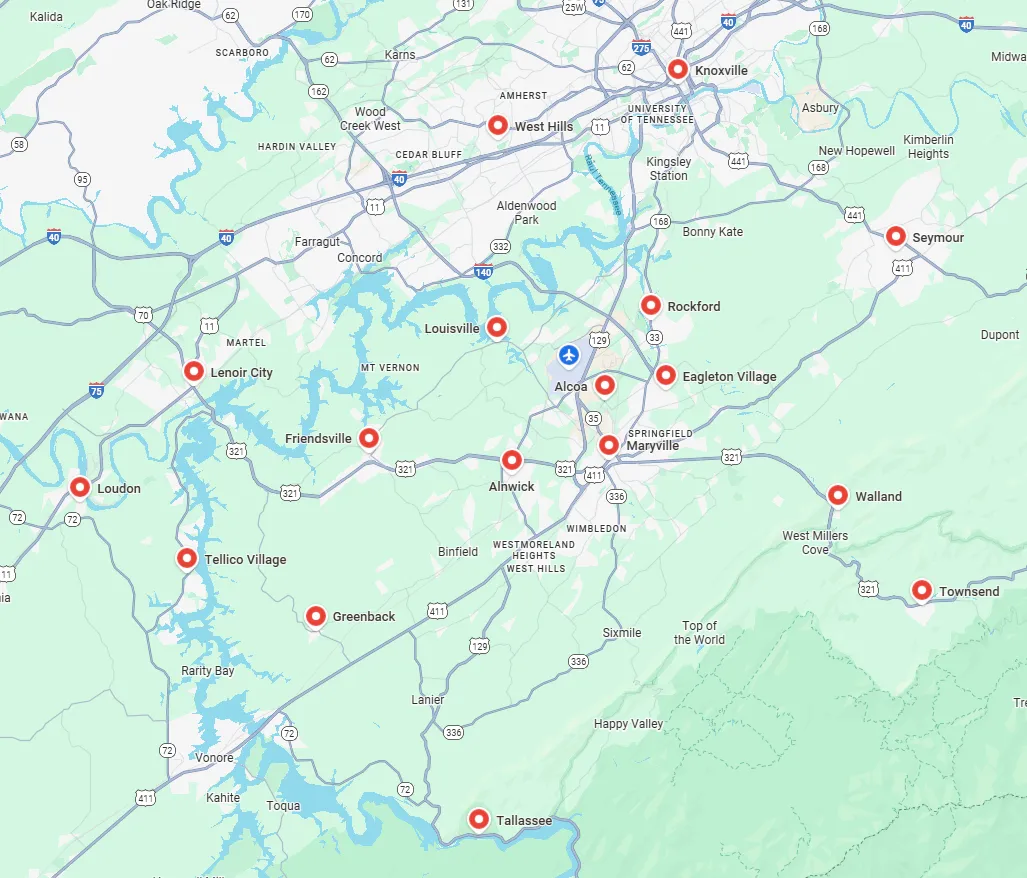
Service areas