

Mini Split Repair in Seymour, TN
When your ductless Mini Split acts up and stops cooling or heating properly, you feel it immediately. Here in Seymour, TN, with our hot, humid summers and chilly, damp winters, a malfunctioning Mini Split doesn't just make your home uncomfortable—it can quickly drive up your energy bills. At Everest Air Heating and Cooling, we truly get how crucial fast, accurate Mini Split repair is for folks in our community, both at home and at work. We’re here to help you understand common Mini Split problems in Seymour, walk you through the diagnostic steps our skilled technicians take, and explain our typical repair options and parts. You'll also learn about how Everest Air Heating and Cooling handles emergency and rapid scheduling, our straightforward flat-rate or quoted pricing, and the quality assurance practices we put in place to get your system back to reliable performance.
Why Mini Splits are a popular choice in Seymour, TN
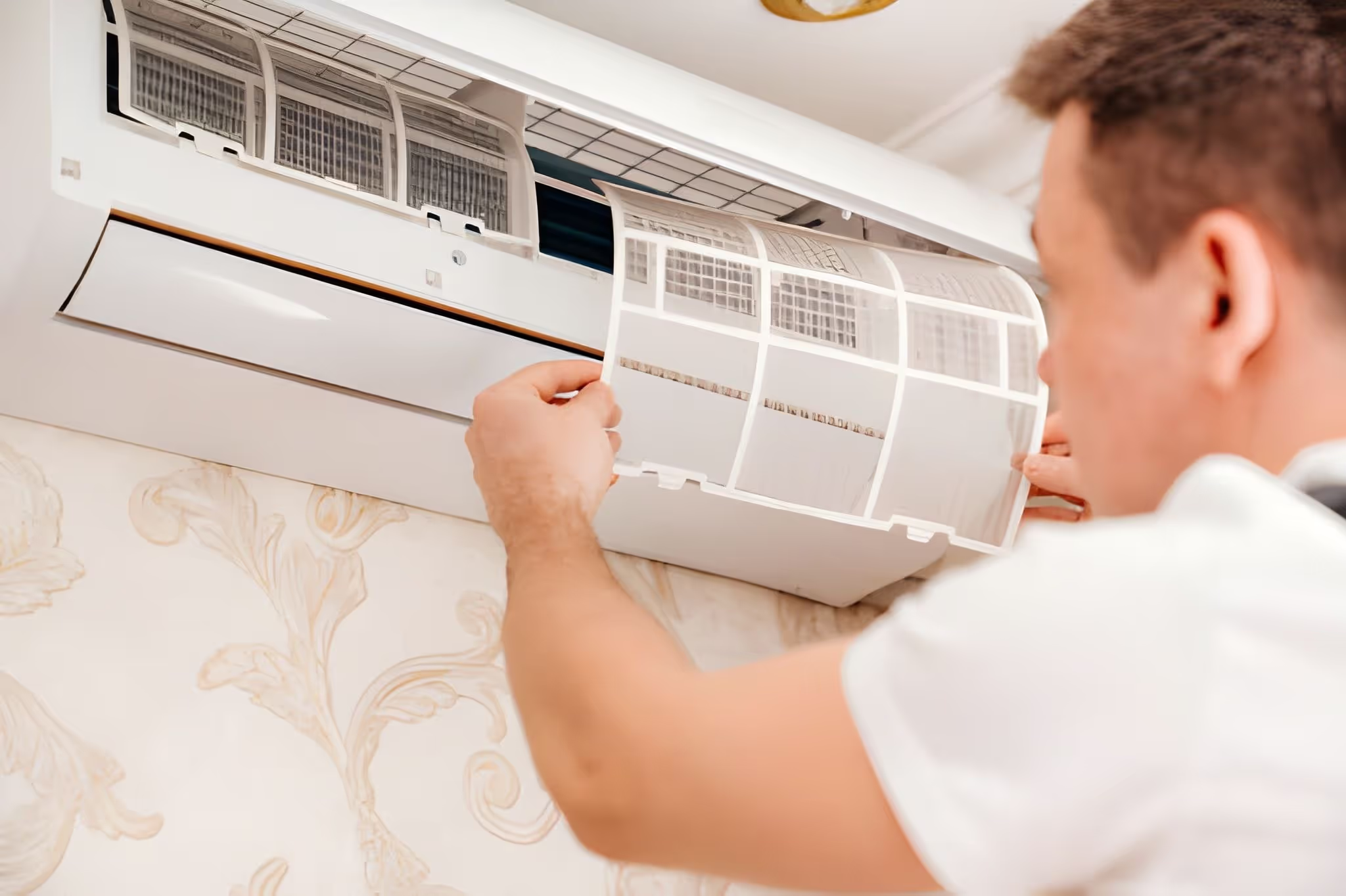
Ductless Mini Splits are widely used in Seymour homes for many reasons: they are ideal for older houses without ductwork, room additions, basements, sunrooms, garages, and finished attics where extending ducts would be disruptive or costly. Mini Splits provide zoned comfort so families can control individual rooms and save energy. However, these systems are more exposed to local climate impacts. High summer humidity, seasonal pollen, and temperature swings between day and night can stress components and accelerate wear if systems are not maintained properly.
Common Mini Split issues in Seymour, TN
Understanding typical failure modes helps homeowners recognize problems early. Everest Air Heating and Cooling routinely repairs these issues in Seymour area Mini Splits:
- Refrigerant leaks
- Symptoms: loss of cooling capacity, frosting on the evaporator coil, hissing sounds, or higher-than-normal run times.
- Local factors: vibration from older installations, rodents chewing lines, or corrosion from moisture-related wear can cause slow leaks that worsen over time.
- Compressor and condenser fan failures
- Symptoms: outdoor unit not starting, loud grinding or rattling noises, or the system cycling on and off rapidly.
- Local factors: debris, pollen buildup, and storm damage can impair the outdoor condenser. Freezing conditions in winter can also strain compressors if defrost cycles fail.
- Indoor fan motor and blower faults
- Symptoms: weak airflow, uneven temperature distribution, or unusual screeching from the indoor head unit.
- Local factors: dust, pet hair, and high pollen seasons in Seymour increase indoor coil and fan loading, leading to premature motor failure.
- Electrical faults and control board issues
- Symptoms: unit will not power on, error codes flashing, random resets, or inconsistent operation.
- Local factors: lightning or power surges during summer storms, improper wiring from DIY installations, or aged control components.
- Sensor and thermostat problems
- Symptoms: wrong temperature reading, frequent short cycling, or indoor head refusing to reach setpoint.
- Local factors: sensors displaced during cleaning, incorrect placement by installers, or moisture-induced sensor drift.
- Drain and condensate problems
- Symptoms: water dripping indoors, mold or musty odors, or clogged condensate lines causing overflow.
- Local factors: high humidity in spring and summer increases condensate formation. Homes with limited access or attic-mounted units are more vulnerable to blockages.
- Reversing valve and heat pump issues (heating mode failures)
- Symptoms: poor or no heating in winter, abnormal noises during mode switches, or extended defrost cycles.
- Local factors: cold snaps in the region test defrost systems; improper refrigerant charge or malfunctioning valves can lead to heating failures.
- Remote control and communication failures
- Symptoms: wall controllers not communicating, smart controls failing to connect, or inconsistent responses to commands.
- Local factors: interference from other wireless devices or damaged wiring to wired controllers.
How our technicians diagnose Mini Split problems
A precise, methodical diagnosis prevents unnecessary repairs and restores performance efficiently. Everest Air Heating and Cooling follows a proven diagnostic workflow on every Seymour service call:
- Visual inspection and homeowner interview
- Technicians begin by asking about symptoms and recent changes. We inspect the indoor heads, outdoor unit, wiring, refrigerant lines, filters, and mounting conditions for obvious signs of damage or neglect.
- Error code and system log analysis
- Many inverter-driven Mini Splits store fault codes. We retrieve and interpret these codes to guide targeted checks, reducing guesswork.
- Electrical testing
- We verify voltage at the outdoor unit, check capacitors, relays, contactors, and control boards with multimeters. This identifies failed motors, shorted circuits, or loose connections that can mimic other faults.
- Refrigerant diagnostic checks
- Using gauges and leak detection tools, we check pressures, temperature splits, and perform electronic or dye-based leak searches when necessary. Accurate refrigerant diagnosis is essential because both undercharge and overcharge cause performance issues.
- Airflow and indoor coil evaluation
- Measuring static pressure and airflow across indoor units, inspecting filters and coils for blockages or icing, and testing fan motors pinpoints airflow-related faults.
- Component testing under load
- We run the system through heating and cooling cycles, observing compressor behavior, outdoor fan operation, and the reversing valve. Load tests reveal intermittent faults that only appear during normal operation.
- Condensate plumbing inspection
- Drain paths, trap integrity, and condensate pumps are inspected and tested to find clogging or pump failures that lead to indoor water issues.
This structured approach allows our technicians to recommend repairs that actually fix the root cause rather than temporary bandages.
Typical repair options and replacement parts
Mini Split repairs range from simple part replacement to more involved refrigeration work. Everest Air Heating and Cooling stocks common parts and uses manufacturer-approved components to ensure compatibility and longevity. Typical repair options include:
- Refrigerant leak repair and recharge
- We locate and repair leaks, evacuate the system properly, and recharge with the correct refrigerant type and specified charge. We include pressure and superheat/subcooling verification to ensure optimum performance.
- Compressor replacement or rebuild
- When compressors fail, options include replacing the compressor assembly or performing a sealed system replacement depending on system age and availability of parts. For older or obsolete units, we advise on repair feasibility versus replacement.
- Outdoor condenser fan motor replacement
- Condenser fan motors and blades can be replaced quickly to restore airflow and prevent overheating of the compressor.
- Indoor fan motor and PCB repair
- Replacement of indoor blower motors, capacitors, or control boards corrects many airflow and control issues. We ensure correct motor sizing and firmware compatibility.
- Control board, sensor, or thermostat replacement
- Faulty PCBs, room sensors, and remotes are replaced or recalibrated. For smart-capable units, we verify network settings and update software as applicable.
- Reversing valve and defrost system repair
- For heat pump issues, we can replace valves, sensors, or perform refrigerant system repairs to restore heating performance.
- Drain line clearing and condensate pump service
- Cleaning or replacing clogged drains and servicing condensate pumps eliminates indoor leaks and mold growth risks.
- Line set repair and insulation replacement
- Damaged refrigerant lines, fittings, or insulation are replaced to prevent future leaks and improve efficiency.
- Capacitor and relay replacement
- These small electrical parts often cause startup failures and are a cost-effective repair option.
For each repair, Everest Air technicians explain the part, why it failed, and the expected lifespan after repair. We document serial numbers and parts installed as part of our quality assurance.
Emergency response and rapid scheduling for Seymour residents
A failed Mini Split on the hottest day or a cold snap is not a minor inconvenience. Everest Air Heating and Cooling prioritizes rapid scheduling and has protocols for emergency response that reflect the needs of Seymour homeowners and businesses.
- Priority dispatch for emergencies
- We triage calls to identify safety risks, like water intrusion or electrical hazards, and prioritize those situations first.
- Diagnostic-first approach
- Even for emergency visits, we complete targeted diagnostics to avoid repeat trips and reduce total downtime.
- Temporary solutions when needed
- If a full repair requires parts that are not immediately available, our technicians can provide temporary remedies to restore some level of comfort while waiting for a permanent fix.
- Mobile parts inventory
- Our trucks carry commonly used parts for Mini Splits so many repairs can be completed in a single visit.
Everest Air understands the stress of sudden failures and structures services to minimize disruption while ensuring safety and reliability.
Transparent flat-rate or quoted repair pricing
Seymour customers want straightforward pricing without surprises. Everest Air Heating and Cooling offers clear pricing models tailored to the repair needed:
- Flat-rate pricing for common repairs
- For many standard services such as fan motor replacement, capacitor swaps, or control board installations, we provide flat-rate pricing that covers labor and the commonly required part. This gives you predictable costs upfront.
- Quoted pricing for sealed-system and major repairs
- For refrigerant leaks, compressor replacements, or sealed-system work where labor and material requirements vary, we provide an itemized quote after diagnosis. The quote outlines parts, labor, and warranty information so you can make an informed decision.
- Documentation and explanation
- Every quote or flat-rate invoice includes a clear breakdown of work performed, parts replaced, and diagnostic findings so you understand the value of the repair and how it prevents future problems.
- No hidden fees
- Estimates and pricing are presented clearly. If additional work is required beyond the initial estimate, we explain the necessity and seek authorization prior to proceeding.
This pricing transparency is part of the Everest Air promise to treat customers fairly and respectfully.
Quality assurance and post-repair verification
Repairing a Mini Split is only successful if the system operates reliably after service. Everest Air Heating and Cooling follows strict quality assurance steps to validate repairs and ensure lasting performance:
- Functional verification under real operating conditions
- After repairs, we run the system through full cooling and heating cycles, checking temperature differentials, pressures, airflow, and interaction between indoor and outdoor units.
- Diagnostic readouts and test reports
- Technicians record pressure readings, electrical measurements, and temperature splits. These findings are documented and summarized so you know the system is performing within manufacturer specifications.
- System clean-up and safety checks
- We clean coils when needed, ensure condensate lines are clear, and verify electrical connections are secure and weatherproofed. For outdoor equipment, we check mounting and clear surrounding debris to prevent future damage.
- Warranty and follow-up
- Wherever possible, repairs include parts and labor warranties consistent with industry standards. We also recommend follow-up inspections and maintenance intervals to preserve warranty coverage and performance.
- Training and OEM procedures
- Our technicians follow manufacturer-recommended procedures and receive ongoing training on new Mini Split models and inverter technologies. This reduces the risk of incorrect repairs that can shorten component life.
These measures reduce repeat failures and provide homeowners with confidence that the repair was done properly.
Preventive maintenance and the Y.E.T.I Comfort Plan
Preventive maintenance reduces emergency repairs and extends equipment life. In Seymour, seasonal pollen, humidity, and fluctuating temperatures increase the importance of routine care. Everest Air Heating and Cooling supports homeowners with maintenance strategies that preserve comfort and efficiency:
- Recommended maintenance tasks for Mini Splits
- Regular filter cleaning or replacement to maintain airflow and indoor air quality.
- Coil inspection and cleaning to prevent icing and improve heat transfer.
- Electrical terminal tightening and capacitor testing to avoid intermittent failures.
- Refrigerant level checks to catch slow leaks before they degrade performance.
- Drain line clearing and condensate pump testing to prevent indoor water damage.
- Outdoor unit area clearing and fan blade inspection to maintain airflow.
- Benefits of scheduled maintenance
- Improved comfort and more consistent temperatures.
- Lower energy bills through efficient operation.
- Reduced risk of mid-season breakdowns.
- Longer compressor and component life.
- Y.E.T.I Comfort Plan
Everest Air offers the Y.E.T.I Comfort Plan designed to keep HVAC systems including Mini Splits operating at peak performance. The plan includes seasonal checkups, priority scheduling, and discounts on certain services. For Seymour homes, this plan helps address local environmental stresses before they evolve into breakdowns.
Consistent maintenance is the single most effective strategy to protect your investment and reduce unexpected repair costs.
Why timely Mini Split repair matters in Seymour
Delaying repairs often leads to larger failures and higher costs. In Seymour, specific reasons to address Mini Split problems promptly include:
- Preventing secondary damage
- Refrigerant leaks can lead to compressor failure. Clogged drains can damage ceilings and insulation. Electrical faults can pose safety risks.
- Maintaining indoor air quality
- Dirty filters, mold in coils, and stagnant condensate can worsen indoor air quality in humid seasons, impacting allergies in a community with heavy pollen.
- Energy efficiency and cost control
- A system running with reduced capacity or an incorrect refrigerant charge consumes more energy and raises utility bills during hot summers.
- Reliable heating during cold snaps
- Many Mini Splits double as heat pumps. A failing unit in winter can leave rooms unheated during cold periods, increasing reliance on supplemental, less efficient heating sources.
Acting quickly when symptoms appear protects comfort, safety, and long-term cost.
Common questions Seymour homeowners ask about Mini Split repair
Q: How can I tell if my Mini Split has a refrigerant leak?
A: Signs include reduced cooling or heating capacity, frosting on the indoor coil, hissing sounds near refrigerant lines, and longer run times. Our technicians use leak detectors and pressure testing to confirm and locate leaks precisely.
Q: Is a compressor failure always a total loss for my Mini Split?
A: Not always. Compressor replacement is a significant repair and depends on the system age, availability of compatible compressors, and the total cost compared to replacement. We provide an honest assessment and a quoted option after diagnosis.
Q: How long will a typical repair visit take?
A: Simple part replacements can be completed the same day if the part is in stock. More complex sealed-system repairs or compressor replacements may require additional time for parts and proper evacuation and recharge procedures. We give time estimates after the initial diagnosis.
Q: Do Mini Splits need annual maintenance?
A: Yes. Annual or biannual maintenance is recommended to clean coils, check refrigerant levels, test electrical connections, and clear drains. In high-use homes or those with pets, more frequent filter attention is beneficial.
Q: Can you work on all brands of Mini Splits?
A: Everest Air Heating and Cooling services most major Mini Split brands and models. We follow OEM guidelines and use compatible parts to ensure reliable repairs.
Q: Will a repair void my warranty?
A: Repairs can affect warranties if nonapproved parts or improper procedures are used. Our technicians follow manufacturer protocols and document work to help preserve existing warranties when possible.
Q: Why does my Mini Split make noise after repair?
A: Some noises are normal as components restart. Persistent grinding, rattling, or loud vibration usually indicates mechanical issues such as loose mounting, failing motors, or misaligned fan blades. We verify and correct these during post-repair checks.
Q: What should I do before a technician arrives?
A: Clear access to indoor heads and the outdoor unit, ensure filters are available for inspection, and note any error codes or recent events like storms or power outages. This helps technicians diagnose faster.
Everest Air Heating and Cooling brings local expertise, methodical diagnostics, and transparent pricing to Mini Split repair in Seymour, TN. Whether you are experiencing loss of cooling, heating problems, strange noises, or water leaks, a prompt professional assessment prevents further damage and restores reliable performance tailored to the demands of Seymour homes and climate.
hear what our satisfied clients have to say

David P.
Service areas