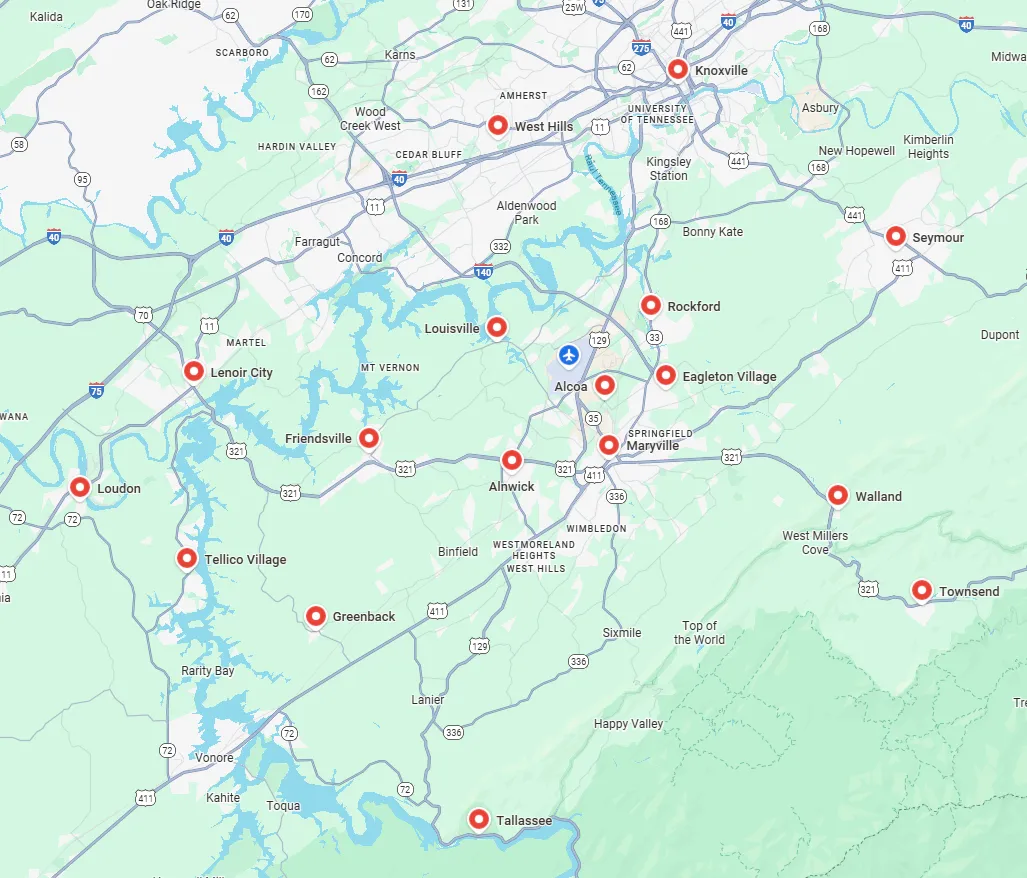


Mini Split Repair in Eagleton Village, TN
Mini Split systems are fantastic for keeping homes in Eagleton Village, TN comfortable and energy-efficient. But when yours acts up, you need a repair team that gets it – both the technical details and how our local weather impacts your system. That's where Everest Air Heating and Cooling comes in. We offer specialized Mini Split repair in Eagleton Village, TN, bringing together skilled diagnostics, repairs that respect manufacturer standards, and straightforward advice to get your ductless system back to dependable, safe operation in no time. For reliable Mini Split repair, think Everest Air Heating and Cooling.
.avif)
Why Mini Split repair matters in Eagleton Village, TN
East Tennessee experiences humid, hot summers and cool winters. In Eagleton Village homes, Mini Splits are commonly used for zone control in additions, bedrooms, basements, and historic houses that lack ductwork. High summer humidity and frequent runtime put stress on compressors, refrigerant circuits, and indoor coils. In winter months, heat-pump-based Mini Splits are regularly relied upon for supplemental heat, which places different demands on defrost controls, sensors, and reversing valves.
Left unaddressed, common Mini Split issues lead to reduced efficiency, uneven comfort, higher energy use, and potential secondary damage like water intrusion from clogged drains or compressor burnout. A timely, professional repair not only restores comfort but protects the larger investment in the system.
Common Mini Split problems we diagnose and repair in Eagleton Village homes
Mini Split systems share a set of frequent failure modes. Everest Air Heating and Cooling focuses on these areas when diagnosing systems in Eagleton Village, TN:
- Refrigerant leaks and low charge
- Symptoms: decreased cooling or heating capacity, frost on the lines, unusual cycling.
- Common causes: line-set corrosion, poorly sealed service ports, vibration wear at fittings.
- Compressor failures and abnormal motor operation
- Symptoms: unit fails to start, loud humming, tripped breakers, or frequent hard starts.
- Common causes: electrical faults, insufficient refrigerant, prolonged overheating, or mechanical wear.
- Electrical faults and control board issues
- Symptoms: units that will not turn on, random shutdowns, error codes, or intermittent operation.
- Common causes: failed capacitors, relays, control boards, or poor power connections.
- Indoor blower, fan, and motor problems
- Symptoms: weak airflow, unusual noises from indoor heads, uneven temperature distribution.
- Common causes: dust buildup, worn motors, damaged fans, or obstructed airflow.
- Sensor and thermostat problems
- Symptoms: incorrect room temps, short cycling, or system running constantly.
- Common causes: failed temperature sensors, loose wiring, or calibration drift.
- Drainage and condensate issues
- Symptoms: water dripping from indoor units, water stains, or mold growth.
- Common causes: clogged condensate lines, misaligned drain pans, or improper installation slope.
- Inverter and variable-speed drive failures
- Symptoms: loss of variable capacity, error codes, or complete unit shutdown.
- Common causes: electrical surges, component aging, or manufacturing defects.
- Refrigerant metering device failures (expansion valves)
- Symptoms: erratic cooling, frosting on the evaporator, or high superheat.
- Common causes: mechanical failure, contamination, or improper charge.
The diagnostic process: what to expect
A reliable repair begins with a systematic diagnostic approach. Everest Air Heating and Cooling technicians follow a clear, step-by-step process when diagnosing Mini Split problems in Eagleton Village, TN homes:
- Arrival and visual inspection
- Inspect indoor and outdoor units for physical damage, debris, or signs of pests.
- Check mounting hardware, line-set routing, and condensate drain alignment.
- Note any visible oil stains that indicate refrigerant leaks.
- System control and history review
- Review operating history and error codes shown on the wall controller or unit display.
- Confirm homeowner observations about sounds, runtime, and comfort patterns.
- Electrical and safety checks
- Test incoming power, fuses, breakers, and disconnects to ensure proper voltage and grounding.
- Inspect capacitors, contactors, and control relays for wear or failure.
- Verify safety interlocks and high/low pressure cutouts are functional.
- Refrigerant system evaluation
- Attach gauges and measure operating pressures and temperatures to determine charge condition.
- Use electronic leak detectors and soap testing as needed to locate leaks.
- Evaluate compressor operation on startup and under load.
- Airflow and indoor performance checks
- Measure airflow from indoor heads and check for restricted return or supply paths.
- Inspect indoor coils and filters for dirt, mold, or restricted fins.
- Confirm proper drain operation by running a test cycle.
- Control and sensor verification
- Test room sensors and thermostats for accuracy and wiring integrity.
- Check control board inputs/outputs and communication between indoor and outdoor units.
- Diagnostic report and repair plan
- Provide a clear explanation of findings, required repairs or parts, and expected time to restore service.
- Discuss warranty implications for OEM parts and manufacturer-covered repairs.
This method reduces guesswork, prevents unnecessary part replacements, and helps protect warranty coverage by documenting the issue and repair steps.
Typical repair procedures and parts replacement
Once the issue is identified, repair actions vary by problem. Common repair procedures performed by Everest Air Heating and Cooling for Mini Splits in Eagleton Village include:
- Refrigerant leak repair and recharge
- Locate and repair leaks through brazing or sealing of line sets and fittings.
- Replace faulty service valves or damaged line sections when required.
- Evacuate the system to remove moisture using a deep vacuum, perform leak verification, then recharge to manufacturer-specified refrigerant type and charge amount.
- Compressor replacement
- Recover refrigerant and remove the failed compressor.
- Replace with an OEM or approved equivalent compressor, change the filter-drier, and inspect the oil type and level.
- Perform vacuum and dehydration, then charge and test the system for correct operation.
- Electrical repairs and control board replacement
- Replace failed capacitors, relays, contactors, or entire PCBs as needed.
- Repair or replace damaged wiring harnesses and secure all electrical connections.
- Update software or control settings where applicable and confirm communication between indoor and outdoor units.
- Inverter and PCB module repair
- Diagnose inverter components and replace drive modules if failed.
- Coordinate manufacturer warranty work for inverters and high-value electronics when covered.
- Indoor unit repairs
- Clean or replace air filters, clean indoor coils, and clear drain lines.
- Replace blower wheels, indoor fan motors, or drain pumps as needed.
- Repair or replace remotes, wall-mounted controllers, or wireless communication modules.
- Metering device replacement (TXV or expansion valve)
- Replace the defective metering device and ensure correct superheat and subcooling after service.
- Line-set and connection replacements
- Replace corroded or poorly insulated line sets.
- Re-braze connections, use proper nitrogen purge during brazing, and insulate suction lines to reduce frost and reduce energy loss.
- Drain and condensate pan repairs
- Clear blockages, install or repair condensate pumps, and replace cracked drain pans to prevent water damage.
All refrigerant work complies with EPA regulations and local codes. Technicians use approved recovery and charging equipment, and they document refrigerant weights and service actions to preserve warranty eligibility.
Manufacturer warranty repairs and OEM parts
Mini Split systems often carry manufacturer warranties for compressors, parts, or entire systems. Everest Air Heating and Cooling has experience working with warranties across major ductless brands and understands the documentation and service requirements that maintain coverage. When a failure appears to be a warranty issue, the repair process typically includes:
- Verifying unit model, serial number, and warranty status.
- Documenting failure symptoms, diagnostic steps, and recommended repairs.
- Coordinating with manufacturer service departments for OEM parts approvals or warranty replacements.
- Using OEM parts whenever required by warranty terms and installing them per manufacturer instructions.
- Providing the required diagnostic and service paperwork to the manufacturer to preserve warranty claims.
Because warranty procedures can vary by brand and part type, accurate documentation and following manufacturer-recommended repair methods are essential. Everest Air Heating and Cooling follows those protocols to avoid voiding coverage.
Emergency response and flat-rate options
Mini Split failures can occur at any time, and some situations require urgent attention to prevent property damage or loss of essential heating or cooling. Everest Air Heating and Cooling offers structured service options that reflect common homeowner needs in Eagleton Village:
- Emergency response
- Rapid-response service for critical failures such as complete compressor failure in extreme weather, refrigerant loss causing frozen coils and potential plumbing issues, or severe electrical faults creating safety concerns.
- Technicians prioritize safety, perform temporary measures to protect the home, and then complete permanent repairs as soon as possible.
- Flat-rate diagnostic or repair options
- For straightforward diagnostic tasks or common repairs, a flat-rate service model can provide predictable pricing and transparency for common labor items or standard parts replacement.
- Flat-rate options are paired with a clear scope of work so homeowners understand what is included and what might be billed separately, such as major component replacements or complex refrigerant recovery.
Both options aim to give homeowners in Eagleton Village confidence in service timing and scope while maintaining high standards for safety and proper repair practices.
Expected repair timelines and what impacts them
Repair timelines vary with the nature of the failure and parts availability. Typical timelines for common issues include:
- Minor repairs and maintenance
- Airflow cleaning, filter replacement, minor electrical fixes, and drain clearing are often completed in a single visit.
- Refrigerant diagnostics and simple leak repairs
- Locating a visible leak and repairing it may be completed on the same day. The system then requires evacuation, leak verification, and recharge—extendable into a follow-up visit if parts or vacuuming time are needed.
- Compressor or major component replacements
- Replacing a compressor, inverter, or outdoor module typically requires ordering specific parts which can extend the repair timeline. Once parts arrive, the physical replacement and commissioning are usually completed in one extended service day.
- Complex or multi-zone system repairs
- Multi-head or large-capacity Mini Split systems may require staged repairs, diagnostic runs, or coordination with manufacturers. Expect longer timelines when multiple components are affected.
Factors that influence repair timelines in Eagleton Village include local parts availability, seasonal demand spikes (hot summer and cold spells), accessibility of the indoor or outdoor units, and whether warranty parts must be ordered through manufacturers.
What influences repair costs (without specific pricing)
Costs are determined by the complexity of the job and the parts required. Key cost drivers include:
- Type of failure and required parts
- Electrical components and filters are typically less expensive to replace than compressors or inverter modules.
- System age and parts availability
- Older systems may require hard-to-find parts or system retrofits, increasing labor and sourcing time.
- Extent of refrigerant service
- Leak repairs and refrigerant recovery, evacuation, and recharge involve specialized equipment and time.
- Accessibility and installation complexity
- Indoor heads in tight spaces, elevated outdoor units, or systems requiring additional line-set work increase labor time.
- Warranty coverage
- Manufacturer coverage for specific components can reduce out-of-pocket cost but may require coordination and time to process claims.
- Local labor and code requirements
- Technicians follow local electrical and refrigerant codes, which can affect the scope and method of repair.
A professional diagnostic provides transparent information about the specific factors affecting the cost of repair for your situation in Eagleton Village.
Safety, codes, and environmental considerations
Everest Air Heating and Cooling follows local and federal regulations for refrigerant handling and disposal. All refrigerant recovery is performed with approved equipment, and technicians use best practices when brazing or making line-set repairs, including nitrogen purging to avoid oxidation. Electrical work complies with local codes and NEC standards. Safety checks after repair include verifying grounding, breaker sizing, and ensuring that the system operates without error codes.
Because East Tennessee weather can prompt long runtimes, it is particularly important to use proper insulation on suction lines and ensure drain lines are routed to prevent freezing or blockage that could lead to indoor water damage.
Preventive maintenance to avoid future repairs
Preventive maintenance dramatically reduces the chance of emergency repairs and extends the life of Mini Split equipment. Recommended maintenance practices for Eagleton Village homes include:
- Biannual inspection and cleaning
- Clean indoor filters, indoor coils, and outdoor condenser coils each spring and fall to keep airflow and heat transfer optimal.
- Check electrical connections and controls
- Inspect capacitors, contactors, and board connections annually to catch wear before it creates failure.
- Inspect line-set insulation and bracket supports
- Replace degraded insulation on suction lines and secure line-sets to reduce vibration wear.
- Test and clean condensate drains and pumps
- Clear blockages and test pump operation to prevent indoor water issues and mold growth.
- Verify refrigerant charge and measure superheat/subcooling
- Seasonal checks of refrigerant levels help identify slow leaks early, which is especially important in humid climates where equipment runs longer.
- Enrollment in a planned maintenance program
- Regularly scheduled inspections reduce emergency calls and keep warranty requirements up to date.
These steps are particularly valuable in Eagleton Village, where seasonal humidity and high summertime loads can accelerate wear on Mini Split components.
How Everest Air Heating and Cooling documents repairs
Accurate documentation is essential for warranty support and long-term service records. Typical documentation provided after repair includes:
- A clear diagnostic summary describing symptoms, tests performed, and findings.
- A list of replaced parts with part numbers and serials when applicable.
- Weight of recovered and recharged refrigerant and type of refrigerant used.
- Test results for electrical measurements, pressures, and temperature differentials.
- Recommendations for further action or preventive maintenance.
This documentation helps homeowners make informed decisions and provides the necessary records for manufacturer warranty claims.
Benefits of timely Mini Split repair in Eagleton Village
Timely repairs deliver immediate and long-term benefits:
- Restored comfort and reliable zone heating or cooling.
- Reduced energy consumption by returning the system to efficient operation.
- Prevention of secondary damage like water intrusion or compressor burnout.
- Preservation of manufacturer warranties through documented, professional service.
- Extended equipment life and improved resale value of the home.
For homeowners in Eagleton Village, proactive attention to Mini Split systems reduces the chances of disruption during seasonal extremes when reliable heating and cooling matter most.
Frequently Asked Questions
Q: How do I know if my Mini Split needs professional repair or just a cleaning?
A: If symptoms are limited to reduced airflow or mild performance decline, cleaning filters and indoor coils may help. Persistent loss of cooling or heating, unusual noises, visible oil stains, frequent cycling, or error codes indicate professional diagnostic testing is needed.
Q: Will refrigerant leaks affect my health or home safety?
A: Refrigerants used in modern Mini Splits are not highly toxic but may displace oxygen in confined spaces and can pose irritation if leaked in large quantities. Leaks also reduce system efficiency and can lead to compressor failure. Professional leak detection and repair protect both equipment and home comfort.
Q: Can you repair any brand of Mini Split system?
A: Technicians experienced with ductless systems can diagnose and repair most major brands. Warranty work for specific manufacturers may require OEM parts and adherence to manufacturer service procedures.
Q: How long does a typical Mini Split compressor replacement take?
A: The physical replacement and commissioning can often be completed in a single extended service day, but ordering the correct compressor, delivering parts, and warranty approvals can extend the overall timeline.
Q: Are repairs covered under manufacturer warranty?
A: Coverage depends on the unit, the specific component, and the warranty terms. Proper documentation, use of OEM parts, and following manufacturer service procedures are necessary to maintain or claim warranty coverage.
Q: Will you perform refrigerant recovery and recharge according to EPA rules?
A: Yes, all refrigerant handling is performed using approved recovery equipment and certified technicians, following federal and local regulations.
Q: How can I reduce the risk of future repairs?
A: Regular preventive maintenance, timely filter cleaning, protecting the outdoor unit from debris, and scheduling professional inspections before peak seasons will reduce the risk of sudden failures.
Q: Do you offer emergency service and flat-rate repair options?
A: Service options include both emergency response for critical failures and flat-rate pricing for common, well-defined repair tasks. Availability may vary seasonally.
Q: Should I replace an older Mini Split or repair it?
A: The decision depends on system age, extent of failure, repair cost versus remaining lifespan, overall efficiency, and whether the unit uses legacy refrigerants or has discontinued parts. A professional diagnostic report will outline the options, costs, and expected outcomes for both repair and replacement.
Q: What should I document or keep after a repair?
A: Maintain records of diagnostic reports, parts replaced, refrigerant weights, and any manufacturer paperwork. This documentation supports warranty claims and helps with future service planning.
Everest Air Heating and Cooling provides the technical expertise and local understanding required to diagnose and repair Mini Split systems in Eagleton Village, TN. With careful diagnostics, proper repair procedures, attention to warranty protocols, and recommendations tailored to local climate and home types, homeowners can restore dependable comfort and protect their HVAC investment.
hear what our satisfied clients have to say

David P.
Service areas