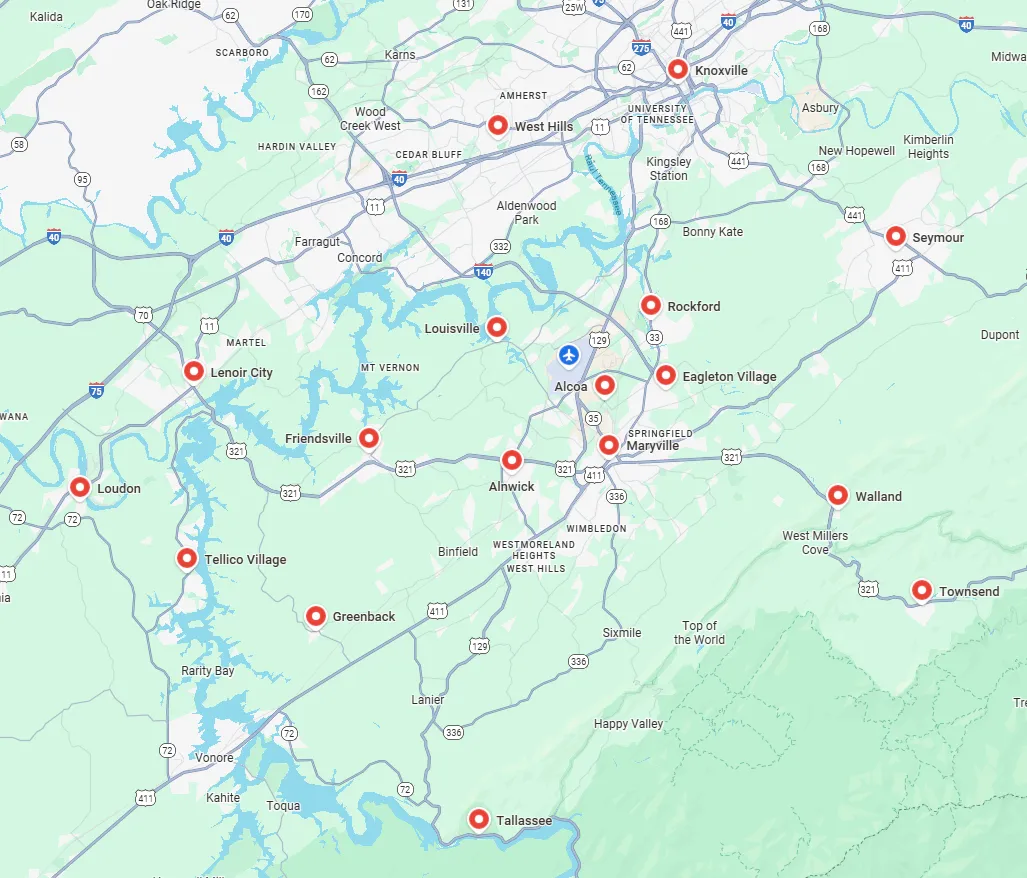


Mini Split Installation in Eagleton Village, TN
Considering Mini Split installation in Eagleton Village, TN? It's a fantastic, energy-efficient way to heat and cool individual rooms or zones without ever needing to mess with existing ductwork. For homeowners across East Tennessee, ductless Mini Splits are a perfect solution for those stubborn comfort problems common in older homes, additions, and the varying seasonal demands brought by our humid summers and cool winters. Everest Air Heating and Cooling brings genuine local expertise to every installation, ensuring accurate load sizing, full code compliance, and a clear installation timeline so your new system delivers reliable comfort and efficiency right from day one.
.avif)
Why a Mini Split makes sense in Eagleton Village, TN
Eagleton Village experiences hot, humid summers and milder winters compared with higher elevations nearby. That weather profile makes variable-capacity, ductless systems particularly effective at controlling humidity and maintaining consistent comfort in specific rooms that see differing solar gain or occupancy. Mini Splits are ideal for:
- Finished basements and bonus rooms where extending ductwork would be invasive
- Room additions, sunrooms, and converted garages that need independent temperature control
- Older homes with minimal or inefficient duct systems
- Bedrooms or home offices where quiet, precise temperature control is important
- Houses that want to add a heating source without replacing the entire HVAC system
Everest Air Heating and Cooling understands how local humidity and sun exposure affect load calculations in Eagleton Village, TN. That local knowledge helps ensure you get the right size system for lasting comfort and operating efficiency.
Common Mini Split installation types and typical use cases
Mini Split installations vary based on home layout, number of zones, and whether a single condenser can support multiple indoor units. Typical configurations include:
- Single-zone systems: One outdoor unit paired with one indoor wall-mounted unit. Best for a single room, basement, or small addition.
- Multi-zone systems: One outdoor compressor connects to two or more indoor units. Good for whole-house multi-room control without full duct replacement.
- Floor-mounted or ceiling cassette indoor units: Used when wall space is limited or when discreet, even distribution of conditioned air is preferred.
- Heat pump Mini Splits for year-round use: Provide both cooling and efficient heating in the shoulder months when outdoor temperatures are moderate.
Choosing between these types depends on your goals: targeted comfort, whole-house zone control, or supplemental heating during winter. Everest Air Heating and Cooling evaluates these needs during the site assessment.
Site assessment and load/size calculations
A successful Mini Split installation begins with a detailed site assessment. Everest Air Heating and Cooling follows a methodical process to determine the right equipment:
- Room-by-room load calculation: We measure square footage, ceiling height, insulation levels, window orientation, and local solar gain. In Eagleton Village, south and west facing rooms can add significant cooling load on summer afternoons.
- Occupancy and usage patterns: Bedrooms, home offices, and media rooms often need different setpoints and runtime assumptions.
- Existing heating and cooling systems: We review complementary systems to ensure new Mini Splits integrate without causing opposing controls or energy waste.
- Electrical availability: We inspect your electrical panel and circuit capacity to determine whether new breakers or service upgrades are needed.
Accurate sizing avoids common problems: undersized units that run constantly and fail to reach setpoints, or oversized units that short cycle and fail to dehumidify properly. Everest Air Heating and Cooling provides professional load calculations and explains the results so you know why a particular capacity was chosen.
Indoor and outdoor unit placement considerations
Proper placement of both indoor and outdoor units is critical for performance, noise control, and aesthetics.
Indoor unit placement
- Centralized air path: Indoor units should be located where airflow is unobstructed, not blocked by furniture or curtains.
- Elevated wall mounting is common, but floor-mounted units are available for low-wall or vaulted rooms.
- Avoid direct placement over seating or sleeping areas to prevent drafts and comfort complaints.
- For multi-zone systems, position units to minimize cross-traffic of conditioned air and maintain individual zone control.
Outdoor unit placement
- Clear airflow: Outdoor condensers need at least 24 inches of clear space around them for proper airflow and service access.
- Noise and neighbor considerations: Choose an exterior wall location that limits noise impact on neighbors and living spaces inside the home.
- Elevation and clearance: In Eagleton Village, where occasional freezing and winter debris can occur, mounting the condenser slightly elevated can reduce snow and standing water exposure.
- Service access and refrigerant run length: Positioning near the indoor unit reduces refrigerant line length, which can improve efficiency and reduce installation complexity.
Everest Air Heating and Cooling will map recommended placements during the site visit and explain tradeoffs between performance and aesthetics.
Refrigerant line and condensate routing
Routing refrigerant lines and condensate drains is a technical part of every installation that affects reliability and indoor air quality.
- Refrigerant line sets: Lines must be sized and routed to minimize bends and to meet manufacturer maximum run lengths. Longer runs require careful vacuuming and charge adjustments to maintain efficiency.
- Insulation: Proper insulation of refrigerant lines prevents energy loss and sweating that can lead to mildew and water damage.
- Condensate removal: Indoor units produce condensate during cooling. Drain lines should slope continuously to an approved exterior drain or to an interior condensate pump where gravity drain is not possible.
- Penetrations and sealing: Wall penetrations for lines are sealed with weather-resistant materials to prevent drafts, moisture intrusion, and pest entry.
- Accessibility: Routing plans consider future servicing, making components accessible without destructive removal work.
During installation, Everest Air Heating and Cooling documents routing and leaves clean, sealed penetrations for long-term reliability.
Electrical requirements and circuit planning
Mini Split systems require dedicated electrical circuits and safe connections to the home service panel.
- Dedicated circuits: Each outdoor condenser typically needs its own breaker sized per the equipment nameplate.
- Disconnects and safety: Local code often requires an external disconnect or fused switch near the outdoor unit for service isolation.
- Service capacity: If your service panel is near capacity, a panel upgrade or subpanel may be necessary to add Mini Split circuits.
- Low-voltage controls and communication wiring: Multi-zone systems use communication lines between outdoor and indoor units. These cables must be routed to avoid interference and protected from damage.
- Surge protection and grounding: Proper grounding and optional surge protection can protect the inverter electronics found in modern Mini Split compressors.
Everest Air Heating and Cooling evaluates electrical needs during the site assessment and outlines required upgrades to meet code and manufacturer requirements.
Permits and code compliance
Permits and adherence to local codes are non-negotiable parts of a compliant installation.
- Local permits: Mini Split installation typically requires a mechanical and/or electrical permit from the municipality or county. In Eagleton Village, TN, local building officials verify mechanical connections and electrical safety.
- Code compliance: Installations must meet the National Electrical Code and local mechanical codes, particularly for refrigerant handling, discharge clearances, and condensate disposal.
- Licensed technicians: Proper refrigerant handling requires EPA-certified technicians. Everest Air Heating and Cooling employs certified installers who follow safe refrigerant recovery and charging practices.
- Inspection coordination: Everest Air Heating and Cooling coordinates with local inspectors as part of the permitting process to ensure the installation passes code review.
Following proper permitting and code compliance protects your home and ensures warranty coverage is maintained.
Typical installation timeline and what to expect during the visit
Understanding the schedule helps reduce surprises and keeps the project on track.
- Pre-installation site visit and quote: 1 visit for load calculations and placement planning.
- Permit acquisition: Time varies depending on local permitting offices. Expect a few days to a couple of weeks in many cases.
- Installation day one: Delivery of equipment, site protection measures, wall penetration drilling, mounting of indoor unit bracket, and preliminary refrigerant line routing.
- Installation day two: Outdoor condenser placement, electrical wiring, vacuuming and refrigerant charging, condensate routing, and final fastening.
- Final testing and walkthrough: Technicians verify electrical connections, refrigerant charge, airflow, thermostat operation, and perform a homeowner walkthrough to explain operation and maintenance.
Most single-zone installations in typical homes are completed in 1 to 2 days once permits are in hand. Multi-zone or complex installs may need additional days for line routing, structural supports, or electrical upgrades. Everest Air Heating and Cooling provides a clear timeline before work begins so you know what to expect during each visit.
Post-installation testing and commissioning
A proper startup includes a comprehensive testing protocol to confirm performance and efficiency.
- Leak testing and vacuum: Refrigerant lines are vacuumed to remove moisture and tested for leaks before charging.
- Refrigerant charge verification: Technicians adjust charge and inverter settings to manufacturer specifications at operating conditions.
- Airflow and temperature delta checks: Measuring supply and return temperatures confirms the unit is delivering the expected cooling or heating capacity.
- Noise and vibration inspection: Both indoor and outdoor units are checked for abnormal noise and secure mounting.
- Drain and safety testing: Condensate drains and float switches are tested to ensure no water leaks or overflow risks.
- Control function check: Remote controls, scheduling, and zone separation are verified.
Everest Air Heating and Cooling documents commissioning results and provides a post-installation checklist for homeowner records.
Warranty information and service coverage
Understanding warranty coverage is important for long-term peace of mind.
- Manufacturer warranty: Most Mini Split manufacturers provide compressor and parts warranties that vary by brand and model. Equipment registration may be required to access full warranty terms.
- Labor warranty: Installer labor warranties cover workmanship issues for a designated period. Everest Air Heating and Cooling provides transparent labor warranty terms specific to each installation.
- Routine maintenance: Warranty conditions often require scheduled maintenance to remain valid. Simple tasks like filter cleaning and annual inspections help protect warranties and maximize system life.
- Extended protection options: Extended parts and labor plans are often available through service providers and can be discussed at the time of purchase.
Everest Air Heating and Cooling reviews warranty terms during the installation process and records registration details so your investment is protected.
Financing, rebates, and energy incentives
Many homeowners can offset upfront costs through financing options and energy incentives.
- Financing availability: Financing options and flexible payment plans help homeowners spread the cost of equipment and upgrades over time.
- Local and federal incentives: Energy efficiency incentives change periodically. Homeowners may qualify for local utility rebates, state programs, or federal tax credits when installing high efficiency heat pump technology.
- Utility programs: Regional utility companies sometimes offer rebates for high SEER or HSPF rated equipment or for heat pump installations that reduce overall grid load.
- Installer guidance: Everest Air Heating and Cooling can help you identify potential incentives and provide the documentation needed for rebate or tax credit applications.
Because incentive programs change, verify current program details before finalizing equipment selection. Everest Air Heating and Cooling will outline likely options based on current local utility trends and your chosen equipment.
Common issues homeowners face and how professional installation prevents them
A professional installation reduces the risk of common problems many homeowners experience with DIY or poorly executed Mini Split installations.
- Improper sizing: Undersized systems run continuously and fail to dehumidify. Oversized units short cycle. Correct load calculations prevent these issues.
- Poor refrigerant charging: Incorrect charge leads to inefficient operation and possible compressor damage. Certified technicians use the right tools and procedures.
- Inadequate condensate routing: Standing water or improper slope can result in leaks or interior damage. Proper routing and pumps prevent overflow.
- Electrical deficiencies: Improperly sized circuits or missing disconnects can create safety hazards and code violations.
- Placement mistakes: Poor unit placement leads to hot or cold spots, noise complaints, and reduced lifespan.
Professional installers like Everest Air Heating and Cooling bring the training and experience to avoid these pitfalls and deliver a reliable, efficient system.
Maintenance and seasonal care for longevity
Regular maintenance keeps Mini Splits operating at peak efficiency and extends lifespan.
- Filter cleaning: Monthly filter checks and cleaning keep airflow unobstructed and maintain indoor air quality.
- Annual Tune-Up: Professional inspections check refrigerant levels, electrical connections, drain lines, and system controls.
- Outdoor unit care: Keep the condenser area clear of leaves, mulch, and debris, particularly in fall and spring.
- Remote and battery checks: Periodically test remotes and replace batteries to avoid operational confusion.
- Pre-season checks: A spring cooling check and fall heating check ensure the system is ready for peak demand.
Everest Air Heating and Cooling offers maintenance plans that align with manufacturer recommendations to keep warranties valid and performance optimized.
Broader benefits of choosing a ductless Mini Split
Beyond immediate comfort, Mini Splits provide several long-term advantages for Eagleton Village homes.
- Energy efficiency: Zoning capability avoids wasting energy conditioning unused rooms. Modern inverter-driven compressors adjust output to match load, saving energy.
- Improved humidity control: Running at lower speeds for longer periods improves dehumidification, a key benefit in humid Tennessee summers.
- Flexible installation: Minimal structural changes preserve living space and allow installations in historic or constrained homes.
- Quiet operation: Indoor units operate quietly, making them well suited for bedrooms and living areas.
- Rapid payback in select scenarios: For homes using space heaters or window units, replacing them with an efficient Mini Split can reduce energy bills and improve comfort quickly.
Everest Air Heating and Cooling evaluates each home to quantify potential savings and comfort improvements so you understand the long-term value.
Frequently Asked Questions
Q: How long does a Mini Split installation typically take in a standard single-room application?
A: Most single-zone installs, once permits are secured, can be completed in one to two days. This includes mounting indoor and outdoor units, routing refrigerant and condensate lines, electrical connections, system charging, and testing. Complex multi-zone systems or electrical panel upgrades may extend the timeline by additional days.
Q: Will I need a permit for Mini Split installation in Eagleton Village, TN?
A: Yes. Mini Split installations generally require mechanical and/or electrical permits from local authorities. Everest Air Heating and Cooling includes permit coordination as part of the installation process to ensure code compliance.
Q: Can a Mini Split provide both heating and cooling for my home?
A: Yes. Most modern Mini Splits are heat pumps that provide both efficient cooling and heating. They perform especially well for supplemental heat or in mild winter conditions typical of Eagleton Village. For extreme cold, they work best in conjunction with a primary heating system unless a cold climate heat pump is selected.
Q: How noisy are Mini Split systems?
A: Indoor units are designed for quiet operation and typically emit low sound levels similar to a quiet conversation. Outdoor units produce moderate sound during high load but are usually quieter than older central air compressors. Proper placement reduces perceived noise inside the home and for neighbors.
Q: What maintenance is required to keep a Mini Split in top condition?
A: Routine homeowner maintenance includes cleaning or replacing filters monthly during heavy use and keeping the outdoor unit free of debris. Annual professional maintenance checks refrigerant levels, electrical connections, and condensate drain function to ensure efficiency and extend equipment life.
Q: Do Mini Splits improve indoor air quality?
A: Mini Splits can improve indoor air quality by providing controlled ventilation in zone-specific areas and by using washable filters to capture dust and allergens. For comprehensive filtration or ventilation upgrades, additional indoor air quality options can be integrated.
Q: Are there rebates or incentives available for installing a Mini Split in Eagleton Village, TN?
A: Incentives vary by program and change over time. Homeowners may qualify for local utility rebates, state incentives, or federal energy efficiency credits for high efficiency heat pump installations. Everest Air Heating and Cooling can help identify potential programs and provide documentation for applications.
Q: How long will a properly installed Mini Split last?
A: With professional installation and regular maintenance, a Mini Split system can last 12 to 20 years depending on usage, local conditions, and maintenance practices. Timely servicing and correct refrigerant charging significantly influence longevity.
Q: Can a single outdoor unit support multiple indoor units?
A: Yes. Multi-zone systems allow one outdoor condenser to support multiple indoor units. This is an efficient way to create multiple temperature zones in a home without multiple outdoor compressors. Proper sizing and line set planning are essential to ensure optimal performance.
Q: Will installing a Mini Split require upgrading my electrical panel?
A: It depends on your existing panel capacity and the size and number of Mini Split units. Many installations require a dedicated breaker for each outdoor unit. Everest Air Heating and Cooling evaluates electrical service during the site assessment and recommends upgrades only when necessary for safety and code compliance.
Everest Air Heating and Cooling brings local, experienced installation practices to Mini Split projects in Eagleton Village, TN. From precise load calculations to permit coordination and post-installation commissioning, the goal is a durable, efficient system that matches your comfort needs and local climate realities. Proper planning and professional execution ensure your Mini Split delivers quiet, zoned comfort and long-term reliability for your home.
hear what our satisfied clients have to say

David P.
Service areas