

Hydronic HVAC in Greenback, TN
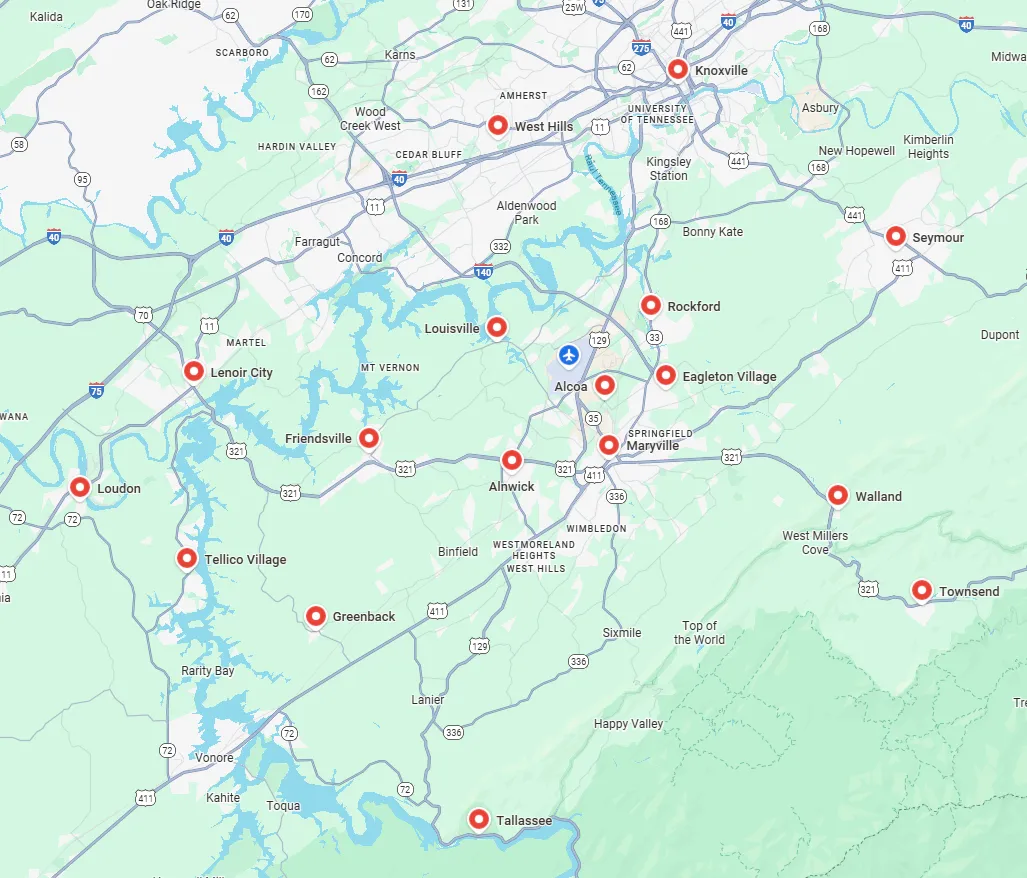
Hydronic HVAC systems stand out as some of the most comfortable and energy-efficient heating options available for homes and businesses in Greenback, TN. Whether you're considering a brand-new boiler and radiant floor system or thinking about retrofitting your current property, understanding how hydronic heating works, its many benefits, and what goes into installation, maintenance, and repair is key. This knowledge will truly help you decide if it's the right investment for your property. At Everest Air Heating and Cooling, we bring our local experience serving Blount, Loudon, Knox, and Sevier counties to every hydronic project, making sure your system is perfectly sized and installed with East Tennessee conditions always in mind.
.avif)
What is hydronic HVAC and how does it work
Hydronic HVAC refers to systems that use heated water to distribute warmth through a building. Instead of forcing hot air through ducts, hydronic systems rely on a central boiler or water heater that warms water and circulates it through a network of pipes to emitters such as:
- Radiant floor tubing installed beneath floor surfaces
- Baseboard convectors along walls
- Radiators or towel warmers
- Fan coil units or air handlers with hydronic coils
The basic components are a heat source (boiler or water heater), circulating pump(s), distribution piping, control valves, and the heat-emitting terminals. Modern systems often include zoning controls, thermostatic valves, and smart thermostats that regulate temperature room by room. Hydronic heating can also integrate with domestic hot water and can pair with high-efficiency condensing boilers, propane units, or electric boilers depending on fuel availability and site constraints.
Why hydronic heating is a strong choice for Greenback, TN homes and businesses
Greenback sits in East Tennessee where winters are cool to occasionally cold and summers can be humid. Hydronic heating is particularly well suited to this climate for several reasons:
- Even, comfortable heat: Radiant floors and hydronic emitters warm surfaces and occupants directly, reducing drafts and cold spots that are common with ducted systems.
- Quiet operation: Circulating pumps and low-velocity water delivery mean less noise than forced-air furnaces and blowers.
- Improved indoor air quality: Hydronic systems do not blow dust or allergens the way ducted systems can, a benefit in older Greenback homes with leaky ductwork.
- Efficient on-demand heat: High-efficiency boilers, especially condensing units, capture more usable energy from fuel and can run more efficiently in the mild-to-cold transition seasons common in East Tennessee.
- Flexibility for tough layouts: Historic or remodel projects in Greenback with tricky floorplans or no existing ductwork can often use radiant floors or baseboard hydronic systems as an elegant solution.
Common hydronic system types and where they work best
- Radiant floor heating: Ideal for slab or framed floors, radiant heat provides consistent floor-to-ceiling warmth. Great for living rooms, bathrooms, and entire homes with open floor plans.
- Boiler with baseboard convectors: Simple and cost-effective for retrofit projects, baseboards mount along perimeter walls and pair well with traditional or condensing boilers.
- Radiators: Cast-iron and modern panel radiators work well in commercial spaces and older residential properties where visible radiators are acceptable.
- Hydronic fan coils and air handlers: Combine with ductwork to provide hydronic-to-air heat exchange for buildings that already have duct systems.
- Combination systems: Hydronic systems can serve both space heating and domestic hot water with the right boiler and controls.
Installation and retrofit options in Greenback properties
Hydronic installation varies by property age, foundation type, and aesthetic preferences. Typical pathways include:
- New construction radiant slab: PEX tubing is embedded in a concrete slab and connected to a boiler. This is efficient and works exceptionally well in single-story or slab-on-grade homes.
- Joist-mounted radiant for framed floors: For homes with crawlspaces or framed floors, tubing can be installed on top of subfloor with thin screed or integrated with engineered flooring systems.
- Retrofit with baseboard convectors: When removing old furnaces or adding hydronic services without disturbing floors, baseboard convectors offer a low-impact retrofit method.
- Hybrid systems: Combine a hydronic boiler for heating and a ducted air system for summer cooling. This is common in Greenback where humidity control in summer is important.
- Boiler replacement and repiping: Older boilers can often be replaced with high-efficiency condensing boilers, and piping can be modernized with PEX to reduce leaks and improve system life.
Local building characteristics matter in Greenback. Houses built decades ago may have crawlspaces, older slab foundations, or limited attic access. That affects which radiant approach is most effective and how labor-intensive installation will be. Proper design assesses heat loss, floor construction, and homeowner usage patterns.
The hydronic installation process: what to expect
A professional hydronic installation follows clear steps to deliver reliable, efficient heating:
- Heat load and design assessment: Accurate heat loss calculations for each room determine boiler size and tubing layout. Underestimating load is a common cause of poor comfort and higher operating costs.
- Zone planning and controls: Zoning allows independent temperature control for bedrooms, living areas, and commercial spaces. Zones use thermostats and zone valves or multiple circulating pumps.
- Boiler selection and placement: Choose between condensing gas, propane, electric, or heat-pump-assisted boilers based on fuel supply and efficiency goals.
- Piping and tubing layout: PEX tubing or copper piping is installed per the design, with manifolds positioned for ease of service.
- Insulation and thermal barrier work: Proper insulation under slab or between joists preserves heat and efficiency. Edge insulation prevents heat loss to the exterior.
- System flushing and commissioning: The system is flushed, filled, balanced, and tested for leaks. Controls are programmed and flow rates adjusted for optimal comfort.
- Documentation and operation training: Clear user guidance on thermostat operation, seasonal checks, and any routine tasks is provided.
A correctly planned installation minimizes future service calls and maximizes operational efficiency.
Boilers, fuel choices, and efficiency considerations
- Condensing gas boilers: High efficiency because they recover latent heat from exhaust gases. Best when natural gas is available in the neighborhood.
- Propane boilers: Common where gas mains are not nearby. Modern propane condensing units approach gas boiler efficiencies.
- Electric boilers: Simple to install and low maintenance but typically more expensive to operate unless paired with renewable electricity or when used in moderate climates.
- Biomass or pellet boilers: An option for rural properties but require space for fuel storage and more frequent maintenance.
- Modulating boilers: Vary output to match demand, reducing cycling and improving comfort and efficiency.
Selecting fuel and boiler type should factor local fuel access, energy prices in Tennessee, and expected run times given Greenback winters.
Maintenance, diagnostics, and common repairs
Regular maintenance keeps hydronic systems running efficiently and reduces emergency repairs. Key maintenance tasks include:
- Annual boiler Tune-Up: Clean combustion components, check heat exchanger condition, calibrate gas pressure or fuel input, and verify venting and combustion safety.
- Flushing and water treatment: Sediment, corrosion, and mineral deposits reduce heat transfer and can clog tubing. Periodic flushing and chemical treatment prevent buildup.
- Pump inspection and replacement: Circulating pumps are mechanical and wear over time. Listen for noise and check for reduced flow which indicates failing bearings or air entrapment.
- Valve and zone checks: Exercise zone valves and test thermostatic controls. Replace failing zone valves early to avoid uneven heating.
- Leak detection and pipe repair: PEX reduces leaks but fittings can fail if improperly installed. Check manifolds, hose bibs, and underfloor access points.
- Expansion tank and pressure checks: Ensure proper system pressure and functioning expansion tanks to prevent pressure-related failures.
Common repairs handled in Greenback homes and businesses include:
- Boiler ignition or flame failure issues
- Leaking or corroded heat exchangers
- Airlocks in the distribution piping causing cold spots
- Failed circulation pumps or motor bearings
- Thermostat or control board failures
- Pipe freeze damage during deep cold snaps
Everest Air Heating and Cooling emphasizes preventive maintenance to avoid sudden breakdowns, especially during Tennessee cold fronts.
Troubleshooting common hydronic issues
- Uneven heating across zones: Often caused by air trapped in loops, a failed zone valve, or incorrectly balanced flow. Solution includes bleeding the system, verifying pump flows, and checking thermostatic settings.
- No heat at all: Check boiler power, fuel supply (gas or propane), ignition system, and low-water cutoffs. Modern boilers include error codes that guide diagnostics.
- Strange noises: Gurgling typically indicates trapped air; knocking or banging can point to expansion issues, high velocities, or kettling from scale inside the heat exchanger.
- High operating pressure or repeated relief valve activation: Could be a failed expansion tank or overpressurization from thermal shock. Test the expansion tank and system pressure settings.
- Odors when running: Combustion gases or burning dust from initial startup can be signs of dangerous venting or combustion issues. Prompt diagnosis of venting and combustion is essential.
- Gradual efficiency drop: Often due to fouled heat exchangers, improper combustion, or scale buildup on piping reducing heat transfer.
Clear diagnostic steps and access to original installation documentation lower repair times and increase long-term reliability.
Piping materials and what to expect in repairs
Piping choices affect durability and repair complexity:
- PEX: Flexible, corrosion-resistant, and easier to install and repair than copper. PEX fittings and manifolds make zoning straightforward.
- Copper: Durable and long-lived but requires soldering and is prone to corrosion in certain water chemistries.
- Steel and iron: Found in older systems; heavy and prone to corrosion. Replacing sections with PEX or copper is a common upgrade during boiler replacements.
When assessing repair needs, technicians look at leak origin, age of fittings, water chemistry, and accessibility. Upgrading to PEX and modern manifolds is common in Greenback retrofits because of the lower risk of corrosion and the faster repair times.
Suitability for residential and commercial properties
Hydronic systems scale well from single-family homes to larger commercial buildings:
- Residential benefits: Radiant floors increase comfort without ductwork, ideal for homeowners in Greenback renovating kitchens, bathrooms, additions, or historic homes where aesthetics matter.
- Commercial benefits: Boilers can be centralized to serve multiple zones and floors. Hydronic distribution is reliable for office buildings, retail spaces, and light industrial facilities where quiet, consistent heat is preferred.
- Multi-family or mixed-use retrofit: Centralized boilers with metering or substation controls allow efficient heating across multiple units when regulations and space allow.
System design for commercial projects must comply with commercial codes and handle larger distribution losses, so professional engineering and proper equipment sizing are essential.
Controls, zoning, and efficiency optimization
Smart controls and zoning are where hydronic systems shine:
- Room-level thermostats and thermostatic radiator valves allow tailored comfort without wasting energy.
- Outdoor reset controls adjust boiler water temperature to outside conditions, reducing energy use in milder weather common in East Tennessee.
- Zoning minimizes energy waste by heating only occupied spaces.
- Integration with smart thermostats and building management systems provides remote monitoring and data for preventive maintenance.
Efficiency improvements often come from combining a high-efficiency condensing boiler with outdoor reset and properly insulated piping.
Permits, codes, and safety considerations in Greenback, TN
Local codes and permit requirements in Loudon County and surrounding jurisdictions apply to boiler installations, venting, and fuel line work. Important considerations include:
- Proper venting and combustion air supply
- Backflow prevention and safe connections to domestic water when combining systems
- Fuel-specific regulations for gas and propane installations
- Electrical permits for controls and pump wiring
- Boiler room clearances and combustion safety devices
Reliable installations follow code and include safety devices such as pressure relief valves, low-water cutoffs, and combustion monitoring.
Long-term benefits and maintenance advice
Hydronic systems provide stable comfort, lower noise, and better indoor air quality when properly designed and maintained. For Greenback homeowners and building managers, key long-term advice includes:
- Invest in an annual boiler inspection to catch combustion and heat-exchanger issues before they reduce efficiency.
- Flush and treat system water on recommended schedules to avoid scale and corrosion, particularly if local water hardness is a factor.
- Replace older single-speed pumps with variable-speed circulators to save electricity and reduce wear.
- Insulate exposed piping and manifolds in unconditioned spaces like crawlspaces or attic areas to lower heat loss.
- Consider outdoor reset controls and zoning upgrades during mid-life system improvements to gain ongoing operating savings.
Proper care extends equipment life, improves winter reliability, and keeps operational costs predictable.
Frequently asked questions
Q: How long does a hydronic boiler typically last?
A: Modern condensing boilers can last 15 to 25 years with proper maintenance. Non-condensing units and poorly maintained systems may fail sooner due to corrosion and scale.
Q: Can I install radiant floors in an existing Greenback home without major demolition?
A: Yes. Options include thin-slab overlays, joist-mounted systems, or using baseboard hydronic retrofits depending on your floor construction and how much floor height you can add.
Q: Will hydronic heating work with my existing ducted AC system?
A: Hydronic heating can coexist with ducted AC. Common approaches use a hydronic boiler for heat while retaining the air conditioning system for summer cooling, or install hydronic fan coils integrated into ductwork.
Q: Are hydronic systems more expensive to install than forced-air systems?
A: Initial costs for full radiant floor installations are often higher than conventional forced-air heating, but efficiency, comfort, and reduced operating costs can offset that over time. Retrofit strategies such as baseboards reduce upfront costs.
Q: What causes a hydronic system to have cold spots on the floor?
A: Cold spots are usually caused by air trapped in the tubing, improper spacing or layout, inadequate insulation under the tubing, or insufficient flow due to pump issues or a badly matched system.
Q: How do I protect my hydronic system from freezing during extreme cold?
A: Maintain a low-level constant circulation, use antifreeze solutions where appropriate, and ensure exposed pipes in crawlspaces and exterior walls are insulated. Automatic freeze protection controls can also be installed.
Q: Can hydronic heating reduce my energy bills?
A: Hydronic systems with condensing boilers and proper controls often operate more efficiently than older forced-air furnaces, particularly for homes that benefit from radiant heat distribution and zoning.
Q: Is PEX piping reliable for hydronic systems?
A: PEX is widely used because it is flexible, corrosion-resistant, and easier to install and repair than rigid materials. Correctly installed PEX with quality fittings provides long-term reliability.
Q: What are common indicators the boiler needs service?
A: Increased fuel consumption, longer run cycles, strange noises, visible leaks, fluctuating pressure, or frequent ignition failures all indicate the need for professional service.
Q: Are there local considerations specific to Greenback for hydronic systems?
A: Yes. Consider crawlspace insulation, potential for freeze events, local fuel availability, and the age of housing stock. Proper design accounts for these factors to ensure reliable performance.
Everest Air Heating and Cooling applies local knowledge of Greenback and surrounding counties to design hydronic solutions that match building types and owner expectations. Thoughtful system selection, attention to controls and zoning, and a strong preventive maintenance plan are the most effective ways to enjoy the comfort and efficiency hydronic HVAC provides.
hear what our satisfied clients have to say

David P.
Service areas