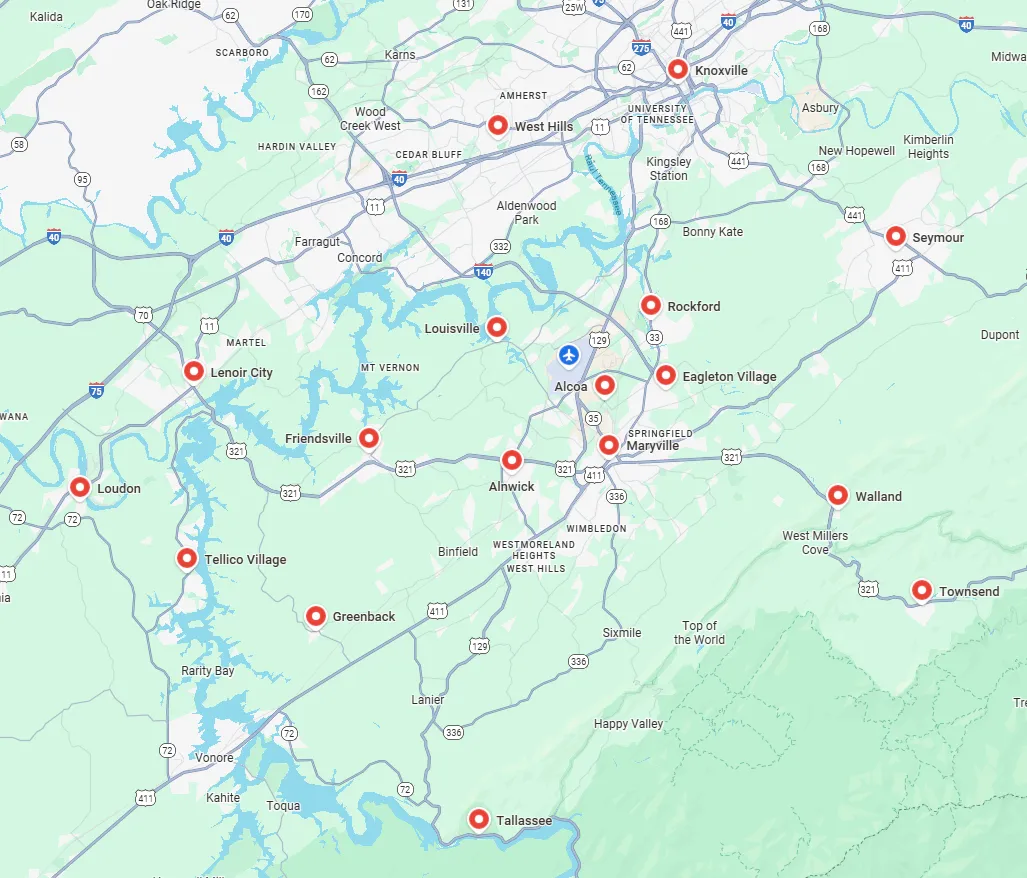


HVAC Repair in Greenback, TN
Keeping your home comfortable and safe year-round in Greenback, TN depends on a reliable heating and cooling system. Everest Air Heating and Cooling provides diagnostic and repair services tailored to the unique needs of Greenback homes and small businesses, where hot, humid summers and occasional cold snaps put stress on HVAC equipment. We're here to explain common HVAC failure symptoms in this area, how our emergency and rapid-response procedures work, our transparent flat-rate service call policy and typical repair workflow, warranty practices, and practical tips to reduce future problems. Our goal at Everest Air Heating and Cooling is to give you clear, expert information so you know exactly what to expect when your system needs attention.
.avif)
Why HVAC repair matters in Greenback, TN
Greenback experiences humid summers that make air conditioners work harder and can accelerate coil corrosion and mold growth. Winters can bring cold snaps that stress furnaces and heat pumps. Many local homes have long duct runs, older equipment, or homes with mixed heating fuels, which increases the need for precise diagnostics and effective repairs. Timely HVAC repair reduces energy costs, restores comfort fast during extreme weather, prevents safety hazards, and helps preserve system life and manufacturer warranties.
Common HVAC problems in Greenback homes and what they mean
Below are the most frequent problems we encounter in Greenback and why they typically happen.
- No cooling or no heat
- Causes: failed compressor, refrigerant leak, failed ignition component, failed heat pump reversing valve, or electrical power issues.
- Why it matters: complete loss of climate control during peak heat or cold is a priority for safety and comfort.
- Short cycling or frequent on/off cycles
- Causes: clogged filters, oversized thermostat settings, low refrigerant, failed control board, or a failing compressor.
- Why it matters: short cycling increases wear and energy costs and can lead to premature compressor failure.
- Uneven temperatures or weak airflow
- Causes: clogged filters, dirty evaporator coil, failing blower motor, closed or leaking ducts, or balance issues in zoning systems.
- Why it matters: rooms that never reach set temperature indicate airflow or duct problems that reduce comfort and efficiency.
- Strange noises or smells
- Causes: loose components, failing fan motors, compressor issues, electrical arcing, mold or burned wiring.
- Why it matters: unusual noises or burning smells signal components that should be inspected immediately for safety and to avoid bigger damage.
- Frozen evaporator coil or ice on outdoor unit
- Causes: low refrigerant, restricted airflow, malfunctioning defrost control on heat pumps, or clogged drain pans.
- Why it matters: ice reduces cooling capacity and can cause compressor damage if left unchecked.
- Tripped breakers or electrical failures
- Causes: shorted motor, failing capacitor, contactor problems, or electrical surges after storms.
- Why it matters: electrical faults present safety risks and can lead to repeated outages for your system.
- High energy bills or declining performance
- Causes: worn components, dirty coils, low refrigerant, poor thermostat calibration, or duct leakage.
- Why it matters: inefficiency means higher monthly costs and stresses the system components.
- Water leaks or clogged condensate drain
- Causes: blocked condensate line, overflowing drain pan, disconnected lines, or failed condensate pump.
- Why it matters: water in the home or around the system can cause mold, rot, and electrical hazards.
Understanding the symptom helps prioritize the urgency of a repair and identify interim measures to protect your home and system.
Emergency and rapid-response procedures
When conditions require immediate attention, such as loss of heat in winter or complete AC failure during a heat wave, Everest Air Heating and Cooling follows a clear rapid-response protocol to diagnose and stabilize the situation quickly and safely.
- Initial triage
- We collect symptom details, run through a checklist with the homeowner to identify obvious safety issues, and determine whether the situation needs an emergency dispatch.
- Safety first
- Technicians begin with electrical isolation, gas shutoff verification for furnaces, and carbon monoxide screening when combustion appliances are involved.
- Temporary stabilization
- If a full repair cannot be completed immediately, technicians implement safe temporary measures to restore basic comfort. Examples include resetting breakers, replacing accessible fuses or capacitors, clearing a condensate drain, or recommending safe portable heating or cooling methods while a replacement part is sourced.
- Onsite diagnostics and prioritization
- The technician evaluates what must be repaired to make the system safe versus what can wait, and communicates the diagnostic findings and repair options clearly and simply.
- Parts and return visits
- For complex failures that require specific parts, the technician will secure required components and schedule a follow-up visit for complete repair, documenting the interim steps taken.
- Documentation and warranties
- Every emergency repair includes a written report of the findings, the work completed, and warranty information for replaced parts and labor.
This rapid-response approach balances speed, safety, and long-term system health so Greenback residents get reliable results under pressure.
Typical HVAC repair workflow
Repairs follow a consistent, transparent process so you know what to expect from initial diagnosis through testing and completion.
- Service call and flat-rate diagnostic policy
- Everest Air applies a flat-rate service call/diagnostic fee that covers the technician travel time, a thorough on-site inspection, and initial diagnostics. This fee is documented up front and applied to the visit. If a repair is performed during the same visit, diagnostic charges and the work scope are explained and accounted for before proceeding.
- Initial inspection and safety checks
- Technicians verify system power and controls, check gas lines and combustion safety where applicable, inspect for visible damage, and perform basic airflow checks.
- Advanced diagnostics
- Tools and tests used include multimeter checks for electrical components, refrigerant pressure gauges, temperature split measurements, condensate and drain inspections, combustion analyzers for gas equipment, and duct leakage or airflow assessments as needed.
- Diagnosis and options review
- After completing diagnostics, the technician explains the root cause, recommended repair options, and any tradeoffs between repair versus replacement in plain language. This includes expected lifespan after repair, energy impacts, and warranty information.
- Parts replacement and repair
- Using approved parts, the technician performs the repair work following manufacturer specifications and industry best practices. Where possible, OEM parts are used; when suitable aftermarket parts are chosen, compatibility and warranty implications are explained.
- System testing and optimization
- Post-repair testing ensures proper electrical characteristics, correct refrigerant charge and pressures, proper airflow, thermostat calibration, and stable cycling. Technicians run the system through a test cycle to confirm performance under load.
- Final walkthrough and documentation
- The technician walks through the completed work, shows replaced components, provides service documentation, and explains warranty coverage and recommended next steps.
This workflow emphasizes safety, clear communication, and work quality, which minimizes the likelihood of repeat trips and maximizes system longevity.
Flat-rate service call policy examples
To keep billing predictable and transparent, Everest Air Heating and Cooling uses a flat-rate diagnostic policy that is documented for every visit. Examples of how that policy applies:
- Diagnostic-only visits
- The flat-rate service call covers arrival, a full system inspection, basic testing, and a written diagnostic report. This is billed when no further repairs are performed on that visit.
- Same-visit repairs
- If a repair is completed during the initial visit, the diagnostic fee is applied to the overall invoiced repair cost. The technician explains what is covered by the flat-rate diagnostic and what additional parts and labor will cost before beginning work.
- Complex or multi-visit repairs
- When a job requires special-ordered parts, the initial flat-rate diagnostic still covers the primary inspection and temporary stabilization. Follow-up visits for parts installation are documented, and warranty starts on the completed repair.
- Emergency situations
- Emergency response follows the same flat-rate diagnostic approach for inspection and initial stabilization, with any additional work documented separately.
This approach gives homeowners clarity up front and avoids surprise charges while ensuring thorough diagnostics are performed whenever a technician is dispatched.
Parts, quality, and warranties
Quality parts and dependable workmanship are central to successful repairs. Everest Air Heating and Cooling uses parts and practices designed to protect performance and safety.
- Parts selection
- Technicians prioritize OEM parts when possible for compatibility with the original equipment. For discontinued or legacy systems, approved aftermarket parts that meet or exceed specifications may be used, with full disclosure.
- Warranty coverage
- Most repairs include a written warranty on parts and labor. Typical warranty structures include manufacturer part warranties where applicable and a company labor warranty on the repair work performed. Warranty durations vary with the part and repair type and are provided in the repair documentation.
- Warranty registration and records
- After completing a repair, Everest Air documents the work and provides instructions for warranty claims and any required registration so homeowners are protected.
- Quality assurance
- All repairs follow manufacturer installation and service guidelines. Work is inspected and tested to ensure it meets expected performance and safety standards.
Transparent warranty terms and consistent quality practices help Greenback homeowners make informed decisions and protect their equipment investment.
Common repair solutions explained in plain language
Below are common repairs you will likely encounter in Greenback, an explanation of what each repair involves, and why it is the correct solution.
- Refrigerant leaks and compressor failures
- Symptom: Loss of cooling, low pressure readings, or frozen coils.
- Repair: Locate leak using pressure testing and electronic detectors, repair or replace the leaking component, evacuate and recharge refrigerant to proper specifications, and test system under load. If the compressor is failed, removal and replacement is more involved and includes proper refrigerant recovery and system integrity checks.
- Capacitor and contactor replacements
- Symptom: Outdoor unit will not start, humming noise, or intermittent operation.
- Repair: Replace the run capacitor or contactor with a properly rated part, inspect related wiring and start components, and test for correct motor operation. These repairs are common and restore reliable starting and running performance.
- Blower motor and fan repairs
- Symptom: Weak airflow or unusual noises from the air handler.
- Repair: Replace or repair the blower motor and bearings, clean the blower wheel, confirm proper belt tension if applicable, and balance the assembly for smooth operation.
- Thermostat and control failures
- Symptom: System will not respond to thermostat settings or cycles incorrectly.
- Repair: Test control signals and wiring, recalibrate or replace the thermostat, and verify compatibility with the system. Smart thermostats may need configuration for heat pumps or multi-stage equipment.
- Heat exchanger and ignition system issues
- Symptom: No heat, pilot failure, repeated ignition attempts, or safety lockouts.
- Repair: Inspect the ignition control, flame sensor, and gas valve; clean or replace the flame sensor; test combustion safety switches; and evaluate the heat exchanger for cracks or corrosion. Cracked heat exchangers require careful evaluation for safety and may necessitate replacement.
- Condensate drainage and overflow repairs
- Symptom: Water leaks near indoor unit, error codes, or shutdown due to overflow.
- Repair: Clear clogged condensate lines, repair or replace condensate pumps, and ensure proper slope and drainage to prevent future backups.
- Duct sealing and airflow optimization
- Symptom: Uneven temperatures, dusty vents, or unusually high energy use.
- Repair: Inspect and identify leaks or obstructions in accessible ductwork, seal joints with approved materials, and recommend insulation or balancing adjustments to restore even airflow.
Each repair type includes testing to confirm effectiveness and documentation of replaced parts and their warranty coverage.
Preventive tips to avoid future HVAC repairs in Greenback
Routine care reduces emergency failures and keeps running costs low. These practical tips are tuned to the Greenback climate and common local conditions.
- Change or clean filters regularly
- Replace disposable filters every 1 to 3 months depending on usage, pets, and pollen levels. Cleanable filters should be maintained per manufacturer guidelines.
- Keep the outdoor unit clear
- Trim vegetation and clear debris around the outdoor condenser to maintain airflow. Pollen-heavy springs in East Tennessee can cause coils to become dirty quickly.
- Schedule seasonal checkups
- Annual or biannual inspections catch problems before they become major. Pre-summer A/C checks and pre-winter heating checks are especially important in Greenback.
- Monitor refrigerant and airflow
- Watch for symptoms of low refrigerant or reduced airflow and address them early to avoid compressor damage.
- Protect against power surges
- Storms can cause electrical damage to HVAC controls. Use whole-home surge protection or dedicated surge devices for HVAC equipment when possible.
- Maintain proper attic and duct insulation
- Heat gain and loss through poorly insulated attics or ducts increases run time and strain on equipment in both seasons.
- Keep vents and return grilles unobstructed
- Furniture or curtains that block returns and supply registers reduce system efficiency and can cause issues like frozen coils.
- Enroll in a preventive maintenance plan
- A regular maintenance plan reduces surprise breakdowns by keeping the system tuned to manufacturer specifications. Everest Air Heating and Cooling offers maintenance programs designed to fit the needs of Greenback homes and the regional climate.
These steps reduce repair frequency, extend system life, and maintain comfortable indoor environments throughout the year.
What to expect during a repair visit
Knowing the standard expectations helps homeowners feel confident during a repair.
- Professional arrival and identification
- Technicians arrive in uniform, carry identification, and begin with a brief review of the issue.
- Clean and respectful work
- Work areas are protected and cleaned after service to minimize disruption in the home.
- Clear explanation of findings
- The technician explains the diagnosis in nontechnical language, provides options for repair, and outlines warranty coverage for the work.
- Testing and verification
- Once repairs are completed, the system is tested under realistic conditions to verify performance and stability.
- Written documentation
- A written report details what was done, which parts were replaced, and the warranty terms for the repairs.
These expectations are part of Everest Air Heating and Cooling’s commitment to transparent, high-quality service.
FAQs
Q: How quickly can I expect a technician to arrive for an HVAC emergency in Greenback, TN?
A: Response times vary with demand and weather conditions. Everest Air prioritizes emergency calls during temperature extremes and follows a rapid-response protocol to assess safety and stabilize systems quickly. The service visit always includes a complete inspection and documented findings.
Q: Will the diagnostic fee be waived if I authorize repairs during the same visit?
A: Under the flat-rate service call policy, the diagnostic fee is applied to the overall repair invoice when repairs are authorized and completed during the same visit. This policy is explained before work begins.
Q: What warranties come with HVAC repairs?
A: Most repairs include a written warranty on parts and labor. Manufacturer warranties may also apply for OEM parts. The specific warranty length and terms are provided in the service documentation for each repair.
Q: Can you repair older or discontinued HVAC units?
A: Yes. Everest Air examines older units to determine whether repairs are feasible and cost effective. When parts are discontinued, technicians identify compatible solutions, explain tradeoffs, and document warranty coverage.
Q: What temporary measures can I take before a technician arrives?
A: For cooling loss, run ceiling fans, close blinds during peak sun, and avoid nonessential heat sources. For heating loss, layer clothing, seal drafts, and use safe supplemental heating. If you detect gas smells or carbon monoxide alarms, evacuate and follow safety procedures immediately.
Q: Do you work on heat pumps as well as gas furnaces and central air systems?
A: Yes. Everest Air services and repairs heat pumps, gas furnaces, central AC systems, ductless Mini Splits, and associated control systems. Technicians are trained to handle common and complex HVAC technologies used in Greenback homes.
Q: How can I reduce the likelihood of emergency breakdowns during summer or winter?
A: Regular maintenance, timely filter changes, keeping the outdoor unit clear of debris, and enrolling in a maintenance plan reduce emergency breakdown risk. Addressing minor symptoms like weak airflow early prevents major failures.
Everest Air Heating and Cooling’s diagnostic-first approach, clear flat-rate policy, and emphasis on safety and warranties help Greenback homeowners make informed decisions when repairs are needed. With regular preventive care and timely repairs, most HVAC problems are manageable and predictable. If a repair is necessary, understanding the diagnostic and repair process, what is covered by warranties, and how to prevent repeat issues will help ensure reliable indoor comfort through the hot, humid summers and colder winter periods typical of the area.
hear what our satisfied clients have to say

David P.
Service areas