

HVAC Tune-Up in Friendsville, TN
Thinking about the best ways to keep your Friendsville, TN home cozy, your energy bills in check, and avoid those annoying mid-season breakdowns? An annual HVAC Tune-Up is absolutely key. At Everest Air Heating and Cooling, we don't just do a quick visual check; our Tune-Up packages are designed to be incredibly thorough. We dive into safety inspections, check filtration, perform refrigerant and electrical diagnostics, calibrate your thermostat, lubricate moving parts, conduct performance testing, and give you clear recommendations to boost efficiency and prevent breakdowns right when you need your system most. For Friendsville residents, with humidity, seasonal pollen, and those rapidly shifting spring and fall temperatures constantly challenging HVAC systems, an Everest Air Heating and Cooling professional Tune-Up truly is an essential investment in your year-round comfort and peace of mind.
.avif)
Why a professional HVAC Tune-Up matters in Friendsville, TN
Friendsville sits in the foothills of the Smoky Mountains and experiences humid summers, variable springs, and occasional cold snaps in winter. That climate profile increases system runtime for air conditioning in summer and intermittent heating needs in shoulder seasons. Those conditions lead to common problems such as clogged filters from seasonal pollen, corroded outdoor coils from persistent humidity, and moisture-related drain blockages. A professional Tune-Up addresses these regionally common issues before they develop into costly failures.
Beyond climate, many homes in the Friendsville area are older or have ductwork that runs through crawlspaces and attics. Poor insulation and duct leaks reduce efficiency, force equipment to work harder, and shorten system life. A comprehensive Tune-Up not only restores proper operation but identifies opportunities to improve home comfort and reduce utility bills.
Common HVAC problems in Friendsville homes
- Clogged filters and reduced airflow due to high pollen and seasonal dust.
- Outdoor condenser unit obstruction from leaves, grass, and debris.
- Refrigerant undercharge or slow leaks from older lines or connections.
- Corroded coils and electrical contacts from humidity and temperature cycles.
- Thermostat drift or inconsistent temperature control in homes with older thermostats.
- Blocked condensate drains and pan overflows because of algae and debris build up.
- Increased energy bills and uneven room temperatures caused by duct leaks or insulation issues.
- Unusual noises from motors, bearings, or fans that indicate wear or misalignment.
What a full HVAC Tune-Up covers
A thorough Tune-Up gives you peace of mind and a clear picture of system health. Everest Air Heating and Cooling follows a structured Tune-Up package that includes these core elements:
- Safety inspection
- Check gas connections, burners, pilot or ignition systems for natural gas or propane furnaces.
- Test for carbon monoxide where applicable and verify safe ventilation.
- Inspect electrical safety switches and emergency shutoffs.
- Filter evaluation and replacement
- Inspect air filter type and condition.
- Replace or recommend upgraded filtration to improve indoor air quality and airflow.
- Refrigerant system check
- Measure refrigerant pressures and temperature differentials to assess system charge.
- Inspect lines and fittings for signs of leaks or oil residue.
- Advise on leak repair when necessary; top off refrigerant only after diagnosis.
- Electrical inspection and tightening
- Inspect and tighten electrical connections at the breaker, outdoor unit, contactor, and control board.
- Test capacitors, relays, fuses, and motors for wear or impending failure.
- Thermostat calibration and controls
- Verify thermostat operation and recalibrate setpoints if needed.
- Confirm proper communication between thermostat and air handler or furnace.
- Evaluate thermostat location and recommend relocation or upgrade for better performance.
- Lubrication of moving parts
- Lubricate fan and motor bearings where the manufacturer allows.
- Inspect belts and pulleys for wear and proper tension; replace if needed.
- Airflow and performance testing
- Measure temperature split across the evaporator coil to ensure adequate cooling capacity.
- Evaluate blower speed and airflow patterns to detect blockages or duct problems.
- Inspect condensate drainage and test pump operation where installed.
- Coil cleaning and condenser care
- Clean evaporator and condenser coils to restore heat transfer efficiency.
- Straighten bent fins and remove debris from the outdoor unit surroundings.
- Duct and attic visual inspection
- Look for disconnected ducts, obvious leaks, or insulation gaps.
- Identify areas where airflow imbalances lead to hot or cold rooms.
- Final report and recommendations
- Provide a clear summary of findings, prioritized repairs, and upgrades that improve efficiency and reliability.
- Note any safety concerns and recommended timelines for action to avoid mid-season failures.
Step-by-step Tune-Up process you can expect
- Arrival and system history
- The technician confirms your system model, age, recent repairs, and any symptoms you have observed. This helps target known trouble spots and tailor the inspection.
- Safety first
- Power is isolated and safety checks are completed. For gas systems, combustion and ventilation are inspected to ensure safe operation.
- Filters, access, and basic cleaning
- Filters are inspected and changed if part of the package. Return grills and vents are checked and cleared. Accessible debris around the outdoor unit is removed.
- Electrical and control diagnostics
- All major electrical connections are visually inspected and mechanically tightened. Key electrical components are tested for proper function and load.
- Refrigerant and cooling cycle assessment
- With the system operating, the technician measures refrigerant pressures and temperature differences to evaluate charge and heat exchange efficiency.
- Airflow and blower checks
- Blower assembly and fan motors are inspected and cleaned. Belt-driven systems have belts checked for wear and tension. Airflow patterns are assessed for blockages or duct restrictions.
- Coil cleaning and condensate maintenance
- Evaporator and condenser coils are cleaned as needed for efficient heat transfer. Condensate drain lines are cleared and traps are tested to avoid water damage.
- Thermostat and control optimization
- Thermostat settings are calibrated and schedules reviewed to ensure the system runs at optimal times for comfort and efficiency.
- Final performance testing
- System run times, temperature differentials, and starting currents are recorded to provide a baseline and confirm improvements after service.
- Review and recommendations
- The technician provides a written summary of findings with plain language explanations and prioritized recommendations to prevent breakdowns and improve efficiency.
Why Tune-Ups reduce costly mid-season failures
Regular maintenance reduces the chance of components failing under load. In Friendsville, that means fewer emergency calls during heat waves or cold snaps. Here is how Tune-Ups prevent failures:
- Early detection of weak components prevents sudden motor or capacitor failures when the system is under stress.
- Proper refrigerant charge and clean coils reduce compressor strain and overheating.
- Tightened electrical connections prevent arcing, which is a common cause of component failure and fire risk.
- Clean filters and clear drain lines prevent frozen evaporator coils and water damage.
- Lubricated bearings and firm belts reduce mechanical wear and noisy operation.
Efficiency gains and cost savings from a proper Tune-Up
A tuned-up system operates closer to its designed efficiency. Common results include:
- Lower energy consumption because compressors and blowers run less frequently and more effectively.
- More consistent indoor temperatures that reduce overcooling or overheating.
- Smaller temperature swings that increase occupant comfort.
- Extended equipment life since parts do not operate under excessive stress.
- Reduced need for emergency repairs, which are typically more expensive than planned maintenance.
For Friendsville homeowners dealing with significant seasonal humidity and spring pollen counts, keeping coils clean and filters optimal often translates to measurable savings on summer electric bills.
What we inspect that other quick checks might miss
A superficial check can miss hidden problems that only show up under load or during a systematic evaluation. Everest Air Heating and Cooling includes finer diagnostics such as:
- Checking compressor amperage and starting draw to identify failing motors.
- Measuring temperature split across the evaporator coil to confirm adequate heat transfer.
- Evaluating condenser fan operation and blade balance to prevent premature bearing wear.
- Verifying refrigerant superheat and subcooling when warranted to find slow leaks.
- Inspecting combustion chambers and ventilation paths on heating systems to prevent unsafe operation.
These checks avoid false positives and help you prioritize durable fixes rather than temporary band aids.
Seasonal timing and frequency
- Air conditioning Tune-Up: Best performed in early spring before peak summer demand. This timing ensures the system is clean and fully charged when temperatures rise.
- Heating Tune-Up: Best performed in early fall before the first sustained cold period. Cleaning, inspection, and calibration reduce the chance of heater failure when outdoor temperatures drop.
- Frequency: Most systems benefit from an annual professional Tune-Up. Homes with pets, heavy seasonal pollen, or very dusty conditions may require more frequent filter changes and inspections.
Homes enrolled in preventive maintenance programs often receive both spring and fall checkups to maximize reliability and efficiency.
Recommendations commonly given after a Tune-Up
After inspecting a Friendsville home system, common recommendations include:
- Upgrade to a higher MERV or pleated filter to reduce pollen and improve indoor air quality.
- Improve attic and duct insulation or seal visible duct leaks to reduce energy loss.
- Trim vegetation and maintain at least 2 feet of clearance around the outdoor condenser to ensure proper airflow.
- Replace aging capacitors and contactors proactively when showing signs of wear to avoid sudden failures.
- Add a programmable or smart thermostat and set energy saving schedules tailored to occupancy.
- Correct refrigerant levels and repair any minor leaks before they lead to larger compressor problems.
- Install biodegradable drain treatments or condensate safety switches to prevent overflow and water damage.
Each recommendation is tied to a clear reason and a timeframe for action so homeowners can make informed decisions on maintenance and upgrades.
How Tune-Ups support safety and warranty compliance
Manufacturers often require regular maintenance to keep warranties valid. In addition, Tune-Ups include safety checks that protect occupants from hazards such as carbon monoxide leaks and electrical faults. Documented maintenance records are also valuable if you sell your home, as they demonstrate responsible system care.
Everest Air Heating and Cooling documents inspections and findings in plain English so homeowners have clear records of system health and maintenance history.
Long term benefits beyond a single season
Investing in professional Tune-Ups yields benefits that accumulate over time:
- A well maintained HVAC system maintains rated efficiency longer, reducing the frequency of premature replacements.
- Replacing small components proactively tends to be less costly than replacing major parts or the entire system.
- Consistent indoor air quality improvements help reduce allergy symptoms and dust accumulation in the home.
- Predictable maintenance scheduling removes the stress of emergency repairs during extreme weather.
For neighborhoods in and around Friendsville, the reliability that comes from steady maintenance often means fewer local service disruptions and a smoother experience across busy weather periods.
Maintenance tips homeowners can use between Tune-Ups
- Replace or clean filters every 1 to 3 months depending on usage and pollen season.
- Keep at least 2 feet of clearance around the outdoor condenser and remove leaves and grass buildup.
- Check outdoor refrigerant lines for obvious damage or oil spots indicating a leak.
- Keep attic and crawlspace vents clear and ensure insulation is adequate to reduce HVAC load.
- Program thermostats for sensible setbacks during unoccupied hours to reduce runtime without sacrificing comfort.
- Note any unusual noises, odors, or system cycling and record conditions to share during the next professional inspection.
These small actions reduce stress on the system and extend the benefits of a professional Tune-Up.
Why local expertise matters
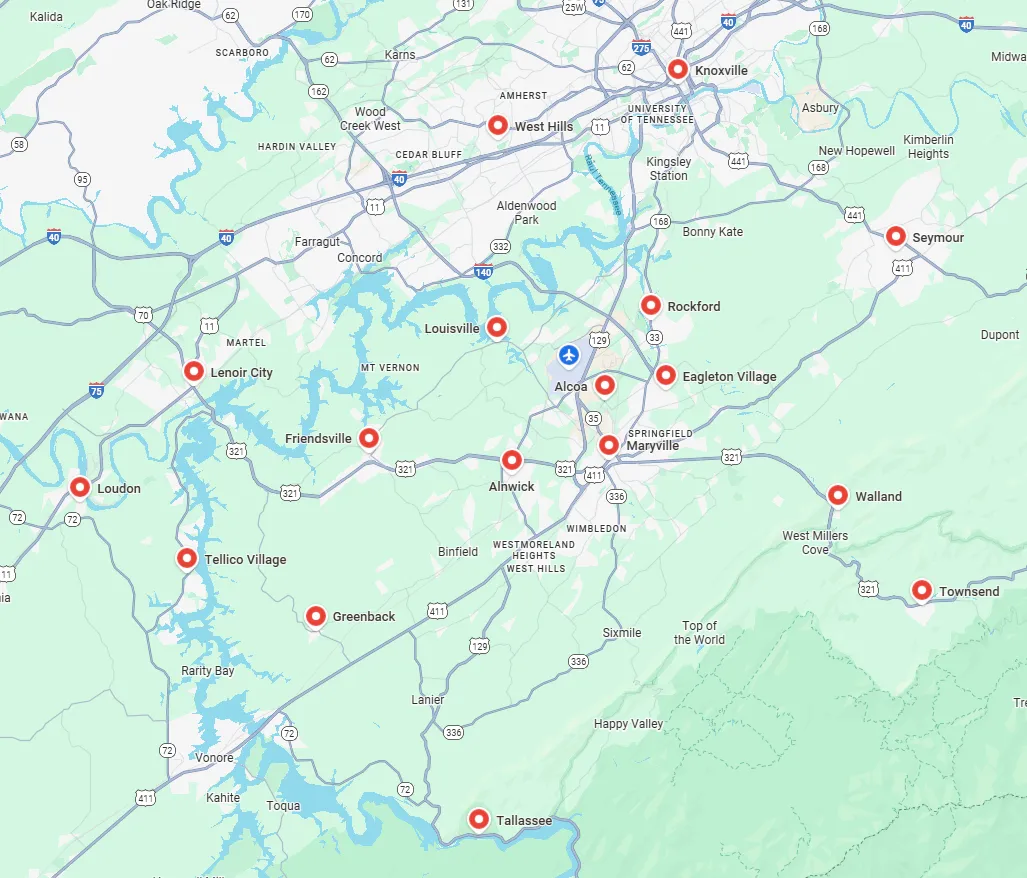
Friendsville homes face specific challenges related to humidity, seasonal pollen, and varied home construction. Technicians with local experience understand the patterns that cause recurring problems in this area. Everest Air Heating and Cooling brings hands-on knowledge of regional climate effects, common duct layout issues in older homes, and typical equipment wear patterns found in Blount County. That local perspective ensures inspections are targeted and recommendations are practical for Friendsville living.
Service continuity and follow up
A quality Tune-Up program includes clear documentation and follow up if the technician identifies issues requiring repair. That follow up may include part replacement recommendations, timing for future inspections, and suggested improvements to prevent repeat problems. Proper documentation also assists homeowners in tracking system history and planning for eventual replacement based on expected remaining life.
FAQs
Q: How often should I schedule an HVAC Tune-Up for my Friendsville home?
A: Annual Tune-Ups are recommended for both cooling and heating systems, with spring servicing for AC and fall servicing for heat. Homes with pets, heavy pollen exposure, or continuous use may need more frequent filter changes and additional inspections.
Q: What is included in Everest Air Heating and Cooling Tune-Up package?
A: The package includes safety inspections, filter checks and changes, refrigerant system evaluation, electrical tightening and testing, thermostat calibration, lubrication of moving parts, coil cleaning, condensate inspection, airflow and performance testing, duct visual checks, and a final report with prioritized recommendations.
Q: Will a Tune-Up lower my energy bills?
A: Yes. A properly tuned system runs more efficiently, which can reduce energy consumption by ensuring coils are clean, refrigerant charge is correct, airflow is optimized, and motors run without excessive load.
Q: Can a Tune-Up prevent emergency breakdowns during summer or winter?
A: A comprehensive Tune-Up significantly reduces the risk of mid-season failures by identifying failing components, correcting charge and airflow issues, and addressing safety concerns before they escalate under heavy use.
Q: Do Tune-Ups affect equipment warranties?
A: Many manufacturers require routine maintenance to keep warranties valid. Documented professional Tune-Ups can help maintain warranty coverage and provide evidence of proper care if warranty repairs are needed.
Q: How long does a typical Tune-Up take?
A: Most Tune-Ups take between 60 and 120 minutes depending on system complexity, age, and whether any additional repairs or cleaning are required.
Q: If my system needs parts replaced, will that be handled during the Tune-Up?
A: The technician will provide a clear assessment and prioritize repairs. Minor items like standard filters or belts may be replaced during the visit if on hand, while larger repairs or parts replacements are scheduled based on the homeowner priorities and parts availability.
Q: What should I look for after a Tune-Up to ensure it was effective?
A: Check for improved airflow, more consistent temperatures across rooms, quieter operation, and stable thermostat control. You should also notice fewer unexpected cycles and reduced runtime for similar comfort levels.
Q: Is dryer lint or pet hair a problem for HVAC systems in Friendsville?
A: Yes. Pet hair and lint can clog filters quickly and reduce airflow. During high pollen seasons in Friendsville, filters are often challenged more than in other months. Using an appropriately rated filter and inspecting it frequently helps maintain performance.
Q: Does Everest Air Heating and Cooling offer ongoing maintenance plans?
A: Everest Air Heating and Cooling offers preventive maintenance options and the Y.E.T.I Comfort Plan to provide scheduled checkups and priority service. Documentation and plan details are provided so homeowners can choose the cadence that fits their needs.
A professional HVAC Tune-Up tailored to Friendsville, TN conditions protects your comfort, safety, and equipment investment. Everest Air Heating and Cooling combines local knowledge with a methodical Tune-Up process to identify issues early, restore efficiency, and provide clear recommendations so you can avoid the inconvenience and cost of mid-season failures. Regular maintenance is the most effective long term strategy for keeping your home comfortable in every season.
hear what our satisfied clients have to say

David P.
Service areas