

HVAC Replacement in Friendsville, TN
Let's be honest, replacing an entire HVAC system is a huge decision for any homeowner. Here in Friendsville, TN, where we get those hot, humid summers and chilly winter nights, choosing the right replacement can genuinely transform your home. You'll get more consistent comfort, noticeably lower monthly energy bills, and incredible reliability for years to come. That's why Everest Air Heating and Cooling provides professional full-system replacement services that are specifically tailored to local homes and our unique weather conditions. We'll personally help you choose the ideal equipment, optimize your airflow and controls for peak performance, and make sure the removal and installation are completed with the highest quality, code-compliant workmanship. With Everest Air Heating and Cooling, you're investing in lasting comfort.
Why a full HVAC replacement matters in Friendsville homes
Friendsville experiences humid subtropical weather: long, humid summers and cool winters with occasional cold snaps. That combination puts continuous demand on air conditioning systems for humidity control and on heating systems during winter. Many homes in the area are older or built with limited duct insulation and crawlspace access, which can magnify comfort problems and energy loss. A properly sized, high-efficiency replacement addresses these local realities by:
- Improving humidity control for more comfortable indoor air during peak summer months.
- Reducing short-cycling and uneven heating or cooling caused by undersized or failing equipment.
- Increasing efficiency to lower energy consumption during long cooling seasons.
- Reducing the frequency and cost of emergency repairs as older equipment reaches end of life.
Everest Air Heating and Cooling approaches replacement with full-home analysis so your new system matches your home’s construction, comfort needs, and budget.
When replacement is recommended versus repair
Deciding whether to repair a failing system or replace it depends on several factors. Consider replacement if you encounter any of the following:
- System age: Central air conditioners older than 12 to 15 years or furnaces older than 15 to 20 years are near typical end of life. Older units are less efficient and use outdated refrigerants.
- Frequent breakdowns: If you call for repairs multiple times per season, replacement can be more cost-effective than repeated fixes.
- Rising energy bills: A steady increase in energy costs despite maintenance indicates declining efficiency.
- Major component failure: Compressor, heat exchanger, or coil failures often justify replacement.
- R22 refrigerant issues: Units that rely on R22 (Freon) are more expensive to recharge and diminishing supplies make repairs costly.
- Comfort problems: Persistent hot or cold spots, excessive humidity, or noisy equipment after repairs suggest the system is undersized or mismatched.
- Home upgrades: If you are renovating, increasing insulation, or adding living space, a replacement sized to the updated load may be necessary.
For Friendsville homes, the humid climate often accelerates wear on compressors and coil surfaces. Everest Air Heating and Cooling evaluates the whole system, runs load calculations, and presents objective guidance on whether repair or replacement is the most economical and comfortable option.
Common replacement scenarios in Friendsville, TN
- Old split-system AC and furnace in a home with leaky ducts: Replacement of both the outdoor condensing unit and indoor furnace/coil plus duct sealing and insulation.
- Single-stage AC replaced with variable-speed heat pump: Upgrading for better humidity control and efficient year-round heating and cooling.
- Dated furnace with high utility bills: Replacing an 80% AFUE furnace with a 95%+ AFUE model for significant gas savings.
- Small homes or additions: Installing ductless Mini Splits for flexible zoning without extensive ductwork.
- Severe corrosion or coil damage from humidity: Full-system replacement to reduce future failures.
High-efficiency replacement options to consider
Modern HVAC replacements offer a range of technologies that provide comfort and efficiency gains:
- High-SEER air conditioners and heat pumps: SEER ratings of 16, 18, or higher reduce cooling energy use. Heat pumps now offer excellent heating performance for most Tennessee winters.
- Variable-speed compressors and blowers: Provide quieter operation, improved humidity control, and reduced temperature swings.
- Two-stage or multi-stage systems: Run at lower output most of the time for steadier comfort and higher efficiency.
- High-AFUE furnaces: Modern furnaces with 95%+ AFUE deliver substantial fuel savings compared to older equipment.
- Ductless Mini Splits: Ideal for additions, rooms with limited ducting, or targeted comfort zones.
- Zoned systems and smart thermostats: Allow customized temperatures for different areas and better overall efficiency.
- Enhanced filtration and ventilation packages: Improve indoor air quality and protect sensitive equipment.
Everest Air Heating and Cooling will explain how each option performs in Friendsville’s climate and recommend systems based on load calculations, duct evaluation, and your priorities for comfort and efficiency.
Step-by-step removal and installation process
A professional replacement follows a predictable, safety-focused workflow. Everest Air Heating and Cooling uses industry best practices to ensure a clean, efficient installation:
- Pre-installation assessment
- Conduct a full-home inspection and measure existing ductwork, insulation, and attic/crawlspace conditions.
- Perform Manual J load calculation to size equipment to your home.
- Evaluate ducts using Manual D principles; identify leak locations and static pressure concerns.
- Review electrical capacity and any permit requirements for Friendsville and Blount County.
- System selection and paperwork
- Select manufacturers and models matched to your load and budget.
- Confirm warranty coverage and compatible controls.
- Secure required permits and schedule the installation.
- System removal
- Properly recover refrigerant per EPA regulations.
- Disconnect electrical and gas lines safely.
- Remove old outdoor condenser, indoor air handler or furnace, and associated coils and line sets.
- Dispose of unit components in accordance with local codes and environmental guidelines.
- Duct and site preparation
- Make recommended repairs to ductwork, sealing leaks and adding insulation.
- Replace or modify plenum and return runs if required for the new equipment.
- Ensure proper pad, clearance, and condensate routing for the outdoor unit.
- Installation of new equipment
- Install new outdoor condensing unit and indoor coil or air handler/furnace.
- Run new refrigerant line sets, charge the system, and vacuum to manufacturer specs.
- Hook up gas, electrical, and condensate lines with code-compliant connections.
- Install thermostat or control system and set up zoning dampers if applicable.
- Start-up and commissioning
- Test refrigerant charge, airflow, and static pressure.
- Verify electrical draws and safety controls.
- Balance system to eliminate hot/cold spots and ensure proper airflow.
- Demonstrate system operation, thermostat programming, and maintenance tips.
- Final documentation
- Provide manufacturer and labor warranty information.
- Leave records of serial numbers, model information, and system settings for future service.
Typical timeline varies: a like-for-like replacement can often be completed in one to two days; larger projects involving duct redesign, zoning, or home modifications may require additional time.
Energy savings estimates and what to expect
Energy savings from a replacement depend on current equipment, home envelope, duct performance, usage patterns, and local utility rates. Use these example scenarios as general guides for Friendsville conditions:
- Cooling efficiency upgrade example
- Replacing a 10 SEER central AC with a 16 SEER unit can reduce cooling energy consumption by approximately 37% (16/10 = 1.6, theoretical energy use roughly inverse of SEER; practical savings somewhat lower when accounting for fan energy and other factors).
- If your average annual cooling bill is 1200 for electricity (local rates and home size vary), this could translate to several hundred dollars saved per year.
- Furnace efficiency upgrade example
- Replacing an 80% AFUE gas furnace with a 95% AFUE model increases heating efficiency. If your winter gas usage costs 900 annually, the new furnace could lower fuel costs by roughly 15% to 20% depending on usage patterns and how well the rest of the system performs.
- Heat pump upgrade example
- Replacing a 12 SEER heat pump with a modern 18 SEER model and improved HSPF provides both cooling and heating efficiency gains. Homeowners can expect notable reductions in combined annual HVAC energy use, especially helpful during mild Tennessee winters when heat pumps run efficiently.
Important variables that affect realized savings:
- Duct leakage and insulation: Leaky ducts can erode savings by up to 20% or more.
- Thermostat settings and occupant behavior.
- Local electric and gas rates and seasonal demand.
- Home insulation, window performance, and shading.
Everest Air Heating and Cooling will provide a site-specific estimate based on your current bills, system operation patterns, and home inspection.
Brands and equipment installed
Everest Air Heating and Cooling installs and supports all major brands suited to Friendsville homes, including but not limited to:
- York
- American Standard
- Goodman
- Lennox
- Ruud
- Rheem
- Mitsubishi and Daikin (for ductless and specialty systems)
Choosing a brand involves balancing budget, targeted efficiency levels, available warranties, and installer familiarity. Everest Air Heating and Cooling will outline options that meet your needs and explain the warranty coverage and service expectations for each brand.
Financing and warranty considerations explained
Replacing an HVAC system is an investment. Typical financing and warranty considerations to review include:
- Financing options: Many homeowners use flexible financing for capital improvements. Financing terms, eligibility, and monthly payment structures vary by program and lender.
- Manufacturer warranties: New equipment commonly includes parts warranties (often 5 to 10 years) and compressor warranties (frequently 10 years on qualifying models). Some brands offer extended warranties when registered within a specified timeframe.
- Installer labor warranty: In addition to manufacturer coverage, installer-provided workmanship warranties cover service calls related to installation. Terms vary by company.
- Transferable warranties: If you plan to sell, transferable warranties may add value.
- Warranty conditions: Proper installation, timely maintenance, and professional startup (commissioning) are commonly required to maintain full warranty coverage.
Everest Air Heating and Cooling explains warranty terms clearly, documents the start-up process, and provides guidance on registration and ongoing maintenance to protect your coverage.
Upgrading ducts and controls: why it matters
A high-efficiency system delivers less value if ducts and controls are inadequate. Key duct and control upgrades to consider in Friendsville homes:
Ductwork improvements
- Sealing leaks: Use mastic or durable foil tape to seal joints and connections. Leaky ducts are a leading cause of wasted energy and uneven comfort.
- Insulation: Insulate ducts in unconditioned spaces to reduce heat gain and loss.
- Proper sizing: Replace undersized runs and adjust trunk sizes to improve airflow and reduce static pressure. Oversized or convoluted ducts cause imbalance and noise.
- Return strategy: Adequate return pathways prevent negative pressure and improve overall distribution.
- Crawlspace and attic considerations: Many local homes have tight crawlspaces or poorly insulated attics. Addressing these areas helps system efficiency and longevity.
Controls and thermostats
- Programmable thermostats: Implement basic schedules to avoid unnecessary runtime.
- Smart thermostats: Offer learning algorithms, remote access, and energy reports that help manage usage.
- Zoning: Adding motorized dampers and separate thermostats for multiple zones increases comfort and reduces wasted conditioning in unused areas.
- Communicating systems: Integrated control systems allow equipment and thermostats to share diagnostic data for optimized performance.
Upgrades to ducts and controls often unlock the real efficiency potential of new equipment and reduce long-term operating costs in Friendsville’s climate.
Maintenance after replacement
New systems still require routine maintenance to perform as expected. Recommended actions:
- Seasonal Tune-Ups: At least annual checks for cooling and heating seasons to verify refrigerant charge, airflow, electrical integrity, and combustion safety for gas furnaces.
- Filter replacement: Regularly change filters based on MERV rating and household needs. Higher MERV provides better filtration but can restrict airflow if not sized correctly.
- Duct inspections: Periodic checks help catch damage, rodent intrusion, or separation in seams.
- Thermostat calibration: Ensure accurate sensing and setpoint control.
- Drain line maintenance: Prevent clogs and backups in condensate drains to avoid water damage.
Everest Air Heating and Cooling can set up maintenance schedules that align with manufacturer requirements and preserve warranty coverage.
Benefits beyond lower energy bills
A full HVAC replacement brings additional, often overlooked benefits:
- Improved indoor air quality with modern filtration and ventilation strategies.
- Quieter operation and reduced vibrations with modern compressors and variable-speed motors.
- Better humidity control, which reduces mold risk and improves comfort on humid Friendsville summer days.
- Predictable performance and fewer emergency repairs.
- Increased resale value and appeal due to newer, efficient equipment and documented service history.
Why Everest Air Heating and Cooling
Everest Air Heating and Cooling brings local knowledge of Friendsville and surrounding Blount County homes, practical experience with the brands shown in the community, and a family-owned commitment to service quality. Our replacement process emphasizes correct sizing, duct evaluation, and careful commissioning so your new system delivers the efficiency and comfort you expect in our regional climate.
We provide clear explanations of replacement options, transparent warranty information, and maintenance guidance to protect your investment over time.
FAQs
Q: How do I know whether to repair my current system or replace it?
A: Consider replacement if your system is older than 12 to 15 years, requires frequent repairs, uses R22 refrigerant, has a failed compressor or heat exchanger, or cannot maintain comfort even after repairs. Everest Air Heating and Cooling performs a comprehensive inspection and load calculation to provide objective guidance.
Q: What is Manual J and why is it important?
A: Manual J is the industry-standard load calculation that determines the correct equipment size for your home by accounting for insulation, windows, orientation, and local climate. Proper sizing prevents short-cycling, improves humidity control, and maximizes efficiency.
Q: How much can I realistically save by upgrading to a high-efficiency system in Friendsville?
A: Savings vary, but replacing an older 10 SEER unit with a 16 to 18 SEER system can reduce cooling energy use by roughly 30% to 45% under similar operating conditions. Furnace upgrades from 80% AFUE to 95% AFUE can lower heating fuel use by around 15% to 25%. Exact savings depend on your home envelope, duct efficiency, local utility rates, and usage patterns.
Q: Will replacing only the outdoor unit be sufficient?
A: Not always. If the indoor coil, air handler, or furnace is mismatched, or if ducts are leaky or undersized, a like-for-like outdoor replacement may not solve comfort or efficiency issues. Everest Air Heating and Cooling evaluates the entire system to recommend the correct scope of work.
Q: Are heat pumps a good choice for Friendsville winters?
A: Yes. Modern heat pumps perform efficiently in the moderate Tennessee winter climate and provide excellent cooling and humidity control for summer. Cold-climate models and dual-fuel setups can be selected if you experience occasional severe cold.
Q: What should I expect during installation regarding time and disruption?
A: A typical like-for-like replacement is often completed in one to two days. More complex projects involving duct renovation, zoning, or structural work may extend the timeline. Everest Air Heating and Cooling follows clean work practices and secures permits to minimize disruption.
Q: How important is duct sealing during replacement?
A: Very important. Leaky or poorly insulated ducts can erode up to 20% or more of potential system efficiency and create uneven comfort. Sealing, insulating, and right-sizing ducts are crucial steps to realize the full benefits of new equipment.
Q: What types of warranties come with a new HVAC system?
A: New equipment typically includes manufacturer parts and compressor warranties (often five to ten years or more) and installer-provided labor warranties. Warranty conditions may require professional installation and scheduled maintenance. Everest Air Heating and Cooling reviews warranties and registration requirements during installation.
Q: Can I upgrade controls and thermostats when replacing my system?
A: Yes. Replacing or upgrading thermostats, adding zoning, and integrating smart controls are common upgrades that enhance comfort and increase energy savings when paired with modern equipment.
Q: Does Everest Air Heating and Cooling handle permit and code requirements in Friendsville?
A: Yes. Permits and code compliance are part of a professional replacement. Everest Air Heating and Cooling ensures installations meet local regulations, safety standards, and manufacturer start-up conditions.
Q: How do I preserve the warranty after installation?
A: Follow manufacturer recommendations for initial startup and annual maintenance. Keep records of service visits, and have any required maintenance completed by a qualified technician to maintain full warranty coverage.
Q: Will a new system improve indoor air quality?
A: A new system with upgraded filtration, properly sealed ducts, and balanced ventilation can substantially improve indoor air quality by reducing dust, pollen, and humidity-related issues common in Friendsville’s climate.
hear what our satisfied clients have to say

David P.
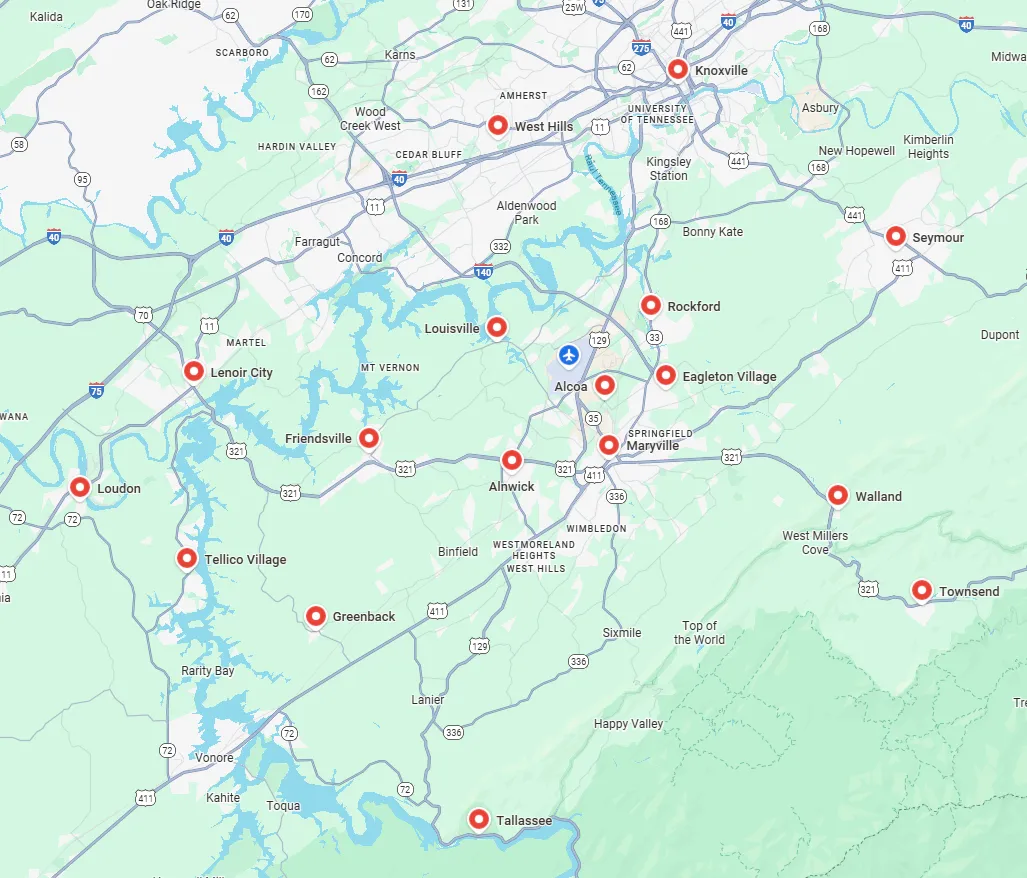
Service areas