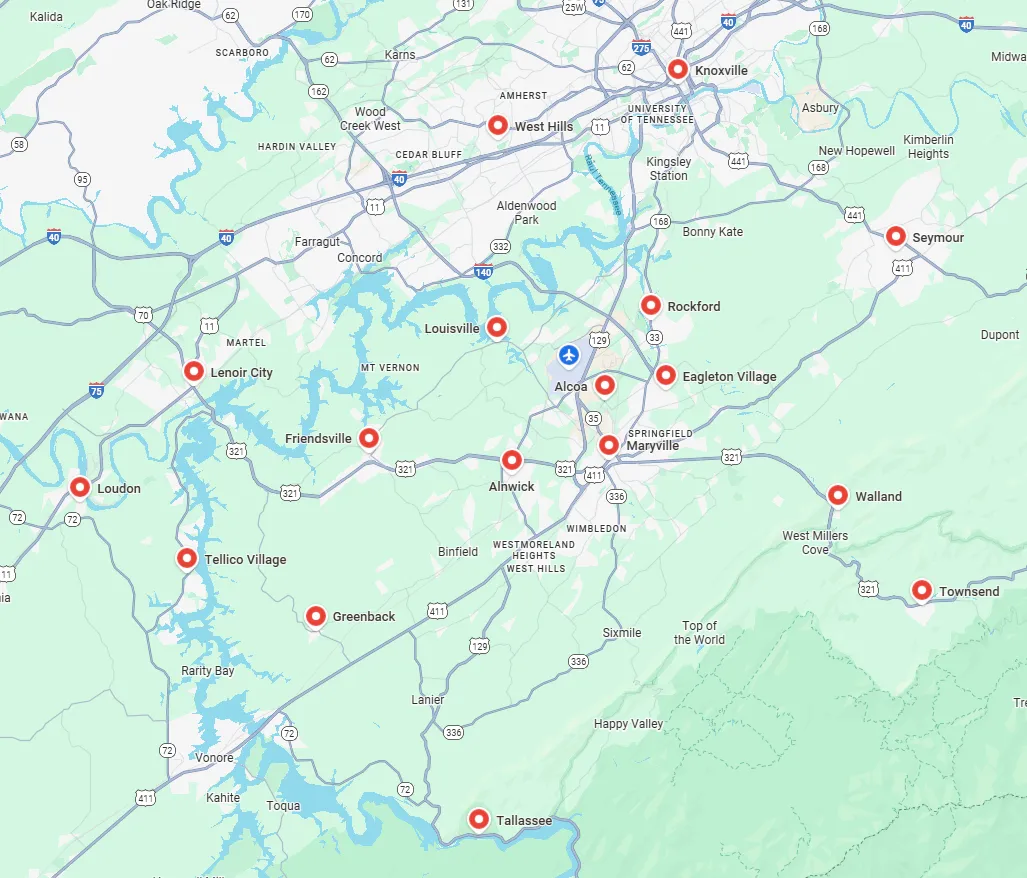


HVAC Installation in Friendsville, TN
Deciding on the perfect HVAC system and ensuring it's installed flawlessly is one of the biggest choices you'll make for your Friendsville, TN home's comfort, energy costs, and indoor air quality. Here at Everest Air Heating and Cooling, we combine our local expertise with a tried-and-true process for new HVAC system installations right here in Friendsville. We cover every single step, from in-home load assessments and helping you pick the best equipment, to the actual installation, responsible disposal of your old system, handling warranties, and thorough post-installation testing. We'll walk you through what to expect, discuss common local challenges we see, and explain exactly why a careful, code-compliant installation is absolutely essential for long-lasting performance.
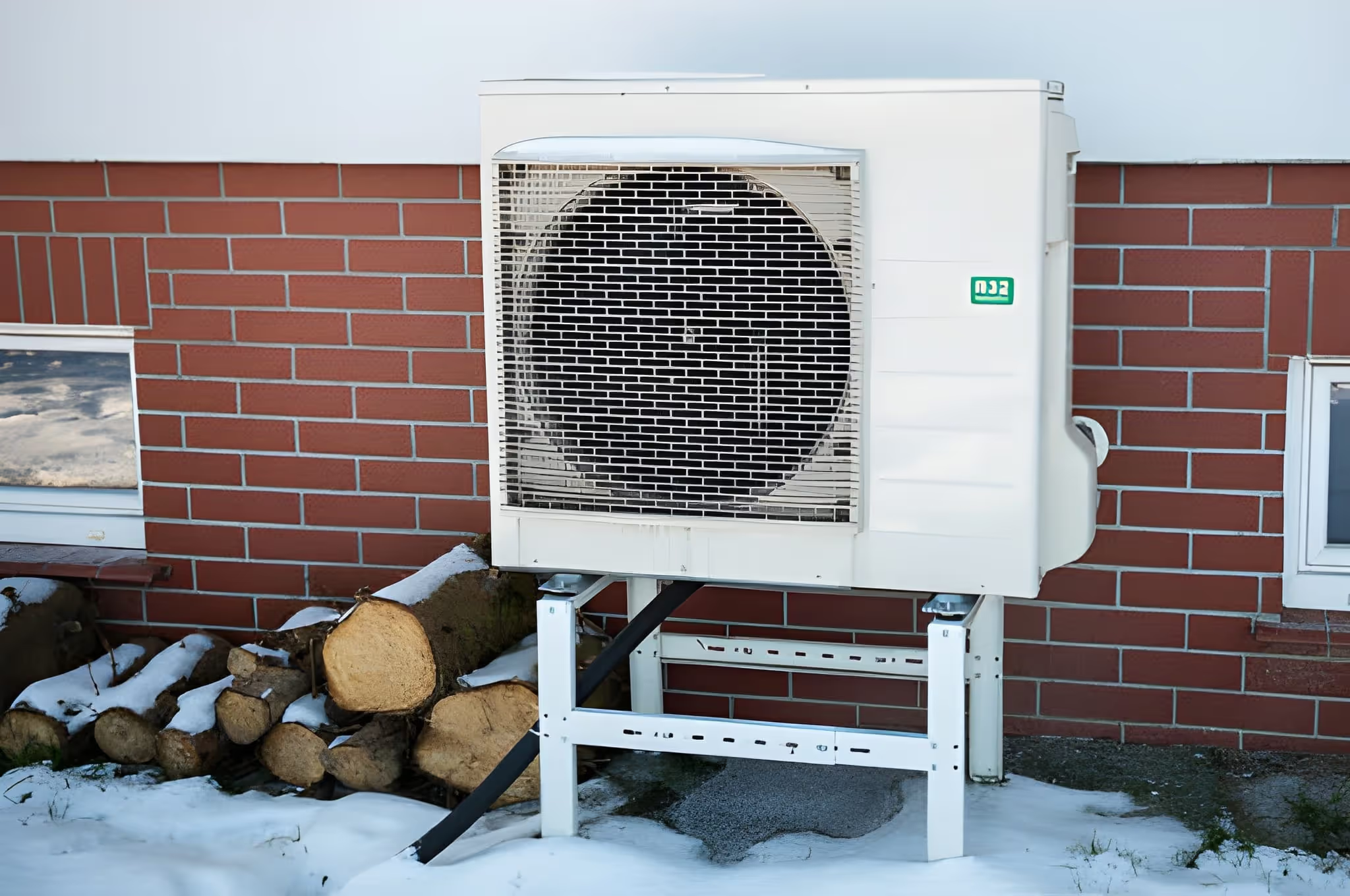
Why a proper HVAC installation matters in Friendsville, TN
Friendsville sits in East Tennessee where summers are hot and humid and winters can be chilly. That seasonal swing means your system needs to handle both high cooling demand with humidity control and efficient, reliable heating on cold nights. A poorly sized or improperly installed system will lead to uneven temperatures, high energy use, short cycling, and premature component failure. Everest Air Heating and Cooling focuses on right-sized, energy-efficient installations that reduce these common problems and adapt systems to local climate needs.
Common HVAC installation needs and types in Friendsville homes
- Central split systems (air conditioner outside, furnace or air handler inside) for traditional homes with existing ductwork.
- Heat pump systems, including cold-climate heat pumps, ideal for energy efficiency and rising in popularity across East Tennessee.
- Ductless Mini Split systems for additions, older homes without ductwork, or rooms needing zone control.
- Hybrid systems (heat pump plus gas furnace) for homes that want efficient electric heating most of the year with gas backup during the coldest days.
- Packaged rooftop or compact systems for tight mechanical rooms or smaller commercial properties.
- Full system replacements when age, frequent failures, or efficiency losses justify new equipment.
Typical reasons Friendsville homeowners replace or install a new system
- Aging equipment that no longer reaches recommended efficiency or reliability.
- Replacing components after major failures like compressor burnout or heat exchanger cracks.
- Home remodeling or additions that change heating and cooling loads.
- Desire to reduce monthly energy bills and take advantage of higher efficiency equipment.
- Need for better humidity control and indoor air quality in humid summers.
The Everest Air process for HVAC installation in Friendsville, TN
Everest Air Heating and Cooling follows a structured, transparent installation process designed to match equipment to your home and ensure long-term performance.
1. Initial consultation and pre-assessment
We start with a conversation about your comfort priorities, budget, and any specific issues like uneven rooms, noisy equipment, or allergy concerns. For Friendsville homes, we also discuss humidity problems and how seasonal temperature swings affect comfort.
2. In-home load assessment (Manual J)
A proper Manual J load calculation is the foundation of any quality installation. We measure:
- Square footage, ceiling heights, insulation levels, window types and orientation, and air infiltration.
- Ductwork layout and condition.
- Local climate factors and how your home sits on the lot (sun exposure and shading).This calculation determines the exact heating and cooling capacity your house needs to avoid oversizing or undersizing.
3. Ductwork evaluation (Manual D) and airflow planning
If your home has ducts, we perform a duct assessment that includes:
- Visual inspection of duct condition and insulation.
- Measuring static pressure and airflow to identify leaks, disconnected ducts, or undersized runs.
- Recommendations for duct sealing, insulation, or reconfiguration to improve balance and efficiency.
For homes without ducts, we discuss Mini Split options or the feasibility of installing ductwork with minimal disruption.
4. Equipment selection (Manual S considerations)
After load and duct analysis, we recommend equipment that meets the capacity and performance needs:
- SEER and HSPF ratings suited for hot, humid summers and cool winters.
- Heat pump models with cold-weather performance if you prefer electric heating reliability during Friendsville winters.
- Variable-speed air handlers or compressors for better humidity control and steady comfort.
- High-efficiency furnaces with appropriate AFUE ratings for gas heating.
- We present energy-efficient options and explain trade-offs like upfront cost versus long-term savings.
5. Detailed installation plan and timeline
Everest Air provides a clear plan outlining:
- Scope of work (equipment model, duct modifications, electrical upgrades).
- Required permits and code compliance steps.
- Project timeline, including arrival windows and expected duration.
- Disposal plan for old equipment and cleanup procedures.
Installation steps you can expect
- Site preparation: Clearing the work area, protecting floors and valuables, and setting up safe access.
- Old equipment removal: Disconnecting, rendering safe (draining refrigerant according to regulations when required), and removing the unit and associated components.
- Equipment placement: Locating outdoor condensers or heat pumps on pads or brackets that meet code and manufacturer clearances.
- Duct modifications and sealing: Installing new ductwork or repairing and sealing existing ducts to minimize leakage and improve distribution.
- Refrigerant line installation and brazing: Running insulated refrigerant lines with careful brazing practices and vacuuming the system to remove moisture and air.
- Electrical connections: Upgrading electrical service or breakers as necessary and installing proper disconnects and surge protection.
- Drainage and condensate management: Ensuring drain lines slope properly and installing safety traps and condensate pumps where required.
- Thermostat integration: Installing smart or programmable thermostats and calibrating to work with the new system, including zoning controls when used.
- Inspections and permits: Scheduling municipal inspections for mechanical and electrical work as required in Friendsville and Blount County.
Timelines: what to expect for a typical installation
- Simple replacements with no duct changes: often completed in one day.
- Replacement with duct sealing or minor duct modifications: one to two days.
- Full system replacements with duct redesign, new pad or condenser location, or electrical upgrades: two to four days depending on scope.
- Everest Air provides clear timelines in advance and works to minimize disruption while following local permitting schedules.
Warranties and manufacturer coverage
New HVAC systems come with manufacturer warranties covering major components like compressors and heat exchangers. Everest Air Heating and Cooling ensures:
- You understand parts and labor warranty differences.
- Proper equipment registration with the manufacturer to preserve extended warranty options.
- Clarity on what routine maintenance is required to keep warranties valid.
- We also discuss any optional extended warranties and documented maintenance plans like the Y.E.T.I Comfort Plan that help prolong equipment life and protect warranty rights.
Disposal and recycling of old equipment
Removing your old HVAC system involves safe, code-compliant handling:
- Recovering refrigerants using certified recovery equipment to prevent environmental release.
- Disposing of or recycling metal components and insulating materials per local regulations.
- Properly decommissioning gas furnaces or oil units, including shutting off fuel lines and capping them safely.
- Everest Air handles disposal professionally and documents the process so you know the old equipment was handled responsibly.
Post-installation testing and commissioning
A quality installation is not complete until comprehensive testing proves the system meets design goals:
- Refrigerant charge verification to ensure correct levels for efficiency and longevity.
- Airflow and static pressure measurements to verify ductwork performance.
- Temperature split tests to confirm cooling capacity and proper airflow distribution.
- Combustion analysis for gas furnaces to confirm safe and efficient operation.
- Carbon monoxide checks where combustion appliances are present.
- Thermostat and control system calibration, including wireless integration and zoning verification.
- A final walkthrough explaining operation, filter location and replacement schedules, and thermostat settings.
These tests ensure the new system performs as expected in Friendsville conditions and that homeowners understand how to operate and maintain it.
Energy-efficient features to consider for Friendsville homes
- High SEER/variable-speed compressors: Better dehumidification and lower cooling costs during humid summers.
- Cold-climate heat pumps or hybrid systems: Efficient heating with reliable performance during winter.
- Variable-speed ECM blowers: Improved airflow control, quieter operation, and better humidity management.
- Zoned systems or ductless Mini Splits: Target comfort to problem rooms or additions without heating/cooling the whole house.
- High-efficiency air filtration and UV light options: Improve indoor air quality for allergy-prone households.
- Smart thermostats and multi-stage controls: Optimize run times and reduce energy waste while maintaining comfort.
Common installation issues and how Everest Air addresses them
- Oversized equipment: Causes short cycling and poor dehumidification. We use Manual J to prevent this.
- Undersized equipment: Nominal comfort struggles during peak summer or winter. Accurate load calculation prevents undersizing.
- Leaky or undersized ducts: Reduces effective capacity and raises bills. We seal and insulate ducts to restore performance.
- Poor refrigerant charge: Low or high charge damages compressors and reduces efficiency. We test and charge to manufacturer specifications.
- Improper airflow: Causes freezing coils or overheating furnaces. Airflow testing and blower adjustments fix this.
- Inadequate ventilation and moisture control: We recommend ERVs/HRVs or upgraded dehumidification when needed for Friendsville humidity.
Maintenance and long-term care after installation
A new system needs routine care to protect performance and warranties. Everest Air recommends:
- Regular filter changes and checks each 30 to 90 days, depending on filter type and household conditions.
- Seasonal Tune-Ups, ideally in spring for cooling and fall for heating, to catch small issues before they become expensive repairs.
- Annual safety checks on combustion appliances and carbon monoxide detectors.
- Enrollment in a maintenance plan like the Y.E.T.I Comfort Plan for scheduled inspections, priority service, and predictable maintenance expenses.
- Proper maintenance extends lifespan, lowers energy bills, and sustains manufacturer warranty coverage.
Why local expertise matters: Friendsville, TN specifics
Everest Air Heating and Cooling understands the nuances of HVAC installation in Friendsville:
- Hot, humid summers increase the importance of dehumidification and correctly sized cooling systems.
- Cold snaps in winter make cold-climate equipment choices and backup heat strategies important.
- Many local homes have crawlspaces, attics, or older duct runs that need special attention to insulation and sealing.
- Local codes and permitting requirements in Blount County and nearby municipalities influence installation methods and inspections.
- Using a company familiar with Friendsville conditions leads to smarter equipment selection and fewer surprises post-install.
Benefits of professional installation by Everest Air Heating and Cooling
- Comfort: Even temperatures, better humidity control, and improved airflow throughout your home.
- Efficiency: Properly sized and commissioned systems use less energy and reduce monthly bills.
- Reliability: Correct installation reduces premature failures and unplanned repair costs.
- Safety: Combustion appliance checks and CO testing protect your family.
- Longevity: Quality installation and maintenance extend equipment life and protect warranties.
How installations integrate with indoor air quality and modern home systems
New HVAC systems are an opportunity to improve overall indoor air quality:
- MERV-rated filtration upgrades capture fine particles and allergens.
- Whole-house dehumidifiers and ventilators improve comfort during humid Summers typical in Friendsville.
- UV germicidal lights reduce microbial growth in coils and drain pans.
- Smart thermostat integration helps manage schedules, remotely monitor performance, and receive diagnostic alerts.
- Everest Air considers these enhancements during design to match your health needs and lifestyle.
FAQ
Q: How long does a full HVAC installation usually take in Friendsville, TN?
A: Simple replacements can often be completed in one day, while full replacements involving ductwork changes, electrical upgrades, or relocation of equipment typically take two to four days. Permitting and inspections can add additional days depending on local schedules.
Q: Will a new system lower my energy bills in Friendsville?
A: Yes, a properly sized, energy-efficient system matched to your home and installed correctly will typically lower energy usage compared to older or poorly performing equipment. Factors like insulation, thermostat settings, and maintenance also affect savings.
Q: What is a Manual J load calculation and why is it important?
A: Manual J is the industry-standard method for determining the exact heating and cooling capacity your home requires. It prevents oversizing and undersizing, both of which lead to comfort issues and higher costs.
Q: Should I choose a heat pump or a furnace for my Friendsville home?
A: That depends on your comfort priorities, fuel availability, and efficiency goals. Heat pumps offer high efficiency, especially modern cold-climate models, and are great for most of the year. A hybrid system with a gas furnace backup is a common choice for homeowners who want electric efficiency with guaranteed heat during very cold periods.
Q: What happens to my old HVAC equipment?
A: Old systems are removed and disposed of in compliance with environmental regulations. Refrigerants are recovered by certified technicians, and metals and other materials are recycled where possible. Everest Air documents disposal practices so you know the old unit was handled responsibly.
Q: Do you handle permits and inspections in Friendsville and Blount County?
A: Yes, Everest Air Heating and Cooling manages permits and coordinates inspections as part of the installation process to ensure the work meets local codes and regulations.
Q: How important is duct sealing and insulation in an older Friendsville home?
A: Very important. Leaky or poorly insulated ducts can reduce system efficiency by 20 percent or more, cause uneven temperatures, and increase energy costs. Sealing and insulating ducts during installation is a cost-effective way to improve performance.
Q: What post-installation tests are performed to ensure the system works properly?
A: Technicians check refrigerant charge, airflow and static pressure, temperature split, combustion efficiency for gas furnaces, carbon monoxide levels, and thermostat calibration to ensure the system performs to design specifications.
Q: Are energy-efficient options like variable-speed compressors worth the extra cost in Friendsville?
A: For homes with humidity concerns, uneven temperatures, or where quieter operation is valued, variable-speed systems can provide better comfort and control. They often deliver savings over time, especially in climates with long cooling seasons like Friendsville.
Q: How can I protect my warranty after installation?
A: Follow the manufacturer maintenance requirements, register the equipment if required, and schedule regular professional maintenance. Documentation of inspections and Tune-Ups often helps preserve warranty coverage.
Everest Air Heating and Cooling applies local experience and industry best practices to deliver HVAC installation in Friendsville, TN that focuses on lasting comfort, efficiency, and safety. From careful load calculations and equipment selection to meticulous installation, disposal, and post-installation testing, the goal is a system that operates reliably in Friendsville weather for years to come.
hear what our satisfied clients have to say

David P.
Service areas