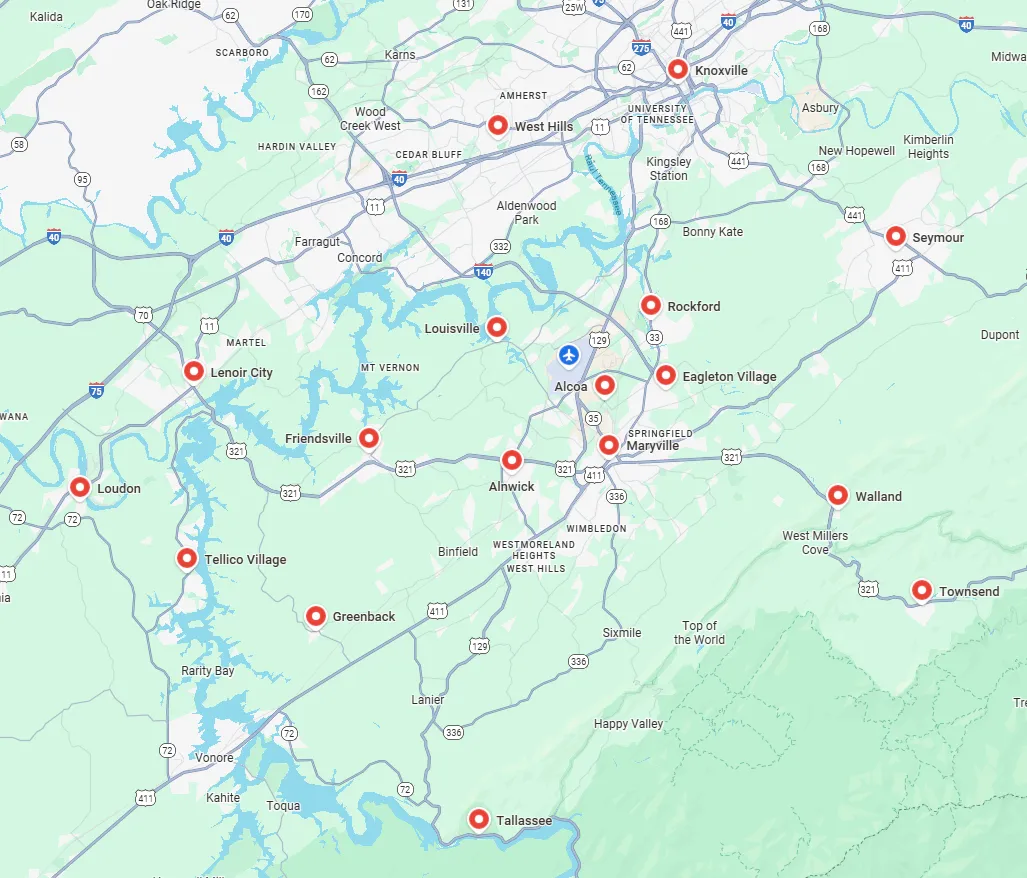


HVAC Tune-Up in Eagleton Village, TN
Making sure your home stays comfortable and energy efficient in Eagleton Village, TN, really comes down to one thing: a professional seasonal HVAC Tune-Up. Here at Everest Air Heating and Cooling, we truly get how East Tennessee's unique weather, tree cover, and humidity impact your heating and cooling equipment. A comprehensive Tune-Up with us isn't just a quick look-over; it's a careful, preventive service where we meticulously check, clean, adjust, and test your entire system. This ensures it runs reliably, whether it's battling hot, humid summers or keeping you warm through cooler winter months. We'll show you exactly what a comprehensive HVAC Tune-Up involves, discuss common issues we often see in Eagleton Village homes, explain the performance tests that confirm our work, and even share how Tune-Ups connect with ongoing maintenance plans like our popular Y.E.T.I Comfort Plan.
.avif)
Why seasonal HVAC Tune-Ups matter in Eagleton Village, TN
Eagleton Village experiences hot, humid summers and moderately cold winters. These seasonal swings increase HVAC runtime and stress components. Local factors that make regular Tune-Ups especially important include:
- High summer humidity that forces air conditioners to run longer and encourages coil corrosion and mold on damp surfaces.
- Pollen, leaves, and tree debris in spring and fall that clog outdoor coils and filters, reducing airflow and efficiency.
- Temperature swings in shoulder seasons that reveal thermostat or reversing valve issues in heat pumps.
- Older homes with varied duct runs that can suffer from imbalance, dust buildup, and reduced airflow.
A professional Tune-Up addresses the wear caused by these local conditions, restores efficient operation, and reduces the chance of a midseason breakdown when comfort matters most.
Common HVAC problems in Eagleton Village homes
Homeowners in this area regularly see similar issues that a Tune-Up can identify and correct:
- Reduced airflow from clogged filters, dirty blower wheels, or obstructed ducts.
- Long run times or short cycling caused by dirty coils, improper refrigerant charge, or faulty thermostats.
- Weak cooling or uneven heating due to low refrigerant, blocked condensers, or failing compressors.
- Water leaks from clogged condensate drains or cracked drain pans that can lead to mold or wood damage.
- Electrical problems such as failing capacitors, worn contacts, or loose wiring that lead to unreliable operation.
- Dirty burners, ineffective ignition, or safety control issues in gas furnaces that can affect performance and safety.
- Refrigerant leaks and corroded coils accelerated by humidity and landscape conditions.
Routine Tune-Ups catch these issues early, often preventing larger, more costly repairs down the road.
What a comprehensive HVAC Tune-Up includes
A proper seasonal Tune-Up is a checklist-driven service designed to restore performance, improve efficiency, and verify safety. Everest Air Heating and Cooling follows a detailed process that covers both air conditioning and heating systems. Key inspection and adjustment items include:
- Air filter check and replacement recommendation: Inspect filter condition and advise on replacement or replace with the correct MERV rating for your system and indoor air quality needs.
- Indoor and outdoor coil inspection and cleaning: Remove dirt, dust, and debris from evaporator and condenser coils to restore heat transfer efficiency.
- Refrigerant level check and system charge verification: Measure pressures, check for proper charge, and test for signs of leaks when low refrigerant is suspected.
- Thermostat calibration and function test: Verify setpoint accuracy and operation; test programmable or smart thermostat schedules.
- Electrical system inspection: Tighten connections, test capacitors, relays, fuses, and contactors for wear or failure.
- Blower motor and wheel inspection: Clean and inspect blower assembly, check motor operation and amperage draw, and confirm correct airflow.
- Combustion and safety control checks on furnaces: Inspect burners and flame sensor, verify proper ignition, and test safety limits and rollout switches.
- Drain line and condensate pan cleaning: Clear blockages to prevent overflow and microbial growth; treat drain as needed.
- Cabinet and duct visual inspection: Look for signs of corrosion, water damage, duct leaks, disconnected runs, and insulation issues.
- Fan motor and condenser fan inspection: Check blade condition, motor noise, and balance; measure motor draw.
- Belt and pulley inspection: Check condition and tension of belts; replace if cracked or worn.
- Safety device tests: Verify pressure switches, limit switches, and other safety mechanisms operate correctly.
- System performance measurements: Record temperature split, refrigerant superheat/subcooling, airflow measurements, electrical readings, and static pressure.
Each item is documented with notes and recommendations so you know what was inspected and what was corrected or needs attention.
Cleaning procedures included in Tune-Ups
Cleaning is a core part of restoring system performance. Typical cleaning work includes:
- Evaporator coil cleaning: Carefully remove surface grime and built-up dust with manufacturer-approved coil cleaners to restore heat transfer and prevent ice formation.
- Condenser coil cleaning: Remove leaves, grass clippings, and pollen from outdoor coil fins by brushing and rinsing to improve condenser efficiency.
- Blower wheel and housing cleaning: Remove dust and debris that reduce airflow and increase motor load.
- Condensate trap and drain line clearing: Use mechanical or low-pressure flushing to clear clogs and apply treatments if microbial buildup is present.
- Filter housing and return grille cleaning: Remove settled dust so filters work effectively.
- Combustion area cleaning for furnaces: Remove soot or dust from burners and check flame characteristics for proper combustion.
These cleaning steps improve airflow and heat exchange, which directly affects comfort and operating cost.
Performance testing: how we prove improvements
A Tune-Up is not complete without objective measurements. Performance testing shows the system condition before and after service and identifies hidden issues. Typical tests include:
- Temperature split: Measure supply and return temperatures to check cooling or heating effectiveness. A typical cooling split is 15 to 20 degrees Fahrenheit when airflow and charge are correct.
- Superheat and subcooling: Measure refrigerant conditions to verify proper system charge and compressor health.
- Airflow and static pressure: Using airflow meters and pressure gauges we ensure adequate CFM and identify duct restrictions or blower issues.
- Electrical testing: Measure voltage and amperage on motors and compressors to detect high-draw conditions that predict failure.
- System run-time and cycling observation: Evaluate whether the system cycles correctly and meets setpoints without short cycling or excessive run times.
- Carbon monoxide check for combustion systems: Ensure safe operation of gas heat with combustion testing and venting inspection.
- Leak detection: Use electronic or visual methods to find refrigerant leaks if pressure readings warrant.
These measurements provide a baseline for expected performance and support recommendations for repairs or adjustments.
Typical repairs and adjustments made during a Tune-Up
Many Tune-Up findings can be corrected on the spot with small parts or adjustments. Common fixes performed during a Tune-Up include:
- Replacing or installing the correct air filter
- Tightening electrical connections and replacing failing capacitors
- Adjusting refrigerant charge or documenting the need for a refrigerant repair
- Cleaning condensate traps and clearing drain lines
- Adjusting blower speed or replacing worn belts
- Calibrating or replacing thermostats and sensors
- Straightening bent coil fins and cleaning coils for better heat transfer
- Lubricating motors and moving parts where applicable
- Repairing minor duct leaks with sealant or tape
- Replacing worn contactors or relays
When more extensive repairs or replacement parts are recommended, the Tune-Up report will clearly explain why the work is needed and how it will improve safety and performance.
Benefits of regular HVAC Tune-Ups
A seasonal Tune-Up delivers measurable and long term benefits for Eagleton Village homeowners:
- Improved energy efficiency: Clean coils, proper refrigerant charge, and correct airflow reduce energy use. Depending on system condition, homeowners commonly see efficiency gains that reduce seasonal energy costs by several percent.
- Fewer breakdowns: Identifying worn components and electrical stress points reduces the likelihood of costly midseason failures.
- Longer equipment life: Routine maintenance reduces motor stress and component wear, extending the useful life of compressors, motors, and heat exchangers.
- More consistent comfort: Proper charge, balanced airflow, and calibrated thermostats deliver more even temperature control and humidity management.
- Improved indoor air quality: Clean filters, coils, and drains reduce dust, mold, and allergen circulation—especially important in high-pollen seasons.
- Safety assurance: Combustion analysis and safety control checks reduce the risk of carbon monoxide and other hazards in gas systems.
- Warranty protection: Many manufacturers require regular maintenance for warranty validity. Documentation from professional Tune-Ups provides that record.
- Better resale and home value: Well-maintained HVAC systems are attractive to buyers and can be a selling point in local markets.
How a Tune-Up fits into an ongoing maintenance plan
One-off Tune-Ups are valuable, but consistent care delivers the most reliable results. Maintenance plans, such as the Y.E.T.I Comfort Plan from Everest Air Heating and Cooling, are designed to provide scheduled fall and spring checkups that coordinate with seasonal needs. Benefits of routine plans include:
- Scheduled seasonal inspections that catch seasonal issues before they escalate.
- Priority scheduling during peak seasons so Tune-Ups and repairs fit into your maintenance calendar.
- Documented service history that helps with warranty compliance and resale.
- Discounts on service calls and replacement parts, which make ongoing care more economical.
- Planned maintenance that aligns with manufacturer recommendations for specific system models.
For Eagleton Village homes, a maintenance plan ensures that higher summer humidity and fall pollen cycles are addressed proactively and that heating systems receive attention before winter.
The Tune-Up process at your home
A professional Tune-Up follows a transparent, safety-focused process designed to minimize disruption:
- Technician arrival and system history review: We confirm the system type, any previous issues, and your comfort concerns.
- Visual inspection: Assess the outdoor unit, indoor cabinet, ductwork access, and thermostat location.
- Safety checks: Verify electrical isolation, gas shutoff, and that safety devices are functional.
- Filter check and removal: Inspect and replace the filter or recommend the correct replacement if needed.
- Cleaning steps: Clean coils, blower, condensate drain, outdoor coil, and accessible components.
- Mechanical and electrical adjustments: Tighten connections, test capacitors, and inspect belts and motors.
- Performance testing: Measure temperature split, refrigerant pressures, electrical draw, and airflow.
- Findings review: Provide a clear summary of repairs completed and any recommended follow-up.
- Documentation: Record measurements and maintenance actions for your home file and warranty records.
This structured approach minimizes guesswork and ensures every critical area is checked.
When to schedule your Tune-Ups
To align with East Tennessee weather patterns and equipment needs:
- Schedule an air conditioning Tune-Up in early spring before the cooling season begins. This catches pollen and debris buildup and verifies refrigerant charge and cooling capacity before heavy use.
- Schedule a heating Tune-Up in early fall before extended heating is needed. This ensures safe furnace operation and detects heat pump mode issues before cold weather arrives.
- Older systems, heavy-use systems, or homes with indoor air quality concerns may benefit from two visits per year to ensure peak performance year-round.
Regular seasonal service is the most effective way to prevent emergency repairs during extreme weather.
DIY maintenance tips for Eagleton Village homeowners
Small homeowner tasks between professional visits help maintain system performance:
- Replace or clean filters every 1 to 3 months depending on filter type, pets, and occupancy.
- Keep outdoor condensers clear of leaves, mulch, and lawn debris for at least 2 feet around the unit.
- Maintain good airflow by keeping supply and return vents unobstructed and furniture away from registers.
- Regularly inspect the condensate drain for slow draining and clear with a small amount of vinegar if you notice buildup.
- Keep attic and crawlspace insulation and ventilation in good condition to reduce HVAC workload.
- Use ceiling fans and shade to reduce thermostat setpoints in summer, lowering system run time.
These simple steps complement professional Tune-Ups and help systems operate efficiently between visits.
How Tune-Ups reduce emergency repairs and save money
A Tune-Up is an investment in reliability. By addressing small faults early, Tune-Ups:
- Prevent compressor failures caused by low refrigerant or high operating stress.
- Avoid motor burnout when excessive dust and high amperage draw are present.
- Stop water damage from condensate overflow by clearing drains and deadheading traps.
- Reduce the chance of unsafe furnace operation by inspecting ignition and safety systems.
Over time, these avoided failures equate to significant savings compared to reactive repairs or premature replacement.
What to expect from the Tune-Up report
A thorough Tune-Up includes clear documentation of findings and next steps. Typical elements of a Tune-Up report are:
- Measurements recorded during testing such as temperature split, refrigerant pressures, and electrical readings.
- Components serviced or cleaned during the visit.
- Safety checks performed and results.
- Recommended repairs or replacement items with reasons and how they affect performance or safety.
- Notes on any warranty implications or manufacturer maintenance requirements.
This report becomes part of your home maintenance record and helps prioritize future work.
FAQs
Q: How often should I have an HVAC Tune-Up in Eagleton Village, TN?
A: Most systems benefit from a professional Tune-Up at least once per season for the function being used: an air conditioning Tune-Up in spring and a heating Tune-Up in fall. Older systems or those serving larger households may require more frequent visits.
Q: What is included in a standard Tune-Up?
A: A standard Tune-Up includes filter inspection, coil cleaning, refrigerant level checks, thermostat calibration, blower and motor inspection, electrical testing, condensate drain cleaning, and performance measurements such as temperature split and amperage draw.
Q: How long does a Tune-Up typically take?
A: Tune-Up duration varies by system type and condition but generally takes between 60 and 120 minutes. More extensive cleaning or repairs discovered during inspection can extend the visit.
Q: Will a Tune-Up improve my energy bills?
A: Yes. Restoring proper airflow, cleaning coils, and correcting refrigerant charge can improve efficiency by several percent. Actual savings depend on system age and condition, thermostat settings, and household usage.
Q: Can Tune-Ups prevent emergency breakdowns?
A: Regular Tune-Ups significantly reduce the likelihood of midseason failures by identifying worn components and electrical issues before they fail.
Q: Do Tune-Ups help with indoor air quality?
A: Yes. Cleaning coils, blower components, and drains and advising on proper filter selection all reduce dust, mold, and allergen circulation in your home.
Q: Are Tune-Ups required to keep my warranty valid?
A: Many manufacturers require regular documented maintenance to keep warranties valid. A professional Tune-Up provides the documentation needed to support warranty claims.
Q: Will a Tune-Up find refrigerant leaks?
A: A Tune-Up includes pressure and charge checks that can indicate a refrigerant leak. If a leak is suspected, leak detection methods are used and a plan for repair is recommended.
Q: What is the difference between a Tune-Up and a full repair?
A: A Tune-Up focuses on preventive maintenance, cleaning, testing, and small adjustments or part replacements. A full repair addresses failed components or system faults discovered during inspection and may require additional parts and time.
Q: Should I enroll in a maintenance plan?
A: Regularly scheduled maintenance provides consistent care, priority attention during peak seasons, and documented service records. For high-use systems or homeowners who prefer preventive care, a maintenance plan offers predictable service and benefits.
Everest Air Heating and Cooling designs HVAC Tune-Ups to match the realities of Eagleton Village homes. Seasonal maintenance, thorough cleaning, precise adjustments, and objective performance testing work together to deliver reliable comfort, lower operating costs, and longer equipment life. Regular Tune-Ups and an ongoing maintenance plan ensure your system is prepared for East Tennessee summers and winter weather, giving you consistent indoor comfort and fewer surprises.
hear what our satisfied clients have to say

David P.
Service areas