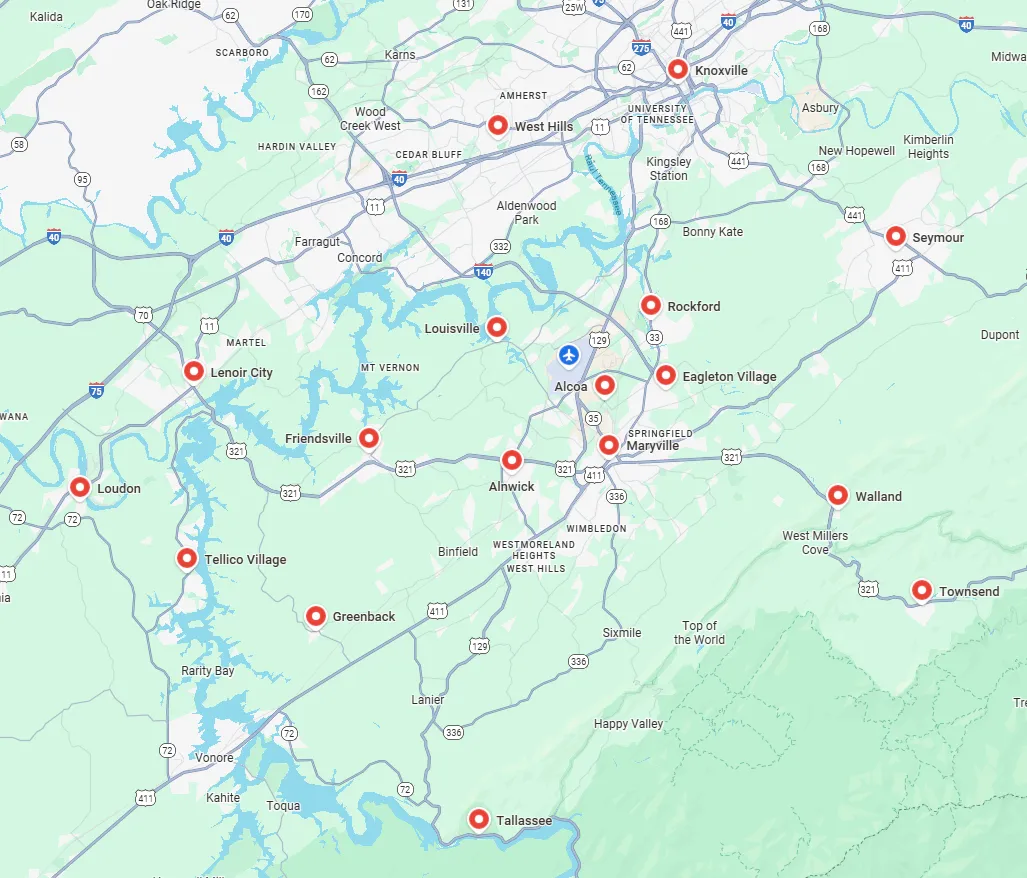


HVAC Installation in Eagleton Village, TN
Bringing a new heating, ventilation, and air conditioning system into your Eagleton Village, TN home is a significant investment. When done right, proper HVAC installation isn't just about boosting your indoor comfort; it also slashes energy bills and helps prevent your equipment from breaking down too soon. At Everest Air Heating and Cooling, we tackle every installation with a meticulous, best-practices approach. This means we start with precise load assessments and unit sizing, guide you through careful system selection (including energy-efficient and ductless Mini Split options), handle all local permitting and code compliance, and ensure professional installation every step of the way. We also take care of comprehensive commissioning, warranty handling, and thorough post-installation testing. We believe every one of these steps is vital for homes in Eagleton Village and the surrounding Knox County communities, ensuring you get the comfort and efficiency you deserve.
.avif)
Why a professional, full-process HVAC installation matters in Eagleton Village
- Eagleton Village sees hot, humid summers and cool winters. High humidity increases cooling loads and can promote mold growth when systems are undersized or poorly balanced.
- Older local construction and varied home types (crawlspaces, attics, slab foundations) make duct design and site-specific solutions critical.
- Improperly sized systems cycle too frequently or fail to dehumidify, reducing comfort and increasing energy use—especially costly during the peak cooling season.
- Local permitting and code requirements in Knox County and surrounding jurisdictions require installers who know how to navigate inspections, refrigerant handling rules, combustion safety, and electrical compliance.
Everest Air Heating and Cooling brings family-owned attention to detail and industry-standard rigor to every install, helping Eagleton Village homeowners get efficient, reliable comfort that lasts.
Common reasons Eagleton Village homeowners replace or install new HVAC systems
- Old equipment reached end of life: increasing repairs, poor efficiency, and unreliable heating or cooling.
- Home additions, remodeling, or changes to insulation/air-sealing that alter heating and cooling loads.
- Desire to lower monthly energy costs with high-efficiency heat pumps or variable-speed equipment.
- Need to add conditioned zones to improve comfort in multi-level or open-plan homes.
- Transition away from aging gas furnaces to heat pumps or hybrid systems for cleaner, more efficient heating.
Initial load assessment and system sizing: the foundation of a successful install
Accurate sizing starts with a professional load calculation. Everest Air technicians perform Manual J load assessments that account for:
- Square footage and ceiling heights
- Orientation and window area (south-facing glass increases cooling load)
- Insulation levels in walls, attic, and crawlspaces
- Air infiltration estimates and recent air-sealing work
- Local climate factors for Eagleton Village (humidity, summer peaks, winter lows)
- Occupancy and typical thermostat settings
The goal of Manual J is to determine the sensible and latent cooling loads and the heating requirements so the selected equipment can both meet temperature demands and manage humidity. After load calculation, we use Manual S selection procedures to choose the properly sized and matched outdoor unit, indoor coil, and furnace or air handler. Proper match and sizing prevent short cycling, reduce energy costs, and preserve component life.
Why "bigger" is not better
Oversizing is a common mistake that reduces dehumidification, increases cycling, and shortens compressor life. A correctly sized unit runs longer, maintains steady temperature, and extracts more moisture from the air—critical for Eagleton Village’s humid summers.
System options: energy efficiency and lifestyle fit
Everest Air outlines the pros and cons of system types and helps homeowners choose the best solution for their priorities: efficiency, comfort, upfront cost, and long-term savings.
High-efficiency heat pumps (air-source and dual-fuel systems)
- Provide both heating and cooling in one unit.
- Modern cold-climate heat pumps perform well in Tennessee winters and can significantly reduce heating energy compared with older electric resistance or aging gas furnaces.
- Often eligible for rebates or tax incentives for energy-efficient installations.
- When paired with a gas furnace in a hybrid system, they offer efficient heat during milder weather and reliable backup in extreme cold.
Variable-speed and multi-stage compressors
- Adjust output to match load, improving temperature control and dehumidification.
- Run at lower speeds for longer periods, increasing efficiency and comfort.
- Reduce noise and deliver more consistent indoor temperatures.
Ductless Mini Splits
- Ideal for homes without ductwork, additions, garages converted to living space, or rooms with problematic airflow.
- Provide zone control with very high efficiency and excellent dehumidification when matched properly.
- Minimal disruption during install compared to full ductwork projects.
- Allow targeted comfort upgrades without replacing an entire system.
High-efficiency gas furnaces with matched condensing units
- Still a common choice for homes wanting gas heat with efficient cooling.
- Pairing a high-efficiency furnace with a correctly sized outdoor unit ensures matched airflow and optimal system performance.
Air quality and dehumidification options
- Whole-home dehumidifiers are often recommended for Eagleton Village homes to maintain comfortable humidity levels during hot months and prevent mold risk.
- High-efficiency filtration, UV lights, and ventilator systems can be integrated to improve indoor air quality.
Ductwork, zoning, and distribution: getting conditioned air where it should go
Duct design is as important as the equipment. Everest Air assesses existing ductwork and recommends:
- Duct sealing and insulation to prevent energy loss, especially in unconditioned attics and crawlspaces common in East Tennessee.
- Duct resizing where necessary to meet calculated airflow (CFM) requirements.
- Zoning systems with motorized dampers and multiple thermostats for multi-level homes or those with inconsistent comfort.
- Smart thermostat integration to optimize set-backs and schedule-based efficiency.
Permitting, inspections, and code compliance in Eagleton Village
Local permitting is part of a proper installation. Everest Air handles:
- Submitting required permits and scheduling any necessary inspections with Knox County or local authorities.
- Ensuring refrigerant handling and disposal meets federal and state regulations.
- Verifying electrical safety and breaker sizing, combustion safety checks for gas equipment, and proper venting.
- Producing documentation for permit close-out and warranty registration.
Professional installation steps: what happens during an install
A typical professional HVAC installation follows a clear sequence to protect your home and produce a durable, efficient system:
- Pre-installation planning and materials staging
- Confirm equipment model, matching of indoor coil and outdoor unit, and required accessories (p-trap, flue, condensate pump, line set, etc.).
- Protect floors and landscaping, plan truck placement, and confirm access routes.
- Safe removal and disposal of old equipment
- Recover refrigerant per EPA guidelines and remove old components safely.
- Dispose or recycle materials according to local requirements.
- Mechanical installation
- Set and secure outdoor unit on a pad or curb.
- Install indoor coil and connect refrigerant lines, ensuring proper slope and insulation of lines to prevent condensation issues.
- Install furnace or air handler, perform gas and venting hookups if applicable.
- Ductwork work and airflow balancing
- Seal, insulate, and, where necessary, modify ducts to meet airflow needs.
- Install new returns or supply boots as required for balanced airflow.
- Electrical and control wiring
- Ensure proper electrical service and breaker sizing.
- Install and wire thermostats, zoning controls, and safety interlocks.
- Verify grounding and surge protection considerations.
- Refrigerant charging and startup
- Charge refrigerant per manufacturer specifications using superheat/subcooling or weigh-in methods, accounting for line set length and elevation.
- Evacuate lines to remove moisture and noncondensable gas prior to charge.
- Combustion and safety checks (for gas systems)
- Verify correct gas pressure, safe venting, and perform carbon monoxide testing and combustion analysis when required by code.
- Commissioning and homeowner walkthrough
- Demonstrate thermostat operation, explain system features, and provide routine maintenance tips.
- Deliver documentation including equipment manuals, warranty information, and the commissioning report.
Commissioning, warranties, and documentation
A comprehensive commissioning process confirms that equipment operates according to design and manufacturer specifications. Everest Air’s commissioning includes:
- Verifying airflow (CFM) at supply and return registers.
- Measuring temperature differentials (delta-T) across the coil to confirm proper cooling performance.
- Checking electrical load and amp draws on major components.
- Confirming refrigerant charge via superheat/subcooling and making adjustments as needed.
- Performing duct leakage testing where applicable and recording results.
- Recording final system settings in a commissioning report and registering warranties with the manufacturer.
Warranty types and what to expect
- Manufacturer warranties typically cover compressors, coils, and parts for a specified period. Terms vary by brand and equipment tier.
- Labor warranty covers installation workmanship; Everest Air documents labor warranties and specifies coverage durations.
- Registration is important. Registering equipment with the manufacturer can extend warranty protection and is included in our commissioning paperwork.
- Keep the commissioning report, receipts, and any routine maintenance records; these are useful if warranty service is needed.
Post-installation testing and verification
Post-install testing is essential to ensure the system delivers the expected comfort and efficiency:
- Airflow verification: measuring CFM and comparing to design targets ensures proper distribution and prevents coil freezing or poor dehumidification.
- Electrical testing: measuring voltage and amperage to ensure safe, efficient operation.
- Refrigerant verification: confirming correct charge minimizes wear and maintains efficiency.
- Temperature split validation: confirming sensible cooling performance.
- Combustion safety: for gas-fired equipment, testing for proper combustion and acceptable carbon monoxide levels.
- Condensate drainage check: verifying traps, pumps, and drain paths to prevent water damage.
- Thermostat calibration and zoning functionality tests.
Energy savings estimates and expectations
- A properly sized, modern heat pump or high-efficiency split system can lower cooling and heating costs compared with older equipment by improving SEER and HSPF ratings, reducing cycling, and better matching output to load.
- Dehumidification performance improves comfort and may allow for a slightly higher thermostat setting in summer without sacrificing perceived comfort.
- Savings vary based on previous system efficiency, insulation, home airtightness, and user behavior—but a correctly installed system maximizes the return on investment.
Financing, incentives, and long-term value
Many Eagleton Village homeowners explore financing and incentives to manage upfront costs while achieving long-term savings:
- Financing options commonly include home improvement loans, HVAC-specific lending programs, and third-party financing plans with fixed terms and monthly payments. These options typically consider creditworthiness and loan terms.
- Energy-efficiency incentives: equipment such as heat pumps and ENERGY STAR qualified systems may qualify for federal tax credits, state rebates, or utility programs. Local energy programs, including those administered through regional utilities, can offer rebates for high-efficiency equipment and qualifying upgrades like insulation or duct sealing.
- Evaluating payback: comparing projected annual energy savings against financing costs helps determine the best option. Systems with higher efficiency often offer faster payback through lower monthly operating costs.
Maintenance and the Y.E.T.I Comfort Plan: protecting your investment
After installation, regular maintenance keeps systems operating at peak performance. Everest Air’s Y.E.T.I Comfort Plan emphasizes preventive maintenance:
- Fall and spring checkups to inspect heating and cooling performance, clean components, and catch issues early.
- Priority scheduling and documented service history to make future diagnostics and warranty claims smoother.
- Routine filter changes, coil cleaning, condensate checks, and airflow verification to maintain efficiency and comfort.
- A maintenance plan improves equipment longevity, preserves warranty eligibility, and reduces the frequency of emergency repairs.
What to expect on the day(s) of installation
- Timing: installations can range from a single day for straightforward replacements to multiple days when new ductwork, zoning, or structural modifications are required.
- Site preparation: technicians will protect floors, landscaping, and home interiors. Homeowners should secure pets and clear access routes.
- Communication: technicians will explain the sequence of work, where equipment will be placed, and any impacts (noise, short power interruptions) before starting.
- Final walkthrough: once work is complete, expect a demonstration of system operation, thermostat use, and a review of maintenance recommendations and warranties.
Common issues solved by a full-process installation
- Inadequate dehumidification due to oversizing or improper airflow.
- Hot and cold spots resulting from poor duct design, leaks, or lack of zoning.
- High energy bills from old or mismatched equipment.
- Unreliable heating during cold snaps when systems are undersized or outdated.
- Poor indoor air quality due to inadequate filtration, ventilation, or moisture control.
Why Everest Air Heating and Cooling is a practical partner for Eagleton Village installations
- Local knowledge: experience installing systems across Knox County and neighboring areas gives us judgment on regional climate impacts, common construction details, and permit requirements.
- Family-owned approach: our technicians prioritize clarity, honesty, and workmanship, reflecting the Everest Air promise of no hassles, no high-pressure sales, and no shortcuts in quality.
- Full documentation: we provide commissioning reports, warranty registration assistance, and maintenance recommendations to preserve your investment.
- Flexibility: from ductless Mini Splits for targeted zones to full-system replacements with zoning and indoor air quality add-ons, we recommend solutions that fit the home and household needs.
Checklist for homeowners considering an HVAC installation in Eagleton Village
- Confirm a Manual J load calculation and Manual S equipment selection before choosing equipment.
- Ask for commissioning documentation and confirmation of refrigerant charging method.
- Verify permit submission and inspection processes are included in the installation scope.
- Discuss ductwork condition and whether sealing, insulation, or resizing is required.
- Consider dehumidification and filtration options tailored for local humidity levels.
- Review warranty terms: manufacturer, parts, and labor coverage and any registration requirements.
- Explore financing options and inquire about potential local rebates or tax incentives for energy-efficient equipment.
- Plan for preventive maintenance through a formal plan like the Y.E.T.I Comfort Plan to maintain efficiency and warranty eligibility.
HVAC upgrades that often deliver the best value for Eagleton Village homes
- Heat pump conversions or high-efficiency replacements that reduce seasonal energy costs.
- Duct sealing and insulation upgrades to eliminate efficiency losses in attics and crawlspaces.
- Zone control systems for multi-level homes to reduce wasted conditioning in unused areas.
- Whole-home dehumidifiers or enhanced dehumidification through variable-speed equipment to improve summer comfort.
- Smart thermostats and system controls that learn patterns and reduce unnecessary runtime.
FAQs
Q: How long does a typical HVAC installation take?
A: Installation time varies by scope. A straight swap with no ductwork changes typically completes in one day, while projects involving new ductwork, zoning, or conversions to ductless systems may take multiple days. Everest Air provides an estimated timeline during the planning stage.
Q: What is a Manual J load calculation and why is it necessary?
A: Manual J is the industry standard method for calculating the heating and cooling loads of a home. It accounts for size, insulation, windows, orientation, and occupancy to determine the properly sized equipment. It prevents oversizing and underperformance.
Q: Will I need permits for an HVAC install in Eagleton Village?
A: Most major HVAC installations require permits and inspections to ensure safety and code compliance. Everest Air manages permit submission and coordinates inspections with local authorities to meet Knox County and regional requirements.
Q: Are ductless Mini Splits a good option for older homes?
A: Ductless Mini Splits are excellent for homes without existing ductwork, additions, or rooms with chronic comfort issues. They provide high efficiency and zoning without the cost and disruption of installing ductwork.
Q: How is refrigerant charging verified?
A: Proper refrigerant charge is verified using manufacturer-recommended methods such as superheat and subcooling measurements, weighing in refrigerant for long line sets, and ensuring correct operating pressures—critical for efficiency and compressor longevity.
Q: What warranties will I receive with a new system?
A: You will typically receive a manufacturer parts and compressor warranty plus a labor or workmanship warranty from the installer. Warranty lengths vary by equipment and may require registration. Everest Air documents and assists with warranty registration during commissioning.
Q: Can I finance a new HVAC system and are there incentives available?
A: Financing options commonly exist, including home improvement loans and HVAC-specific financing plans. Additionally, energy-efficient systems such as heat pumps may qualify for federal tax credits, utility rebates, or local incentives. Eligibility depends on equipment and program requirements.
Q: How important is duct sealing and insulation in our climate?
A: Very important. In the hot, humid summers and varied winters of Eagleton Village, unsealed or uninsulated ducts in attics and crawlspaces can cause significant energy loss and uneven comfort. Sealing and insulating ducts improves efficiency and reduces humidity issues.
Q: What should I expect during the post-installation walkthrough?
A: The walkthrough will include system operation demonstrations, thermostat programming, explanation of warranty paperwork and the commissioning report, and maintenance recommendations such as filter replacement intervals and seasonal checkup schedules.
Q: How does regular maintenance affect system performance?
A: Regular maintenance keeps components clean, ensures correct airflow and refrigerant levels, prevents small issues from becoming major failures, preserves efficiency, and helps maintain warranty eligibility. Everest Air’s Y.E.T.I Comfort Plan outlines proactive maintenance tailored to both heating and cooling seasons.
hear what our satisfied clients have to say

David P.
Service areas