

HVAC Replacement in Knoxville, TN
When it's time to replace your home's HVAC system, you're making a big decision for your family's comfort, energy bills, and even the air you breathe. Here in Knoxville, TN, with our scorching hot summers and chilly, sometimes freezing winters, your heating and cooling system works hard all year. That's why choosing the right replacement matters so much. At Everest Air Heating and Cooling, we offer thorough system replacement services. We'll carefully evaluate your current setup, walk you through all your options, help you choose high-efficiency equipment perfectly sized for your home, handle the safe removal and disposal of your old unit, and complete a professional installation that truly boosts your comfort and slashes those operating costs.
.avif)
Why HVAC replacement matters in Knoxville, TN
Knoxville homeowners face a unique climate profile: long, humid summers and winters that can dip below freezing. That combination drives high cooling loads and periods of significant heating demand. Older or poorly sized systems struggle to keep up, leading to:
- Uncomfortable indoor humidity and hot or cold spots
- Excessive energy bills during peak summer months
- Short cycling or equipment failures during weather extremes
- Accelerated wear on system components and ductwork
- Indoor air quality problems from inadequate filtration or moisture control
A properly planned HVAC replacement delivers better temperature consistency, improved humidity control, quieter operation, and often substantial energy savings. It is not just swapping old for new; it is an opportunity to optimize the entire comfort system for Knoxville homes, taking local climate, home construction, and family comfort preferences into account.
Common signs your system needs replacement
Not every repair should become a full replacement, but some warning signs point toward a system that is at or past its useful life. Look for:
- Age: Systems older than 10 to 15 years are often nearing the end of reliable service, especially central air conditioners and heat pumps.
- Frequent breakdowns: Recurring component failures indicate declining reliability and rising repair costs.
- Dramatic increase in energy bills: A sudden or sustained rise in electricity or gas use with no change in thermostat behavior can indicate failing efficiency.
- Inconsistent comfort: Persistent hot or cold rooms, or inability to maintain set temperature.
- Loud or unusual noises: Rattling, banging, or grinding from outdoor and indoor equipment.
- Poor indoor air quality: Excess dust, mold growth, or lingering humidity and odors.
- R-22 refrigerant concerns: Older systems using R-22 are increasingly expensive to recharge and are being phased out under environmental regulations.
- Frequent short cycling: The system turns on and off too frequently, increasing wear and reducing comfort.
If you notice one or more of these signs, an evaluation by an experienced team is the next step to determine whether repair or replacement makes the most sense for your home and budget.
Full evaluation: how Everest Air assesses your system
A professional evaluation goes beyond a quick inspection. Everest Air Heating and Cooling performs a systematic assessment that includes:
- Visual inspection of indoor and outdoor units, wiring, and ductwork
- Performance check: measuring temperatures, airflow, and refrigerant levels
- Electrical inspection: checking capacitors, contactors, and safety devices
- Combustion and venting checks for gas-fired systems
- Ductwork evaluation: looking for leaks, poor insulation, or undersized ducts
- Thermal inspection: identifying insulation gaps and attic/ crawlspace issues that affect loads
- Load calculation: performing a Manual J residential load calculation to determine accurate heating and cooling requirements for the specific home
This comprehensive assessment identifies the root causes of discomfort, gauges the remaining life of current equipment, and quantifies how a replacement could improve performance and efficiency in your Knoxville home.
Replacement options explained
When the decision to replace is made, you have multiple viable options depending on your home, budget, and performance goals:
- Single-stage vs two-stage vs variable-speed systems
- Single-stage systems operate at full capacity when on.
- Two-stage systems provide low- and high-speed operation, improving efficiency and comfort.
- Variable-speed systems modulate output continuously to match load, delivering the best humidity control and quiet operation.
- Heat pump vs gas furnace with air conditioner
- Heat pumps provide efficient heating and cooling in Knoxville’s moderate climate and can offer excellent efficiency for both seasons.
- Gas furnaces paired with high-efficiency air conditioners can be appropriate where natural gas is preferred or required.
- High-efficiency central air conditioners and heat pumps
- Modern units offer higher SEER and HSPF ratings for improved seasonal efficiency.
- Ductless Mini Split systems
- Ideal for additions, partial home retrofits, or homes without ductwork. They deliver zoned comfort and high efficiency.
- Zoned systems and smart thermostats
- Zoned control and programmable or smart thermostats let you manage comfort room-by-room and reduce wasted energy in unoccupied spaces.
- Hybrid systems
- Combining a heat pump with a gas furnace can provide cost-effective heating across the full range of local temperatures.
Choosing the best option requires matching system capabilities to your home’s load, ductwork condition, and comfort priorities. Everest Air’s evaluations include explaining tradeoffs so you can choose the system that best meets your needs.
Right-sizing your system: why it matters
Proper sizing is critical. Oversized equipment cycles on and off (short cycles), increasing wear, reducing dehumidification, and causing uneven temperatures. Undersized equipment runs constantly and fails to achieve comfort targets. Everest Air uses Manual J load calculations and inspects ductwork to determine the correct capacity for your home. Right-sizing considers:
- Square footage and ceiling heights
- Insulation levels and window types
- Home orientation and sun exposure
- Air leakage and duct losses
- Local climate factors in Knoxville, such as high summer humidity
The result is a system sized for consistent comfort, optimal efficiency, and long service life.
Selecting high-efficiency equipment
When selecting replacement equipment, focus on these performance parameters and features:
- SEER and EER ratings for cooling efficiency
- HSPF and AFUE ratings for heating efficiency
- ENERGY STAR qualification for verified savings
- Variable-speed compressors and ECM blower motors for superior comfort and quiet operation
- Two-stage or variable-capacity compressors for better humidity control
- High-efficiency filtration options, UV lights, and UV coil treatment for improved indoor air quality
- Matched system components: outdoor unit, indoor coil, and furnace or air handler must be compatible to meet manufacturer performance and warranty requirements
- Proper refrigerant charge and airflow to maintain efficiency and longevity
In Knoxville’s humid environment, equipment with enhanced dehumidification and variable-speed technology often delivers the best comfort and energy performance.
Removal and disposal of old equipment
Replacing an HVAC system includes responsible removal and disposal of old equipment. Key steps include:
- Safe refrigerant recovery: Refrigerant must be recovered and handled according to EPA requirements by certified technicians to avoid environmental release.
- Disconnecting and capping gas lines: Gas-fired equipment is disconnected and capped, with checks for safe venting and combustion air.
- Removing old condensate and electrical connections
- Recycling and salvaging materials: Metal components are recycled where possible; insulation or asbestos-containing materials are handled professionally if encountered.
- Proper disposal of non-recyclable waste: Following local and state regulations for disposal to ensure compliance.
- Cleaning the work area and protecting home surfaces during removal
Everest Air ensures all removal work follows current environmental and safety standards and leaves the job site clean and orderly.
The professional installation process
A quality installation is as important as the equipment itself. The typical replacement process includes:
- Pre-installation planning: confirming permits, equipment sizes, and site logistics
- Permitting and code compliance: securing required permits and ensuring installation meets local codes
- Pre-installation preparation: protecting floors, landscaping, and home surfaces
- Duct modification and sealing: repairing or upgrading ducts as needed to ensure proper airflow and efficiency
- Physical installation: setting the outdoor unit on a level pad, installing indoor coil or air handler, connecting refrigerant lines, controls, and condensate drain
- Electrical and gas connections: ensuring safe and code-compliant connections and breakers
- Startup and charging: evacuating, charging refrigerant to manufacturer specifications, and verifying correct airflow and pressures
- System commissioning: measuring airflow (CFM), static pressures, superheat/subcooling, and verifying thermostat settings
- Performance testing: validating heating and cooling cycles, verifying comfort and safety controls
- Homeowner walkthrough: explaining new features, thermostat programming, maintenance needs, and warranty coverage
Proper commissioning and testing are essential to ensure the new system operates at designed efficiency and delivers promised comfort improvements.
Ductwork, insulation, and home improvements that maximize benefits
An HVAC replacement is an opportunity to improve the whole-house system. Common complementary improvements include:
- Duct sealing and insulation: Leaky or poorly insulated ducts can lose significant conditioned air into attics and crawlspaces, eroding savings.
- Duct balancing or resizing: Ensuring each room receives correct airflow reduces hot and cold spots.
- Attic and wall insulation upgrades: Improving the building envelope reduces loads and allows smaller, more efficient equipment.
- Air sealing: Reducing infiltration through doors, windows, and gaps lowers heating and cooling needs.
- Thermostat upgrade: Programmable or smart thermostats improve comfort and capture energy savings.
These improvements can increase overall comfort, prolong equipment life, and maximize utility bill savings from new equipment.
Warranties, manufacturer coverage, and labor guarantees
New HVAC equipment comes with manufacturer warranties for compressors and major components. Labor warranties from the installing contractor protect against installation-related failures. Everest Air Heating and Cooling ensures:
- Proper manufacturer registration to preserve warranty coverage
- Clear explanation of included warranties and optional extended labor warranties
- Documentation of installation details, model numbers, and startup performance
Understanding warranty terms before installation ensures you know what protection is provided for parts and labor.
Rebates, incentives, and financing options in Knoxville
Many homeowners can reduce the net cost of replacement through a combination of incentives and financing. Typical avenues include:
- Utility rebates: Local power providers and energy efficiency programs sometimes offer rebates for high-efficiency heat pumps, air conditioners, or certain sealing and insulation measures.
- Federal and state tax incentives: From time to time, federal tax credits or state-level incentives are available for qualifying high-efficiency equipment and heat pumps. Eligibility rules and amounts can change, so confirm current provisions.
- Manufacturer rebates: Equipment manufacturers occasionally provide limited-time incentives on qualifying models.
- Financing programs: Many contractors and third-party financial providers offer financing options tailored to home energy improvements to spread payments over time.
Because incentive availability and requirements can change, Everest Air will outline likely rebate and financing pathways applicable to your project and help ensure installations meet program requirements when possible.
Expected efficiency and comfort improvements after replacement
A professional replacement typically delivers measurable benefits:
- Lower energy use: Replacing an inefficient or failing unit with a modern high-efficiency system often reduces cooling and heating energy use substantially. Many homeowners see a significant drop in monthly energy bills during high-use months.
- More consistent comfort: Right-sized systems and improved airflow reduce hot and cold spots and maintain more stable temperatures.
- Better humidity control: Variable-speed systems and properly sized equipment remove more moisture per run, essential for Knoxville’s humid summers.
- Quieter operation: Modern compressors and advanced fan motors operate at much lower sound levels.
- Improved indoor air quality: New filtration, UV options, and properly sealed ducts reduce dust, allergens, and microbial growth.
- Reduced repair and downtime: New equipment offers more reliable operation and fewer unscheduled repairs.
- Longer useful life: A correctly installed modern system will provide years of dependable service when maintained properly.
While exact savings depend on your home and the previous equipment, modern high-efficiency systems are engineered to deliver tangible comfort and cost improvements.
Maintenance after replacement: protecting your investment
To preserve performance and warranty coverage, regular maintenance matters. Recommended steps include:
- Seasonal inspections and Tune-Ups: Verifying refrigerant charge, cleaning coils, checking electrical components, and testing safety controls
- Air filter replacement: Keeping MERV-rated filters or recommended media clean improves airflow and indoor air quality
- Duct and vent checks: Ensuring vents are unobstructed and ducts remain sealed
- Condensate line care: Preventing clogs that can cause water damage or system shutdown
- Following manufacturer maintenance schedules: Required for warranty compliance and optimal operation
Everest Air’s Y.E.T.I Comfort Plan and maintenance offerings are designed to keep systems running efficiently through Knoxville’s challenging seasonal cycles, although enrollment or details are optional and can be discussed as part of replacement planning.
Typical timeline and what to expect on installation day
A full system replacement can vary based on the scope of work, permitting, and any duct or structural work needed. Typical installation timeline elements include:
- Initial evaluation and proposal: Single visit for assessment and options
- Permit acquisition and scheduling: Time varies with local permitting authorities
- Installation day: For standard replacements, homeowners should expect a full-day installation, with larger or more complex jobs possibly taking multiple days
- Post-installation testing and walkthrough: Technicians verify systems and explain operation and maintenance
Throughout the process, the goal is a smooth, code-compliant installation that minimizes disruption to your home.
Common replacement scenarios for Knoxville homes
- Like-for-like swap: Replacing an old air conditioner or heat pump with a modern, matched unit when ductwork and indoor equipment are in good condition.
- Upgrade to a heat pump: Switching from a gas furnace plus AC to a heat pump or hybrid system to improve efficiency and provide both heating and cooling from one system.
- Ductless conversion: Installing Mini Split systems in homes without ducts or for additions and garage conversions.
- Partial replacement with duct improvements: Replacing the outdoor unit and indoor coil while sealing and insulating ducts to maximize performance.
- Full system replacement plus envelope improvements: Combining equipment replacement with duct sealing, attic insulation, and air sealing for the highest efficiency gains.
Everest Air evaluates your home to recommend the right scenario for performance and long-term value.
Working with Everest Air Heating and Cooling
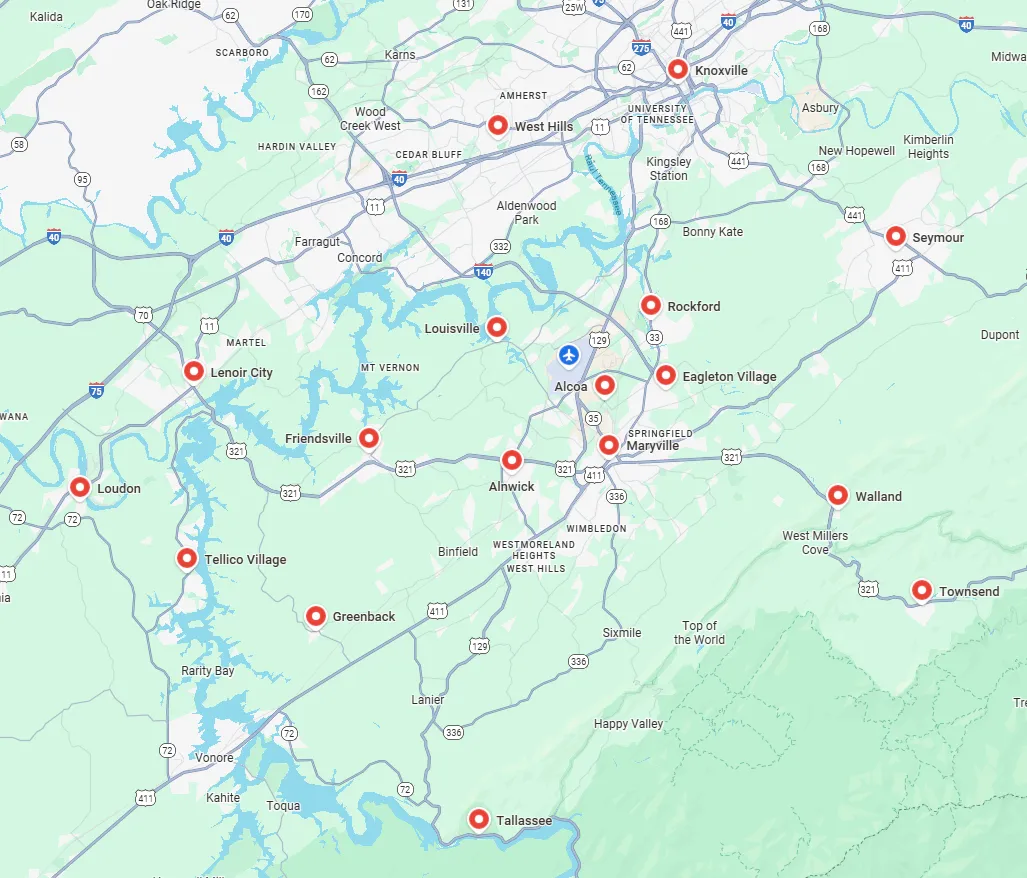
Everest Air Heating and Cooling brings local experience serving Knoxville and surrounding counties with an emphasis on honest recommendations, quality installation, and transparent explanations. Our approach focuses on matching the right equipment to your home’s needs, performing thorough diagnostics, and following industry best practices for removal, installation, and commissioning. We also provide clarity on warranties, potential incentives, and ongoing maintenance needs so you can make an informed decision about replacing your HVAC system.
Frequently Asked Questions
Q: How do I know if replacement is better than repair?
A: Consider replacement if your system is beyond 10 to 15 years, if you face frequent costly repairs, if it cannot maintain comfort, or if efficiency has declined markedly. An evaluation that includes expected life remaining, repair costs, and potential energy savings from new equipment will help you decide.
Q: What is Manual J and why is it important?
A: Manual J is a standardized load calculation that determines the exact heating and cooling capacity your home requires. It is essential for right-sizing equipment to avoid the problems of oversizing or undersizing, such as short cycling or insufficient comfort.
Q: Will replacing my system reduce humidity in my home?
A: Yes. Modern variable-speed systems and properly sized equipment run longer at lower speeds, which improves dehumidification. Duct sealing and correct airflow also contribute to better humidity control in Knoxville’s humid climate.
Q: Are there rebates or tax credits for new HVAC systems?
A: Rebates and tax incentives can be available through local utilities, manufacturers, or federal and state programs for qualifying high-efficiency equipment. Availability and eligibility change over time, so it is helpful to review current programs when planning a replacement.
Q: How long does a full HVAC replacement take?
A: A standard full replacement for a single-family home often takes one to two days, depending on complexity, permits, and any additional ductwork or envelope improvements required. Larger projects or multiple-system replacements can take longer.
Q: What should I expect after installation?
A: Expect improved comfort, quieter operation, and lower energy use. Technicians will commission the system, explain operation and maintenance, and provide documentation on warranties and recommended service intervals.
Q: Do you handle refrigerant recovery and disposal?
A: Yes. Proper refrigerant recovery and disposal are required by law and will be performed by certified technicians to ensure environmental compliance and safe handling.
Q: How do I maximize the life and efficiency of my new system?
A: Regular maintenance, timely filter changes, sealing ducts, and annual Tune-Ups preserve efficiency and reliability. Following the manufacturer’s maintenance schedule is also necessary to maintain warranty coverage.
Q: Can I upgrade just the outdoor unit if my indoor coil is old?
A: Partial replacements should be approached with caution. Mismatched indoor and outdoor components can reduce performance and void warranties. A matched system is recommended for optimal efficiency and reliability.
Q: Will a new system be quieter?
A: Modern systems are engineered to operate much more quietly than older units, with improved compressor technology and insulated cabinets that reduce outdoor and indoor noise.
hear what our satisfied clients have to say

David P.
Service areas