

HVAC Installation in Knoxville, TN
Putting in a new heating and cooling system is one of the biggest investments you'll make in your home's comfort, energy efficiency, and even its resale value. Here in Knoxville, TN, Everest Air Heating and Cooling offers a straightforward, professional approach to HVAC installation. Our goal is to take away any guesswork and make sure you get reliable performance all year long. We'll walk you through the entire installation process, from the initial on-site assessment and precise load calculations, all the way to post-installation testing and what to expect for ongoing maintenance. We want you to feel absolutely confident in your decision, knowing it perfectly suits your home, budget, and the specific climate here in Knoxville.
Why professional HVAC installation matters in Knoxville
Knoxville experiences hot, humid summers and cold, sometimes damp winters. High humidity, seasonal pollen, and older homes with leaky ductwork make proper system sizing, air distribution, and humidity control essential. An incorrectly sized system or a poorly executed installation can lead to short cycling, uneven temperatures, higher energy bills, accelerated wear, and indoor air quality problems. Professional installation addresses those risks through accurate measurements, correct equipment selection, and quality workmanship tailored to local conditions.
Everest Air Heating and Cooling focuses on long-term comfort and efficiency—not quick fixes. The right installation helps your system run quieter, last longer, and manage humidity more effectively in Knoxville homes.
Common HVAC installation types and what they solve
- Full system replacement - Replacing both the outdoor condenser/heat pump and the indoor air handler or furnace when equipment is aged, inefficient, or failing.
- Condenser or heat pump swap - Changing the outdoor unit while keeping compatible indoor components.
- Furnace replacement - Installing a new gas or electric furnace for safer, more efficient heating.
- Ductless Mini Split installation - Ideal for additions, older homes without ductwork, or rooms that need independent temperature control.
- Zoned systems - Adding dampers or multiple thermostats for better temperature control across floors or large homes.
- Ductwork replacement or modification - Addressing leaks, poor airflow, or reconfiguring ducts during remodels.
- Hybrid and heat pump conversions - Installing high-efficiency heat pumps for both heating and cooling in place of traditional systems.
Each project starts with an on-site evaluation to determine the most appropriate approach for that home and lifestyle.
On-site assessment and load calculations
Accurate sizing and placement begin with a thorough on-site assessment. Everest Air Heating and Cooling performs industry-standard load calculations and evaluates the home’s unique characteristics to determine the correct system capacity and configuration.
Key steps in the assessment:
- Inspect building envelope - wall insulation levels, attic insulation, window types, and orientation to sun exposure. In Knoxville, older homes often have less insulation and leaky windows that affect heating and cooling loads.
- Measure square footage and ceiling heights - Includes conditioned and unconditioned spaces, attic, basements, and finished crawlspaces.
- Evaluate ductwork - Size, layout, leakage, and insulation. Leaky ducts in older Knoxville homes are a common source of efficiency loss.
- Check existing system performance - Age, refrigerant type, electrical connections, and any known issues.
- Perform Manual J load calculation - The accepted method to determine heating and cooling loads, factoring in local climate data, infiltration, and occupancy. Manual S and Manual D analyses follow for equipment selection and duct design.
Proper load calculations prevent oversizing or undersizing. Oversized equipment can short-cycle and fail to manage humidity during Knoxville’s humid summers. Undersized equipment will struggle to meet comfort demands on extreme days.
Selecting energy-efficient equipment for Knoxville homes
Choosing the right system means balancing upfront cost, operating efficiency, local climate performance, and expected lifespan. Everest Air Heating and Cooling guides homeowners through energy-efficient model selection with an emphasis on long-term value.
Considerations and performance metrics:
- Cooling efficiency - SEER (Seasonal Energy Efficiency Ratio) and SEER2 ratings indicate how efficiently a system cools. Higher SEER is generally better for Knoxville’s long cooling season.
- Heating efficiency - HSPF (Heating Seasonal Performance Factor) for heat pumps and AFUE (Annual Fuel Utilization Efficiency) for furnaces indicate heating efficiency. Heat pumps have become more efficient and practical for much of Tennessee.
- Variable-speed vs single-speed - Variable-speed compressors and ECM blower motors improve comfort and humidity control by adjusting output to match demand.
- Two-stage or modulating systems - Provide more stable temperatures and better humidity management than single-stage units.
- Refrigerant type - Modern systems use environmentally safer refrigerants; older R-22 systems are phased out and costly to recharge or retrofit.
- Indoor air quality options - High-efficiency filtration, media filters, UV germicidal lights, and whole-home dehumidifiers can be integrated to manage Knoxville’s pollen and humidity.
- Ductless options - Ductless Mini Splits offer efficient room-by-room control for additions, converted spaces, or homes with poor duct systems.
Everest Air Heating and Cooling installs and supports trusted brands commonly selected for performance and reliability in East Tennessee, including York, American Standard, Goodman, Lennox, Ruud, and Rheem. Brand choice is based on the combination of efficiency, compatibility with your home, and long-term supportability.
Professional installation steps
A quality installation is methodical and code-compliant. Below is the typical step-by-step process you can expect for a full system replacement or new installation in Knoxville.
- Pre-installation planning
- Confirm equipment model, capacity, and accessories.
- Verify permits and local code requirements. Many Knoxville projects require permits and inspections for replacements or new systems.
- Schedule logistics for material delivery and area protection.
- Site preparation
- Protect flooring and landscaping. Technicians use drop cloths, shoe covers, and path protection.
- Turn off power and gas as required for safety and code compliance.
- Removal of old equipment
- Recover refrigerant to comply with environmental regulations.
- Disconnect and remove outdoor condensing unit, indoor air handler or furnace, and associated components.
- Remove old ductwork sections if being replaced.
- Ductwork and ventilation work
- Inspect and repair ductwork, seal leaks, and add insulation as needed.
- Adjust or balance duct sizes and runs to match the new system’s airflow requirements.
- Mechanical and electrical connections
- Install new condensing unit and indoor equipment in specified locations.
- Connect refrigerant lines, ensuring proper insulation and protection for exterior lines.
- Update electrical wiring and disconnects to meet current codes and manufacturer requirements.
- Install new thermostat wiring or upgrade to a smart thermostat if part of the scope.
- Gas and combustion work (for furnaces)
- Install gas line connections, pressure test, and perform combustion safety checks, including venting and draft testing.
- Condensate and drain setup
- Ensure proper condensate drainage and install traps or condensate pumps as needed. Proper drainage is essential in Knoxville’s humid weather to prevent overflow and mold.
- System charging and start-up
- Evacuate and vacuum refrigerant lines as required, then charge the system precisely per manufacturer specifications.
- Configure control settings, staging, and fan curves for optimal performance.
- Clean up and disposal
- Remove old equipment and jobsite debris. Leave the home clean and protected.
- Customer orientation
- Explain system operation, thermostat programming, maintenance requirements, and warranty coverage. Provide documentation and manufacturer registration guidance.
This methodical approach reduces callbacks and ensures the system meets performance and safety expectations.
Post-installation testing, commissioning, and documentation
Proper commissioning confirms the system operates at design conditions and that all safety systems function.
Standard performance and safety checks include:
- Airflow measurement - Verify CFM at supply registers and measure static pressure to ensure ducts and blower are balanced.
- Refrigerant charge testing - Measure superheat or subcooling to confirm correct refrigerant levels.
- Electrical testing - Check amp draw and voltage across compressors, fan motors, and controls.
- Thermostat calibration - Confirm temperature sensing and control logic, including staging and setback schedules.
- Combustion analysis - For gas appliances, measure combustion gases, CO levels, and venting draft to ensure safety.
- Condensate testing - Verify drains, traps, and safety float switches work correctly under load.
- System runtime and cycling observation - Run the system through multiple cycles to monitor temperature recovery and humidity control.
- Final inspection documentation - Provide as-built details, wiring diagrams, and commissioning results for homeowner records and permit sign-offs.
Everest Air Heating and Cooling documents these steps and provides homeowners with the manufacturer warranty paperwork, recommended maintenance schedules, and any necessary permit inspection completion certificates.
Warranties, registrations, and financing in Knoxville
Warranties and clear financial options are part of making a confident investment.
Warranty considerations:
- Manufacturer warranty - Typically covers major components like compressors and heat exchangers; lengths vary by brand and model. Many manufacturers require registration within a specific time after installation to obtain full coverage.
- Installer workmanship warranty - Everest Air Heating and Cooling includes workmanship coverage for installations to protect against installation-related failures. Installer warranties vary in length; keep documentation handy.
- Extended warranties and service agreements - Extended coverage can protect against unexpected repairs beyond the standard warranty period when available.
Registration and maintenance:
- Register equipment promptly with the manufacturer to activate full warranty coverage.
- Keep records of maintenance visits; many warranties require regular professional maintenance to remain valid.
Financing options:
- Everest Air Heating and Cooling understands replacement projects are significant investments. Financing and payment options are often available to help spread costs while still choosing a system that meets long-term needs.
- Y.E.T.I Comfort Plan - Ongoing maintenance plans like the Y.E.T.I Comfort Plan help protect warranty coverage and keep the system operating at peak efficiency through seasonal check-ups and priority scheduling.
Discuss warranty registration and financing during planning so the right coverage and payment plan align with your expectations.
What to expect during a replacement project in your home
Knowing the process reduces stress. A typical residential replacement will follow these homeowner-friendly expectations:
- Timeline - Most straightforward replacements are completed within one to three days. Complex jobs involving duct replacement, structural modifications, or permitting may extend the timeline.
- Disruption - Expect the work area to be temporarily occupied, with intermittent noise from tools and equipment. Everest Air Heating and Cooling technicians take steps to minimize disruption by protecting floors, using clean practices, and confining debris to a work zone.
- Access - Technicians will need access to attic or mechanical closets, crawlspaces, and outdoor unit locations. Clear access and removal of personal items from those areas speeds progress.
- Safety - Gas and electrical shutoffs will be handled by professionals. Temporary interruption of HVAC function is normal during changeover.
- Permits and inspections - The installer handles permits and coordinates inspections when required by local jurisdictions in Knoxville. Permit timelines can affect start and completion dates.
- Final walkthrough - After testing, the installer provides a walkthrough to demonstrate operation, thermostat programming, filter types, and maintenance recommendations.
Clear communication is part of a quality installation. Expect a detailed explanation of what was done and why.
Solving common HVAC installation issues in Knoxville
Knoxville has unique challenges that commonly appear during installations. Everest Air Heating and Cooling addresses them proactively:
- High indoor humidity - Use of variable-speed systems, two-stage compressors, or supplemental dehumidification helps control humidity during Knoxville summers.
- Pollen and indoor air quality - Adding high-efficiency filtration, whole-home air cleaners, or MERV-rated filters reduces allergens that are common in this region.
- Uneven temperatures in older homes - Zoning, duct balancing, and targeted ductwork repairs resolve hot or cold spots.
- Duct leakage - Sealing and insulating ducts improves efficiency and home comfort while reducing energy loss in conditioned basements or crawlspaces.
- Refrigerant compatibility - Old R-22 systems require special handling; replacements should use modern refrigerants for environmental compliance and future serviceability.
- Tight or constrained equipment spaces - Careful planning and sometimes minor modifications are needed for fitting new equipment into small mechanical rooms.
Addressing these issues during the planning stage prevents performance problems after installation.
Long-term benefits of a properly installed HVAC system
A correctly installed HVAC system delivers measurable benefits for Knoxville homeowners:
- Improved comfort - Consistent temperatures and better humidity control mean fewer cold or hot spots.
- Lower operating costs - Efficient systems and sealed ducts reduce monthly energy bills.
- Extended equipment life - Correct installation, proper refrigerant charge, and accurate airflow reduce stress on components.
- Better indoor air quality - High-efficiency filtration and proper ventilation reduce allergens and pollutants.
- Increased home value - Modern, efficient HVAC systems are attractive to buyers and can be a selling point.
- Fewer emergency repairs - Quality installations reduce the risk of early failures and costly emergency service calls.
Everest Air Heating and Cooling emphasizes reliability and longevity to provide these long-term advantages.
Maintenance and what to do after installation
Maintenance keeps an HVAC system running efficiently and preserves warranties.
Recommended ongoing steps:
- Seasonal Tune-Ups - Schedule fall and spring checkups to clean coils, check refrigerant, test safety controls, and confirm combustion efficiency for gas systems.
- Filter replacement - Replace disposable filters every 1 to 3 months; higher-efficiency filters may require more frequent checks in homes with pets or high pollen.
- Keep outdoor units clear - Maintain 2 to 3 feet of clearance around outdoor condensers for airflow and periodic cleaning.
- Monitor for changes - Unusual noises, changes in run time, or higher-than-normal electric bills are signs to call for a professional assessment.
Joining a maintenance plan such as the Y.E.T.I Comfort Plan provides scheduled inspections, priority scheduling, and discounts that protect both comfort and warranty status.
Supported brands and product compatibility
Everest Air Heating and Cooling installs and supports a range of major HVAC brands that balance efficiency and serviceability for Knoxville homes. Supported brands include York, American Standard, Goodman, Lennox, Ruud, and Rheem. Brand selection is matched to your home’s load requirements, energy goals, and budgetary priorities.
When evaluating brands, consider:
- Local serviceability and parts availability
- Manufacturer warranty terms and registration requirements
- Efficiency ratings relative to your utility costs and usage patterns
- Compatibility with available indoor air quality accessories and smart thermostats
Your installer will explain the trade-offs and recommend a solution that aligns with performance and long-term ownership costs.
FAQs
Q: How long does a typical HVAC installation take?
A: Most straight-forward replacements are completed in one to three days. Jobs that require new ductwork, structural changes, or permit timelines can extend the project. Your installer will provide a project schedule during planning.
Q: How is the right system size determined for my home?
A: Technicians perform a Manual J load calculation that accounts for local climate, insulation, windows, orientation, occupancy, and duct losses. That calculation determines the appropriate equipment capacity to avoid oversizing or undersizing.
Q: What efficiency ratings should I consider for Knoxville?
A: For cooling, look at SEER ratings; higher values provide more savings during Knoxville’s long cooling season. For heating, consider HSPF for heat pumps and AFUE for furnaces. Variable-speed compressors and multi-stage systems help with humidity control.
Q: Will I need a permit for my installation?
A: Many installations in Knoxville require permits and final inspections. A qualified installer will handle permit applications and coordinate inspections to ensure the work meets local codes.
Q: How long do manufacturer and installation warranties typically last?
A: Manufacturer warranties vary by brand and model and often require registration. Common compressor or heat exchanger warranties range from 5 to 10 years, while workmanship warranties from installers vary. Keep documentation and maintenance records to preserve coverage.
Q: Can a heat pump handle Knoxville winters?
A: Modern heat pumps are increasingly efficient in cold climates and are suitable for much of Tennessee, especially when paired with proper backup systems or hybrid configurations where needed. System selection depends on your specific home and heating needs.
Q: What should I expect the day installers arrive?
A: Expect technicians to protect floors and pathways, shut off utilities as needed, remove old equipment, and perform the installation. There will be some noise and temporary disruption, but professionals take steps to minimize mess and inconvenience.
Q: How soon should I schedule maintenance after installation?
A: Schedule the first seasonal check within six months to a year after installation, depending on the time of year. Regular spring and fall Tune-Ups help maintain efficiency and warranty compliance.
Q: Are financing options available for HVAC installations?
A: Financing options are commonly available to help spread the cost of new systems and upgrades. Discuss financing and payment options during planning to find what works for your situation.
Q: What indoor air quality improvements should I consider for Knoxville?
A: Consider high-efficiency filtration, whole-home air cleaners, UV lights, and dehumidification. These solutions address pollen, mold potential in humid months, and general allergen reduction.
hear what our satisfied clients have to say

David P.
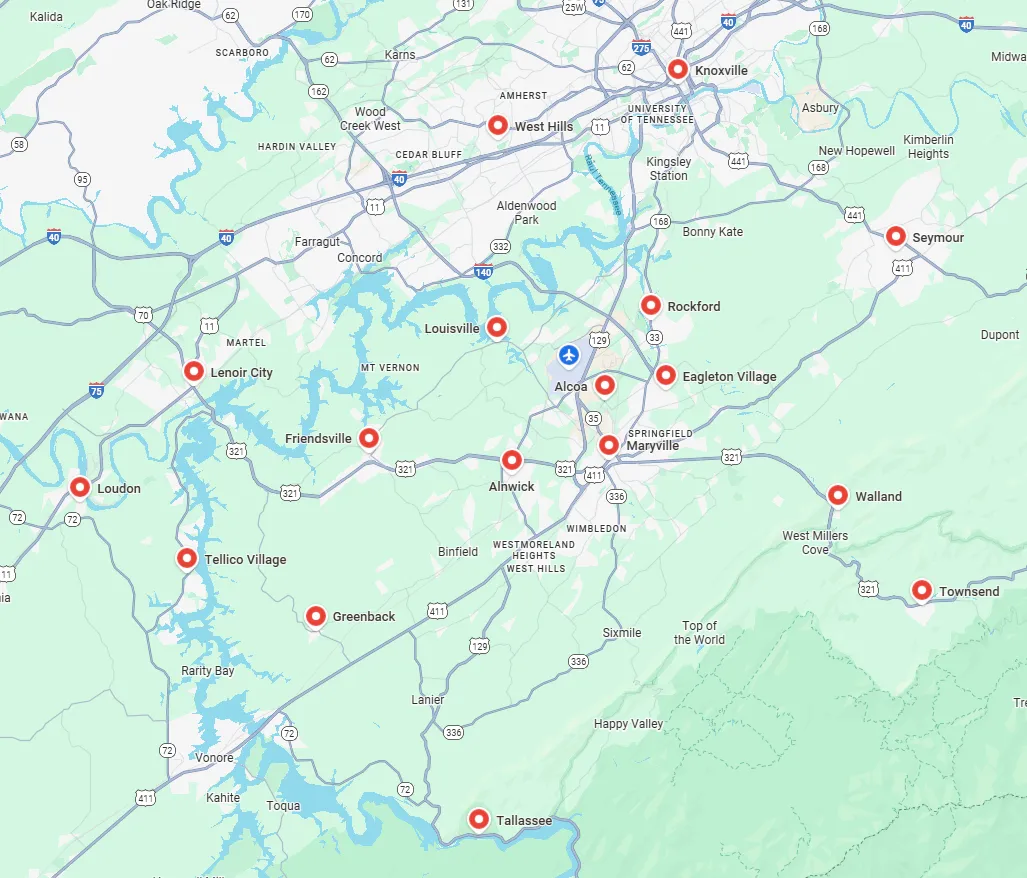
Service areas