

Commercial HVAC in Rockford, TN
When you're running a commercial property in Rockford, TN, keeping things comfortable, compliant, and energy-efficient is a big deal. You need a partner who truly understands both the advanced technology of bigger HVAC systems and the specific climate and business needs right here in Rockford. That's exactly where Everest Air Heating and Cooling comes in. We deliver commercial HVAC services in Rockford, TN that are perfectly tailored for places like retail stores, offices, restaurants, warehouses, churches, schools, and light industrial facilities. From initial system design and installation to preventative maintenance contracts, quick repairs, rooftop unit care, compliance checks, and dedicated account management – our whole focus at Everest Air Heating and Cooling is on providing reliability, predictable operating costs, and making your equipment last longer, all while keeping everyone comfortable and safe.
.avif)
Why specialized commercial HVAC matters in Rockford, TN
Rockford sits in East Tennessee where summers are hot and humid and winters can swing from mild to freezing. Commercial buildings face heavy cooling loads during long, humid summers and occasional heating spikes in winter. Humidity, pollen, and seasonal storms put extra stress on rooftop units and large systems. Businesses in Rockford need HVAC solutions that:
- Maintain stable indoor temperatures and humidity for occupants and sensitive equipment.
- Minimize downtime to protect revenue and operations.
- Meet ventilation and safety requirements for public and employee spaces.
- Control operating costs by improving system efficiency and preventive care.
Everest Air Heating and Cooling understands these local factors and designs and maintains systems to perform reliably under East Tennessee conditions.
Common commercial HVAC issues in Rockford businesses
Business owners and facility managers in Rockford frequently encounter recurring HVAC problems that reduce comfort, increase energy costs, or risk code violations. Typical issues include:
- Poor cooling on hot, humid days due to low refrigerant charge, failing compressors, or dirty coils.
- Uneven temperature and humidity control across zones caused by improper ductwork, failed dampers, or outdated controls.
- Rooftop unit failures after storms because of water intrusion, corrosion, or degraded seals.
- Frequent short cycling from oversized equipment, clogged filters, or faulty controls.
- Rising energy bills from aging equipment, degraded insulation, or inefficient control strategies.
- Leak concerns for refrigerants, condensate drains, and chilled water piping.
- Inadequate ventilation and fresh air intake affecting indoor air quality and compliance.
- Emergency breakdowns during peak occupancy times that disrupt operations and customer experience.
Recognizing these pain points early allows a structured strategy of diagnostics, repair, and preventive maintenance to reduce risk and total cost of ownership.
Commercial HVAC services we provide in Rockford, TN
Everest Air Heating and Cooling offers a full suite of services tailored to commercial-scale needs. Each service is adapted to the building type, system size, and local environmental demands.
- System design and engineering
- Load calculations, building envelope assessment, and equipment selection sized for real operating conditions.
- Layouts for rooftop units, packaged systems, split systems, and ductwork to optimize airflow and efficiency.
- Controls and automation planning that support energy management, scheduling, and remote monitoring.
- Installation and commissioning
- Professional equipment and control installations with attention to flue clearances, roof curbs, vibration isolation, and condensate routing.
- Start up and commissioning to verify performance, calibrate controls, and document system settings.
- Training for on site staff on basic operation and alarm response.
- Preventative maintenance contracts
- Scheduled inspections and Tune-Ups tailored to commercial cycles and local climate stresses.
- Seasonal coil cleaning, filter management, belt and bearing checks, refrigerant leak detection, and electrical safety checks.
- Detailed service reports and equipment condition tracking to support budgeting and capital planning.
- Rooftop unit and large system service
- Specialized care for packaged rooftop units including curb flashing inspection, drain pan treatments, economizer calibration, and rooftop anchor integrity.
- Service for chillers, boilers, and central plant components including water treatment coordination and pump balancing.
- Fast-response repairs and emergency support
- Diagnostic protocols to isolate faults quickly, prioritize parts, and restore critical systems to minimize downtime.
- Work processes designed for safe, efficient repair in occupied commercial spaces with minimal disruption.
- Compliance and safety checks
- Documentation and inspections that support local code compliance, ventilation requirements, and indoor air quality best practices.
- Refrigerant handling in accordance with applicable regulations and safe disposal practices for retired equipment.
- Priority scheduling and account management
- Dedicated account coordination, predictable service windows, and prioritized dispatching to reduce response time and simplify vendor management for multi-site operations.
How we approach commercial system design and installation
Proper design is the foundation of reliable commercial HVAC. Our process focuses on matching equipment and controls to the actual needs of the building and occupants:
- Site assessment and load analysis
- Evaluate building orientation, insulation, glazing, internal loads, occupancy patterns, and existing mechanical infrastructure.
- Equipment selection
- Choose systems that optimize lifecycle cost, reliability, and serviceability. Consider rooftop packaged units, split systems, VRF solutions, or chilled water plants based on building size and application.
- Controls planning
- Specify control strategies for zoning, economizers, and scheduling to reduce runtime during unoccupied periods and manage humidity.
- Installation oversight and commissioning
- Ensure contractors follow manufacturer installation criteria, start up the system, and validate performance under real loads.
This method reduces the risk of oversizing, poor humidity control, and inefficient operation common in commercial retrofits.
Preventative maintenance contracts: what a commercial plan includes
A structured maintenance contract is a business continuity tool that reduces emergency repairs and unexpected downtime. Typical components of a commercial preventative maintenance program include:
- Regular inspections and seasonal Tune-Ups scheduled to match peak usage periods.
- Filter management with recommended replacement intervals and premium filter options for improved indoor air quality.
- Coil cleaning and condenser maintenance to preserve heat transfer efficiency.
- Fan, motor, and drive inspections including lubrication and alignment.
- Electrical system checks including contactor and relay testing and tightened connections.
- Refrigerant verification and leak detection with documentation.
- Drain and condensate pan cleaning to avoid overflow and microbial growth.
- Controls and sensor calibration and software updates where applicable.
- Priority service response and account-level reporting with recommended capital improvements.
Benefits include fewer emergency calls, predictable maintenance budgets, extended equipment life, and documented compliance records.
Rapid repairs and emergency response protocols
When commercial HVAC fails, rapid mitigation is essential to protect operations. Everest Air Heating and Cooling employs a structured response that focuses on speed and accuracy:
- Initial triage to classify the problem and impact on operations.
- On site diagnostic checklist covering electrical, refrigerant, airflow, and control systems.
- Immediate temporary measures where needed to restore essential functions while planning permanent repairs.
- Clear documentation of findings, parts required, timelines, and potential business impacts.
- Efficient parts sourcing and repair sequencing to minimize repeat visits.
This process helps reduce lost productivity, spoilage for restaurants or cold storage, and occupant discomfort during critical business hours.
Rooftop units and larger systems: maintenance specifics for Rockford properties
Rooftop units are common on commercial buildings in Rockford due to ease of installation and maintenance. However, rooftop equipment faces unique challenges:
- Exposure to sun, wind-driven rain, pollen, and temperature cycling increases wear.
- Roof membrane penetrations and curb integrity affect longevity and leak risk.
- Condensate drainage and drain pan corrosion can lead to interior water damage.
- Economizers and dampers must be calibrated seasonally to balance outside air needs with humidity control.
For larger systems like chillers and compressors, regular water treatment, vibration analysis, and pump and valve servicing are essential. Our rooftop and plant-focused maintenance addresses these specifics to reduce failures tied to local climate stressors.
Compliance and safety: what commercial clients in Rockford need to know
Commercial HVAC must meet safety and regulatory requirements to protect occupants and avoid fines. Everest Air Heating and Cooling supports compliance in several areas:
- Ventilation and fresh air delivery to meet code and maintain indoor air quality for employees and visitors.
- Refrigerant handling and record keeping to comply with regulations and avoid environmental penalties.
- Electrical safety inspections and grounding checks to reduce fire risk.
- Combustion safety and exhaust verification for systems that use gas or oil.
- Documentation for inspections and corrective work to support audits and insurance requirements.
We provide clear, documented checks that facility managers can use in their compliance records.
Energy efficiency upgrades and operational savings
Commercial HVAC improvements deliver long term savings and better occupant comfort. Typical efficiency and cost control measures include:
- Upgrading to high efficiency rooftop units or variable speed drives for fans and compressors to reduce runtime and electrical demand.
- Implementing or upgrading building automation systems for scheduled setbacks, occupancy-based control, and remote monitoring.
- Installing economizers correctly and tuning them for local humidity patterns to capture free cooling opportunities without raising humidity.
- Retrofitting with zoning dampers and controls to reduce overconditioning of unused spaces.
- Conducting retrocommissioning to restore systems to original design performance and identify control tweaks that yield measurable savings.
These strategies not only cut energy consumption but also help stabilize operating budgets for Rockford businesses.
Account management and priority scheduling for multi site operations
For businesses with multiple facilities or critical operations, coordinated service and fast response times are essential. Account management options designed for commercial clients include:
- Single point of contact for service coordination, reporting, and budgeting.
- Centralized asset tracking and maintenance history to guide replacement planning.
- Priority dispatching during high demand or emergency conditions.
- Scheduled site visits that align with business cycles to minimize disruption.
This approach simplifies vendor management and creates predictable maintenance outcomes.
What to expect during a commercial service visit
Everest Air Heating and Cooling follows a transparent, professional process that minimizes disruption to business operations:
- Arrival with proper identification and safety protocols for occupied facilities.
- Initial system assessment and safety checks, including lockout tagout procedures where necessary.
- Diagnostic testing of electrical, refrigeration, airflow, and controls systems with documented findings.
- Clear explanation of required repairs, phased work options, and timeline considerations for minimal operational impact.
- Completion of work with testing under load, cleanup, and a service report detailing replaced parts and recommended follow up actions.
This consistent process supports facility managers and building owners who need clear documentation for operations and compliance.
Maintenance tips for Rockford facility managers
Small proactive steps can prevent many common commercial HVAC problems in Rockford:
- Keep roof access and curbs clear of debris and vegetation that can damage rooftop units.
- Maintain a regular filter change schedule and consider higher MERV filters for improved indoor air quality.
- Track seasonal energy use for sudden spikes that may indicate failing components.
- Coordinate seasonal Tune-Ups before peak summer and winter periods to avoid emergency failures.
- Monitor condensate drains and pans for blockages and water stains inside the building.
- Maintain written maintenance logs and equipment histories to inform repair and replacement decisions.
These operational habits reduce emergency downtime and extend equipment life.
Why well executed commercial HVAC work matters for Rockford businesses
Well maintained, correctly sized, and efficiently controlled HVAC systems deliver tangible business benefits:
- Reduced unplanned downtime that protects revenue and productivity.
- Lower operating costs through improved energy performance and reduced overtime repair bills.
- Improved occupant comfort and indoor air quality that supports employees and customers.
- Extended equipment life and more predictable capital replacement planning.
- Clear compliance records that reduce regulatory and insurance risks.
Everest Air Heating and Cooling builds services around these outcomes to help Rockford businesses operate reliably and efficiently.
Frequently Asked Questions
Q: How often should a commercial HVAC system in Rockford be inspected?
A: Commercial systems should be inspected at least twice per year, with spring and fall Tune-Ups timed before peak cooling and heating seasons. Facilities with heavy usage or critical operations may benefit from quarterly visits and continuous monitoring.
Q: What does a commercial preventative maintenance agreement typically cover?
A: A commercial plan usually covers scheduled inspections, filter and coil servicing, electrical and refrigerant checks, belt and motor maintenance, control calibration, drain cleaning, and priority response. Reporting and recommendations for capital improvements are also commonly included.
Q: Are rooftop units harder to maintain because of exposure?
A: Rooftop units experience more environmental stress from sun, rain, and debris, making seasonal inspections for roof penetrations, drain integrity, and component corrosion especially important. Proper flashing, curb sealing, and regular coil cleaning significantly reduce risk.
Q: How can I reduce my commercial energy bills without replacing the entire system?
A: Efficiency gains can come from control upgrades, variable speed drives, economizer tuning, zoning improvements, duct sealing, and improved maintenance such as coil cleaning and filter management. Retrocommissioning often finds low cost control changes that deliver measurable savings.
Q: What should I expect during an emergency HVAC repair at my business?
A: Expect an initial triage to identify critical impacts, temporary mitigation to restore essential functionality if needed, a diagnostic report with recommended repairs, and an estimated timeline for parts and permanent fixes. Safety and minimal disruption are priorities during occupied hours.
Q: Do commercial HVAC technicians handle refrigerant regulations and disposal?
A: Yes. Qualified commercial HVAC technicians follow applicable refrigerant handling practices, leak detection protocols, and proper disposal or reclaiming procedures to meet environmental regulations and reduce liability.
Q: Can a preventative maintenance plan improve equipment life?
A: Regular preventive maintenance reduces component stress, prevents minor issues from escalating, and improves system efficiency. This consistent care typically extends equipment life and reduces the frequency of major failures.
Q: What documentation will I receive after commercial service or maintenance?
A: You should receive a detailed service report outlining work performed, findings, parts replaced, recommended follow up, and any compliance-related notes. This documentation supports budgeting, audits, and warranty requirements.
Everest Air Heating and Cooling provides the technical knowledge and local experience to support Rockford businesses with commercial HVAC systems sized and maintained for local climate and operational demands. Our commercial services are designed to reduce risk, lower operating costs, and keep your facility comfortable and compliant throughout the year.
hear what our satisfied clients have to say

David P.
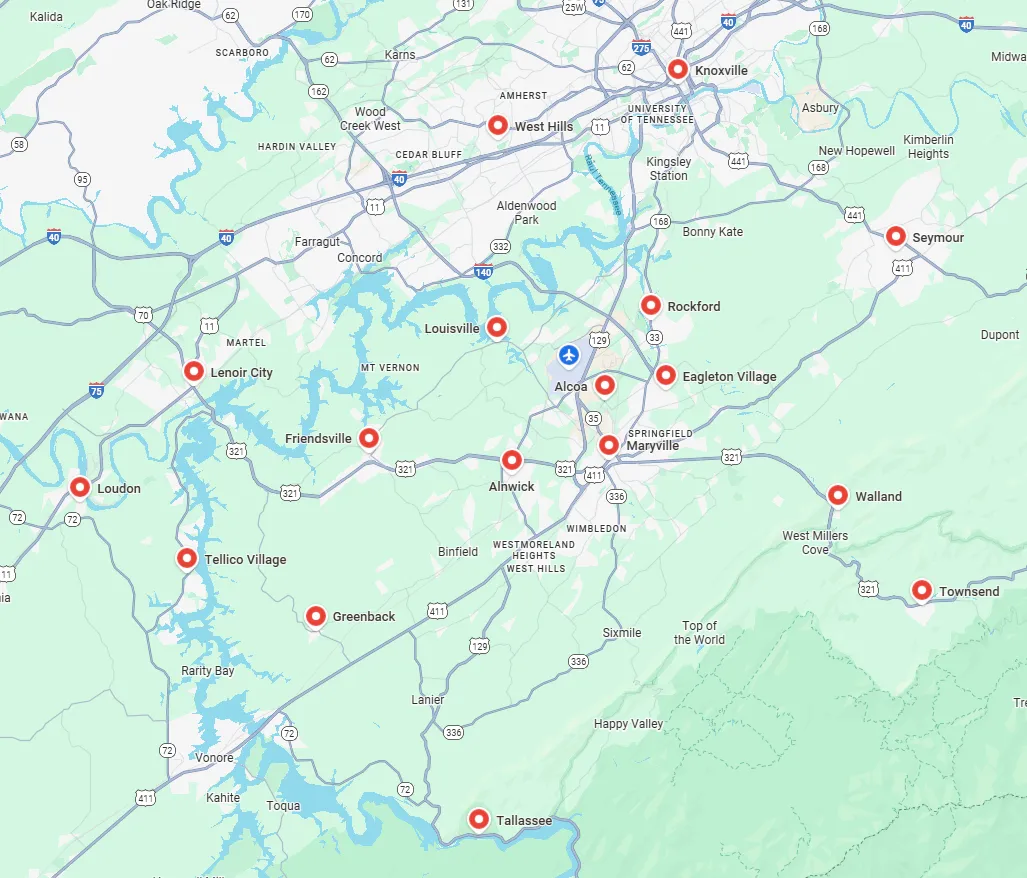
Service areas