

Heating Tune-Up in Tallassee, TN
Keeping your heating system in prime condition is truly one of the best things you can do to safeguard your home, keep those energy bills in check, and prevent frustrating emergency breakdowns when Tallassee, TN experiences its coldest nights. A professional heating Tune-Up from Everest Air Heating and Cooling is a targeted, seasonal service specifically crafted to inspect, test, clean, and fine-tune all critical components. This ensures your furnace or heat pump operates safely and efficiently throughout the entire winter. We pride ourselves on sending trained technicians who follow consistent procedures and apply their invaluable local knowledge to every Tune-Up, making preventive maintenance a truly reliable strategy for your comfort and your system's long-term performance.
Why a seasonal heating Tune-Up matters in Tallassee, TN
Tallassee and the surrounding East Tennessee region experience cold snaps, temperature swings, and periods of damp, chilly weather that put extra strain on heating equipment. Older systems, dirty filters, and small mechanical or electrical faults become major problems fast when outside temperatures drop. Regular Tune-Ups help prevent:
- Sudden failures on the coldest days
- Inefficient operation that raises energy bills
- Indoor air quality issues driven by dust, mold, or clogged filters
- Safety risks such as carbon monoxide leaks or electrical faults
- Premature wear on motors, belts, and moving parts
Everest Air Heating and Cooling understands local patterns like freeze-thaw cycles, seasonal pollen and dust, and homes with mixed ductwork that influence heating performance. That local perspective guides our inspection priorities and ensures a Tune-Up addresses the realities of Tallassee homes.
Common heating issues we see in Tallassee homes
Understanding frequent problems helps homeowners recognize why Tune-Ups are a smart investment. In Tallassee, technicians commonly encounter:
- Dirty or clogged air filters restricting airflow and forcing the system to work harder
- Poor thermostat calibration or placement leading to uneven heating and short cycling
- Ignition or pilot problems on gas furnaces due to build-up or wear
- Weak blower motors or failing capacitors that reduce airflow
- Refrigerant undercharge or leaks in heat pumps from aging connections
- Deteriorated belts and bearings that create noise and increase load
- Duct leaks, poorly sealed registers, or collapsed insulation reducing delivery efficiency
- Corroded heat exchanger sections or rusted components that can cause unsafe operation
Many of these problems start small but compound under heavy seasonal use, increasing the chance of emergency repair calls. A thorough Tune-Up catches these issues early and either corrects them or produces a prioritized list of recommended follow-up repairs.
What a full heating Tune-Up includes
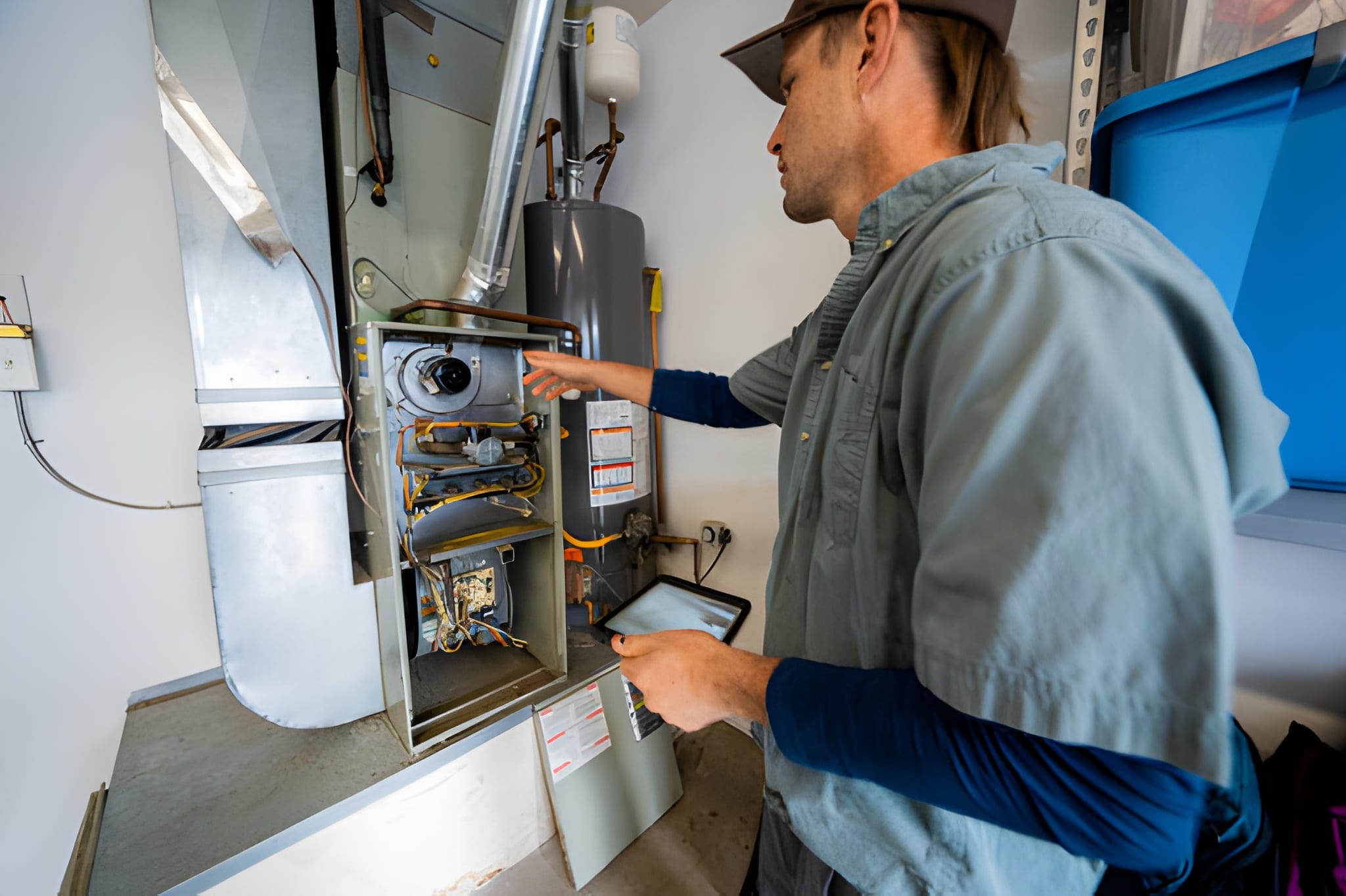
A professional Tune-Up is systematic. Everest Air Heating and Cooling follows a consistent checklist to make sure nothing important is missed. Typical Tune-Up tasks include cleaning, inspection, adjustment, and testing of the following areas:
Inspection and cleaning
- Visual inspection of the furnace or heat pump cabinet, burners, heat exchanger, and combustion area for signs of rust, cracks, soot, or debris
- Cleaning of burner assemblies, ignition systems, and pilot components for reliable starts
- Vacuuming and wiping accessible interior parts to remove dust, pet hair, and debris that impede performance
- Cleaning or recommending replacement of the air filter and inspecting filter housing for proper seal
Electrical and control checks
- Tightening electrical connections that loosen with vibration over time
- Testing and verifying thermostat communication and calibration
- Checking safety controls and limit switches for correct operation
- Inspecting wiring insulation and terminal connections for corrosion or wear
Airflow and distribution
- Checking blower motor operation and measuring amp draw to identify strain
- Inspecting blower wheel for dirt or imbalance and cleaning as needed
- Measuring supply and return temperatures to assess airflow performance
- Inspecting ductwork visible in the attic, crawlspace, or basement for disconnections, leaks, or damage
Combustion and safety testing
- Testing ignition response and flame quality on gas systems
- Performing carbon monoxide checks at the unit and advising on any abnormal readings
- Checking venting and flue connections for blockages or corrosion
- Verifying exhaust draft and pressure where applicable
Performance measurements
- Measuring temperature split, static pressures, and other diagnostic readings to evaluate system efficiency
- For heat pumps, checking refrigerant pressures and operating temperatures to identify undercharge or overcharge conditions
- Testing system runtime cycles and observing startup and shutdown behavior
Documentation and recommendations
- Providing a detailed service report documenting findings, test values, and recommended repairs or adjustments
- Prioritizing immediate safety concerns and suggesting efficiency upgrades such as programmable thermostats or improved filtration
- Explaining observed issues in plain language so homeowners understand options and implications
This comprehensive approach reduces guesswork and gives Tallassee homeowners a clear picture of system condition going into the heating season.
Safety and performance tests performed during a Tune-Up
A heating Tune-Up is not just cleaning and visual checks. Key safety and performance tests are essential to prevent hazardous conditions and ensure reliable operation:
- Carbon monoxide testing: A sensitive CO monitor is used to check for unsafe levels around furnaces, heat exchangers, and venting. Any elevated reading is treated as an urgent safety issue.
- Combustion analysis: Burners and flame patterns are evaluated to verify complete combustion and efficient fuel usage. Poor combustion can signal a dirty burner, fuel delivery problem, or heat exchanger issue.
- Draft and flue inspection: Proper draft keeps combustion byproducts moving out of the home. Blocked, disconnected, or corroded flues are identified and addressed.
- Electrical load and motor amp draw: Measuring motor amperage helps detect failing motors or start capacitors that could fail under heavy load.
- Refrigerant charge test (heat pumps only): Correct refrigerant levels are crucial for heating capacity and efficiency. Pressure measurements determine whether a system is properly charged.
- Temperature differential measurement: For furnaces, measuring the rise across the heat exchanger verifies proper airflow and heat transfer. Deviations indicate airflow or burner problems.
- Safety control tests: Limit switches, rollout switches, and other safety devices are tested to ensure they operate within manufacturer specifications.
These tests ensure the system is safe to operate and performing near design expectations. When tests reveal out-of-spec conditions, technicians explain the cause and recommend logical next steps.
Typical follow-up repairs recommended after a Tune-Up
Not all fixes are performed during a routine Tune-Up. Some conditions require replacement parts, further diagnostics, or approval for repairs. Common recommended follow-up items include:
- Filter replacement and upgrade to higher efficiency media for improved indoor air quality
- Blower motor or capacitor replacement when amp draw or performance indicates imminent failure
- Heat exchanger repair or replacement if cracks or corrosion are identified (safety priority)
- Ignition system replacement for repeated failed starts or unreliable ignition
- Refrigerant leak repair and recharge for heat pumps showing undercharge symptoms
- Duct sealing and insulation for measurable heat loss in distribution networks
- Thermostat replacement or relocation for better zoning and temperature accuracy
- Replacement of worn belts, bearings, or blower wheels to eliminate noise and restore airflow
Technicians from Everest Air Heating and Cooling provide recommendations based on severity, efficiency impact, and safety. The goal is to prioritize repairs that prevent breakdowns and protect occupants, while offering longer-term solutions that improve system longevity and operating cost.
How regular Tune-Ups reduce emergency breakdowns and improve efficiency
Consistent preventive care pays off in measurable ways for Tallassee homes:
- Fewer emergency repairs: Catching worn components and small faults before they fail reduces the chance of last-minute service calls on weekend nights or during cold snaps.
- Lower energy bills: A clean, properly adjusted system operates closer to manufacturer performance, using less fuel or electricity to produce the same heat.
- Longer equipment life: Reducing stress on motors, compressors, and heat exchangers through regular maintenance extends service life and delays major replacements.
- Better comfort and consistency: Proper airflow, calibrations, and refrigerant charge deliver even heating throughout the house and reduce hot or cold spots.
- Safer operation: Early detection of combustion issues, carbon monoxide risks, and electrical problems protects occupants and reduces liability.
- Improved indoor air quality: Clean filters and components reduce dust, allergens, and odor carryover into home living spaces.
For homeowners weighing maintenance versus reactive repairs, the numbers often favor Tune-Ups. Fewer emergency calls, smaller repair bills, and better seasonal performance compound over several years, offsetting the cost of preventive service.
When to schedule a heating Tune-Up in Tallassee
Timing a Tune-Up correctly improves outcomes. In Tallassee, optimal timing is generally:
- Annual fall Tune-Up: The best time is early fall before the heating system is needed heavily. This timing ensures the system is ready for first cold snaps and avoids seasonally high service demand.
- Off-season inspection: For heat pump systems that provide both cooling and heating, spring or late summer checks can also be valuable to verify the unit after heavy cooling use.
- Post-storage systems: If a unit has not run for several months, a pre-season check is recommended to verify safe startup and detect rodent nests, debris, or corrosion that can occur during idle periods.
Homes in East Tennessee that see extended periods of high humidity or heavy pollen may also benefit from semi-annual filter checks in addition to an annual professional Tune-Up.
What to expect from Everest Air Heating and Cooling technicians
Everest Air Heating and Cooling performs Tune-Ups with a consistent focus on quality, transparency, and respect for your home. Expect:
- A certified technician arriving with the tools and test equipment needed for thorough diagnostics
- A step-by-step inspection and cleaning process following industry best practices
- Clear communication about findings using plain language and documented test results
- Honest recommendations with safety items prioritized and efficiency improvements explained
- Respect for your property including shoe covers, drop cloths, and cleanup of work areas
- Coordination with preventive maintenance programs such as the Y.E.T.I Comfort Plan for ongoing seasonal care
Our technicians are trained to explain what each reading and test result means for everyday comfort, energy cost, and system life, so Tallassee homeowners can make informed decisions without technical jargon.
Maintenance tips for Tallassee homes between professional Tune-Ups
Simple homeowner actions can enhance the effectiveness of a professional Tune-Up and help systems run smoothly throughout the season:
- Check and replace filters regularly: Depending on filter type and household conditions, monthly checks are common during heavy use. A clean filter is the single most impactful homeowner maintenance step.
- Keep registers and vents clear of furniture, curtains, and debris to maintain proper airflow.
- Maintain outdoor units: For heat pumps, keep the outdoor coil area free of leaves, brush, and snow. Trim vegetation at least two feet from the unit.
- Use programmable thermostats wisely: Set sensible temperature setbacks and avoid rapid swings that stress equipment. Ensure thermostat batteries and settings are correct.
- Monitor unusual noises, odors, or cycling behavior and document when they occur to help technicians diagnose intermittent problems.
- Ensure carbon monoxide detectors are installed and functional near sleeping areas and the heating appliance location.
These small steps reduce strain on equipment and help maintain indoor comfort between professional visits.
How preventive maintenance plans like Y.E.T.I Comfort Plan support Tune-Ups
Preventive maintenance plans provide consistent oversight of your system and often include scheduled seasonal Tune-Ups, priority scheduling, and discounts on service. The Y.E.T.I Comfort Plan aligns with the principles of heating Tune-Ups by offering:
- Regularly scheduled fall and spring checkups that address heating and cooling needs on a consistent timetable
- Priority response windows that are useful when seasonal demand is high
- Documentation of service history, which helps track component wear and plan for future repairs or replacements
- A structured maintenance routine that reduces the chance of missed or delayed service
For Tallassee homeowners who prefer predictable care and a maintenance record for resale value or warranty compliance, a planned maintenance approach ties directly into the effectiveness of seasonal Tune-Ups.
When a Tune-Up leads to replacement considerations
A Tune-Up sometimes reveals that a system is no longer economical to repair. Indicators that replacement should be considered include:
- Repeated failures of major components such as compressors or heat exchangers
- Frequent, escalating repair costs that approach the value of a new system
- System age beyond expected service life (typically 12-18 years for many furnaces and heat pumps)
- Persistent efficiency losses and energy bills that do not improve after repairs
- Safety concerns that cannot be fully resolved through repair
A reputable technician from Everest Air Heating and Cooling will document findings, explain long-term cost implications, and outline the performance benefits of modern, higher-efficiency equipment to help homeowners make informed choices without pressure.
Realistic benefits Tallassee homeowners can expect after a professional Tune-Up
After a complete Tune-Up, homeowners commonly see:
- Quieter operation due to balanced blower wheels, lubricated bearings, and tightened components
- More consistent indoor temperatures with fewer cycling issues
- Lower utility bills from improved combustion efficiency and proper refrigerant charge or airflow
- Fewer emergency repair calls during peak winter conditions
- Increased confidence in system safety and proper venting and combustion performance
These outcomes translate into better daily comfort, predictable costs, and less hassle during the months when heating is most critical.
Frequently Asked Questions
Q: How long does a typical heating Tune-Up take?
A: A full Tune-Up usually takes between 60 and 90 minutes depending on system type, age, and how much cleaning or testing is required. Complex systems or those with documented problems may take longer for a complete diagnostic.
Q: Will a Tune-Up fix my noisy system?
A: A Tune-Up will identify and often resolve common causes of noise such as loose panels, unbalanced blower wheels, worn bearings, or failing belts. If a noise is caused by a more significant failing component, the technician will recommend appropriate repairs.
Q: How often should I have my heating system tuned up in Tallassee?
A: Annual fall Tune-Ups are recommended for most heating systems. Homes with heavy use, pets, or dust issues may benefit from semi-annual checks or more frequent filter replacements.
Q: Are Tune-Ups safe for older systems?
A: Yes. Tune-Ups help identify safety concerns, and technicians can advise on necessary repairs, potential risks, and whether continued operation is advisable. Safety items like cracked heat exchangers are treated as high priority.
Q: Will a Tune-Up improve indoor air quality?
A: A Tune-Up that includes filter replacement, cleaning of accessible components, and inspection of ducts and drains can noticeably improve indoor air quality by reducing dust, allergens, and microbial growth on equipment surfaces.
Q: Do Tune-Ups cover refrigerant leaks in heat pumps?
A: Tune-Ups include refrigerant pressure checks and can detect signs of a leak. Leak repairs and refrigerant recharge are typically follow-up services because they require additional parts and permits in some cases.
Q: How do I know if my system needs replacement instead of repair?
A: Indicators include repeated major repairs, frequent breakdowns, inefficient operation despite repairs, and age beyond expected lifespan. A documented service history from regular Tune-Ups helps clarify the best long-term option.
Q: Is a Tune-Up the same as preventive maintenance plan membership?
A: A Tune-Up is a single seasonal service. A preventive maintenance plan provides recurring Tune-Ups on a scheduled cadence, priority service access, and often other perks such as discounts or extended documentation.
Everest Air Heating and Cooling performs heating Tune-Ups with attention to safety, performance, and the specific needs of Tallassee, TN homes. Regular Tune-Ups are a practical, cost-effective way to protect your heating investment, improve comfort, and reduce the chance of inconvenient breakdowns when reliable heat matters most.
hear what our satisfied clients have to say

David P.
Service areas