

Heating Repair in Tallassee, TN
Nothing's worse than your heating system failing on a cold Tallassee night. When that happens, you need a clear diagnosis, a swift response, and the peace of mind that repairs will be done right, the first time. That's exactly what Everest Air Heating and Cooling delivers with our specialized heating repair services in Tallassee, TN, crafted specifically for our local homes and small businesses. We’re ready to help with common heating issues in the area, offering a straightforward diagnostic approach and honest guidance on whether repair or replacement is best. You can count on our emergency response and flexible scheduling, all backed by transparent pricing and quality workmanship that gives Tallassee residents real confidence when they choose Everest Air Heating and Cooling.
Why timely heating repair matters in Tallassee, TN
Tallassee and surrounding East Tennessee communities face seasonal temperature swings. Winters can bring sustained cool temperatures and occasional cold snaps that put extra demand on furnaces, heat pumps, and duct systems. Delaying repairs can lead to:
- Greater energy usage and higher utility bills because a struggling system runs longer to reach setpoints.
- Secondary damage, such as cracked heat exchangers, motor burnout, or frozen pipes from uneven heating.
- Reduced comfort and indoor air quality when systems run improperly or intermittently.
- Safety risks from gas leaks, carbon monoxide exposure, or electrical failures when components are compromised.
Everest Air Heating and Cooling focuses on resolving the root cause quickly while keeping Tallassee homes safe and comfortable throughout the heating season.
Common heating systems in Tallassee homes
Tallassee properties include a mix of system types that require distinct diagnostic and repair skills:
- Gas furnaces: Common in older and newer homes, requiring attention to ignition systems, burners, heat exchangers, and gas valves.
- Heat pumps: Increasingly popular in East Tennessee for their year-round efficiency. Repairs often involve reversing valve issues, refrigerant leaks, or compressor and fan failures.
- Electric furnaces and baseboard heaters: Found in some homes and cabins, often suffering from element failure or control issues.
- Boiler systems: Present in older or custom homes; issues include circulator pumps, zone valves, and boiler control malfunctions.
- Ductless Mini Splits: Used for room-specific heating or in additions, with typical repairs involving refrigerant leaks, inverter boards, or indoor blower issues.
Understanding the system type is the first step to accurate diagnostics and durable repairs.
Common heating problems we see in Tallassee, TN
- No heat at all: Caused by thermostat failure, blown fuses, tripped breakers, failed ignition systems, or failed control boards.
- Intermittent heating: Often due to faulty sensors, loose electrical connections, failing capacitors, or a clogged air filter causing overheating and shutdown.
- Short cycling: The system turns on and off frequently. Common causes include improper system sizing, restricted airflow, or failing flame sensors.
- Uneven heating or cold rooms: Duct leaks, poorly balanced ductwork, failing zone controls, or obstruction in vents.
- Strange noises: Squeals, grinding, or banging can indicate motor or bearing failure, loose components, or expansion issues in ductwork and heat exchangers.
- High energy bills with limited heat: Usually an efficiency problem from dirty burners, low refrigerant (in heat pumps), poor combustion, or aging components.
- Pilot light or ignition problems: For gas furnaces, issues with pilot assemblies, igniters, or gas supply require prompt care.
- Odors or soot: Signs of combustion problems, blocked flues, or cracked heat exchangers that require immediate attention for safety.
Each of these failure modes requires a methodical and documented diagnostic process to identify both symptom and cause.
Our diagnostic approach: how we find the problem fast and accurately
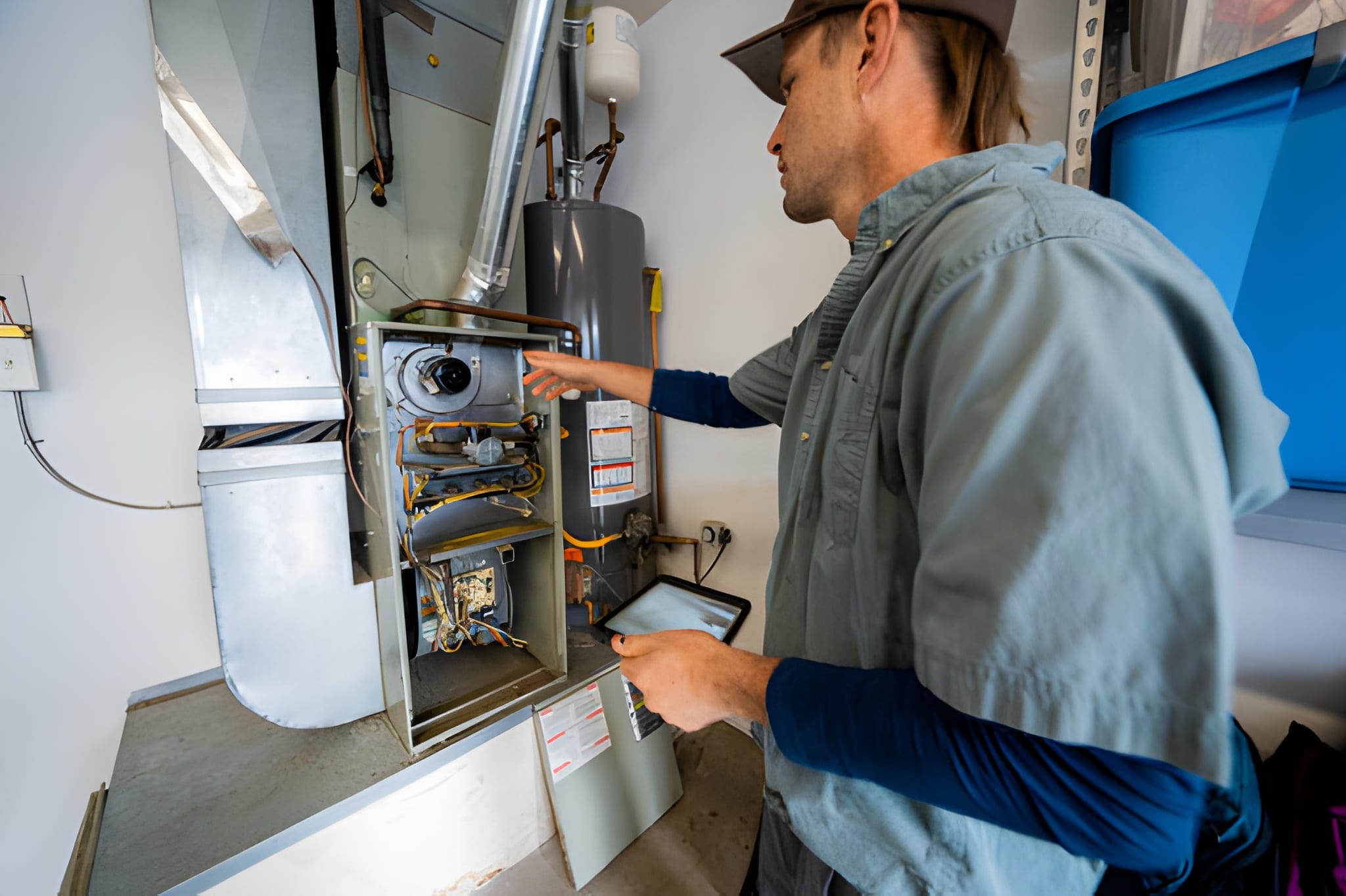
Everest Air Heating and Cooling uses a step-by-step diagnostic workflow designed to isolate issues efficiently while documenting findings for customers:
- System intake and history review
- We begin by recording system type, age, recent service history, and observed symptoms. Local climate patterns and seasonal startup issues are considered.
- Visual inspection and safety checks
- Check for obvious safety hazards: gas smell, visible leaks, corrosion, signs of overheating, or combustion byproducts.
- Inspect filters, vents, and access panels.
- Operational checks
- Run the system through a full cycle to observe behavior: start-up sequence, flame or ignition behavior, fan operation, and temperature rise across heat exchangers or coils.
- Electrical and control testing
- Test thermostats, control boards, capacitors, relays, contactors, and wiring for continuity and correct operation.
- Fuel and combustion analysis (for gas systems)
- Examine burners, pilot assemblies or igniters, gas valve operation, and venting to ensure proper combustion and venting.
- Refrigerant and pressure diagnostics (for heat pumps)
- Check refrigerant charge, pressures, and compressor operation when applicable.
- Ductwork and airflow analysis
- Confirm static pressures, airflow volumes, and inspect for duct leaks, blockages, or poor insulation that affect heating performance.
- Documentation and repair plan
- Provide a clear explanation of findings, potential causes, recommended repairs or parts, and whether repair or replacement is the most cost-effective option for long-term reliability.
This method reduces guesswork and focuses repairs on what will restore safe, efficient operation.
Parts repair versus replacement: decision guidance for Tallassee customers
Choosing to repair or replace depends on safety, cost-effectiveness, system age, efficiency, and local needs. Factors we consider when guiding Tallassee homeowners include:
- Age of the system
- Furnaces over 15 to 20 years, or heat pumps over 10 to 12 years, are often less efficient and may have more frequent failures. Replacing may offer better long-term value.
- Safety concerns
- Cracked heat exchangers, repeated ignition failures, or significant gas leaks mandate replacement or comprehensive repair to eliminate safety risks.
- Cost of repair versus remaining life
- If the repair cost approaches or exceeds a significant percentage of replacement cost, replacement is usually the sensible choice. We explain this comparison clearly.
- Energy efficiency and utility costs in East Tennessee
- Older systems often struggle in Tallassee winters and contribute to higher energy bills. A modern, properly sized unit can lower energy consumption and improve comfort.
- Expected future reliability
- If a system has multiple failing components or a history of frequent service calls, replacement can reduce ongoing disruptions.
- Availability of parts
- For older units, replacement parts may be difficult or cost prohibitive to obtain. We advise when sourcing parts is practical and when replacement is the better path.
Everest Air Heating and Cooling provides transparent information so homeowners in Tallassee can weigh options without pressure, understanding both immediate repair implications and longer term value.
Typical repairs we perform in Tallassee
- Ignition and pilot system repair or replacement
- Flame sensor and limit switch cleaning and replacement
- Blower motor and capacitor replacement
- Heat exchanger inspection, minor repair or recommendation for replacement when unsafe
- Gas valve and control board repair
- Compressor and reversing valve service for heat pumps
- Refrigerant leak diagnosis and repair with proper evacuation and recharge
- Thermostat calibration and smart thermostat integration
- Duct sealing, insulation, and damper adjustments for better airflow and zoning
- Boiler circulator pump and valve repair
- Electrical troubleshooting and safety circuit restoration
Each repair is documented and explained, including the expected impact on efficiency and comfort.
Emergency heating repair and scheduling expectations
Tallassee residents can experience sudden heating failures during cold snaps. Everest Air Heating and Cooling structures emergency response and scheduling to address urgent needs while maintaining safe and consistent service:
- Prioritization for unsafe conditions
- Situations involving gas smell, carbon monoxide alarm activation, or risk of freezing pipes are treated as urgent. Technicians follow safety-first procedures and isolate hazards when necessary.
- Rapid diagnostic visits
- When a system will not operate or has a critical failure, a focused diagnostic visit identifies immediate fixes to restore heat and sets a timeline for permanent repair.
- Temporary comfort solutions
- Where practical and safe, temporary measures such as localized electric heaters or portable solutions can be discussed to maintain comfort while repairs or replacements are scheduled.
- Transparent scheduling windows
- Appointments include clear windows for arrival, and technicians arrive prepared with common parts for many repairs to minimize return visits.
- Documentation of work performed
- Each emergency visit includes a written explanation of actions taken, parts installed, and recommended next steps to ensure the homeowner has a record.
The goal is to balance a fast, safe response with a plan that prevents repeat failures during Tallassee winter conditions.
What to expect during a professional repair visit
- Professional arrival and system overview
- The technician begins with a concise explanation of the plan for diagnostics and what to expect during the visit.
- Safety-first procedures
- All gas systems and electrical components are inspected for hazards before any repair work begins.
- Diagnostic transparency
- Findings are described in plain language, showing what failed, why it likely failed, and what repair actions are needed.
- Parts and labor explanation
- A clear explanation of parts to be replaced, labor involved, and the expected benefits or risks of alternative approaches is provided without pressure.
- Clean, respectful work practices
- Technicians protect flooring and living spaces while working and tidy work areas on completion.
- Post-repair testing
- Systems are run through cycles to ensure the repair resolved the issue and that safety and efficiency parameters meet expectations.
Everest Air Heating and Cooling emphasizes professionalism so Tallassee customers feel confident about the repair process.
Transparent pricing practices and estimates
Everest Air Heating and Cooling follows transparency principles tailored for Tallassee customers:
- Clear diagnostic fees and what they cover
- Diagnostic visits include documentation of findings and recommendations so customers understand the value of the service.
- Itemized repair estimates
- Estimates break out parts, labor, and warranties so customers see how costs are allocated. This helps Tallassee homeowners compare options objectively.
- Honest assessment of repair longevity
- When recommending repairs, we include an assessment of how long the repair is expected to extend system life and potential future costs.
- No hidden fees
- Any required permits, major parts, or additional measures are discussed up front to avoid surprises.
- Financing and plan information presented factually
- If financing or preventive maintenance plans are available, they are described in terms of structure and benefits rather than as a sales push.
This transparency helps homeowners make an informed decision that balances immediate needs and long-term value.
Preventive maintenance: reduce repairs and extend service life
Regular maintenance is the most effective way to reduce emergency repairs and extend system life in Tallassee’s climate. Key preventive measures include:
- Seasonal clean and tune
- Cleaning burners, coils, and heat exchangers; checking refrigerant levels on heat pumps; and calibrating controls improve efficiency and reliability.
- Filter replacement and airflow checks
- Dirty filters increase wear and reduce heat transfer, leading to short cycling and higher energy use.
- Duct inspection and sealing
- Poorly sealed or insulated ducts leak heated air into crawlspaces and attics common in regional homes, reducing comfort and increasing load on equipment.
- Combustion safety checks
- Annual inspection of combustion components and venting systems prevents carbon monoxide and combustion efficiency issues.
- Electrical and control testing
- Early detection of failing capacitors, relays, and control boards prevents sudden motor failures and system shutdowns.
Homes in Tallassee that follow a scheduled maintenance program typically experience fewer midseason breakdowns, lower bills, and longer system life.
Why local expertise matters for Tallassee heating repair
Local climate, housing stock, and utility patterns influence how heating systems perform. Local expertise provides advantages:
- Experience with regional failure patterns
- Technicians familiar with East Tennessee systems can anticipate common seasonal issues such as heat pump icing, ignition trouble after long idle periods, or ductwork affected by humidity.
- Knowledge of local building types
- Older homes, cabins, and newer suburban builds each have different heat distribution needs and potential problem areas.
- Rapid logistical response
- Familiarity with local supply sources and rapidly available common parts reduces downtime.
Everest Air Heating and Cooling combines regional knowledge with industry best practices for durable, efficient repairs.
Safety and compliance
Safety is central to heating repair. Technicians follow industry standards for:
- Combustion analysis and carbon monoxide mitigation
- Proper venting and flue inspections
- Electrical safety and grounding
- Refrigerant handling and recovery for heat pump repairs
- Code-compliant installations when replacement is necessary
All repairs include documentation of safety checks and compliance considerations so Tallassee homeowners can make informed, secure decisions.
Long-term benefits of professional heating repair
Investing in skilled repair work yields measurable benefits:
- Improved energy efficiency and lower operating costs
- Restored comfort and more consistent indoor temperatures
- Extended equipment life and delayed replacement costs
- Reduced risk of emergency failures during cold spells
- Documented maintenance history that supports home resale value
Well-executed repairs also reduce the likelihood of cascading failures by addressing root causes rather than only symptoms.
Practical tips for Tallassee homeowners before a technician arrives
- Make notes about symptoms and when they started; this accelerates diagnostics.
- Keep thermostat batteries fresh and check settings to rule out simple issues.
- Replace or inspect filters before the visit; a very dirty filter can mask other problems.
- Ensure access to the system and clear pathways for safe technician access.
- If you detect a gas smell or carbon monoxide alarm, evacuate and follow safety protocols immediately.
These steps help the technician diagnose and repair the system more quickly and safely.
Frequently asked questions
Q: How do I know if my furnace or heat pump can be repaired instead of replaced?
A: A qualified technician will evaluate system age, the nature of the failure, availability and cost of parts, and the expected remaining life of the unit. If the repair restores safe operation and is cost effective relative to replacement, repair is appropriate. If the unit has multiple failing components or a safety concern like a cracked heat exchanger, replacement is usually recommended.
Q: What should I do if I smell gas or suspect a carbon monoxide leak?
A: If you smell gas or have a CO alarm, evacuate the home immediately and follow local emergency guidance. Do not operate electrical switches or appliances. Call emergency services or your gas provider from a safe location. A professional technician will then perform a thorough safety and system inspection before any repairs.
Q: How long does a typical heating repair visit take?
A: Repair durations vary with the issue. A diagnostic visit to identify the problem often takes one to two hours. Simple repairs like replacing a capacitor or thermostat can be completed during the visit, while more involved repairs or parts that must be ordered may require follow-up appointments. The technician will provide an estimated timeline after diagnosis.
Q: Will a repair affect my energy bills?
A: Yes. Fixing inefficiencies such as dirty burners, low refrigerant, bad thermostats, or restricted airflow often reduces runtime and energy consumption, leading to lower bills. A successful repair also restores proper system operation, improving comfort and efficiency.
Q: Are warranty and parts coverage provided for repairs?
A: Many repairs include a parts and labor warranty for a specified period. The exact terms depend on the part manufacturer and the service agreement. The technician will explain warranty coverage in the repair estimate.
Q: Can you repair systems from any manufacturer?
A: Technicians trained by Everest Air Heating and Cooling service most major heating and heat pump brands. Compatibility of parts for very old or discontinued models may require special sourcing or guidance towards replacement.
Q: How can I reduce the chance of emergency heating failures?
A: Regular preventive maintenance, timely filter changes, maintaining clear vents and returns, and addressing minor anomalies early all reduce emergency failures. A seasonal Tune-Up before winter is especially valuable in Tallassee’s climate.
Q: Do you offer maintenance plans to avoid repairs altogether?
A: Preventive maintenance plans are available and help identify developing issues before they become failures. These plans typically include seasonal inspections, priority scheduling, and Tune-Ups that extend service life and improve reliability.
Everest Air Heating and Cooling provides experienced, transparent heating repair services tailored to Tallassee, TN homes and businesses. The emphasis throughout our approach is on safety, clear communication, and lasting solutions that restore comfort and efficiency. When heating performance and reliability matter, homeowners benefit from a systematic diagnostic process, honest repair versus replacement guidance, and practices that prioritize long-term value and safety.
hear what our satisfied clients have to say

David P.
Service areas