

Furnace Tune-Up in Tallassee, TN
Keeping your home comfortable and avoiding costly furnace breakdowns during Tallassee, TN's cold winter nights is smart, and a seasonal furnace Tune-Up is one of the best ways to do it. Here, where homes often depend on reliable gas or electric furnaces, a professional Tune-Up ensures your system runs safely, efficiently, and quietly. At Everest Air Heating and Cooling, we perform comprehensive furnace Tune-Ups specifically tailored to our local needs. We meticulously clean burners and coils, check thermostats and safety controls, inspect electrical connections, measure combustion efficiency, and provide honest recommendations, all aimed at extending your equipment's life and keeping your home cozy.
Why a Furnace Tune-Up Matters in Tallassee homes
Tallassee experiences seasonal temperature swings and periodic humidity that affect how heating systems perform. Dust, spring pollen, and fall leaves can accumulate in return ducts and plenums after summer, reducing airflow. Older systems that have not been serviced are more likely to suffer from dirty burners, degraded ignition components, loose electrical connections, and worn motors. Left unattended, these issues lead to higher energy use, uneven heating, noisy operation, and in some cases, safety risks such as carbon monoxide leaks or flame rollout.
A Tune-Up addresses these problems before they become emergencies. The result is a furnace that starts reliably on cold mornings, runs with fewer cycles, consumes less fuel, and maintains more consistent indoor temperatures in Tallassee homes.
Common furnace problems in Tallassee, TN
- Dirty burners and clogged pilot orifices leading to weak or unstable flame
- Reduced airflow caused by dirty filters, clogged coils, or obstructed return vents
- Faulty thermostats that misread temperatures or short cycle the furnace
- Loose or corroded electrical connections causing intermittent operation or tripped breakers
- Worn blower motors, belts, or bearings leading to noisy operation and poor airflow
- Cracked heat exchanger or improper combustion that can produce carbon monoxide
- Inefficient combustion because of incorrect gas pressure or dirty burners
- Ignition failures in electronic igniters or standing pilot assemblies
- Duct leaks or disconnected ductwork in crawlspaces or attics causing heat loss
- Age-related decline in AFUE efficiency and reliability
What a complete furnace Tune-Up includes
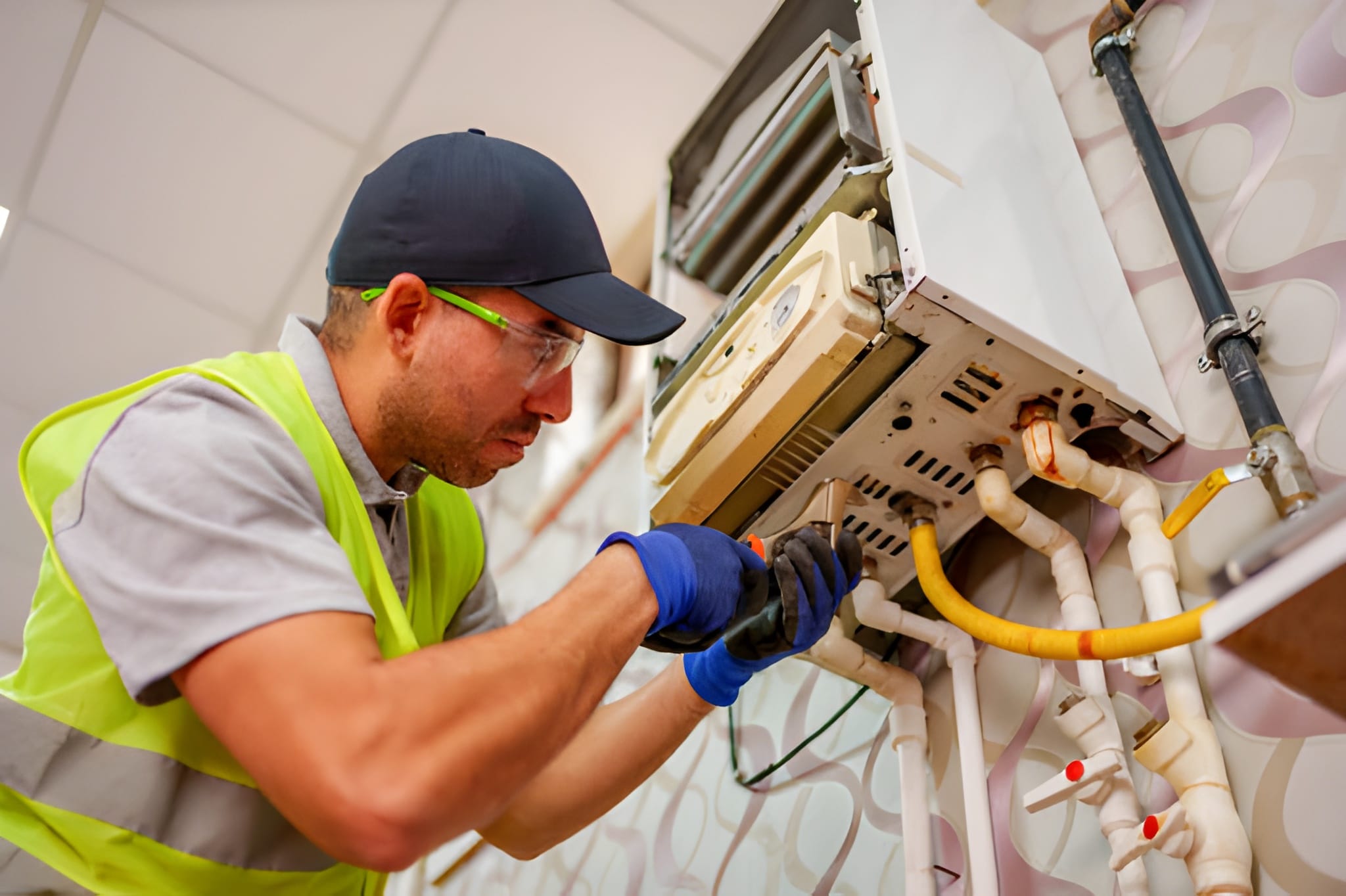
A professional furnace Tune-Up is more than a quick visual check. Everest Air Heating and Cooling follows a thorough checklist designed to optimize safety, performance, and efficiency for Tallassee homes. The process typically includes all of the following steps:
- Visual inspection of the entire furnace and surrounding area
- Check for signs of rust, corrosion, water leakage, or pest activity around the unit and ducts
- Verify clearances and ventilation to the appliance
- Safety control checks
- Test limit switches, rollout switches, and other safety controls to ensure they operate correctly
- Confirm proper operation of the furnace fan in both heating and cooling modes
- Thermostat inspection and calibration
- Verify thermostat accuracy and recalibrate if necessary
- Inspect wiring to the thermostat for loose or damaged connections
- Cleaning burners, heat exchanger, and combustion area
- Remove dust, soot, and debris from burners and combustion chamber
- Inspect the heat exchanger visually for cracks or corrosion that could allow combustion gases into the home
- Flue and venting inspection
- Ensure flue and vent connectors are intact, properly pitched, and unobstructed
- Inspect chimney or direct vent terminations for blockages or signs of backdrafting
- Measurement of combustion efficiency
- Use a flue gas analyzer to measure combustion efficiency, oxygen, carbon dioxide, and carbon monoxide levels
- Compare readings to manufacturer specifications to confirm proper combustion and safe operation
- Gas system checks
- Inspect gas supply line and fittings for leaks or loose connections
- Verify proper gas manifold and inlet pressures within manufacturer tolerances
- Ignition and pilot system service
- Inspect and clean pilot assemblies or electronic ignition components
- Confirm reliable ignition across multiple cycles
- Blower assembly inspection and cleaning
- Clean blower wheel and housing to remove dust and debris that reduce airflow
- Check motor bearings and lubricate where applicable
- Measure motor amperage draw to evaluate health and performance
- Electrical system inspection and tightening
- Tighten electrical connections at the furnace control board, transformer, and contactors
- Check capacitors, relays, and fuses and note any degraded components
- Airflow and filter evaluation
- Check and record static pressures if applicable
- Inspect return and supply grilles, note obstructions
- Advise on filter type and replacement schedule based on home conditions
- Duct inspection and basic assessment
- Look for obvious disconnects, crushed ducts, or poorly sealed joints if accessible
- Identify areas where duct sealing or insulation could improve efficiency
- System performance testing
- Measure temperature rise across the furnace and verify it is within the manufacturer specified range
- Confirm proper cycling, consistent heat delivery, and steady blower speeds
- Customer-facing report and recommendations
- Provide a clear summary of findings, measured data, and recommended repairs or improvements
- Prioritize items that affect safety, reliability, and efficiency
- Provide a clear summary of findings, measured data, and recommended repairs or improvements
How combustion measurements protect your family
Measuring combustion efficiency and flue gases is a vital part of any professional Tune-Up. A flue gas analyzer provides readings for carbon monoxide (CO) levels, oxygen content, and CO2. Elevated CO or improper combustion numbers can indicate cracked heat exchangers, venting problems, incorrect gas pressure, or dirty burners. In Tallassee homes, where winters increase run times, ensuring safe combustion is critical to preventing dangerous CO exposure and to maintaining proper appliance longevity.
A safe, efficient furnace typically displays a steady blue flame and produces low CO in the flue. If any readings fall outside acceptable ranges, Everest Air Heating and Cooling documents the data and recommends corrective action to restore safe operation.
Typical problems uncovered and the repairs often recommended
During Tune-Ups technicians commonly find issues that require repair to restore full performance:
- Dirty burners or blocked pilot orifices
- Repair: Clean burners and pilot assembly, test ignition reliability
- Cracked heat exchanger or significant corrosion
- Repair: If minor, further diagnostic testing; in many cases replacement of the furnace is recommended due to safety risks
- Loose electrical terminals or failing capacitors
- Repair: Tighten connections, replace failing capacitors or relays, test motor starting performance
- Worn blower motor bearings or imbalanced blower wheel
- Repair: Lubricate or replace bearings, clean or replace blower wheel, consider motor replacement if performance is poor
- Faulty thermostat or poor control wiring
- Repair: Replace thermostat or repair wiring, recalibrate control settings
- Duct leaks or poor insulation
- Repair: Recommend duct sealing and insulation in problem areas to improve heat distribution and efficiency
- Improper gas pressure or dirty gas valve
- Repair: Adjust gas pressure to factory specifications, service gas valve and regulator components
Technicians will categorize repairs as safety-critical, performance-related, or optional efficiency upgrades. This makes it easier for homeowners to make informed decisions based on system age, condition, and budget.
When to repair versus when to consider replacement
Understanding when to repair a furnace versus replace it is important for long-term comfort and value. Factors to consider include:
- Age of the system
- Furnaces older than 15 to 20 years typically have lower AFUE efficiency and more frequent failures. Replacement may deliver significant long-term savings and improved comfort.
- Frequency and cost of repairs
- If major components such as the heat exchanger or blower motor need replacement, those costs add up quickly. Compare cumulative repair costs to the value of a newer, more efficient system.
- Energy efficiency gains
- Newer furnaces have higher AFUE ratings, which reduces monthly fuel bills. In Tallassee, where winters can demand extended run times, efficiency gains can be noticeable.
- Safety concerns
- Any sign of a compromised heat exchanger, persistent high CO readings, or significant venting issues warrant immediate consideration of replacement for safety reasons.
Everest Air Heating and Cooling provides straightforward assessments and clear explanations so Tallassee homeowners understand the trade offs and expected outcomes when deciding between repair and replacement.
Seasonal timing and frequency
- Annual Tune-Up in the fall
- The most recommended schedule is an annual Tune-Up in early fall before the heating season begins. This ensures the system is ready for steady winter use.
- Twice a year for dual fuel or heavy-use homes
- Homes with high run-time, large households, or properties that rely on heating for business purposes may benefit from semiannual checks.
- Homes with high run-time, large households, or properties that rely on heating for business purposes may benefit from semiannual checks.
- After a long outage or repair
- If your furnace experienced a hard shutdown, intermittent operation, or major repair, a post-repair Tune-Up verifies everything is operating as intended.
What homeowners in Tallassee can do between service visits
A professional Tune-Up is essential, but homeowners can also take simple steps to maintain performance between visits:
- Change or clean filters regularly
- High-efficiency or pleated filters trap more dust but can restrict airflow if not changed on schedule. Check filters monthly during heavy use seasons.
- Keep vents and returns clear
- Do not block supply registers or return grilles with furniture or curtains. Unobstructed airflow reduces strain on the system.
- Maintain clearances around the furnace
- Keep stored items, boxes, and combustible materials away from the furnace and flue area.
- Check outdoor vent terminations
- Ensure outdoor vents are free from nests, leaves, and debris that can impede exhaust.
- Observe performance and report issues
- Note unusual noises, odors, increased fuel usage, or uneven heating and report these observations to your service provider for timely assessment.
Typical Tune-Up duration and what to expect during the visit
A thorough furnace Tune-Up generally takes 60 to 90 minutes depending on equipment complexity and accessibility. During the visit, technicians will:
- Access the furnace and thermostat
- Perform all checklist items listed earlier
- Run diagnostic tests and record readings
- Provide a clear, written summary of findings and recommended next steps
Technicians from Everest Air Heating and Cooling are trained to be professional and transparent. They explain findings in plain language and document any safety issues and suggested repairs.
Benefits you will notice after a professional Tune-Up
- More reliable starts and fewer unexpected failures during cold Tallassee nights
- Improved heating consistency and reduced hot or cold spots in your home
- Lower energy costs through more efficient combustion and cleaner airflow
- Quieter operation if motors and blowers are cleaned and balanced
- Reduced repair risk by addressing worn components before they fail
- Enhanced safety through combustion testing and safety control verification
Why local expertise matters
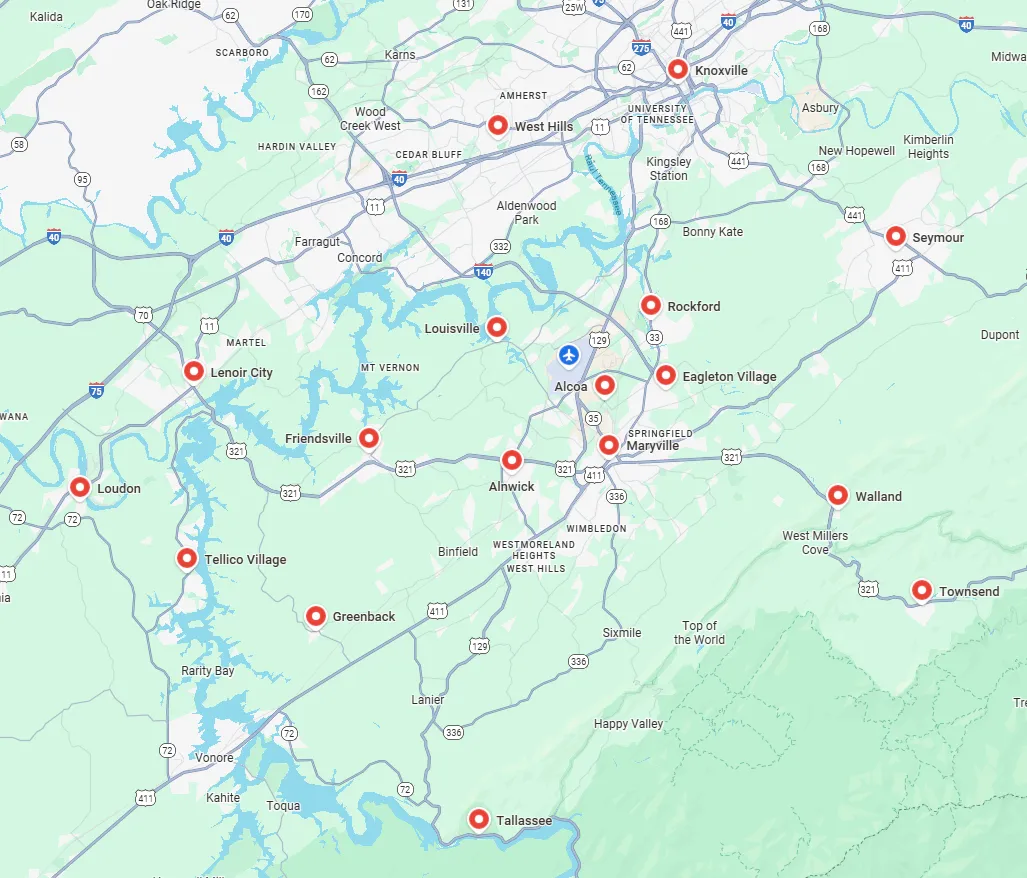
Everest Air Heating and Cooling serves the Blount, Loudon, Knox, and Sevier county region and understands the specific needs of Tallassee homes. Local expertise means technicians know how area climate patterns, home construction types, and common system ages affect furnace performance. They routinely address issues such as ductwork in crawlspaces, humid summers that lead to seasonal debris accumulation, and homes with older natural draft venting that require special attention.
Local service also means realistic recommendations based on common equipment brands and age ranges in the Tallassee area. Technicians can provide practical advice on habit changes, filter choices, and timing for spring or fall checkups to keep systems healthy year round.
The role of the Y.E.T.I Comfort Plan in ongoing maintenance
Everest Air Heating and Cooling offers the Y.E.T.I Comfort Plan, designed to make scheduled maintenance predictable and consistent. Regular checkups, priority scheduling, and seasonal inspections included in maintenance plans help reduce emergency repairs and keep furnaces operating at peak performance. For households that prefer a managed approach to equipment care, a comfort plan provides documented maintenance history and often priority access for service calls.
Signs you need immediate attention before a scheduled Tune-Up
If you notice any of the following, contact a qualified technician immediately rather than waiting for a scheduled Tune-Up:
- Persistent or strong gas smell near the furnace
- Yellow or flickering flame instead of steady blue flame
- Repeated ignition failures or prolonged attempts to light
- High carbon monoxide alarm readings or symptoms such as dizziness, headaches, or nausea in the home
- Visible rust or cracks in the heat exchanger or significant soot buildup
- Unusual banging, rattling, or metallic noises during operation
- Frequent tripping of breakers or blown fuses when the furnace starts
These conditions can represent safety hazards or impending component failure and should be evaluated promptly.
How Everest Air Heating and Cooling documents Tune-Up results
A professional Tune-Up should leave homeowners with clear, actionable information. Technicians typically provide:
- A checklist of services performed
- Recorded measurements for temperature rise, motor amperage, and combustion test results
- A prioritized list of recommended repairs or upgrades
- Notes on system age, expected life span, and efficiency opportunities
- Maintenance tips tailored to the specific home and lifestyle
This documentation helps homeowners track equipment health over time and provides a basis for future decisions about repairs or replacement.
FAQs
Q: How often should I have a furnace Tune-Up in Tallassee, TN?
A: Annual fall Tune-Ups are recommended for most Tallassee homes to prepare your system for winter. Homes with heavy use or older equipment may benefit from semiannual checks.
Q: What does a flue gas analysis check for, and why is it important?
A: A flue gas analysis measures combustion efficiency and checks for carbon monoxide and other flue gas parameters. It confirms safe combustion and helps detect issues like a cracked heat exchanger or improper gas pressure.
Q: Will a Tune-Up reduce my heating bills?
A: Yes. Cleaning burners, improving airflow, tightening electrical connections, and ensuring proper combustion all improve efficiency and can lower fuel usage and heating costs.
Q: How long does a furnace Tune-Up usually take?
A: Most comprehensive Tune-Ups take between 60 and 90 minutes depending on the furnace model and accessibility.
Q: Can a Tune-Up prevent emergency breakdowns?
A: A Tune-Up significantly reduces the likelihood of unexpected failures by identifying worn parts and correcting issues before they lead to breakdowns, especially during extended cold periods.
Q: What should I do before the technician arrives?
A: Clear the area around the furnace for safe access, make sure supply and return registers are unobstructed, and note any performance issues or unusual noises to discuss with the technician.
Q: Is combustion testing safe for my home?
A: Yes. Combustion testing is a standard safety procedure performed with specialized instruments. It verifies that your furnace is burning fuel correctly and that exhaust gases are being vented safely.
Q: When is it better to replace a furnace instead of repairing it?
A: Consider replacement if the furnace is older than 15 to 20 years, requires frequent costly repairs, shows signs of significant corrosion or heat exchanger damage, or if you want substantial efficiency improvements.
Q: Does a Tune-Up include filter replacement?
A: Technicians inspect filters and recommend replacement or upgrades, but filter replacement may not be included unless specified in a service plan. Homeowners should change filters regularly between service visits.
Q: Are there seasonal factors in Tallassee that accelerate furnace wear?
A: Yes. Tallassee homes experience seasonal pollen, dust, and humidity that contribute to dirty coils and filters. Extended run times during cold snaps also increase wear on motors and ignition components.
Everest Air Heating and Cooling brings local knowledge and a methodical approach to furnace Tune-Ups in Tallassee, TN. A professional Tune-Up protects your family, preserves equipment life, and helps maintain comfortable indoor temperatures throughout the heating season.
hear what our satisfied clients have to say

David P.
Service areas