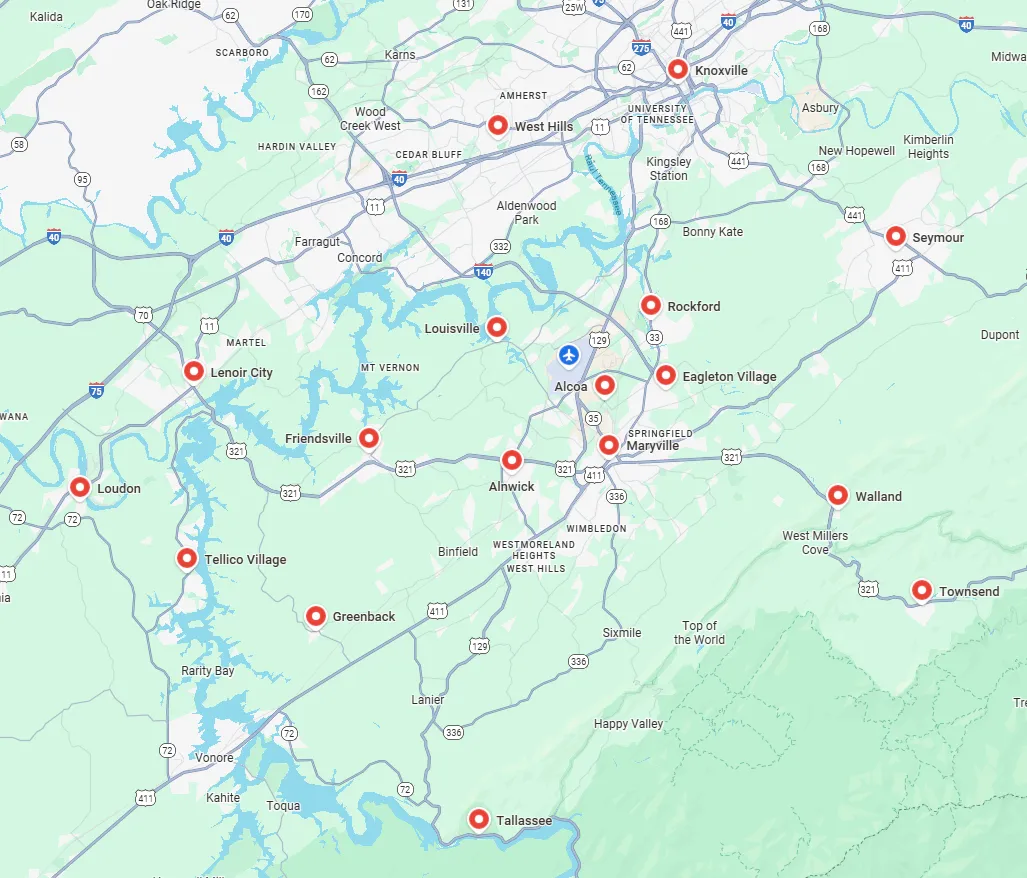


Heating Service in Townsend, TN
For homes in Townsend, TN, maintaining a reliable and efficient heating system is crucial. With our mountain elevation, cold winter nights, and even occasional heavy woodsmoke, keeping comfortable indoors can be a real challenge. Everest Air Heating and Cooling is here to help, providing comprehensive heating service right here in Townsend. We focus on thorough inspections, preventive care, handling those minor repairs, optimizing your system, and always operating with honest customer service. When you call Everest Air Heating and Cooling for professional heating service, you can expect us to clearly explain the process, common problems we fix, how we diagnose and repair systems, the benefits of regular maintenance, and even how our priority scheduling works for plan members.
.jpeg)
Why professional heating service matters in Townsend, TN
Townsend sits on the edge of the Great Smoky Mountains. Winters here are colder than nearby valleys, with larger day-night temperature swings and occasional freezing conditions. Those factors increase the stress on heating systems and make timely service critical. Common local issues include:
- Increased runtime during cold snaps that speeds wear.
- Older homes with crawlspaces or attic ductwork prone to leaks and insulation gaps.
- Seasonally poor outdoor air quality from wood smoke or regional fires that increases filter loading and affects indoor air quality.
- Heat pumps that experience reduced efficiency at low temperatures and may need supplemental heating support.
A professional heating service visit identifies problems early, restores efficiency, improves comfort, and reduces the risk of a mid-winter breakdown.
What a complete heating service includes
A thorough heating service from Everest Air Heating and Cooling covers both safety and performance. Services are tailored to your system type (gas furnace, electric furnace, heat pump, ductless Mini Split, or hybrid systems) and typically include:
- Visual inspection of the entire system and surrounding components.
- Safety checks on gas lines, burners, ignition systems, and heat exchangers where applicable.
- Cleaning and inspection of accessible components: burners, pilot or ignition, flame sensors, condensate lines, and combustion chambers.
- Filter check and recommendation or replacement based on filter type and condition.
- Inspection and lubrication of blower motor and fan assemblies, belt tension checks where applicable.
- Electrical system checks: capacitors, relays, contactors, and wiring integrity.
- Thermostat calibration and control verification to confirm correct setpoints and proper cycling.
- Airflow measurements and ductwork inspection for leaks, blockages, and insulation concerns.
- Heat pump-specific checks: refrigerant levels, reversing valve operation, defrost cycle performance, and compressor health.
- System performance testing: temperature rise across the heat exchanger, static pressure, and overall heating output.
- Written findings and clear, itemized recommendations with transparent pricing for any needed repairs or upgrades.
A typical inspection and Tune-Up visit generally lasts 45 to 90 minutes depending on system complexity and access. The goal is to identify issues that affect safety, reliability, and efficiency before they become larger problems.
Common heating problems in Townsend homes
Everest Air routinely addresses these frequent service needs in Townsend, TN:
- Uneven heating or cold rooms due to duct leaks, poor insulation, or imbalanced airflow.
- Short cycling (system turns on and off frequently), often caused by dirty filters, thermostat problems, or improper sizing.
- Pilot or ignition failures on gas furnaces requiring cleaning or component replacement.
- Weak airflow from clogged return vents, failing blower motors, or duct restrictions.
- Heat pump frosting or poor heating performance in low outside temperatures that points to refrigerant or defrost issues.
- Strange odors or noises that can indicate electrical problems, failing bearings, or animal intrusion in ductwork.
- Rising utility bills from reduced efficiency due to dirty components, poor calibration, or failing parts.
- Safety concerns such as cracked heat exchangers, blocked combustion air, or gas leaks that require immediate attention.
Addressing these issues early can extend equipment life and avoid emergency breakdowns during Townsend cold spells.
How we diagnose heating problems (step-by-step)
A clear, methodical diagnostic process saves time and prevents unnecessary repairs. Everest Air Heating and Cooling follows a transparent diagnostic workflow:
- Gather symptom history: When did the issue start? Any changes in noise, smell, cycling, or utility costs? Are there cold spots in specific rooms?
- Perform safety checks: Verify gas connections, combustion status, carbon monoxide risk indicators, and electrical safety before any invasive work.
- Inspect visible components: Look for corrosion, leaks, loose wires, damaged ductwork, or blocked vents.
- Test controls and sensors: Thermostat, limit switches, flame sensors, pressure switches, and safety interlocks are tested for accurate operation.
- Measure performance: Check temperature rise, static pressure, airflow, and electrical draw to quantify system health.
- Evaluate refrigerant and compressor function for heat pumps: Measure pressures, check for proper defrost cycles, and observe compressor behavior under load.
- Identify root cause: Rather than replacing parts randomly, technicians determine the underlying cause and weigh repair versus replacement options.
- Present findings and options: Customers receive an itemized explanation of recommended repairs, expected outcomes, and transparent pricing.
Diagnostic visits are documented so homeowners have a clear record of system condition and recommended next steps.
Typical minor repairs and what they fix
Many heating problems are resolved with targeted, cost-effective repairs. Common minor repairs include:
- Filter replacement: Restores airflow, protects components, and improves indoor air quality.
- Thermostat repair or upgrade: Corrects temperature swings, short cycling, and improves scheduling control.
- Blower motor service or capacitor replacement: Restores proper airflow and prevents overheating or failure.
- Ignition and control module cleaning or replacement: Fixes intermittent startup failures and unreliable combustion on gas furnaces.
- Flame sensor cleaning: Stops nuisance shutdowns where the sensor fails to detect a proper flame.
- Refrigerant leak repair and recharge for heat pumps: Restores heating performance and prevents compressor damage.
- Duct sealing and minor patching: Reduces energy loss and improves room-to-room balance.
- Condensate drain cleaning: Prevents water backups and humidity-related issues.
Each repair includes an explanation of the expected life extension and performance improvement so you can make an informed decision.
When to repair vs replace your heating system
Deciding to repair or replace is a common bottom-of-funnel question. Consider these factors:
- Age of equipment: Furnaces and heat pumps typically last 12 to 18 years. As systems near the end of that range, the benefit of frequent repairs diminishes.
- Cost of repairs vs remaining life: If repairs approach 50 percent of the value of a new system and the equipment is older, replacement is often the better investment.
- Frequency of service calls: Multiple visits in a heating season suggest systemic wear that replacement will resolve.
- Efficiency and performance: If you are experiencing rising bills and reduced comfort despite repairs, a modern high-efficiency replacement delivers long-term savings.
- Safety and warranty: Cracked heat exchangers, major compressor failures, or obsolete refrigerants often necessitate replacement for safety and compliance.
Everest Air Heating and Cooling provides objective guidance and transparent replacement estimates that explain long-term savings, but there is no high-pressure sales approach.
System optimization options for improved comfort and efficiency
Beyond repairs, optimizing how your heating system operates can deliver meaningful comfort and cost benefits, particularly in Townsend homes where elevation and temperature swings are factors:
- Duct sealing and insulation: Closing leaks and adding insulation reduces heat loss on the way to rooms, improving balance and efficiency.
- Zoning systems and smart thermostats: Zoning allows different rooms to be controlled independently, limiting wasted heating in unused spaces. Smart thermostats can manage schedules and remotely optimize runtimes.
- Heat pump supplemental strategies: For heat pump systems that struggle during cold snaps, properly configured auxiliary heat and staging strategies reduce stress and preserve efficiency.
- Airflow balancing and register adjustments: Ensuring correct supply and return flow eliminates cold rooms and improves system longevity.
- Attic and crawlspace insulation: Improving building envelope reduces heating demand and short cycling.
- Upgrade to high-efficiency equipment: Modern furnaces and heat pumps operate with higher AFUE or HSPF ratings, lowering fuel bills and reducing carbon footprint.
Optimization combines HVAC improvements with home performance measures to maximize comfort and minimize operating cost.
Preventive maintenance: what the Y.E.T.I Comfort Plan provides
Preventive maintenance is the most effective way to avoid failures in Townsend winters. Everest Air Heating and Cooling offers the Y.E.T.I Comfort Plan designed for homeowners who want priority service and lower long-term costs. Key features include:
- Fall and spring checkups to prepare heating and cooling systems for seasonal demands.
- Priority scheduling that offers earlier appointment windows for plan members, often as early as 7:00 AM on service days.
- Detailed inspections and Tune-Ups that reduce the risk of breakdowns and improve efficiency.
- A discount on service calls for plan members which helps lower routine service costs.
- Documentation of service history that supports warranty compliance and future resale value.
Regular planned maintenance stabilizes operating costs, preserves efficiency, and supports reliable system performance during Townsend cold spells.
Transparent pricing and customer service policies
Trust is essential. Everest Air Heating and Cooling adheres to clear customer service policies so Townsend residents know what to expect:
- No high-pressure sales. Recommendations are made based on safety, performance, and long-term value rather than commission-driven upsells.
- Transparent pricing. Estimates and invoices are itemized so each labor and parts cost is clear. Pricing discussions occur before work begins when possible.
- No hidden costs. Any necessary changes to an estimate during a job are explained and confirmed ahead of additional work.
- Honest assessments. If a simple repair will safely restore functionality, that will be recommended over unnecessary replacement. When replacement is the right option, the reasons are spelled out.
- Respect for your home. Technicians follow clean-work practices, including shoe coverings, drop cloths, and debris removal after service.
These policies reflect a commitment to fair, reliable service tailored to local needs.
How scheduling and priority service work for plan members
Scheduling is designed to be convenient and to protect your comfort when it matters most. Here is how it works in practice:
- Standard service scheduling: Customers request a regular appointment window. Visits are scheduled based on availability and urgency.
- Priority scheduling for Y.E.T.I Comfort Plan members: Plan members are given access to earlier appointment times, including morning slots that help resolve issues before daily activities begin. Priority status also helps reduce wait time during high-demand periods like cold snaps.
- Emergency and after-hours considerations: For urgent safety issues, technicians follow a triage process to assess and address immediate hazards. Plan members receive preferential handling of urgent service requests within available resources.
- Documentation and follow-up: After every visit, customers receive a written summary of findings and recommended next steps. Plan members have service history kept on file to make future diagnosis faster.
This structure balances fast response for emergencies with planned, preventive care.
Typical timelines and what to expect on the day of service
Preparing for a technician visit helps the appointment go smoothly. Typical expectations are:
- Arrival window: Appointments are given in a morning or afternoon window. Priority plan members may be offered earlier times.
- Duration: Inspections and Tune-Ups typically take 45 to 90 minutes depending on system complexity. Minor repairs may extend that time; major replacements take longer and are scheduled separately.
- Technician conduct: Expect a uniformed, trained technician who performs safety checks first, then systematic diagnostics. Findings are explained in plain language before any optional work is performed.
- Paperwork: A written service summary and any warranty documentation is provided after work is complete.
- Payment and estimates: Estimates for additional work are provided in writing with clear pricing. There are no hidden fees beyond what is documented.
Clear expectations reduce surprises and make the service experience transparent and professional.
Benefits of timely heating service for Townsend homeowners
Consistent heating service offers multiple tangible benefits that matter in Townsend:
- Improved reliability during cold weather, reducing the risk of system failure when temperatures drop.
- Lower utility bills thanks to more efficient operation and reduced wasted runtime.
- Longer equipment life by reducing stress from dirt, leaks, and failing components.
- Better indoor air quality as filters and ducts are maintained, particularly valuable during smoky or pollen-heavy seasons.
- Increased safety through inspection of combustion systems, carbon monoxide risks, and motor/electrical integrity.
- Predictable maintenance costs through planned service and potential service discounts for plan members.
Regular care is a practical investment in comfort, safety, and long-term savings.
What homeowners can do between professional visits
There are simple steps Townsend homeowners can take to support system performance:
- Replace or clean filters monthly to quarterly depending on filter type and household conditions.
- Keep vents and returns unobstructed and avoid closing too many registers which can cause pressure issues.
- Monitor thermostat settings and battery health, and consider programmable or smart thermostats for improved control.
- Keep outdoor unit areas clear of debris, leaves, and snow buildup to ensure proper airflow for heat pumps.
- Track performance and note any changes in noise, odors, or cycling so technicians can diagnose issues more quickly.
- Ensure crawlspaces and attics have adequate insulation and ventilation to reduce heat loss.
These measures reduce emergency calls and extend the time between professional services.
Why Everest Air Heating and Cooling for Townsend, TN
Everest Air Heating and Cooling provides a local, family-oriented approach to HVAC service that reflects Townsend’s regional needs. Our technicians understand how mountain climate, older home construction, and seasonal air quality issues affect heating systems. With a focus on safety, efficiency, and fair pricing, service recommendations are practical, transparent, and tailored to long-term performance. The Y.E.T.I Comfort Plan offers additional benefits for homeowners who prefer a preventative, priority-centered approach to home comfort.
Frequently asked questions
Q: How long does a standard heating inspection and Tune-Up take?
A: Most inspections and Tune-Ups take between 45 and 90 minutes. Time varies with system type, accessibility, and whether minor repairs are completed during the visit.
Q: Do you service heat pumps and ductless systems?
A: Yes. Service covers gas and electric furnaces, heat pumps, and ductless Mini Split systems. Heat pump checks include refrigerant assessment, defrost cycle verification, and compressor performance.
Q: What does the Y.E.T.I Comfort Plan include for heating service?
A: The Y.E.T.I Comfort Plan includes fall and spring checkups, priority scheduling (including early appointment options), documented service history, and a discount on service calls for plan members.
Q: How do I know if a repair or a replacement is the right choice?
A: We evaluate age, repair frequency, efficiency, and estimated repair cost versus expected remaining life. Recommendations are provided with transparent pricing and the rationale for repair or replacement.
Q: Will technicians explain needed repairs before starting work?
A: Yes. Technicians provide a written description of findings and an itemized estimate for any recommended repairs. No additional work begins without approval.
Q: Do you charge for diagnostic visits?
A: Diagnostic fees vary. Any applicable diagnostic fee and how it is applied are explained up front. Plan members often receive benefits like service discounts that affect overall costs.
Q: How often should I have preventive maintenance performed?
A: Annual maintenance is the minimum recommendation. Many homeowners opt for fall and spring checkups to prepare systems for winter heating and summer cooling demands.
Q: Can sealing ducts and improving insulation reduce my heating bills?
A: Yes. Duct sealing and improved insulation reduce heat loss and can significantly improve system efficiency and comfort, especially in older Townsend homes.
Q: What safety checks are included in a heating inspection?
A: Safety checks include combustion testing (where applicable), heat exchanger inspection, gas line and venting checks, electrical safety inspections, and carbon monoxide risk evaluation when needed.
Q: Are there measures I can take to improve performance between service visits?
A: Yes. Regular filter changes, keeping vents clear, monitoring thermostat function, and ensuring outdoor units are free of debris or snow are simple, effective steps.
Q: What happens if my system fails during a cold spell?
A: Service processes prioritize safety and triage based on risk. Plan members receive priority scheduling which reduces wait times during high-demand periods.
Q: Do you offer transparent estimates for replacement systems?
A: Yes. Replacement estimates include equipment options, expected efficiencies, and an itemized breakdown of installation labor and materials so homeowners can compare options without pressure.
Q: Does maintenance help with manufacturer warranties?
A: Regular, documented maintenance often helps maintain warranty coverage. Service records are provided that can support warranty claims when required.
Q: How do you handle indoor air quality issues related to heating?
A: We evaluate filter type and condition, recommend appropriate filtration upgrades, inspect and clean ductwork as needed, and suggest humidity control strategies appropriate for local conditions.
Q: Do technicians maintain clean-work practices in homes?
A: Yes. Technicians use protective coverings, shoe covers when requested, and perform cleanup after service to minimize disruption to the home.
hear what our satisfied clients have to say

David P.
Service areas