

Heating Maintenance in Townsend, TN
Keeping your heating system in reliable, efficient condition is essential for comfortable winters in Townsend, TN. With colder months, mountain valley temperature swings, and humidity that can strain HVAC equipment, proactive heating maintenance prevents unexpected breakdowns, improves indoor air quality, and saves money over the life of your system. Everest Air Heating and Cooling provides comprehensive heating maintenance services tailored to Townsend homes and businesses, from seasonal inspections and component cleaning to safety checks and filter recommendations. Let us show you what a full heating maintenance visit includes, common local issues, the benefits of enrolling in a maintenance plan, and practical steps you can take between service visits to keep your system running smoothly.
Why heating maintenance matters in Townsend, TN
Townsend is a gateway to the Great Smoky Mountains and experiences variable winter weather: chilly nights, occasional hard freezes, and humid conditions that can accelerate wear on equipment. Many Townsend homes are older and may have legacy ductwork or heating systems that require careful attention to run safely and efficiently.
Regular heating maintenance in Townsend, TN:
- Reduces the risk of a mid-winter failure during a cold snap.
- Ensures safe operation of gas furnaces and combustion appliances in homes with tighter construction.
- Keeps heat pumps running efficiently through cool, damp months when defrost cycles increase workload.
- Helps maintain indoor air quality in homes with seasonal pollen, wildfire smoke concerns, or attic and crawlspace infiltration.
Everest Air Heating and Cooling emphasizes preventive care that addresses local climate stresses, rural property considerations, and common installation conditions found in Townsend homes.
Common heating systems in Townsend and their maintenance needs
Townsend homes typically rely on one or more of the following systems. Each requires a tailored maintenance approach:
- Gas furnaces
- Focus: combustion safety, heat exchanger inspection, gas valve and ignition checks, flue and vent testing.
- Electric furnaces and electric resistance heaters
- Focus: electrical connections, element condition, blower motor lubrication or replacement.
- Heat pumps (air-source and ductless Mini Split systems)
- Focus: refrigerant level checks, reversing valve operation, defrost cycle verification, outdoor unit cleaning.
- Boilers and hydronic systems
- Focus: pressure testing, expansion tank inspection, circulator pumps, air purging, and water quality checks.
- Ductless Mini Splits
- Focus: indoor and outdoor coil cleaning, advanced filter cleaning, condensate drain checks, and control calibration.
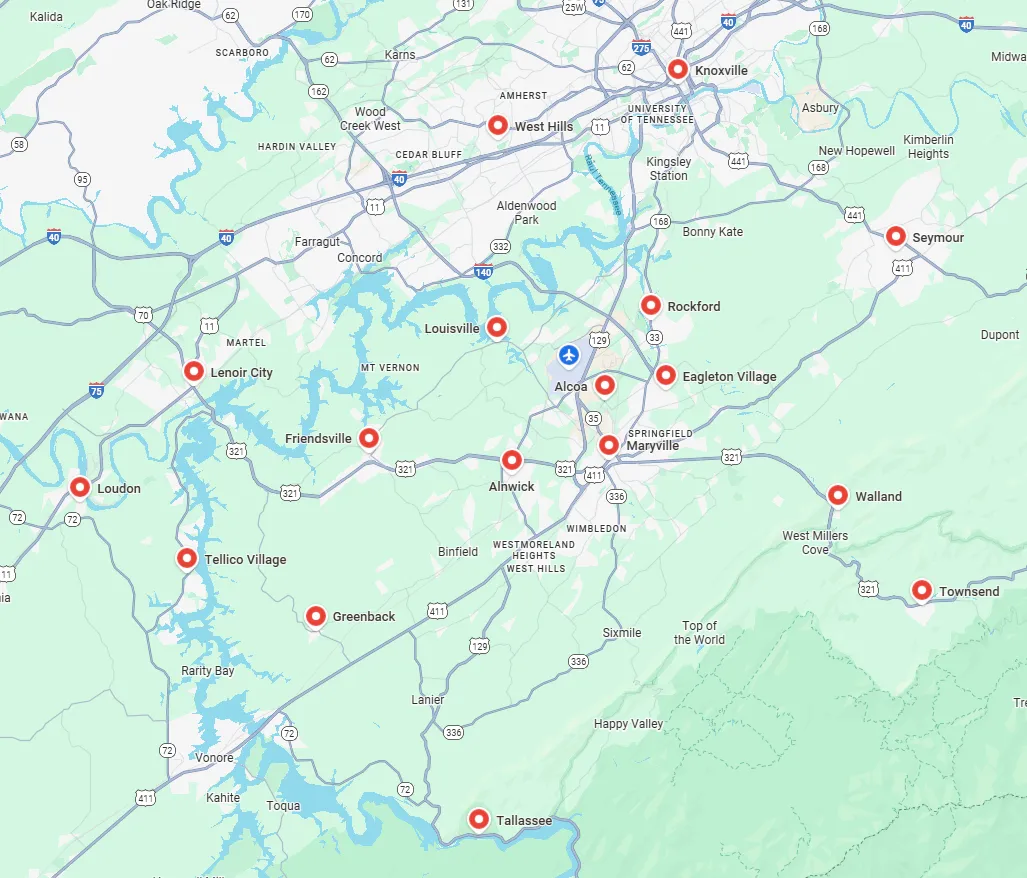
Knowing which system you have helps prioritize the right seasonal checks and parts. Everest Air Heating and Cooling services and maintains all major brands and configurations commonly found across Blount, Sevier, and Knox county properties.
Common heating maintenance issues in Townsend, TN
Understanding common local problems helps homeowners spot warning signs early. Frequent issues include:
- Dirty or clogged filters restricting airflow and causing short cycling.
- Ignition or pilot system failures on older gas furnaces.
- Worn blower motors or belts causing reduced air delivery.
- Refrigerant undercharge or leaks in heat pumps, reducing capacity.
- Marginal duct sealing and insulation allowing heat loss in crawlspaces or attics.
- Scale and corrosion in boilers from untreated water.
- Blocked outdoor units from leaves, pine needles, and winter debris.
- Carbon monoxide risks with cracked heat exchangers or improper venting.
Addressing these issues in a planned maintenance visit prevents escalation into emergency repairs during a cold period.
What a comprehensive heating maintenance visit includes
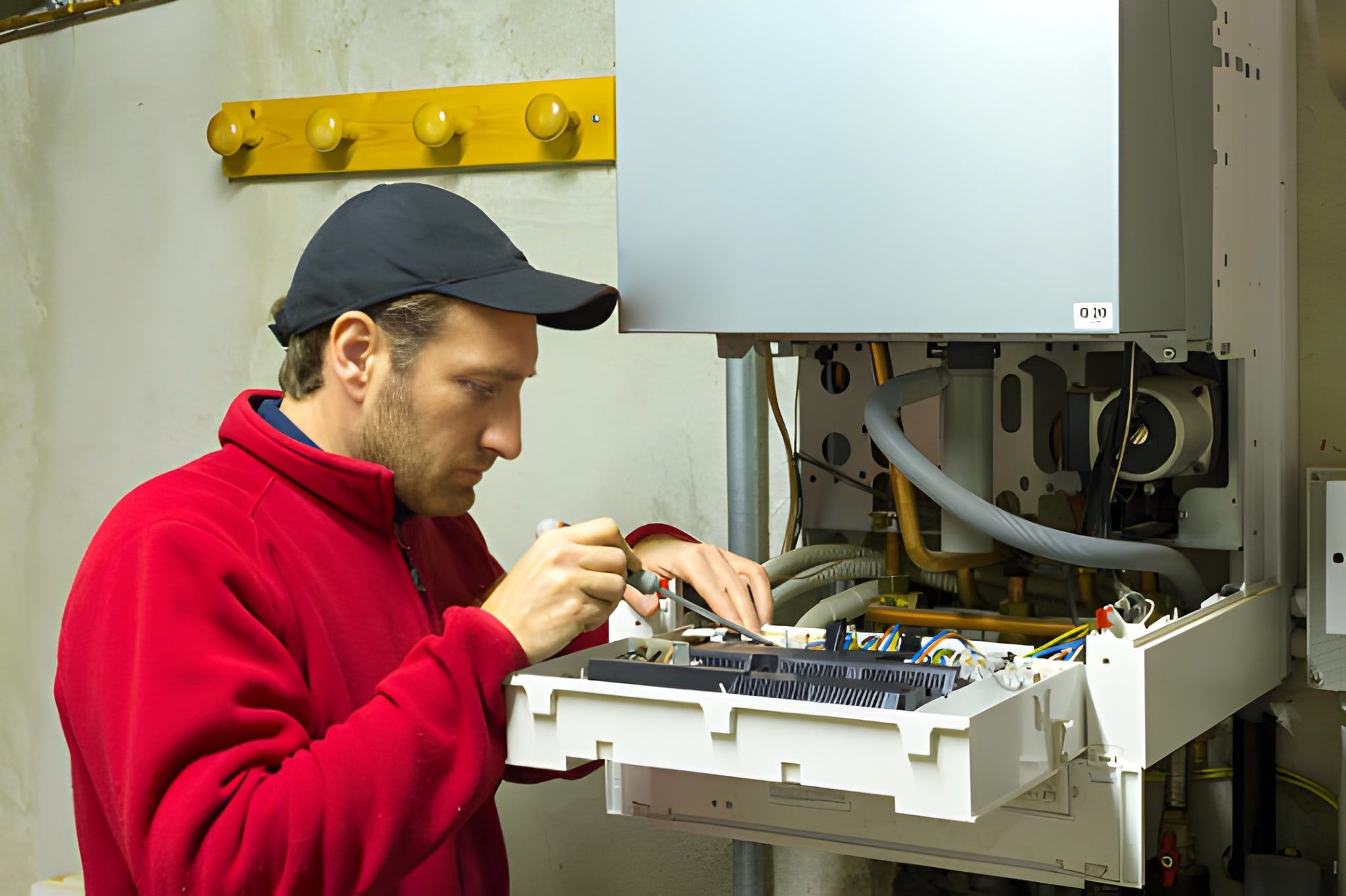
A professional heating maintenance visit is a systematic inspection and Tune-Up. Everest Air Heating and Cooling’s technicians follow a detailed checklist that covers both safety and efficiency. Typical components of a full service include:
- System and thermostat check
- Verify thermostat settings and operation.
- Confirm proper cycle times and temperature differentials.
- Safety checks
- Inspect combustion components for proper flame characteristics.
- Test for carbon monoxide presence and proper venting.
- Verify pressure relief and safety devices on boilers.
- Electrical inspection
- Tighten electrical connections.
- Test capacitors and verify motor amp draws.
- Inspect control boards and sensors.
- Combustion appliance inspection (for gas systems)
- Examine the heat exchanger for cracks or corrosion.
- Check gas pressure, gas valve operation, and ignition system.
- Inspect flue and venting for blockages or deterioration.
- Airflow and ductwork review
- Measure static pressure and airflow where applicable.
- Inspect accessible ductwork for leaks, insulation gaps, and disconnected sections.
- Recommend or perform minor duct sealing when identified.
- Cleaning and lubrication
- Clean burners, ignition assemblies, and burners on gas systems.
- Clean indoor and outdoor coils, condensate pans, and drains.
- Lubricate motors, bearings, and moving parts as specified by manufacturer.
- Filter inspection and recommendations
- Check current filter type and condition.
- Recommend appropriate MERV ratings and replacement intervals for indoor air quality and system balance.
- Refrigerant and heat pump checks
- Confirm correct refrigerant charge and inspect for leaks.
- Verify reversing valve operation and proper defrost cycle.
- System performance testing
- Measure temperature rise across furnaces.
- Test boiler pressure and circulator operation.
- Verify system efficiency metrics and report anomalies to the homeowner.
Each step is documented and explained so homeowners understand the condition of their system and any recommended repairs.
Safety and efficiency checks explained
Two priorities in heating maintenance are safety and efficiency. Technicians focus on both because they directly affect occupant safety and monthly energy costs.
Safety checks
- Heat exchanger inspection: A cracked or compromised heat exchanger can allow combustion gases into living spaces. The technician visually inspects and, when necessary, performs further testing.
- Venting and chimney inspection: Proper flue function prevents backdrafting of combustion gases.
- Carbon monoxide testing: On-site testing verifies that the system is not emitting unsafe CO levels.
- Gas line inspection: Technicians check for leaks, secure fittings, and proper pressure.
Efficiency checks
- Burner and combustion tuning: Adjusting air-to-fuel ratios ensures clean combustion and optimal heat output.
- Refrigerant verification: Heat pumps with incorrect charge operate inefficiently and can suffer compressor damage.
- Blower calibration: Proper fan speed and airflow maximize heat distribution and reduce runtime.
- Leakage and insulation assessment: Heat loss through ducts or poorly insulated areas increases fuel consumption.
Combined, these checks reduce risk and help the system deliver heat with less energy waste.
Filter recommendations for Townsend homes
Filters matter in Townsend where seasonal pollen, wildfire smoke episodes, and indoor contaminants can impact air quality. Everest Air Heating and Cooling provides filter guidance tailored to your system and household needs.
- Basic fiberglass filters
- Low cost but low filtration efficiency. Suitable for short-term protection but not recommended for long-term indoor air quality management.
- Pleated filters (MERV 6 to MERV 8)
- Good balance of filtration and airflow for most homes. Replace every 90 days or more frequently for households with pets or allergies.
- High efficiency pleated filters (MERV 11 to MERV 13)
- Better filtration for allergy sufferers and homes concerned about smoke or fine particles. Confirm compatibility with your HVAC blower to avoid restricted airflow.
- Electronic and washable filters
- Reusable but require regular cleaning to stay effective. Follow manufacturer guidelines closely.
- HEPA solutions via whole-home systems
- For high indoor air quality needs, whole-house filtration or supplemental UV/HEPA systems integrated with HVAC may be recommended.
Everest Air Heating and Cooling assesses existing filtration, home occupant needs, and system capacity before recommending a filter strategy that balances air quality and equipment performance.
The benefits of a heating maintenance plan in Townsend
Enrolling in a structured maintenance plan delivers tangible benefits, especially for Townsend homeowners who face seasonal weather extremes and rural service challenges. Typical plan advantages include:
- Priority scheduling during peak heating season so service occurs quickly when temperatures drop.
- Regularly scheduled visits (usually fall and spring) to prepare systems for changing loads.
- Discounted service rates or parts pricing for enrolled members.
- Documented maintenance history to support warranty compliance and resale value.
- Early detection of failing components to avoid emergency repairs.
- Peace of mind knowing a trusted technician has inspected safety-critical elements like heat exchangers and flues.
Everest Air Heating and Cooling’s Y.E.T.I Comfort Plan is designed to provide these exact benefits: fall and spring checkups, priority scheduling, and a member discount on service calls. For homeowners concerned about winter weather in Townsend, consistent preventive maintenance significantly reduces the risk of costly mid-season failures.
What to expect during a maintenance appointment
A professional maintenance appointment is methodical and transparent. Typical visit flow:
- Arrival and system review
- The technician confirms the system type and owner concerns. System history and prior repairs are reviewed.
- Safety first
- Initial safety tests are conducted, including carbon monoxide readings if applicable.
- Inspection and cleaning
- Components are cleaned and inspected, including burners, coils, and condensate systems.
- Operational testing
- The technician runs the system through a full cycle, monitoring temperatures, pressures, and electrical loads.
- Findings and recommendations
- Observations are explained in plain language. Necessary repairs are identified and prioritized with estimated outcomes.
- Documentation
- Service performed and any recommended future actions are recorded for warranty and maintenance plan purposes.
A typical comprehensive heating Tune-Up ranges from about 45 minutes to 90 minutes depending on system complexity and any discovered issues.
Common repairs identified during maintenance
Routine maintenance often uncovers specific repair needs that, if addressed promptly, prevent larger failures. Frequent repairs include:
- Replacement of worn blower motors or capacitors.
- Ignitor or flame sensor cleaning and replacement.
- Minor duct sealing or insulation improvements.
- Repairing or replacing cracked heat exchangers in older furnaces.
- Refrigerant leak repair and recharge on heat pumps.
- Condensate drain clearing or condensate pump repairs.
- Thermostat calibration or replacement for improved control.
Repair recommendations are presented with rationale so homeowners can make informed decisions based on safety, efficiency, and budget.
How maintenance saves money and extends equipment life
Regular maintenance lowers operating costs and extends the life of expensive HVAC equipment in several ways:
- Improved efficiency reduces monthly fuel and electricity use.
- Timely replacement of small parts prevents larger, costlier component failures.
- Clean components and optimized airflow reduce wear on motors and compressors.
- Proper refrigerant charge and lubrication reduce mechanical stress.
- Maintained combustion equipment avoids dangerous conditions that can shorten service life.
Across a system lifetime, consistent maintenance can deliver substantial savings and delay the need for full system replacement.
DIY tips between professional visits
There are practical steps Townsend homeowners can take to protect their heating system between professional visits:
- Replace or inspect filters monthly to every 90 days depending on filter type and household conditions.
- Keep the area around the indoor unit and outdoor heat pump or condenser clear of debris, leaves, and snow.
- Check and test carbon monoxide detectors and smoke alarms regularly.
- Verify that vents and registers are open and unobstructed by furniture or drapes.
- Note unusual noises, odors, or cycling behavior and log the dates and conditions so a technician can diagnose efficiently.
- Set thermostats to an efficient schedule and avoid extreme temperature swings that increase system stress.
These actions complement professional maintenance and help maintain reliable, efficient operation throughout the season.
When to schedule service and signs you need immediate attention
Schedule professional heating maintenance at least once a year, ideally before the heating season begins. For Townsend homes, a fall inspection is particularly important to prepare for sudden cold spells.
Seek immediate professional attention if you notice:
- Persistent carbon monoxide alarm activation or symptoms like headache, dizziness, or nausea.
- Unusual gas odors near furnace equipment.
- Frequent cycling on and off (short cycling).
- No heat, weak airflow, or unexpected temperature swings.
- Loud banging, rattling, or clanking noises during startup or operation.
Early intervention prevents dangerous situations and costly emergency repairs.
Warranty and resale advantages of documented maintenance
Manufacturer warranties often require documented annual maintenance as a condition of coverage. Keeping a consistent maintenance record from a professional like Everest Air Heating and Cooling helps:
- Preserve manufacturer warranty eligibility.
- Offer prospective buyers proof that the system was maintained, which can increase resale value.
- Provide a clear service history that aids in diagnosing future issues quickly.
A maintenance plan with documented visits gives homeowners confidence that warranty obligations are being met.
Why choose professional maintenance over DIY only
While homeowners can handle simple tasks like filter changes and clearing debris, professional maintenance offers critical value:
- Trained technicians can detect subtle signs of impending failure that are easy to miss.
- Safety checks for combustion appliances, venting, and carbon monoxide require specialized tools and expertise.
- Technicians can properly adjust combustion settings, refrigerant charge, and airflow to manufacturer specifications.
- Professionals provide documentation supporting warranties and future service decisions.
Everest Air Heating and Cooling combines technical skill with local knowledge of Townsend’s climate and home types to deliver maintenance that is both safe and cost-effective.
Frequently asked questions
Q: How often should I have heating maintenance performed in Townsend, TN?
A: Annual maintenance is recommended, with a fall inspection before the heating season. Homes with older equipment, frequent use, or specific indoor air quality concerns may benefit from twice-yearly checks.
Q: Will maintenance reduce my heating bills?
A: Yes. Cleaning, tuning, and correcting airflow or refrigerant issues improves efficiency and reduces energy consumption. Typical Tune-Ups can yield measurable savings on monthly bills.
Q: What is included in the Y.E.T.I Comfort Plan related to heating maintenance?
A: The Y.E.T.I Comfort Plan includes scheduled fall and spring checkups, priority scheduling during peak seasons, and member discounts on service calls and certain repairs.
Q: Can maintenance fix a system that is already failing?
A: Maintenance can identify failing components and resolve many minor problems early. However, if critical components are near the end of their life, a repair or replacement recommendation may be necessary.
Q: Are there safety checks for gas furnaces and boilers?
A: Yes. Safety checks include heat exchanger inspection, combustion analysis, carbon monoxide testing, flue and vent inspection, and gas line checks to ensure safe operation.
Q: What type of filter should I use for my Townsend home?
A: Filter choice depends on your system and indoor air quality needs. Pleated filters rated MERV 6 to MERV 11 balance filtration and airflow for most homes. Higher MERV ratings can improve air quality but should be reviewed for compatibility with your system.
Q: How long does a professional heating maintenance visit take?
A: Most comprehensive heating Tune-Ups take about 45 to 90 minutes, depending on system type and condition. Additional time is required if repairs or parts replacement are necessary.
Q: Will regular maintenance extend the life of my system?
A: Yes. Consistent maintenance reduces wear, prevents small issues from escalating, and helps components run within manufacturer specifications, which collectively extend equipment life.
Q: Can maintenance prevent carbon monoxide risks?
A: Proper maintenance significantly reduces carbon monoxide risk by identifying heat exchanger issues, ensuring correct venting, and confirming safe combustion. However, homeowners should still maintain carbon monoxide detectors.
Q: Do I need maintenance if my system is new?
A: Yes. New systems require regular maintenance to maintain warranty coverage and ensure they operate at peak efficiency with proper setup and initial adjustments.
hear what our satisfied clients have to say

David P.
Service areas