

Furnace Tune-Up in Townsend, TN
For Townsend homeowners, an annual furnace Tune-Up is truly one of the most important investments you can make to preserve comfort, safety, and energy efficiency through the cold months. Here near the Great Smoky Mountains, where nighttime temperatures can plummet and heating runs are frequent, a professional Tune-Up makes all the difference. At Everest Air Heating and Cooling, our furnace Tune-Ups follow a clear checklist and a thorough diagnostic process, uncovering small issues long before they turn into emergency breakdowns. This proactive approach by Everest Air Heating and Cooling reduces risk, helps keep your energy bills predictable, and ensures your system lasts longer, keeping your family warm and secure.

Why a Tune-Up matters in Townsend, TN
- Townsend sees variable fall and winter temperatures and quick swings between chilly nights and mild afternoons. These cycling conditions make your furnace work harder than many owners expect.
- Many local homes are older or have mixed heating systems, increasing the chance of buildup, wear, and small leaks that go unnoticed until a failure.
- Seasonal humidity and dust from nearby wooded areas can clog filters, burners, and vents, reducing efficiency and increasing combustion risk.
- Preventive maintenance addresses safety concerns such as cracked heat exchangers or improper gas pressure that pose carbon monoxide or fire hazards.
A professional Tune-Up protects your home from these regional risks while restoring reliable, efficient heat when you need it most.
What a Furnace Tune-Up Includes: The Checklist
Our Tune-Up follows a comprehensive, standardized checklist so no critical item is missed. This is what homeowners in Townsend can expect during a full furnace Tune-Up:
- Cleaning burners and combustion components
- Remove soot and debris from burners to ensure even flame and stable combustion.
- Inspect and clean the pilot assembly or electronic ignition components.
- Checking the heat exchanger
- Visually inspect for cracks, rust, or signs of stress that could allow combustion gases to mix with indoor air.
- Use inspection tools to detect hairline fractures that are not obvious on casual observation.
- Verifying gas pressure and gas connections
- Measure supply pressure at the manifold to confirm it meets manufacturer specifications.
- Inspect fittings and flexible connectors for leaks or corrosion.
- Testing safety controls and limit switches
- Verify operation of high limit, rollout switches, and flame sensors so the system shuts down safely if needed.
- Check the operation of the blower door interlock and other safety interlocks.
- Calibrating and testing the thermostat
- Confirm thermostat accuracy and recalibrate if temperature readings differ from actual room temperature.
- Inspect thermostat wiring and program settings that affect cycle times and comfort.
- Airflow checks and duct inspection
- Measure static pressure and airflow across the system to confirm proper distribution.
- Inspect visible ducts for disconnected sections, excessive dust, or signs of animal intrusion common in rural Townsend homes.
- Filter inspection and replacement recommendations
- Evaluate filter condition and recommend or install the proper MERV-rated filter for your system and indoor air quality needs.
- Electrical and component checks
- Tighten electrical connections, test capacitors and relays, and measure motor amperage to identify failing components before they fail.
- Venting and flue inspection
- Confirm venting is clear and free of blockages, and that draft is within safe limits to remove combustion byproducts.
- Lubrication and mechanical adjustments
- Lubricate blower motors and bearings where applicable, and check belt tension on older blower assemblies.
- Combustion analysis and carbon monoxide check when indicated
- Use combustion analyzers on gas furnaces to verify efficient combustion and check for unsafe CO levels around the appliance.
Each item is documented and explained. When Everest Air Heating and Cooling completes your Tune-Up, you receive a clear record of what was inspected, what actions were taken, and any follow-up recommendations.
Expected Duration and Typical Outcomes
A full furnace Tune-Up typically takes between 60 and 90 minutes in most Townsend homes when no major repairs are required. Homes with older systems, difficult access, or extensive duct inspections may require additional time. The key outcomes you can expect after a professional Tune-Up are:
- Improved efficiency and lower fuel use
- A clean, calibrated furnace operates more efficiently. Typical improvements range from 5 to 15 percent in fuel efficiency depending on prior condition. That translates directly to lower heating costs during the months you rely on the furnace the most.
- More consistent and comfortable indoor temperatures
- Proper airflow, calibrated thermostats, and balanced burners mean fewer cold spots and more steady heat delivery.
- Reduced risk of unexpected breakdowns
- By identifying worn components and marginal parts, Tune-Ups turn emergency repairs into planned, lower cost fixes.
- Longer equipment life
- Regular maintenance reduces stress on major components and can extend a furnace life by several years.
- Safer operation
- Inspections for cracked heat exchangers, improper venting, and correct gas pressure help protect against carbon monoxide and related safety hazards.
- Cleaner indoor air
- Replacing or upgrading filters and checking duct cleanliness reduces dust and allergens circulating through your home, especially important for those with asthma or allergies.
Diagnostics and What Technicians Look For
A Tune-Up is both cleaning and diagnostic work. Everest Air Heating and Cooling technicians use diagnostic measurements and hands-on inspection to evaluate system health.
- Combustion and flame analysis
- A technician assesses flame color and stability and will use a combustion analyzer where applicable. An orange or unstable flame can indicate combustion issues, plugged burners, or improper gas pressure common in homes with long or aging gas lines.
- Pressure and amperage readings
- Measuring gas pressure and motor amperage helps identify failing motors, blocked burners, or incorrect pressures that reduce efficiency and damage components.
- Heat exchanger integrity testing
- Visual inspection plus targeted tools can reveal cracks that allow combustion gases to enter living spaces. Small cracks can become large safety problems if left unaddressed.
- Airflow and static pressure testing
- Low airflow often points to dirty filters, blocked returns, or duct leaks. In Townsend, homes near vegetation or with seasonal wildlife activity may have ducts affected by nests or debris.
- Safety control simulation
- Technicians will simulate fault conditions in a controlled way to verify safety switches act correctly and shut the system down when needed.
Common Problems Found During Tune-Ups and Typical Solutions
Townsend homes frequently present certain furnace issues due to age, climate, and property type. Here are common discoveries and how they are typically resolved:
- Dirty burners and sooted combustion chambers
- Solution: Thorough burner cleaning and combustion tuning to restore efficient flame pattern. This prevents sooting that accelerates component wear.
- Restricted airflow due to clogged filters or dirty ducts
- Solution: Replace filters with appropriate MERV rating and recommend duct cleaning or targeted repairs when needed. Improved airflow reduces furnace runtime and blower strain.
- Worn blower motor bearings or failing capacitors
- Solution: Lubrication, replacement of capacitors, or motor repair/replacement before a motor burnout causes a cold night emergency.
- Loose electrical connections and failing relays
- Solution: Tighten connections and replace marginal relays which can prevent intermittent failures and electrical hazards.
- Thermostat miscalibration or poor placement
- Solution: Recalibrate or replace thermostats and suggest better thermostat placement for accurate sensing, avoiding false cycles.
- Cracked heat exchanger or compromised venting
- Solution: Provide documentation and options. A cracked heat exchanger typically requires system replacement due to safety concerns. Proper venting repairs reduce CO risk and restore safe operation.
- Inconsistent gas pressure or aging gas piping
- Solution: Adjust gas pressure to specifications and recommend upgrades or repairs for piping that is corroded or under-sized.
How Tune-Ups Prevent Breakdowns and Maintain Efficiency
Regular Tune-Ups are preventive care for your heating system. Here is how they directly prevent larger problems and sustain efficiency:
- Identify and replace weak components before they fail
- Small electrical or mechanical faults often manifest as higher current draw or unusual vibration. Replacing a marginal relay or capacitor during a Tune-Up prevents abrupt failure under load on the first cold night.
- Maintain clean combustion and accurate fuel usage
- Dirty burners or clogged orifices reduce combustion efficiency. Cleaning and adjustments restore efficient fuel-to-air ratios so your furnace produces more heat per unit of fuel.
- Ensure proper airflow and reduce blower strain
- Blocked return grills or dirty filters force the blower to work harder. That shortens motor life and increases runtime. Restored airflow improves cycle efficiency and reduces wear.
- Preserve warranty requirements
- Many manufacturers require regular maintenance to keep warranties valid. Documentation from a professional Tune-Up protects your warranty status should a major replacement be needed.
- Safety monitoring prevents catastrophic failures
- Detecting a cracked heat exchanger or a venting problem early prevents exposure to combustion gases and costly emergency repairs.
Why a Local, Family-Owned Service Matters in Townsend
Everest Air Heating and Cooling is family-owned and operates with a local mindset that fits Townsend communities. Choosing a local technician means:
- Technicians who understand local homes and seasonal patterns
- Familiarity with the microclimates near the Smoky Mountains, common heating system types, and the types of duct runs used in older houses improves accuracy in diagnosis.
- Lower overhead that often leads to fair, transparent pricing
- Our local focus reduces unnecessary markup and emphasizes long term customer relationships.
- Personalized maintenance plans such as the Y.E.T.I Comfort Plan
- Preventive programs ensure annual fall Tune-Ups are scheduled and documented, providing peace of mind in cold months and priority scheduling when demand is high.
What the Tune-Up Report Includes
After completing a furnace Tune-Up, Everest Air Heating and Cooling provides a detailed report that includes:
- Items inspected and actions performed, such as burner cleaning, filter replacement, and gas pressure verification.
- Measured readings for gas pressure, motor amperage, combustion values, and airflow where applicable.
- Any safety concerns or urgent issues identified, including suggested next steps.
- Recommended repairs or parts to address wear items discovered during the inspection.
- Notes about expected system performance post-Tune-Up and estimated lifespan improvements following recommended work.
Seasonal Timing: When to Schedule Your Furnace Tune-Up in Townsend
- Fall check: The most critical time for a furnace Tune-Up in Townsend is early fall, before sustained cold weather sets in. A fall Tune-Up ensures your system is ready for the first extended run.
- Winter mid-season check: For older systems or houses with known issues, a mid-winter inspection can catch lubrication or control problems that emerge after heavy use.
- Spring follow-up: A light post-season check helps identify issues caused by extended operation and prepares your system for a restful off-season with recommendations for any parts that should be monitored.
Y.E.T.I Comfort Plan and Ongoing Maintenance
Everest Air Heating and Cooling offers preventive maintenance programs such as the Y.E.T.I Comfort Plan designed to make maintenance predictable and thorough. Plan benefits emphasize scheduled fall and spring Tune-Ups, priority scheduling during peak seasons, and documentation that many homeowners need for budgeting and warranty compliance. Enrollment in a maintenance plan is an option for homeowners who want managed, recurring care and peace of mind.
Energy and Cost Considerations
While a Tune-Up is not a direct replacement for a system upgrade, regular maintenance reduces operating costs. Repaired and tuned systems run fewer cycles for the same heat output, reduce fuel waste, and can delay replacement by several years. In cooler months, a tuned system also adds value by delivering reliable heat with fewer emergency repair expenses.
Safety and Indoor Air Quality
A professional Tune-Up does more than improve performance. It promotes safety and better indoor air quality by checking for combustion integrity, venting correctness, and filter effectiveness. For households with young children, older adults, or pets, these safety checks are especially important in Townsend homes where remote locations can delay emergency response times.
Choosing the Right Tune-Up Frequency and Scope
- Annual comprehensive Tune-Up: Recommended for most Townsend homes. This includes the full checklist and diagnostic testing described earlier.
- Semiannual checks: Consider for older systems, homes with pets that shed heavily, or properties that experience heavy seasonal dust due to nearby forestry work.
- Component-focused service: If a technician identifies a specific marginal component, follow-up focused service may be scheduled to replace a failing blower motor, capacitor, or control board.
Preparing for Your Tune-Up Visit
Simple homeowner steps before a technician arrives help streamline the process:
- Clear access to the furnace closet or utility area.
- Replace disposable air filters if visibly clogged before the visit.
- Make note of any unusual noises, smells, or cycling patterns you have noticed to share with the technician.
- Inform the technician of any family sensitivities related to dust or chemical cleaners used during the service.
What to Expect After a Tune-Up
After the Tune-Up is complete, expect:
- Quieter operation and smoother start cycles.
- More even heating across rooms and fewer temperature swings.
- A reduction in run times for the same level of comfort.
- A written report documenting the inspection, any corrective actions, and recommendations for future attention.
FAQs
Q: How often should I have my furnace tuned?
A: Annual professional Tune-Ups are recommended for most Townsend homes. Homes with older systems or heavy seasonal use may benefit from semiannual checks.
Q: How long does a typical furnace Tune-Up take?
A: Most comprehensive furnace Tune-Ups take between 60 and 90 minutes. Systems that are older or require additional diagnostic testing may require more time.
Q: Will a Tune-Up fix a furnace that is constantly short-cycling?
A: A Tune-Up identifies causes of short-cycling such as airflow restriction, thermostat issues, or improper gas pressure. Technicians will address the root cause when possible, but significant component failures may require repair or replacement.
Q: Can a Tune-Up improve my heating bills?
A: Yes. A properly tuned furnace operates more efficiently. Typical savings vary, but many homeowners see meaningful reductions in fuel use after cleaning, calibration, and airflow restoration.
Q: Is checking the heat exchanger part of the Tune-Up?
A: Yes. Inspecting the heat exchanger for cracks or corrosion is a standard safety step during a professional Tune-Up.
Q: What safety checks are performed during a Tune-Up?
A: Safety checks include verifying venting and flue integrity, testing safety controls and limit switches, inspecting for gas leaks, and conducting combustion or CO checks when indicated.
Q: Do I need to change my filter before the technician arrives?
A: While technicians will inspect your filter and recommend replacement if needed, replacing a very clogged disposable filter before the visit can improve the accuracy of airflow measurements and reduce technician time spent on replacement.
Q: What if the technician finds a cracked heat exchanger?
A: A cracked heat exchanger is a serious safety concern. The technician will document the finding and recommend replacement of the furnace. The report will provide the details needed to evaluate options for repair or replacement.
Q: How does Townsend climate affect my furnace needs?
A: Townsend experiences cooler nights and variable shoulder seasons. This results in more frequent on-off cycling and longer run periods in fall and spring. Wooded properties may contribute to dust and debris in ducts and filters, making regular maintenance essential.
Q: Is enrollment in a maintenance plan like Y.E.T.I recommended?
A: Maintenance plans provide scheduled service, documentation for warranties, and priority scheduling during peak seasons. For homeowners who prefer predictable maintenance and reduced risk of emergency repairs, a plan offers clear benefits.
hear what our satisfied clients have to say

David P.
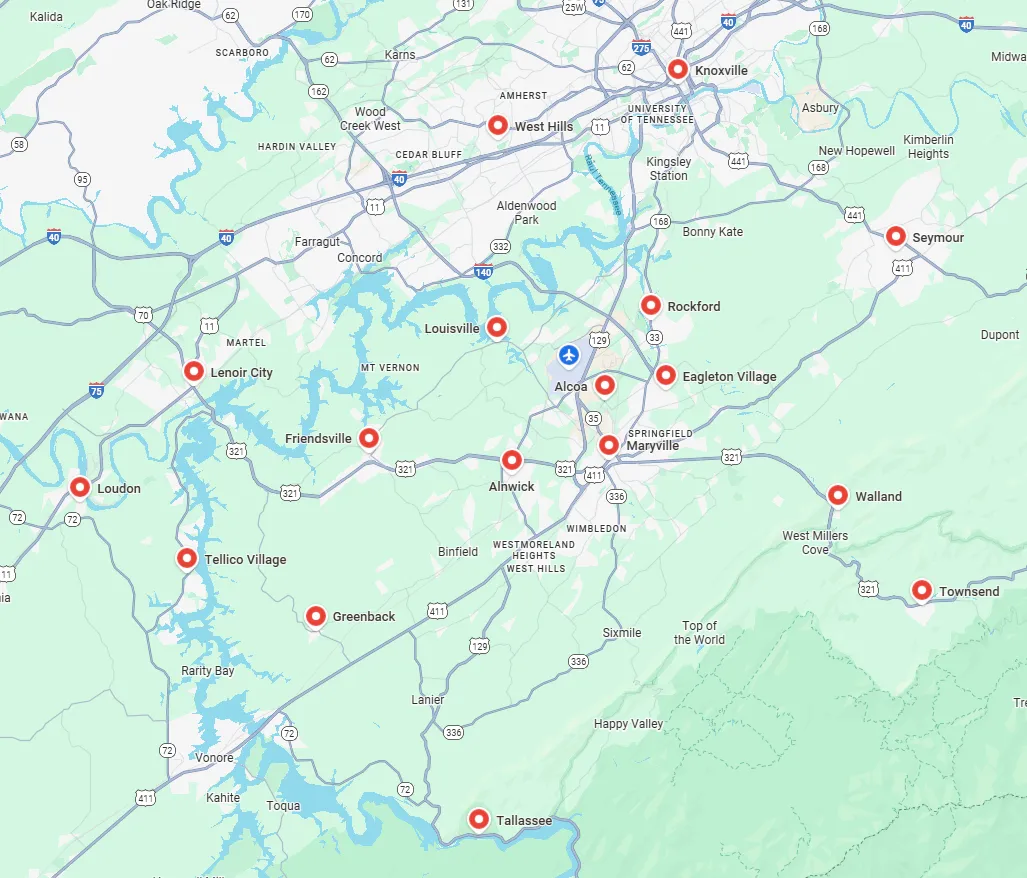
Service areas