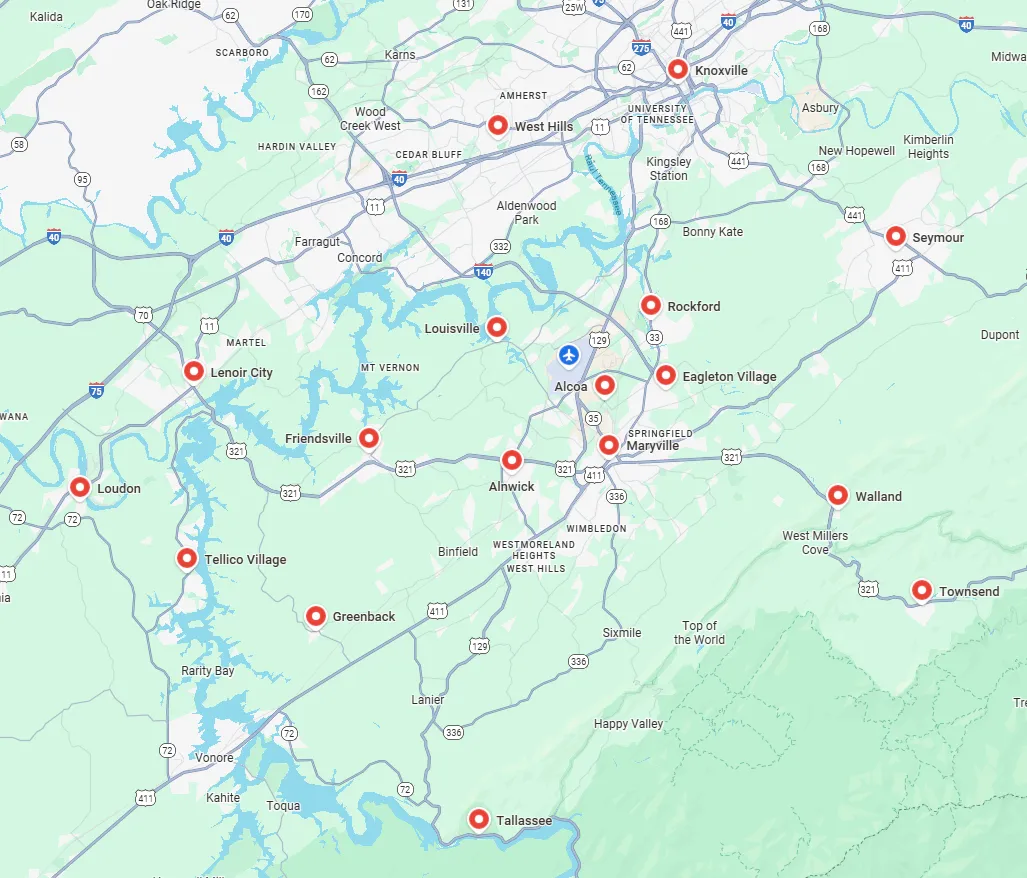


Heating Service in Alnwick, TN
When winter weather rolls into Alnwick, TN, dependable heating isn't just a luxury – it's an absolute necessity. Everest Air Heating and Cooling proudly provides comprehensive heating service in Alnwick, TN, covering everything from thorough inspections and expert repairs to rapid emergency response, seasonal preparation, and ongoing service agreements. We're here to show you exactly what we do, why timely heating care is so crucial for both homes and businesses in the Alnwick area, and how a structured service plan from Everest Air Heating and Cooling can dramatically reduce stress, lower your energy costs, and keep everyone safe and comfortable all season long.
.jpeg)
Why focused heating service matters in Alnwick, TN'
Alnwick experiences seasonal swings that include chilly nights, occasional extended cold snaps, and high humidity during shoulder seasons. Those local conditions put specific demands on heating systems:
- Heat pumps must switch reliably between heating and defrost modes.
- Older gas furnaces face stress from frequent cycling during variable temperatures.
- High seasonal humidity and pollen can accelerate filter clogging and indoor air quality decline.
- Rural and ridge-top homes may suffer from more severe temperature drops or power interruptions.
A properly maintained and quickly repaired heating system improves comfort, prevents costly failures during the coldest days, and reduces the safety risks associated with combustion appliances and carbon monoxide exposure. Everest Air Heating and Cooling combines local experience with industry best practices to deliver dependable heating service in Alnwick, TN.
Common heating systems we service in Alnwick
- Gas furnaces, including single-stage, two-stage, and modulating models
- Heat pumps and hybrid systems
- Ductless Mini Splits for zoned heating
- Electric furnaces and resistance heaters
- Boilers and hydronic systems
- Packaged rooftop units for small commercial buildings
Typical heating problems homeowners and businesses in Alnwick face
- Insufficient heat or uneven temperature from room to room
- Short cycling that increases wear and spikes energy use
- System not turning on, or frequent lockouts on modern systems
- Strange noises such as banging, rattling, or vibrating
- Weak or no airflow caused by blower or duct issues
- Yellow or flickering pilot light or ignition failures on gas systems
- Heat pump defrost problems or loss of reversing valve function
- Carbon monoxide or combustion safety concerns
- Increased energy bills without a change in usage
- Intermittent heating tied to outdoor temperature swings
What a professional heating inspection covers
A thorough inspection identifies immediate repair needs, items for seasonal attention, and efficiency improvements. Everest Air Heating and Cooling performs a consistent checklist to evaluate system health and safety:
- Visual inspection of the furnace or heat pump cabinet and components
- Check for unusual noises, odors, or visible corrosion
- Verify thermostat operation and settings
- Inspect and test ignition system, pilot light, or electronic control
- Measure and record temperatures and pressures when applicable
- Inspect the heat exchanger for signs of cracks or deterioration
- Test for proper airflow and measure motor amperage where needed
- Check and clean or replace filters and examine return air pathways
- Inspect ductwork connections for leaks, loose joints, or visible insulation gaps
- Test safety devices and controls including limit switches and rollouts
- Evaluate condensate drains and pans on high-efficiency systems
- Check electrical connections, capacitors, and contactors on electric components
- Recommend carbon monoxide detector placement and testing if combustion systems are present
How diagnostics and troubleshooting are handled
Diagnosing heating issues in Alnwick homes follows a methodical process that begins with symptoms and moves to root cause:
- Symptom documentation: record when the problem occurs, how long it has been happening, and any conditions that trigger it.
- System history review: note age, recent repairs, maintenance history, and any prior component failures.
- Visual and instrument-based checks: use gauges, thermometers, multimeters, and combustion analyzers as needed.
- Controlled testing: isolate components to confirm failures or intermittent issues, such as running the blower separately or forcing a heat call.
- Report and options: present clear repair choices that explain the problem, expected outcomes, and tradeoffs between repair and replacement.
Repair and replacement guidance
Repairs are done to restore safe, efficient operation while considering the remaining life of the equipment. Typical repairs and interventions include:
- Replacing worn belts, bearings, and blower motors to restore airflow
- Replacing ignition modules, hot surface ignitors, or pilot assemblies
- Repairing or replacing compressors, reversing valves, and defrost controls on heat pumps
- Cleaning or replacing burners and combustion chambers on gas furnaces
- Repairing or sealing duct leaks, insulation, and improving return air
- Replacing capacitors, contactors, and relays that affect starting and operation
- Addressing refrigerant leaks on heat pumps and restoring proper charge
- Installing new thermostats, including programmable and smart models, and optimizing settings
When replacement is the better choice
If repair costs approach the value of the system, or if the system has passed its expected service life and shows declining efficiency and frequent breakdowns, replacement may be recommended. Factors considered include:
- Age of the equipment and projected remaining life
- Frequency and cost of recent repairs
- Energy efficiency compared to modern equipment
- Safety considerations, including cracked heat exchangers
- Availability of parts for older models
Emergency heating service in Alnwick
Power outages, frozen pipes, and sudden heating failures can present immediate hazards. Emergency service protocols focus on safety and rapid diagnosis:
- Prioritize systems that pose combustion risks or create unsafe indoor temperatures for vulnerable occupants
- Provide temporary solutions when needed to stabilize conditions until a permanent fix is performed
- Follow safety checks on returning service after extended outages to ensure safe operation
- Everest Air Heating and Cooling recognizes the disruptions winter failures cause in Alnwick and brings local response practices to emergency calls.
Seasonal preparation and fall Tune-Up specifics
A fall Tune-Up is the single most effective preventive step to reduce midwinter failures. Seasonal preparation addresses system readiness for consistent heating:
- Clean or replace filters and recommend the proper MERV rating for indoor air quality
- Clean burners, flame sensors, igniters, and combustion chambers
- Check and lubricate motors and moving parts where applicable
- Test reverse cycle and defrost functions on heat pumps
- Verify thermostat calibration and program heating schedules for efficiency
- Inspect ductwork, sealing leaks and insulating exposed runs if needed
- Check condensate lines for blockage and proper drainage
- Verify carbon monoxide and smoke detector placement and operation
- Provide a written summary of findings and recommended fixes to prevent winter breakdowns
Benefits of regular maintenance for Alnwick homes and businesses
- Lower operating costs through improved efficiency
- Fewer emergency repairs and less disruption during cold snaps
- Longer equipment life and better return on investment
- More consistent comfort and better room-to-room balance
- Early detection of safety hazards like gas leaks and cracked heat exchangers
- Improved indoor air quality through filtration and system cleanliness
Why a service agreement matters in Alnwick, TN
Service agreements offer predictable care, priority treatment, and cost-saving advantages. Everest Air Heating and Cooling integrates service agreements consistent with our local Y.E.T.I Comfort Plan to deliver clear benefits:
- Priority scheduling to reduce wait times during peak cold periods
- Fall and spring checkups to catch issues before they become failures
- Discounted service call rates on covered repairs to lower out of pocket costs
- Documentation of maintenance history which helps with warranty compliance and resale value
- Peace of mind from knowing a trusted technician understands your system
- For Alnwick homeowners who face unpredictable weather, a service plan reduces the risk that a sudden cold front will expose a neglected problem.
Energy efficiency and cost savings strategies
Efficiency gains are often the most tangible benefit of professional heating service. Key strategies used for Alnwick systems include:
- Proper sizing and zoning to match heat output with real building loads
- Sealing and insulating ductwork to prevent conditioned heat loss
- Upgrading thermostats to programmable or smart models for better scheduling
- Replacing aging equipment with high efficiency furnaces or modern heat pumps when replacement is warranted
- Balancing airflow and adjusting dampers for better distribution and comfort
- Ensuring correct refrigerant charge and airflow on heat pumps to achieve rated efficiency
Safety considerations specific to Alnwick heating systems
- Combustion safety: Carbon monoxide is a critical risk with gas and oil systems. Inspectors will look for proper ventilation, intact heat exchangers, and correct burner adjustment.
- Electrical safety: Loose connections and failing capacitors can cause failures and fire hazards.
- Fuel safety: For propane or oil users, regular checks of supply lines, tanks, and valves reduce leak risk.
- Freeze prevention: In remote or minimally insulated areas, maintaining adequate indoor temperature and protecting pipes is vital to avoid burst piping.
Indoor air quality and heating
Heating service in Alnwick also improves indoor air quality, which is important in a region with seasonal pollen and humidity:
- Replaceable filters help remove dust, pollen, and pet dander
- Higher efficiency filtration and add-on options can reduce allergens and particulates
- Balanced humidity control helps reduce mold risk during winter when indoor air can become dry and then humid during transitions
- Duct cleaning and sealing reduce the accumulation and circulation of contaminants
How we work in Alnwick homes and businesses
Everest Air Heating and Cooling follows consistent, transparent practices to deliver heating service in Alnwick, TN:
- Arrive with the tools and parts needed for accurate diagnostics
- Communicate findings in plain language and present options
- Prioritize safety and regulatory compliance
- Apply proven repair techniques and quality replacement parts
- Keep work areas clean and minimize disruption to occupants
- Document service and maintenance for future reference
Maintenance tips Alnwick homeowners can apply between professional visits
- Change or clean filters monthly during heavy use seasons or at least every 90 days for less active systems
- Keep supply and return vents clear of furniture, curtains, and debris
- Maintain clear airflow around outdoor units for heat pumps and packaged systems, keeping a minimum clearance of 2 feet
- Seal obvious air leaks and add insulation where attics or crawlspaces contribute to heat loss
- Program thermostats to reduce runtime when the home is unoccupied but avoid extreme setbacks on heat pump systems during cold snaps
- Test carbon monoxide alarms monthly and replace batteries per manufacturer guidance
What to expect during a service visit in Alnwick
- A courteous technician will arrive and review symptoms and system history
- A visual and operational inspection will be performed with tools as needed
- The technician will explain findings and outline repair or maintenance steps
- Necessary repairs or adjustments will be completed to restore safe, efficient operation
- You will receive a clear summary of work done and any recommendations for future attention
Choosing the right level of service for your property
- Single visit repair: For isolated failures that require immediate attention
- Seasonal Tune-Up: Annual fall checkup to prepare for winter heating demand
- Comfort plan membership: Ongoing inspections, priority scheduling, and discounts for recurring peace of mind
- System evaluation and replacement consultation: For older systems or those with chronic issues, a full evaluation helps determine the most cost effective path forward
Common alarms and what they often mean
- System short cycles: Usually caused by improper sizing, airflow restrictions, or failed controls
- Unit not starting: Could be thermostat, electrical, ignition, or control board related
- High energy bills: Often caused by reduced efficiency, thermostat settings, or duct leaks
- Odors when system runs: May indicate dirty filters, dust burning off during startup, or combustion related issues that need inspection
Why local expertise matters in Alnwick, TN
Local knowledge improves outcomes. Technicians familiar with Alnwick understand typical building construction, climate patterns that influence system performance, and common equipment types used in area homes and businesses. That experience helps them pinpoint issues faster and recommend solutions that match real use patterns in Alnwick.
Long term benefits of professional heating care
- Reduced lifetime cost for heating equipment through preventative maintenance
- Better comfort and fewer disruptions during cold weather
- Lower risk of hazardous conditions related to combustion appliances
- Improved indoor air quality and occupant health outcomes
- Documented service history that supports warranty claims and property value
Frequently asked questions about heating service in Alnwick, TN
Q: How often should I have my heating system serviced?
A: Annual professional service is recommended, with a fall Tune-Up a priority for Alnwick homes. Heat pumps may need both fall and spring inspections to cover heating and cooling seasons.
Q: What does a fall heating Tune-Up include?
A: A fall Tune-Up typically includes filter inspection and replacement, burner and heat exchanger inspection, blower motor and belt checks, thermostat calibration, duct visual inspection, safety control tests, and a written report with recommendations.
Q: Is a service plan worth it for my Alnwick home?
A: For many homeowners and businesses, a service plan reduces the risk of midwinter failures, provides priority scheduling during peak demand, and offers discounts on services. It also ensures scheduled preventive care that can extend equipment life.
Q: Can you work on older furnaces and legacy systems?
A: Yes. Technicians service a wide range of systems including older models. When parts are unavailable or repairs become uneconomical, a replacement evaluation helps determine the best course of action.
Q: How do I know if my system is unsafe?
A: Signs of a safety concern include persistent soot or sooting around vents, yellow or unstable pilot flames on gas burners, any carbon monoxide alarm activity, unusual odors, or visible cracks in the heat exchanger. Those conditions require immediate inspection.
Q: What can I do to help my heating system perform better between visits?
A: Replace filters regularly, keep vents clear, check thermostat settings, ensure outdoor units have clearance, and maintain reasonable indoor humidity. Simple habits can reduce strain on your system.
Q: Do you service commercial heating equipment in Alnwick?
A: Yes. Service capability includes residential and small commercial systems, rooftop units, and packaged equipment. Commercial clients may benefit from more frequent inspection schedules based on usage.
Q: Will you provide estimates for replacement systems?
A: Professional evaluations include size and load calculations, efficiency comparisons, and a clear summary of recommended options to help make an informed decision. Estimates can be provided based on that assessment.
Q: How quickly can a technician diagnose a no-heat emergency?
A: Diagnosis time varies by symptom. Many common issues can be identified within an hour of on-site inspection, though more complex electrical or component failures may require additional testing or parts.
Q: Are carbon monoxide detectors part of routine safety checks?
A: Technicians will inspect combustion vents, heat exchangers, and exhaust systems and will recommend carbon monoxide detectors if they are not installed or functioning properly. Detectors are a separate safety device homeowners should maintain.
Everest Air Heating and Cooling provides focused expertise and local knowledge for lasting comfort in Alnwick, TN. Our approach blends thorough inspections, efficient repairs, emergency responsiveness, and preventive service planning so you can rely on steady indoor warmth when the temperature drops.
hear what our satisfied clients have to say

David P.
Service areas