

Furnace Tune-Up in Alnwick, TN
When winter rolls around in Alnwick, TN, ensuring your furnace is ready is key to reliable, safe, and cost-efficient comfort. Given our area's seasonal temperature swings, occasional high humidity, and the mix of gas and propane furnaces across Blount, Loudon, Knox, and Sevier counties, regular maintenance isn't just a good idea—it's essential. That's where Everest Air Heating and Cooling comes in. Our team of experienced technicians provides a comprehensive furnace Tune-Up package designed to prioritize your family's safety, optimize performance, and help you avoid those frustrating, costly mid-winter breakdowns. We believe in being upfront, so let's break down exactly what a furnace Tune-Up from Everest Air Heating and Cooling involves, why it's so important for Alnwick homes, common local issues we address, and simple tips to keep your system running its best.
Why a Furnace Tune-Up Matters for Alnwick, TN homes
- Alnwick sees cool to cold winters with humidity swings that increase strain on heating systems. Furnaces work harder during prolonged cold snaps and after long off-seasons, which makes pre-season Tune-Ups crucial.
- Outdoor debris, pollen, and seasonal yard work in rural and suburban properties can lead to clogged filters and blocked vents that reduce airflow and system efficiency.
- Older units and systems that have not been serviced regularly are at higher risk of component failure, reduced efficiency, and safety hazards such as carbon monoxide leaks.
- A properly tuned furnace runs cleaner, uses less fuel, lasts longer, and is less likely to fail unexpectedly when you need it most.
Common Furnace Problems in Alnwick, TN
- Dirty or clogged filters restricting airflow and causing heat cycling.
- Weak or intermittent ignition common after summer downtime or following power outages.
- Incomplete combustion from dirty burners or poor gas pressure, which lowers efficiency and can create safety concerns.
- Malfunctioning controls and thermostats that lead to short cycling or uneven heating.
- Worn blower motors, belts, or bearings that reduce airflow and increase energy use.
- Blocked flues or venting issues from leaves, nests, or debris, especially on rural properties.
- Cracked or corroded heat exchangers in older units, which present a safety hazard and require immediate attention.
What a Comprehensive Furnace Tune-Up Includes
Below is the step-by-step checklist used during a professional furnace Tune-Up. Each step is performed to industry best practices and tailored to the specific make and model in your home.
- Visual Inspection and Safety Review
- Inspect the furnace cabinet and surrounding area for signs of corrosion, leakage, rust, or combustible materials.
- Check the condition of insulation, venting, flue piping, and clearances to ensure safe operation.
- Verify that carbon monoxide detectors are present and functioning in the home environment.
- Air Filter Check and Replacement Guidance
- Inspect the filter for dirt, damage, and the correct rating. Advise on proper filter type (fiberglass, pleated, MERV ratings) based on indoor air quality needs.
- Replace disposable filters or clean reusable filters. Explain replacement intervals: typically every 1-3 months, more often in homes with pets or high pollen.
- Burner and Combustion System Service
- Clean burners and remove soot buildup that prevents even flame distribution.
- Inspect and test the ignition system - hot surface ignitors, pilot assemblies, or electronic ignitors - for reliable starts.
- Perform a combustion analysis when applicable to confirm efficient and safe fuel burn (oxygen levels, CO readings).
- Check gas or propane supply lines and connections for leaks or improper pressure.
- Heat Exchanger Examination
- Visually inspect the heat exchanger for cracks, corrosion, and signs of stress. A compromised heat exchanger is a serious safety issue.
- Use mirrors and appropriate lighting to examine seams and joints, documenting any concerns that require repair or replacement.
- Blower Motor, Fan, and Airflow Assessment
- Clean the blower wheel, motor compartment, and fan assembly to restore proper airflow.
- Lubricate motor bearings if serviceable and check belt tension where applicable.
- Measure airflow and static pressure when needed to diagnose duct restrictions or system imbalances.
- Electrical Controls and Safety Switches
- Inspect and test all electrical connections, relays, control boards, transformers, and capacitors.
- Check limit switches, rollout switches, pressure switches, and other safety devices for proper operation.
- Verify thermostat wiring and calibration to ensure accurate temperature control.
- Flue, Venting, and Draft Inspection
- Inspect and clean the exhaust flue and vent terminations. Ensure proper draft and that there are no blockages or animal nests.
- Confirm that vent pathways are sealed and pitched correctly to prevent flue gas backflow.
- System Performance Optimization
- Adjust gas pressure and burner settings for peak combustion efficiency while keeping safety margins.
- Balance system airflow and address any short cycling or uneven heating conditions.
- Reset and program thermostats for energy-efficient operation and occupant comfort preferences.
- Final Safety and Operational Tests
- Run the furnace through several heat cycles to confirm stable ignition, combustion, and heat delivery.
- Monitor temperatures, pressures, and electrical consumption for anomalies.
- Provide a written summary of findings, recommended repairs, and maintenance actions needed.
Performance Optimization: What It Means and Why It Helps
A furnace Tune-Up is not just cleaning; it is a targeted performance optimization that aligns the system with safe, energy-efficient operation. Optimization includes:
- Restoring proper airflow so the furnace can heat evenly without overworking the blower motor.
- Calibrating the combustion process to get maximum heat from each unit of fuel, which reduces monthly fuel bills.
- Eliminating short cycling so components do not undergo rapid on/off stress that shortens life expectancy.
- Adjusting controls and sequences so the system runs in the correct modes for mild versus severe cold, extending comfort and reducing wear.
How Tune-Ups Prevent Costly Breakdowns
- Early detection: Routine inspections reveal worn parts, gas leaks, or cracked components before they cause an abrupt failure.
- Reduced emergency repairs: Cleaning and lubrication lessen friction and electrical strain that commonly lead to motor or control failures.
- Extended equipment life: Properly maintained furnaces can last several years longer than neglected units, reducing the frequency of expensive replacements.
- Improved reliability: Seasonal checks before heavy-use periods reduce the chance of a no-heat emergency during the coldest nights.
Recommended Frequency and Timing
- Annual professional Tune-Up: Most manufacturers and industry best practices recommend a furnace Tune-Up once a year, ideally in the fall before the first prolonged cold period.
- Additional checks for older or high-use systems: Furnaces older than 10-15 years, units with prior repairs, or systems in homes with pets and heavy allergens may benefit from more frequent checks (every 6-9 months).
- Filter replacement: Many homes need filter changes every 30 to 90 days, depending on filter type, occupancy, pets, and outdoor air quality factors common in Alnwick.
- After repairs or power events: Any time the furnace has had a major repair or the house experienced a prolonged power outage or gas interruption, a professional check helps verify safe restart and operation.
Local Considerations for Alnwick, TN
- Pollen and debris: The region’s seasonal pollen and tree cover make filter management a more frequent task for Alnwick homes. Filters capture more particulate matter in spring and fall, requiring closer attention during those months.
- Rural venting challenges: Homes outside denser neighborhoods often face bird, rodent, or leaf ingress in vent terminations. A Tune-Up includes inspection and clearance of these potential blockages.
- Fuel type mix: Many Alnwick homes use natural gas, but propane and oil systems are also present. Everest Air Heating and Cooling adapts combustion checks and fuel-specific adjustments to each system type.
- Humidity and insulation: Tennessee humidity can impact system efficiency and comfort. A Tune-Up that optimizes airflow and thermostat control helps maintain comfortable indoor humidity levels and reduce energy waste.
Diagnostics and What Technicians Look For
During a Tune-Up, technicians use both visual tools and diagnostic instruments to assess system health:
- Visual inspection for rust, corrosion, and soot patterns
- Gas leak detection and pressure gauge measurements
- Multimeter testing of electrical circuits and control components
- Combustion analyzers when applicable to measure flue gas composition and CO levels
- Infrared thermometers to compare supply and return temperatures
- Airflow testing tools to evaluate static pressure and duct performance
These diagnostics enable technicians to make evidence-based recommendations and prioritize repairs that have the highest impact on safety and efficiency.
Common Repairs and Parts That Often Arise After a Tune-Up
A Tune-Up will uncover issues that range from simple to critical. Frequently needed items include:
- Filter replacement or upgrade to a higher efficiency model
- Ignitor or flame sensor cleaning or replacement
- Burner cleaning and adjustment
- Blower motor service or replacement when bearings are worn
- Minor electrical repairs such as relays, capacitors, or control board replacements
- Addressing vent blockages or resealing vents and flues
- Heat exchanger evaluation; if cracked, replacement is often recommended for safety
- The Tune-Up process helps prioritize these repairs and explains the implications of delaying them.
Energy Savings and Longevity Benefits
- Typical efficiency improvement: Regular maintenance can restore lost efficiency by 5 to 15 percent depending on the condition of the furnace before service. For older or neglected systems, the benefits can be significantly higher.
- Reduced utility costs: Better combustion and airflow translate into lower fuel usage each heating season.
- Extended equipment life: Proper cleaning, lubrication, and calibration reduce component stress and can extend appliance life by years.
- Fewer emergency service calls: Preventive maintenance dramatically lowers the chance of catastrophic failures during peak demand.
What to Expect During an Everest Air Heating and Cooling Tune-Up
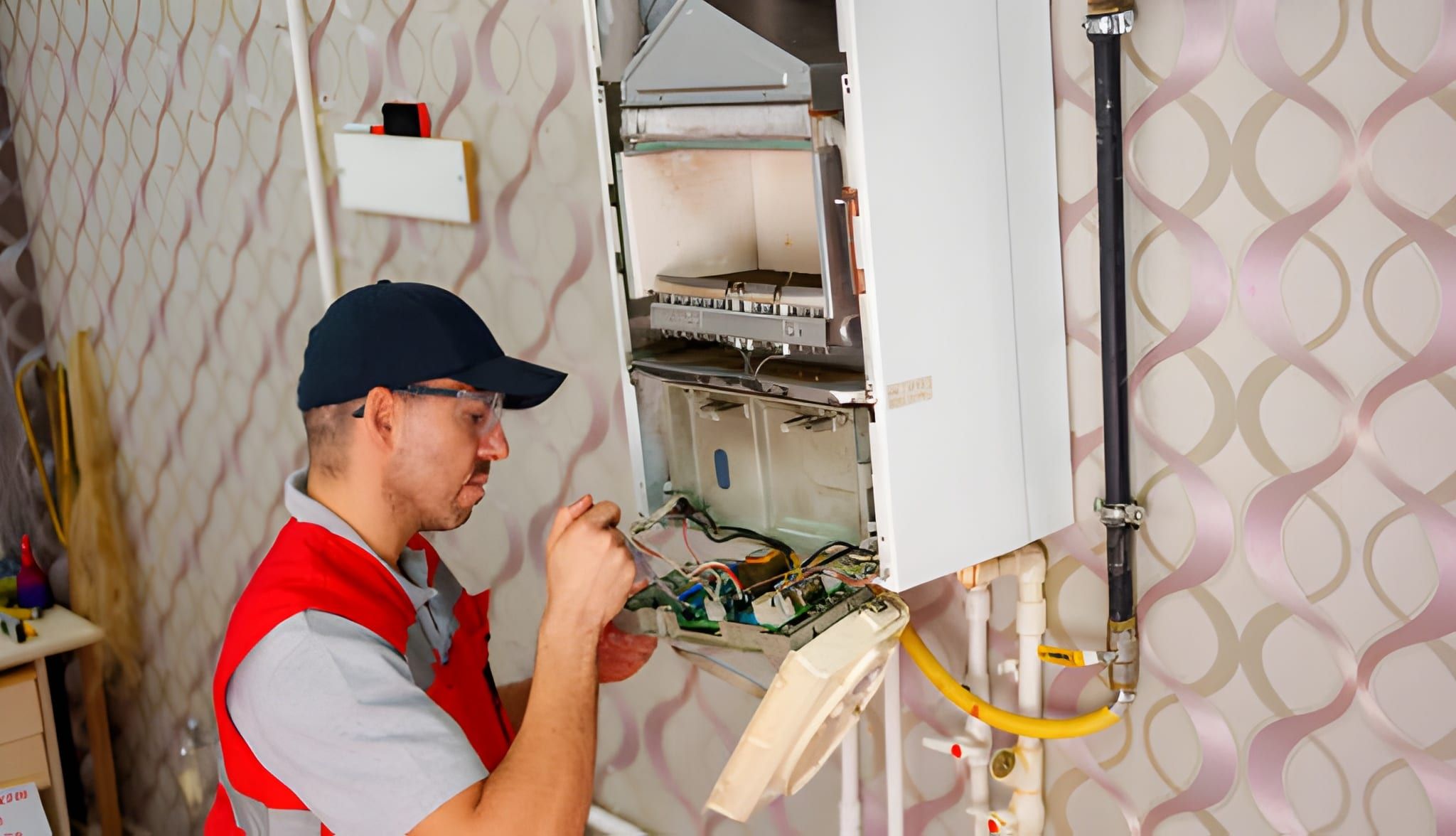
- A trained and uniformed technician arrives and performs a thorough inspection following the checklist above.
- The process typically takes 60 to 90 minutes depending on system complexity and any service needed.
- The technician documents findings and explains necessary repairs or recommended improvements in plain language, including safety concerns that require immediate attention.
- If you are enrolled in the Y.E.T.I Comfort Plan, this service is coordinated to align with seasonal checkups included in the plan, providing continuity across years.
DIY Maintenance Tips Between Professional Tune-Ups
- Keep filters clean: Check monthly and replace or clean as needed. Use the right filter type recommended by your furnace manual or by your technician.
- Maintain clearances: Keep the area around the furnace free of storage, debris, and combustible materials to ensure proper airflow and safety.
- Protect outdoor equipment: For vent terminations and any outdoor components, keep branches trimmed and clear leaves or nests that can restrict airflow or cause corrosion.
- Monitor thermostat performance: If temperatures feel inconsistent room to room, check thermostat placement and batteries to ensure accurate readings.
- Use carbon monoxide alarms: Place CO alarms near sleeping areas and replace batteries annually. Do not rely solely on the furnace to indicate CO issues.
When a Tune-Up Finds a Serious Issue
- Immediate safety threats such as a cracked heat exchanger, gas leaks, or dangerous CO readings are prioritized and clearly communicated.
- Your technician will explain the risk, recommend the safest course of action, and provide straightforward options for repair or replacement. Everest Air Heating and Cooling focuses on transparent explanations so homeowners can make informed decisions.
Why Choose Regular Tune-Ups Over Reactive Repairs
- Predictability: Planned maintenance keeps expenses predictable and manageable compared to sudden repair costs.
- Safety: Routine inspections reduce the risk of hazardous failures and improve indoor air quality.
- Comfort: A tuned furnace maintains steady temperature control and distributes heat evenly throughout the home.
- Value preservation: Regular maintenance preserves equipment value and reduces lifecycle cost of heating systems.
The Role of Maintenance Plans
Maintenance programs, such as the Y.E.T.I Comfort Plan offered by Everest Air Heating and Cooling, bundle seasonal checkups and priority scheduling to maintain year-round reliability. These plans help homeowners keep maintenance on a regular schedule and provide documented service history which can be valuable if equipment warranties are involved.
FAQs
Q: What is included in a professional furnace Tune-Up in Alnwick, TN?
A: A professional furnace Tune-Up includes a visual safety inspection, filter check and replacement guidance, burner and ignition cleaning, heat exchanger inspection, blower and airflow assessment, electrical control testing, flue and vent inspection, combustion optimization, and final operational testing with documentation of findings.
Q: How often should I schedule a furnace Tune-Up for my Alnwick home?
A: Schedule a professional Tune-Up at least once a year, ideally in the fall before heavy heating season. Homes with older systems, pets, or heavy allergens may benefit from more frequent checks.
Q: Will a Tune-Up reduce my heating bills?
A: Yes. A thorough Tune-Up restores lost efficiency by improving combustion, airflow, and controls. Typical improvements can be 5 to 15 percent, depending on initial condition, which can lower fuel use and monthly heating costs.
Q: Can a furnace Tune-Up detect carbon monoxide risks?
A: Yes. A Tune-Up includes inspection of the heat exchanger, combustion analysis in applicable systems, venting checks, and verification of safe operation. These steps help identify conditions that could cause carbon monoxide production.
Q: How long does a furnace Tune-Up typically take?
A: Most full Tune-Ups take between 60 and 90 minutes, depending on system complexity and whether additional repairs are identified during inspection.
Q: Are Tune-Ups necessary for both gas and electric furnaces?
A: Yes. Both fuel types benefit from professional maintenance. Gas and propane systems require combustion and venting checks, while electric systems need electrical control and airflow inspections to ensure efficient operation.
Q: What simple maintenance can I do between professional Tune-Ups?
A: Replace or clean filters monthly to quarterly as needed, keep the furnace area clear, ensure vents are unobstructed, test carbon monoxide detectors periodically, and monitor thermostat performance.
Q: If my furnace is old, should I still get Tune-Ups?
A: Yes. Older furnaces benefit from Tune-Ups that can extend life and improve safety. However, if a Tune-Up reveals significant problems like a cracked heat exchanger, replacement may be recommended for safety and long-term cost-effectiveness.
Q: Does regular maintenance affect warranty coverage?
A: Many manufacturers require scheduled maintenance to keep warranty coverage valid. Keeping documented service records from professional Tune-Ups helps with warranty claims and ensures compliance with manufacturer recommendations.
hear what our satisfied clients have to say

David P.
Service areas