

Heating Maintenance in Alnwick, TN
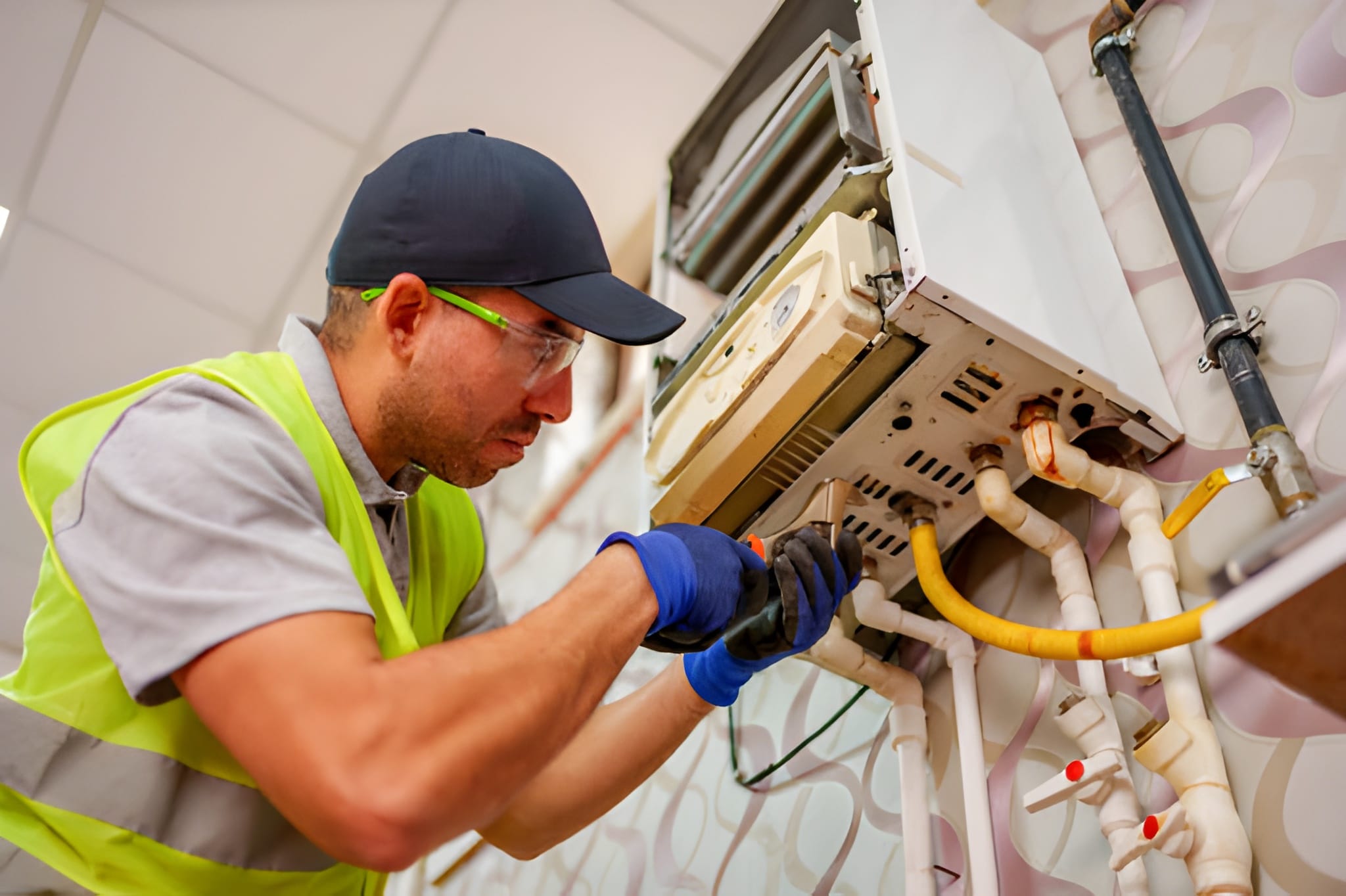
Keeping your heating system truly reliable through Alnwick winters means more than just bumping up the thermostat when the mercury drops. Consistent, professional heating maintenance is key to protecting your comfort, significantly cutting down on energy costs, and avoiding those frustrating mid-winter breakdowns that leave families scrambling for warmth. Everest Air Heating and Cooling is dedicated to providing comprehensive heating maintenance programs, thoughtfully designed for the unique needs of Alnwick, TN homes. Our services cover everything from thorough seasonal inspections and detailed component cleaning to optimizing airflow and verifying safety. When you choose Everest Air Heating and Cooling for your maintenance, you're investing in peace of mind all winter long.
Why seasonal heating maintenance matters in Alnwick, TN
Alnwick experiences the East Tennessee seasonal swings that put extra stress on home heating systems. Winters can bring extended cold spells and freeze-thaw cycles, while early spring pollen and fall leaf litter create airflow and filtration challenges. Local homes often combine older ductwork, attics or crawlspaces with inconsistent insulation, and a mix of system types including gas furnaces, heat pumps, ductless Mini Splits, and occasionally oil systems.
These regional factors increase the likelihood of:
- Reduced heating efficiency from clogged filters and dirty coils after high-pollen seasons
- Heat pump defrost cycle problems in late fall and winter, especially with intermittent cold snaps
- Gas furnace ignition or combustion problems due to worn burners or poor airflow
- Duct leaks and insulation gaps that permit heat loss in older Alnwick homes
- Mid-winter failures prompted by neglected components, bad capacitors, or weak motors
A proactive, seasonally timed maintenance program addresses those risks before they become emergencies.
Common heating system types and issues in Alnwick homes
Everest Air Heating and Cooling services a wide range of whole-home heating systems. The most common systems in the area and their typical issues include:
- Gas furnaces
- Dirty burners and clogged pilot/ignition systems
- Cracked heat exchangers due to thermal stress
- Reduced efficiency from restricted airflow or old filters
- Heat pumps (air-source, including multi-split systems)
- Frost build-up and defrost control issues
- Reduced capacity from refrigerant imbalance or dirty coils
- Electrical wear on reversing valves and outdoor fan motors
- Ductless Mini Splits
- Blocked indoor units from household dust or pets
- Refrigerant leakage symptoms and control board issues
- Older systems and packaged units
- Aging motors, belts, and capacitors failing under winter loads
- Corroded electrical contacts and relay problems
- Ducted systems
- Leaky or uninsulated ducts in crawlspaces or attics
- Imbalanced airflow and cold spots from improper zoning
Identifying early warning signs and addressing them in a maintenance visit reduces the odds of expensive emergency repairs when temperatures drop.
What a comprehensive heating maintenance visit covers
Our maintenance philosophy centers on whole-home system reliability. A typical seasonal inspection and Tune-Up from Everest Air Heating and Cooling includes detailed checks, cleaning, calibration, and small repairs as necessary. Key elements include:
- System performance assessment
- Measure supply and return temperatures, airflow, and overall system capacity
- Verify thermostat operation and temperature differential
- Visual and mechanical inspection
- Examine burners, heat exchanger, ignition system, and flue for gas furnaces
- Inspect the outdoor unit, coil, fan motor, and refrigerant lines for heat pumps
- Check indoor blower motor, belts, and bearings
- Electrical safety and control checks
- Test capacitors, contactors, relays, and wiring for wear or corrosion
- Confirm safe operation of limit switches, reversing valves, and control boards
- Combustion and venting safety (gas systems)
- Perform combustion analysis where applicable and ensure proper venting
- Inspect for signs of carbon monoxide risk, cracked heat exchangers, or gas leaks
- Air filter and airflow optimization
- Replace or clean filters as specified by system requirements
- Measure static pressure and evaluate duct airflow for blockages or leaks
- Coil and component cleaning
- Clean indoor and outdoor coils to restore heat transfer efficiency
- Remove debris, leaves, pollen, and dust from outdoor units and condensate lines
- Drainage and condensate management
- Clear and verify condensate drains and safety pans to prevent water damage and mold
- Calibration and controls
- Calibrate thermostats and control settings for seasonal efficiency
- Reset timers, schedules, and verify zoning dampers where present
- Insulation and duct evaluation
- Inspect accessible ductwork for signs of leaks, disconnected joints, or missing insulation
- Recommend sealing or insulation improvements to reduce heat loss
- Documentation and prioritized recommendations
- Provide a clear maintenance report listing issues found, parts needing attention, and priority repairs for winter readiness
Every maintenance visit is performed with an eye toward preventing mid-winter failures and extending equipment life. Small adjustments and cleanings done during these appointments yield measurable improvements in reliability and efficiency.
Diagnostic details: how we find hidden problems
Many serious heating problems begin as subtle symptoms easily missed by an untrained eye. Everest Air Heating and Cooling uses a mixture of visual inspection, measurement tools, and experience to diagnose hidden issues:
- Temperature split analysis: Comparing supply and return temperatures reveals restricted airflow or failing heat transfer.
- Static pressure readings: High static pressure often indicates clogged filters or undersized/blocked return paths that stress blowers.
- Combustion gas testing: For fuel-burning appliances, combustion efficiency and CO testing reveal dangerous breakdowns in the combustion process.
- Electrical load testing: Measuring starting current and voltage helps detect weakening motors or failing capacitors before they fail under winter loads.
- Refrigerant level verification: For heat pumps, proper refrigerant charge is essential to avoid capacity loss and excessive run times.
- Vibration and sound assessment: Unusual noises or vibrations often point to worn bearings, loose panels, or failing motors that can lead to sudden breakdowns.
Pinpointing these problems during scheduled maintenance prevents many emergency trips and keeps systems operating reliably at peak performance.
Cleaning, calibration, filters, and airflow: the details that matter
Regularly scheduled cleaning and calibration are central to heating maintenance. Key tasks include:
- Coil and heat exchanger cleaning: Removes dirt and combustion residue that degrade heat transfer and increase run times.
- Blower wheel and motor servicing: Cleaning and lubricating (where applicable) prevents motor overheating and preserves airflow.
- Filter management: Ensuring the correct filter type and replacement schedule for the household — including high-efficiency filters for homes with pets or allergy concerns — keeps airflow balanced and indoor air quality improved.
- Duct cleaning and sealing recommendations: Identifying dust build-up, pest debris, or disconnected sections that reduce system efficiency and contribute to cold spots.
- Thermostat calibration: Ensuring room temperature readings match actual conditions to prevent short cycling or overrun.
- Control updates: Verifying that control boards, timers, and thermostats are functioning properly especially after power surges or seasonal transitions.
These seemingly small tasks reduce wear on motors and compressors, lower monthly heating bills, and maintain more consistent indoor comfort.
Preventive measures to avoid mid-winter failures
Mid-winter failures are often costly and inconvenient. Preventive steps included in a robust maintenance plan can significantly reduce the likelihood of a breakdown:
- Pre-winter performance Tune-Up: Ensure combustion systems are clean and efficient and that heat pumps have proper refrigerant charge and clear airflow.
- Replace aging wear-items proactively: Capacitors, belts, and ignition components often fail under heavy use. Replacing them during maintenance avoids winter outages.
- Insulation and duct sealing suggestions: Addressing heat loss in attics or ducts reduces system runtime and prevents overworking components.
- Surge protection and electrical tightening: Loose connections and occasional surges can degrade control boards. Tightening and protecting electrical components reduces failure risk.
- Battery and safety component checks: Ensure thermostat batteries, safety switches, and emergency controls are reliable if a power interruption occurs.
- Seasonal control adjustments: Programming thermostats and verifying defrost controls on heat pumps to match local weather patterns reduces stress during cold snaps.
These actions focus not only on immediate repair but on managing long-term reliability under the specific demands of Alnwick’s climate.
Benefits of enrolling in a maintenance plan in Alnwick
Enrolling in a seasonal heating maintenance plan delivers predictable care designed for local conditions. Key benefits homeowners in Alnwick should expect include:
- Lower risk of emergency repairs during cold spells because systems are inspected and tuned before the heavy-use season
- Improved energy efficiency and lower monthly utility use through clean coils, calibrated controls, and sealed ducts
- Extended equipment life by addressing wear items before they cause component failures
- Improved indoor air quality by managing filters and addressing duct contamination often caused by spring pollen and fall leaf infiltration in our region
- Enhanced safety through combustion analysis, CO checks, and venting verification for fuel-burning appliances
- Faster diagnosis and prioritized service in high-demand seasons when technicians are busiest in the region
- Peace of mind in knowing that systems have been adjusted for Alnwick’s freeze-thaw cycles and humidity patterns
Everest Air Heating and Cooling packages these advantages through our Y.E.T.I Comfort Plan and tailored seasonal visits that reflect local weather trends and the types of systems most often found in Alnwick homes.
What to expect when a technician from Everest Air Heating and Cooling performs maintenance
When one of our trained technicians services your system, you can expect a professional, methodical approach focused on reliability and clarity:
- Thorough pre-inspection discussion to note household priorities, past issues, and any symptoms you may have observed
- A complete inspection covering safety, mechanical, and electrical elements as outlined in the maintenance checklist
- Transparent documentation of findings and clear recommendations prioritized by urgency and effect on reliability
- Small adjustments or part replacements performed on site when necessary to restore safe and efficient operation
- Advice specific to your home and system type, including recommended filter types, insulation improvements, or thermostat settings for Alnwick seasons
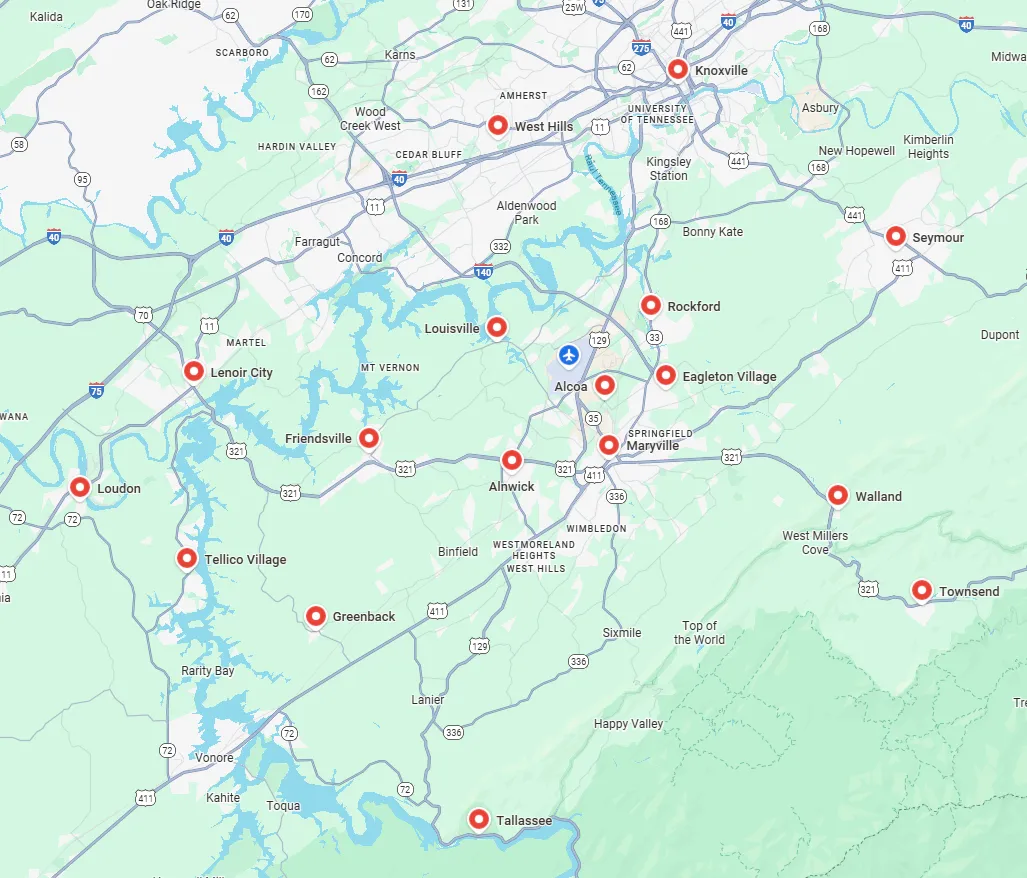
Our experience working across Blount, Loudon, Knox, and Sevier counties informs our regional best practices and helps us recommend changes that make sense for Alnwick homeowners.
How maintenance protects home comfort and system warranties
Many manufacturers require regular professional maintenance to keep equipment warranties valid. Beyond warranty compliance, routine service preserves the system’s capacity to maintain even temperatures, reduce humidity problems, and deliver consistent comfort across multiple rooms.
Maintenance reduces the frequency of short cycling, which is a common contributor to premature compressor failure in heat pumps and early motor failure in furnaces. By reducing runtime spikes and keeping components clean, maintenance keeps equipment operating within design parameters and dramatically improves long-term performance.
Energy savings and upfront investment trade-offs
Well-maintained heating systems operate more efficiently, often saving homeowners measurable amounts on monthly energy bills. Typical benefits include:
- Lower energy consumption from clean heat exchangers and evaporator coils
- Shorter run times for achieving target temperatures
- Reduced blower and motor electricity usage when static pressure is optimized
- Fewer emergency repairs with higher-cost parts avoided
Because maintenance focuses on early issue detection and inexpensive part replacements, it tends to reduce overall lifecycle costs compared to paying for emergency repairs or premature system replacements.
Tailoring maintenance to different property types in Alnwick
Alnwick’s housing stock ranges from newer subdivisions to older homes with crawlspaces and larger rural properties. Each presents specific maintenance considerations:
- Older homes with ductwork in crawlspaces: Emphasis on duct sealing, insulation, and checking for pest debris or moisture intrusion.
- Newer, tighter homes: Focus on correct filter selection and balanced ventilation to maintain indoor air quality.
- Rural properties with outdoor units near vegetation: Regular outdoor coil cleaning and ensuring proper clearance to prevent pollen, leaves, and debris buildup.
- Homes with fireplaces or wood stoves: Additional attention to combustion air pathways and balance of indoor air pressures to prevent backdrafting.
Everest Air Heating and Cooling customizes maintenance visits based on these property differences while keeping safety, efficiency, and comfort at the forefront.
Long term advantages of a consistent maintenance schedule
Scheduling regular inspections and Tune-Ups creates compounding benefits over the years:
- Predictable operating costs and reduced likelihood of budget-busting repairs
- Better resale value through documented maintenance history
- Consistent indoor comfort and balanced temperatures across seasons
- Safer operation for fuel-burning appliances and reduced carbon monoxide risk
- Faster response and prioritized attention when technicians are familiar with the system history
A consistent maintenance plan becomes an investment in peace of mind, equipment longevity, and predictable home comfort.
Frequently asked questions
Q: How often should I have my heating system serviced in Alnwick, TN?
A: Most heating systems should receive professional maintenance once a year, ideally in the fall before heavy winter use. Heat pumps benefit from a fall check and a spring check to address seasonal reversals and defrost cycles.
Q: Will a maintenance visit find everything that could go wrong?
A: Maintenance dramatically reduces the risk of unexpected failures by catching common wear items and system stressors. However, no inspection can predict every possible failure. Maintenance focuses on preventing the most likely and impactful issues.
Q: Are filter changes included in a maintenance visit?
A: Yes, filter checks and recommended replacements are part of a comprehensive service. Filters tailored to your needs (allergy-grade, high-MERV) can be discussed and installed as appropriate.
Q: Can maintenance extend the life of my heating system?
A: Regular maintenance reduces wear on critical components and often extends equipment life by several years, depending on initial system condition and usage patterns.
Q: What safety checks are performed on gas furnaces?
A: Safety checks include combustion analysis, heat exchanger inspection for cracks or corrosion, flue and venting inspection, and carbon monoxide testing when indicated to ensure safe operation.
Q: Does maintenance improve indoor air quality?
A: Yes. Cleaning coils, changing filters, and addressing duct contamination all contribute to better indoor air quality, especially after seasons with heavy pollen or leaf debris.
Q: Are there seasonal things I should do between professional visits?
A: Homeowners can regularly replace filters per manufacturer guidance, keep outdoor units clear of debris, and routinely check for unusual sounds or odors that could indicate a developing issue.
Q: Do I need maintenance if my system is new?
A: New systems still benefit from scheduled maintenance. Many manufacturers require regular professional service to preserve warranty coverage and ensure optimal performance.
Q: Can maintenance prevent carbon monoxide leaks?
A: Regular combustion and venting inspections substantially reduce the risk of carbon monoxide leaks by identifying cracked heat exchangers, blocked vents, and other combustion issues before they become dangerous.
Q: How does Alnwick weather affect maintenance frequency?
A: Alnwick’s seasonal pollen, humidity, and freeze-thaw cycles make pre-winter and post-winter checks particularly important. Homes near vegetation may need more frequent outdoor coil cleaning.
Everest Air Heating and Cooling provides maintenance plans and individual visits tailored to Alnwick’s needs, leveraging local knowledge to keep systems safe, efficient, and reliable.
hear what our satisfied clients have to say

David P.
Service areas