

Heating Replacement in Lenoir City, TN
Replacing your home heating system is a big decision, plain and simple. Here in Lenoir City, TN, where humid summers eventually turn into cool, sometimes freezing, winters, choosing the right heating replacement means reliable warmth, better energy efficiency, and improved indoor comfort for years to come. At Everest Air Heating and Cooling, we really draw on our local experience to help homeowners like you understand exactly when a full replacement is the best move. We'll show you what options truly make sense for our regional climate and walk you through what to expect during the entire evaluation and installation process with Everest Air Heating and Cooling.
.jpeg)
Why consider a full heating replacement now
Older, failing, or undersized systems create predictable frustrations: rising energy bills, uneven room temperatures, noisy operation, and frequent repair calls. There are several clear scenarios when replacement is the recommended path:
- The system is more than 12 to 15 years old and has required multiple major repairs.
- Repair costs are approaching 50 percent of the value of a new system.
- Your furnace or heat pump can no longer maintain comfortable temperatures, or rooms heat unevenly despite duct or thermostat adjustments.
- The system uses outdated technology with low efficiency ratings, causing high energy bills.
- You want to change fuel types or invest in higher efficiency equipment for long term savings.
- Indoor air quality or humidity control cannot be resolved by repairs or simple maintenance.
For many Lenoir City homes, addressing older equipment also accounts for local factors like seasonal humidity, the frequency of cold snaps, and rising energy costs. Replacement is both a comfort and an efficiency upgrade.
The evaluation process: how Everest Air Heating and Cooling assesses your system
A careful, documented evaluation avoids surprises and ensures the replacement is the right fit for your home. The typical evaluation includes these steps:
- Initial system inspection
- Visual check of furnace or heat pump components, flue or venting, condensate drainage, and safety devices.
- Review of service history, past repairs, and current warranty status.
- Load calculation and right-sizing
- Accurate Manual J load calculation that considers insulation levels, window type, orientation, local climate patterns, and occupancy.
- Duct design review (Manual D) when ductwork changes or significant airflow problems are suspected.
- Equipment is selected based on calculated heat loss and heat distribution needs, not just the old unit tonnage.
- Ductwork and airflow diagnostics
- Inspect ductwork for leaks, poor insulation, improper sizing, and blocked or disconnected runs typical in older Lenoir City houses with crawlspaces or renovated additions.
- Measure airflow and static pressure to identify whether fan upgrades, duct sealing, or reconfiguration will be required.
- Fuel and combustion safety checks
- For gas or oil systems, verify safe venting, combustion efficiency, and carbon monoxide safeguards.
- For electric systems and heat pumps, inspect electrical panels, breaker capacity, and required disconnects.
- Efficiency and performance benchmarking
- Compare current system efficiency, seasonal performance, and operational noise to what new equipment would deliver.
- Discuss humidity control, zoning needs, and integration with indoor air quality solutions.
This evaluation becomes the basis for a clear, written recommendation explaining why replacement is appropriate, the options available, expected benefits, and any additional work needed such as duct repairs or electrical upgrades.
Replacement options for Lenoir City homes
Everest Air Heating and Cooling presents a range of modern solutions tailored to local weather and home styles. Below are the common options and how they perform in East Tennessee conditions.
- High-efficiency Furnaces (Gas or Propane)
- AFUE ratings commonly range from 80 percent up to 98 percent for condensing furnaces. In Lenoir City, a high-AFUE condensing furnace provides reliable heat during cold periods and can significantly reduce gas usage compared to older units.
- Best for homes with existing ductwork and available natural gas or propane service.
- Cold-climate Air Source Heat Pumps (including inverter-driven)
- Modern heat pumps can operate efficiently down into lower temperatures and are an excellent choice where winters are generally mild but occasionally cold.
- Dual-fuel systems pair a heat pump with a gas furnace so the heat pump runs most of the time, switching to the furnace automatically on the coldest days for optimal efficiency and comfort.
- Ductless Mini Split Systems
- Ideal for homes without ductwork, additions, or spot-heating problem areas. Mini Splits offer precise temperature control, quiet operation, and individual zone settings.
- In Lenoir City, they are a popular option for retrofits and for homeowners who want to add heating and cooling flexibility with lower installation disruption.
- Packaged Systems and Hybrid Solutions
- For homes with limited outdoor space or unique installation constraints, packaged rooftop or ground-mounted units combine heating and cooling in one factory assembly.
- Hybrid systems combine technologies to maximize efficiency, such as pairing a high-efficiency furnace with a variable-speed heat pump and smart controls.
- Variable-speed and Modulating Systems
- Equipment with variable-speed blowers or modulating gas valves delivers more consistent temperatures, lower humidity, and quieter operation. These features make a visible difference in comfort in the humid summers and cooler winters of Lenoir City.
Each option is presented with expected efficiency (AFUE or HSPF/SEER for heat pumps), operational characteristics, and how it will affect home comfort and energy use specific to local weather.
Typical project timeline: from decision to warm, efficient home
Heating replacement projects vary by scope, equipment availability, and any necessary home upgrades. The typical timeline looks like this:
- Evaluation and written proposal
- Usually completed within a day or two after the inspection. Proposal details equipment options, modifications, estimated timeline, and warranties.
- Equipment ordering and permit approval
- Lead times vary by manufacturer and model; common ranges are 1 to 3 weeks. Permit review and approval depend on local permit office schedules.
- Day of equipment removal and installation
- For a standard furnace-to-furnace or heat pump-to-heat pump swap, most residential installs take between 4 and 8 hours.
- If ductwork modifications, electrical upgrades, or installation of a new outdoor pad is required, additional time or a second day may be necessary.
- Commissioning and homeowner orientation
- After installation, technicians perform startup checks, measure operating performance, verify thermostat calibration, and walk you through basic operation and maintenance tasks.
- Disposal and recycling of old equipment
- Old units are removed and disposed of responsibly. Refrigerant-containing equipment is recovered and recycled in compliance with EPA rules. Metal scrap is recycled where possible. Everest Air Heating and Cooling documents disposal practices as part of the project.
- Final inspection and warranty registration
- Where required by code, a final permit inspection confirms compliance. Manufacturer warranties are registered so coverage begins from the date of installation.
From initial inspection to a fully operational system, a straightforward replacement is commonly completed in 2 to 6 weeks total, with the active installation portion typically one business day for standard jobs. More complex conversions or custom ductwork can extend that timeline.
Disposal and environmental considerations
Removing older equipment involves more than hauling away a box. Responsible practices include:
- Safe recovery of refrigerant from heat pumps or air conditioners in accordance with federal regulations.
- Recycling of metal and electronic components whenever possible.
- Proper disposal of oil, solvents, or other hazardous byproducts.
- Documentation of serial numbers removed and warranty transfers when applicable.
Proper disposal protects your family, the community, and the environment.
Financing and warranty options
Heating replacement is an investment in comfort and energy savings. Everest Air Heating and Cooling outlines typical financing and warranty structures so homeowners can make informed decisions:
- Manufacturer warranties
- New furnaces and heat pumps come with factory-backed parts warranties varying by model. High-efficiency models often include longer parts coverage.
- Many manufacturers offer extended limited warranties on compressors and heat exchangers when systems are registered after installation.
- Labor and workmanship warranties
- Installation workmanship coverage protects against defects from the installation process. Review the specific duration and coverage details on labor warranties.
- Financing
- Financing is often available through third-party lenders. Typical plans include fixed monthly payments over 6 to 120 months depending on the program.
- Compare interest rates, payment terms, and whether deferred interest or special promotions apply. Financing can help spread the cost while benefiting from immediate efficiency gains.
When evaluating options, prioritize total cost of ownership: upfront cost, expected energy savings, maintenance needs, and warranty coverage together determine overall value.
Expected performance improvements and energy savings
A professional replacement should deliver tangible benefits you can notice and measure:
- Energy savings
- Upgrading from a 60 to 80 percent AFUE furnace to a 95 percent condensing model can reduce fuel use substantially. Depending on home insulation and usage, typical savings range from 10 to 30 percent on heating costs for homes replacing older equipment.
- Replacing electric resistance or very old systems with modern cold-climate heat pumps can result in even larger electricity savings, especially when paired with a dual-fuel setup.
- Better temperature consistency
- Properly sized and commissioned equipment reduces cold spots and short-cycling. Variable-speed blowers and modulating gas valves further smooth out temperature swings.
- Improved humidity control and indoor air quality
- Modern systems with variable-speed operation and proper airflow reduce humidity problems in summer and maintain more stable humidity in winter, which improves overall comfort in humid East Tennessee conditions.
- Quieter operation
- New models are quieter, especially ductless Mini Splits and variable-speed heat pumps, improving overall indoor comfort.
- Reduced repair frequency
- New equipment should run reliably with fewer emergency repairs, and predictable maintenance keeps it operating at peak efficiency.
Actual savings depend on house envelope, thermostat settings, and occupant behavior. Everest Air Heating and Cooling provides realistic performance expectations based on your specific home and system selection.
Common challenges during replacement and how they are handled
Heating replacements sometimes uncover complications specific to older or custom homes. Common issues include:
- Undersized or leaky ductwork
- Solution: Duct sealing, adding returns, or resizing runs. In some cases, a ductless option or Mini Split zoning is a better long-term solution.
- Electrical panel limitations
- Solution: Coordinate with a licensed electrician to add circuits or upgrade the service when needed for modern heat pumps or multi-stage systems.
- Poor combustion or venting conditions in older gas systems
- Solution: Update venting, check clearances, and install direct-vent or sealed combustion systems when required for safety and code compliance.
- Space constraints
- Solution: Packaged units, modulating furnaces, or creative placement can address tight mechanical rooms or limited outdoor clearances.
Preparing for these contingencies during the initial evaluation prevents delays and keeps the project on schedule.
Maintenance and long-term care
A new system will deliver its best performance when it is properly maintained:
- Regular filter changes and annual Tune-Ups preserve efficiency.
- Enroll in a maintenance plan, such as the Y.E.T.I Comfort Plan, for seasonal checkups that prevent issues before they become costly.
- Keep outdoor units clear of debris and vegetation, and ensure adequate airflow around outdoor heat pump condensers.
- Monitor thermostat settings and consider programmable or smart thermostats for optimized energy use.
Routine maintenance protects warranties and extends equipment life.
Why local expertise matters in Lenoir City
Heating replacement is more than equipment swapping. Local expertise ensures:
- Accurate sizing for homes in Loudon County that may have older construction, additions, or specific ventilation characteristics.
- Proper selection of equipment that handles East Tennessee humidity and seasonal temperature swings.
- Knowledge of local permit requirements and common on-the-ground installation constraints across neighborhoods near the Tennessee River and lakefront areas.
- Understanding of common fuel availability patterns, including natural gas, propane, and electric service considerations in the area.
Everest Air Heating and Cooling blends technical experience with local knowledge to provide solutions that match the real needs of Lenoir City homes.
Frequently Asked Questions
Q: How do I know if I should repair my furnace or replace it?
A: If your system is older than 12 to 15 years, needs frequent repairs, is inefficient, or cannot maintain comfort, replacement is often the better investment. When repair costs approach half the price of a new system, replacement becomes more economical long term.
Q: Will a new system lower my energy bills?
A: Yes. New high-efficiency furnaces and modern heat pumps operate significantly more efficiently than older systems. Typical savings vary by system and home but can range from 10 to 30 percent or more, depending on the upgrade and usage patterns.
Q: Can a heat pump handle Lenoir City winters?
A: Modern cold-climate heat pumps perform well in Lenoir City. For the coldest days, a dual-fuel system that switches to a gas furnace can provide optimal efficiency and comfort while minimizing energy use.
Q: How long does an installation take?
A: The active installation for a standard residential replacement commonly takes one workday, approximately 4 to 8 hours. Complex projects involving ductwork or electrical upgrades may require additional time.
Q: What happens to my old equipment?
A: Old units are removed and disposed of responsibly. Refrigerant is recovered according to environmental regulations, and components are recycled when possible. Disposal practices are documented as part of the project.
Q: Do I need new ductwork with a new system?
A: Not always. If ducts are undersized, leaky, or poorly insulated, improvements will be recommended to ensure the new system delivers designed performance. Duct sealing and insulation are common upgrades for older homes.
Q: What warranties come with a new system?
A: New equipment includes manufacturer parts warranties that vary by model. Labor or workmanship warranties cover installation. Extended warranties and registration can lengthen coverage; review terms carefully.
Q: How should I prepare my home for installation day?
A: Clear access to the existing equipment, ensure pets are secured, and remove personal items near the furnace or air handler. Technicians will protect floors and clean up after the job.
Q: Are financing options available?
A: Financing is commonly available through third-party programs. Terms, interest rates, and payment plans vary. Compare total cost of financing with projected energy savings and warranty coverage to determine the best option.
Q: How can I maximize the life of my new system?
A: Regular maintenance, annual Tune-Ups, timely filter changes, and keeping outdoor units clear of debris extend lifespan and maintain efficiency. Consider joining a maintenance plan for scheduled service.
Everest Air Heating and Cooling provides thorough evaluations, clear recommendations, and experienced installations designed to fit Lenoir City homes and climate. With the right equipment and proper installation, a heating system replacement transforms comfort, lowers operating costs, and reduces the stress of winter service calls.
hear what our satisfied clients have to say

David P.
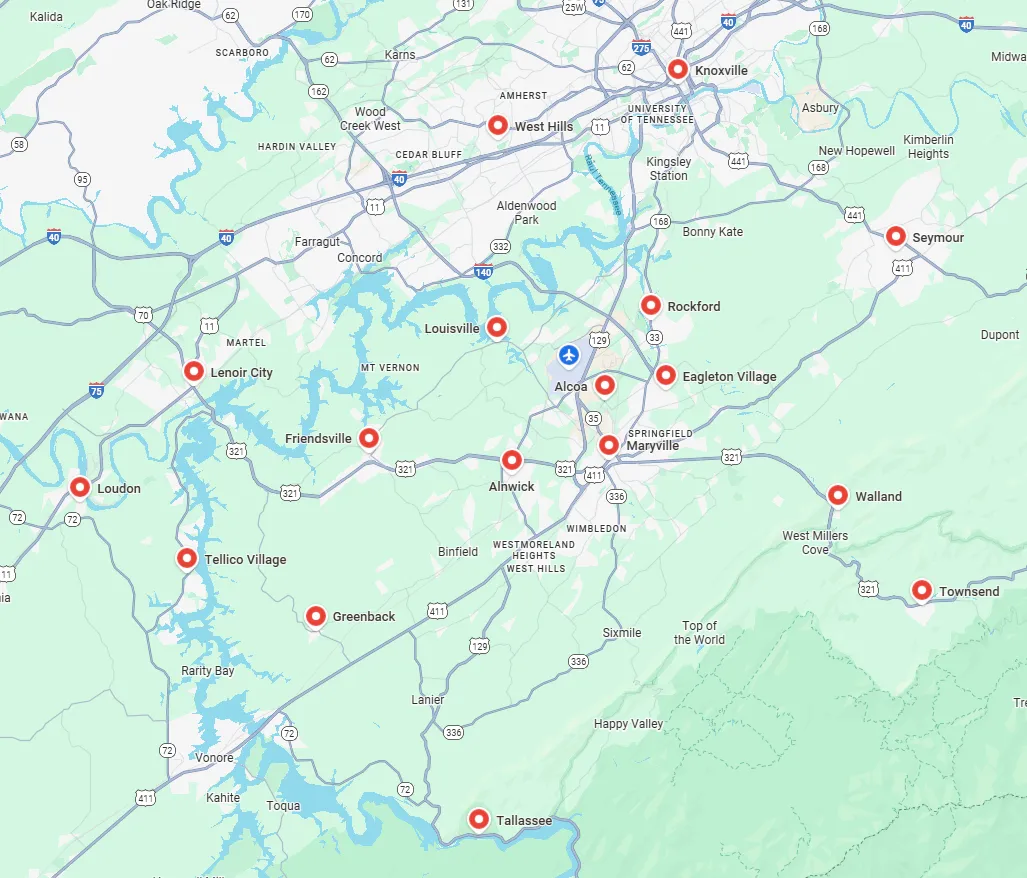
Service areas