

Heating Installation in Lenoir City, TN
Replacing or installing a new heating system is one of the most important investments you can make in your Lenoir City, TN home. Whether you're upgrading an aging furnace, switching from an old boiler to a modern high-efficiency unit, or adding ductless Mini Splits for personalized zoned comfort, remember that proper installation is absolutely key to long-term performance, safety, and efficiency. At Everest Air Heating and Cooling, we approach every Heating Installation in Lenoir City, TN with a meticulous, full-service process. This includes a detailed consultation, accurate load calculations, tailored equipment selection, professional installation of both equipment and ductwork, full permitting compliance, and comprehensive post-installation testing and ongoing support. With Everest Air Heating and Cooling, you're investing in lasting comfort and peace of mind.
-min.jpeg)
Why correct installation matters in Lenoir City
Lenoir City sits in a humid subtropical region with moderately cold winters and periodic cold snaps. That climate profile makes system sizing and choice especially important: undersized systems struggle on the coldest days, while oversized units cycle frequently, reducing comfort and efficiency. Many homes in the area are older and have ductwork, insulation, and layout characteristics that influence heating needs. Proper installation addresses these local variables so your system performs reliably, uses less energy, and maintains indoor comfort even when outdoor temperatures drop.
Types of heating systems we install
When discussing Heating Installation in Lenoir City, TN, Everest Air Heating and Cooling installs a range of systems to match different homes, budgets, and efficiency goals:
- Gas furnaces: High-efficiency condensing furnaces with variable-speed blowers for consistent warmth and reduced energy use. Common fuel source in town and a good fit for colder nights.
- Boilers: Hot water and steam boilers for hydronic comfort, often preferred in homes with existing radiators or radiant floor systems.
- Heat pumps: Modern cold-climate heat pumps offer efficient electric heating and cooling in one package and can be a strong option for many Lenoir City homes with mild winters.
- Ductless Mini Split systems: Ideal for additions, older homes without ducts, or rooms needing independent temperature control. They provide highly efficient zoned heating and cooling.
- Hybrid or dual-fuel systems: Combining a heat pump and a gas furnace gives flexibility and efficiency during variable local winter conditions.
Each system has benefits and tradeoffs depending on home size, existing infrastructure, fuel availability, and homeowner priorities like efficiency, upfront cost, and longevity.
Initial consultation and inspection
The installation process starts with a focused consultation and on-site inspection. Everest Air Heating and Cooling technicians will:
- Review your comfort goals, energy concerns, budget, and any history of system issues.
- Inspect existing equipment, ductwork condition, combustion appliances, and venting.
- Evaluate the home envelope, insulation levels, window types, and common comfort complaints by room.
- Identify any code, ventilation, or safety issues that will affect installation.
This step ensures recommendations are tailored to your Lenoir City home rather than general rules of thumb.
Accurate load calculations and system sizing
A correctly sized heating system is critical. Everest Air performs Manual J load calculations to determine the precise heating requirements for your home. The calculation considers:
- Square footage by room and ceiling heights
- Insulation values in walls and attic
- Window types, orientation, and age
- Air infiltration and duct leakage estimates
- Local design temperature data for Lenoir City, TN to ensure capacity during local cold snaps
Avoiding undersizing or oversizing reduces energy waste, improves comfort, and extends equipment life.
Equipment selection: efficiency and budget balance
Choosing the right equipment involves more than picking the highest efficiency rating. Everest Air helps homeowners weigh:
- AFUE and SEER or HSPF ratings for expected operating costs
- Variable-speed vs single-speed blowers for comfort and humidity control
- Fuel type availability in your area (natural gas, propane, electric)
- Compatibility with existing ductwork or the need for duct modifications
- Space constraints and noise sensitivity
- Long-term maintenance needs and warranty coverage
In Lenoir City, the mild-but-variable climate makes heat pumps and high-efficiency gas furnaces attractive options. For homes with no ductwork or with poor duct layout, ductless Mini Splits provide targeted, efficient heating without invasive remodeling.
Ductwork and system modifications
Duct condition is a decisive factor in how well a new heating system will perform. Common ductwork issues in local homes include leaks, undersized runs, poor insulation in crawlspaces, and lack of proper return air. Everest Air evaluates the duct system and proposes appropriate work:
- Sealing and insulating ducts to improve efficiency and airflow
- Enlarging or redesigning trunk lines and registers to balance airflow
- Adding returns or transfer grilles where necessary
- Installing zoning dampers or multiple thermostats for multi-zone control
- Reconfiguring vents for improved room-by-room comfort
When ductwork is not feasible or would be cost-prohibitive to correct, ductless solutions or packaged systems may be recommended.
The professional installation process
A professional installation is methodical and code-compliant. Everest Air Heating and Cooling follows a standardized sequence for Heating Installation in Lenoir City, TN:
- Site preparation: Clear work areas, protect floors and furnishings, and address access for large equipment.
- Removal and safe disposal of old equipment: Decommissioning fuel lines, refrigerant recovery where applicable, and responsible disposal.
- Mechanical installation: Setting new equipment on proper pads or mounts, connecting gas or propane lines by licensed technicians, installing combustion venting per code, and securing condensate drains for high-efficiency units.
- Duct and airflow work: Modifying or installing ductwork, sealing joints with approved materials, and adding insulation where needed.
- Electrical and control connections: Properly wiring new systems to meet local electrical codes, installing compatible thermostats, and configuring control systems.
- Permitting and inspections: Preparing documentation for required local permits and coordinating inspections with Loudon County or municipal authorities when necessary.
- Clean-up and homeowner orientation: Removing debris, restoring work areas, and walking homeowners through system operation and maintenance basics.
Every step is documented to ensure transparency and compliance with local building codes and safety standards.
Permits and local code compliance
Heating installations frequently require permits, especially when changing fuel types, altering ventilation, or installing larger equipment. Everest Air navigates local permitting and inspection processes in Lenoir City and Loudon County by:
- Filing permit applications and required drawings
- Scheduling required inspections for gas lines, combustion venting, and final mechanical work
- Ensuring installations meet Tennessee energy and safety codes
- Supplying homeowners with documentation needed for resale or warranty claims
Following local code requirements protects residents and preserves system warranties.
Post-installation testing and commissioning
A new system must be verified before the crew leaves. Everest Air conducts thorough post-installation testing and commissioning that includes:
- Airflow verification and static pressure testing to confirm proper duct performance
- Refrigerant charge check and leak testing on heat pumps and ductless units
- Combustion analysis on gas furnaces and boilers to ensure proper burner combustion and safe venting
- Carbon monoxide testing around the equipment and living spaces
- Thermostat calibration and system control checks
- Noise and vibration assessment to confirm quiet operation
- Final safety checks on electrical, fuel, and condensate systems
This testing provides peace of mind that your new system is operating safely and efficiently under actual conditions.
Warranties, documentation, and ongoing support
Every installation comes with manufacturer warranties on equipment and workmanship coverage from the installer. Everest Air Heating and Cooling provides:
- A clear explanation of manufacturer warranty terms and registration support
- Documentation of installation details, settings, and load calculation results
- Recommended maintenance schedule and service intervals
- Guidance on registering equipment for extended warranties where applicable
Long-term performance depends on routine upkeep, and well-documented installations simplify future service or warranty claims.
Common heating installation issues we resolve in Lenoir City
Local homes present recurring challenges that proper installation mitigates:
- Poorly sized systems causing short cycling or inability to maintain setpoint during cold snaps
- Duct leakage and poor insulation leading to wasted heat and uneven rooms
- Old or corroded venting and combustion air setups that are safety hazards
- Inadequate condensate drainage for high-efficiency units causing water damage
- Electrical panels or circuits that lack capacity for new equipment
- Difficult access or restrictive equipment locations requiring custom installation solutions
Addressing these issues up front reduces callbacks and improves homeowner satisfaction.
Choosing the right system for common Lenoir City home types
- Historic or older homes with no ducts: Ductless Mini Splits or hydronic boilers with radiant systems provide efficient options with minimal invasive work.
- Suburban homes with existing ducts: High-efficiency furnaces or heat pumps combined with duct sealing deliver balanced performance.
- Rural properties on propane: Properly sized propane furnaces or boilers with robust venting are typical; consider dual-fuel setups if electricity rates and incentives favor heat pumps.
- Additions, garages, or converted spaces: Zoned ductless systems are quick to install and allow independent thermostatic control.
Everest Air evaluates each home to recommend systems that align with construction type, insulation, and homeowner comfort priorities.
Efficiency, incentives, and long-term cost considerations
Selecting higher efficiency equipment often results in lower operating costs and improved comfort, but initial cost and payback vary. Factors to consider for Lenoir City installations:
- Fuel prices and supply stability: Natural gas is cost-effective where available; propane and electricity can be variable.
- Heat pump advances: Modern heat pumps perform well in milder winter conditions typical of Lenoir City and provide year-round comfort.
- Insulation and air sealing: Upgrading insulation and sealing air leaks amplifies the benefits of efficient equipment.
- Smart thermostats and zoning: These improve control and lower wasted heating in unoccupied areas.
- Lifespan and maintenance: Proper installation and preventive maintenance extend equipment life and reduce lifecycle costs.
Everest Air helps homeowners weigh short-term budgets against long-term savings to select the most sensible option.
Post-installation care and maintenance tips
To protect your investment and maintain system efficiency, follow these practical maintenance recommendations:
- Replace or clean filters monthly during heavy-use seasons and at least quarterly otherwise.
- Schedule annual Tune-Ups: combustion safety checks for gas equipment and refrigerant and electrical inspections for heat pumps.
- Maintain clear airflow: keep registers unobstructed and ensure outdoor units are free of debris and vegetation.
- Monitor thermostat behavior and temperature swings; document any unusual noise or performance for prompt service.
- Keep condensate lines clear and check for any signs of water around equipment.
Regular care reduces emergency repairs and keeps warranty conditions satisfied.
What to expect during the installation day
On install day in Lenoir City, the crew will typically:
- Arrive in uniform with ID and necessary equipment
- Protect floors and living spaces and set up work zones
- Communicate schedule and expected milestones for the day
- Coordinate any required access to attics, crawlspaces, basements, or mechanical rooms
- Complete the installation, testing, and homeowner orientation before cleanup
A professional installation minimizes disruption and leaves your home clean and documented.
Safety and indoor air quality considerations
Proper installation prioritizes safety and indoor air quality. Everest Air ensures:
- Combustion appliances have correct combustion air and venting
- Carbon monoxide detectors are recommended where fuel-burning equipment exists
- Ductwork is sealed to reduce infiltration of dust and outdoor pollutants
- Ventilation needs are assessed so the house maintains adequate fresh air without compromising efficiency
Addressing these factors during installation creates a safer, healthier indoor environment.
Why choose Everest Air Heating and Cooling for Heating Installation in Lenoir City, TN
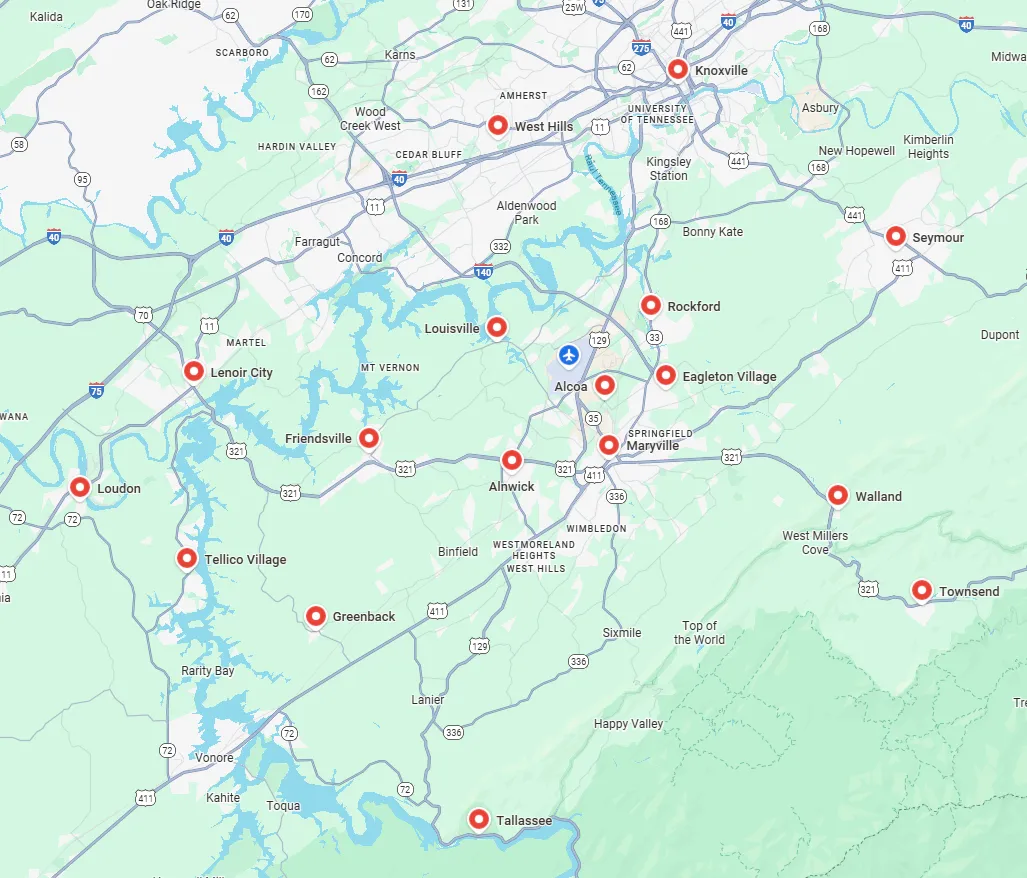
Everest Air Heating and Cooling combines local knowledge of Lenoir City climate and home construction with disciplined installation practices. The company approach emphasizes transparency on sizing and equipment selection, compliance with local permitting and safety codes, and thorough post-install testing. As a family-owned provider serving Loudon, Knox, and surrounding counties, Everest Air brings dependable workmanship, clear documentation, and a commitment to long-term performance.
Long-term benefits of a professionally installed heating system
A properly installed heating system delivers multiple long-term advantages:
- Consistent, even comfort throughout the home
- Lower energy bills due to correct sizing and sealed distribution
- Fewer emergency repairs and longer equipment lifespan
- Safer operation with compliant venting and combustion performance
- Better resale value with documented, permitted upgrades
These outcomes depend on thoughtful upfront design and quality installation practices.
Frequently asked questions
Q: How do you determine the right size heating system for my Lenoir City home?
A: We perform a Manual J load calculation that accounts for your home layout, insulation levels, windows, local design temperatures for Lenoir City, and duct performance to determine the precise heating capacity needed.
Q: Will a heat pump work in Lenoir City winters?
A: Yes. Modern heat pumps are designed to perform efficiently in the mild to moderate winters common in Lenoir City. For properties that experience very cold temperatures, a cold-climate heat pump or hybrid system paired with a gas furnace can provide reliable performance.
Q: Do I need to replace ductwork when installing a new furnace?
A: Not always, but we evaluate your duct condition during the consultation. Many homes benefit from sealing, insulating, or resizing ducts to ensure airflow and efficiency. If ducts are severely deteriorated, replacement may be recommended.
Q: What permits are required for heating installations?
A: Permitting requirements vary depending on the scope of work, fuel type changes, and local codes. Installations that involve gas lines, new combustion venting, or major mechanical changes typically require permits and inspections through Loudon County or local municipalities.
Q: How long does a typical heating installation take?
A: Most residential installations are completed in one to two days, depending on complexity, duct modifications, and permitting inspections. Complex projects like boiler replacements or extensive ductwork may take longer.
Q: What post-installation tests do you perform?
A: We conduct airflow and static pressure tests, refrigerant charge verification, combustion analysis for gas equipment, carbon monoxide testing, thermostat calibration, and final safety checks to ensure everything operates correctly.
Q: Can I install a ductless Mini Split in an older Lenoir City home?
A: Yes. Ductless Mini Splits are a common solution for older homes without ductwork or for room additions. They require minimal structural work and provide efficient zoned heating and cooling.
Q: How often should my new heating system be serviced?
A: Annual maintenance is recommended for most heating systems. For gas furnaces and boilers, a yearly combustion and safety check is essential. Heat pumps and ductless systems also benefit from annual inspections and coil cleaning.
Q: What should I do if my system smells of gas after installation?
A: If you detect a gas odor, leave the home immediately and follow your local gas provider emergency procedures. Installers ensure all gas connections are leak-free and perform leak tests, but any detected odor after installation requires immediate attention.
Q: Do you handle warranty registration and documentation?
A: Yes. Everest Air Heating and Cooling provides installation documentation and can assist with manufacturer warranty registration and explanations so homeowners understand coverage terms.
Q: Can a new heating system lower my energy bills right away?
A: Properly sized and installed high-efficiency equipment paired with duct sealing and insulation improvements typically leads to noticeable reductions in heating energy use.
Q: Are electric furnaces a good choice for Lenoir City?
A: Electric furnaces are simple and reliable but generally more expensive to operate than heat pumps or gas furnaces in this region. They may be practical in homes without fuel access or for small, specific applications.
Q: How do zoning and smart thermostats improve heating performance?
A: Zoning lets you control temperatures in different parts of the home independently, reducing wasted heat in unoccupied rooms. Smart thermostats optimize schedules, learning patterns and adjusting settings to save energy while maintaining comfort.
Q: What common problems should I expect with older heating systems in Lenoir City homes?
A: Older systems often suffer from duct leakage, inefficient burners, corroded venting, inadequate insulation in distribution spaces, and outdated controls. Replacing or upgrading these components during installation resolves many recurring issues.
Q: Do you offer post-installation support if adjustments are needed?
A: Yes. After commissioning, Everest Air provides follow-up support to fine-tune settings, address any performance questions, and ensure the system meets your comfort expectations.
hear what our satisfied clients have to say

David P.
Service areas