

Heating Maintenance in Lenoir City, TN
To keep your heating system running reliably all through the Lenoir City winters, you need preventative maintenance specifically designed for East Tennessee's unique climate and diverse homes. That's exactly what Everest Air Heating and Cooling provides! We offer comprehensive heating maintenance focused on detecting any safety hazards, bringing back peak efficiency, and significantly cutting down on those unexpected breakdowns. For homeowners in Lenoir City, TN, regular maintenance with Everest Air Heating and Cooling isn't just about staying comfortable; it’s truly about your family's safety, saving money on operating costs, and getting the longest possible life out of your essential heating equipment.
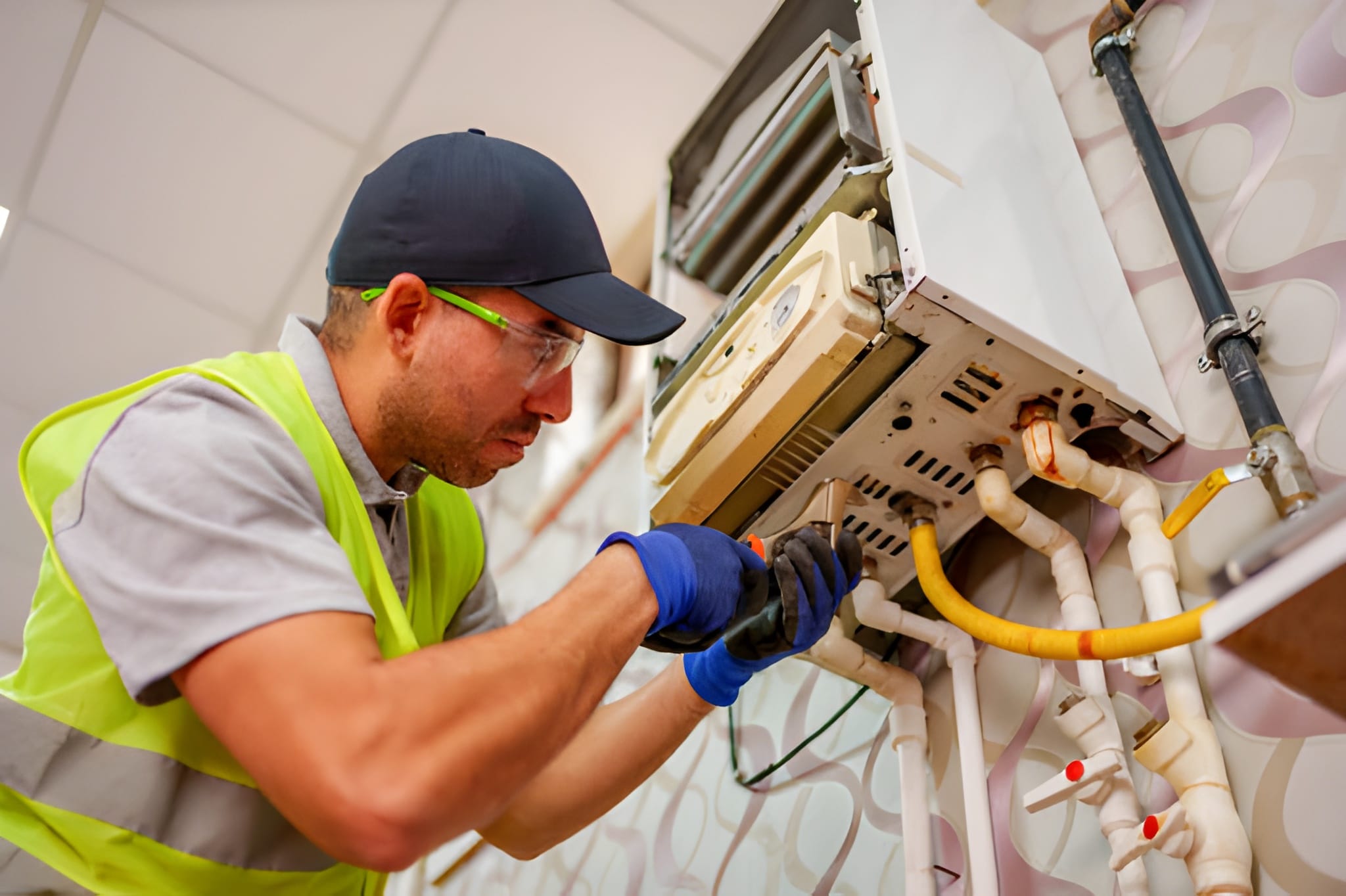
Why heating maintenance matters for Lenoir City homes
Lenoir City sits in the Tennessee River valley and experiences humid summers and cold winters with occasional prolonged cold snaps. Homes in the area commonly use gas furnaces, heat pumps, packaged systems, and ductless Mini Splits. Each system type faces location-specific stresses: gas furnaces need careful combustion and venting checks before cold weather; heat pumps must be evaluated for capacity and defrost performance as temperatures fall; older systems in historic homes or houses with ductwork in crawlspaces require close attention to airflow and insulation.
Without seasonal inspections and routine care, common problems become costly failures. Dirt and debris reduce system efficiency, worn parts increase energy use, and small safety issues can escalate. Preventative heating maintenance addresses these problems early, helping your system deliver steady warmth when Lenoir City temperatures drop.
Common heating issues in Lenoir City, TN
- Uneven heating from blocked ducts or failing zone components
- Increased energy bills caused by dirty filters, clogged coils, or poor thermostat calibration
- Short cycling on furnaces and heat pumps from restricted airflow or faulty controls
- Noisy operation due to loose components, failing blowers, or belt wear
- Pilot light or ignition problems in older gas systems
- Poor defrost performance and reduced heating capacity on heat pumps during cold snaps
- Carbon monoxide risks from cracked heat exchangers or improper venting
- Moisture-related problems in ductwork and condensate systems because of regional humidity and crawlspace conditions
What our preventative heating maintenance covers
Our maintenance service is structured to be thorough and easy to understand. Everest Air Heating and Cooling follows an inspection and service checklist that addresses safety, performance, and longevity. Typical service items include:
- System performance check
- Measure operating temperatures and pressures where applicable
- Verify burner operation and flame quality for gas systems
- Observe heat pump defrost cycles and reversing valve operation
- Safety and combustion checks
- Inspect heat exchanger for cracks or corrosion
- Test flue and venting for proper draft and obstruction-free operation
- Carbon monoxide check and combustion analysis when required
- Electrical and control inspection
- Tighten electrical connections and inspect wiring for wear
- Confirm proper thermostat calibration and control settings
- Test safety switches and limit controls
- Airflow and filtration
- Replace or clean filters and verify filter fit to limit bypass
- Inspect blower motor, fan blades, and drive belts for wear or imbalance
- Measure static pressure and airflow to ensure even distribution
- Component servicing
- Clean burners, ignition components, and electrode assemblies
- Check and lubricate motors and bearings where applicable
- Inspect and clean condensate drains and pans to prevent overflow and microbial growth
- Ductwork and distribution review
- Visual inspection for disconnected or crushed duct sections in accessible areas
- Address common leakage points and recommend sealing or insulation improvements
- Evaluate insulation levels and airflow to reduce cold spots
- System efficiency and documentation
- Note changes in runtime and cycle frequency
- Provide a clear service report with findings, recommended repairs, and expected impact on performance
- Verify proper refrigerant levels on heat pumps and look for signs of leaks
The seasonal inspection process — what to expect
Everest Air Heating and Cooling approaches seasonal maintenance methodically so you know what we inspect and why it matters. A typical visit follows these steps:
- Visual system assessment
- Technician looks over the entire system for obvious issues, corrosion, or visible leaks.
- Safety and combustion testing (gas systems)
- Verify safe ignition, flame stability, and proper venting. A cracked heat exchanger or blocked flue can create a safety hazard.
- Airflow and filter service
- Replace or clean filters and measure airflow to detect restrictions that cause short cycling or poor heat transfer.
- Electrical and control diagnostics
- Inspect and tighten electrical connections, test capacitors and relays, and verify thermostat response.
- Mechanical component maintenance
- Clean burners and coils, lubricate moving parts, adjust belts, and ensure the blower is balanced and operating correctly.
- Heat pump specific checks
- Test reversing valve, monitor pressure and temperature differentials, and inspect outdoor coil for ice or debris. Verify defrost cycle operation.
- Ductwork and distribution inspection
- Inspect accessible ductwork, review insulation, and identify areas where sealing or repair would improve performance.
- Final system run and report
- Run the system to confirm corrections and provide a written summary of the service, any issues found, and recommended follow-up repairs.
Benefits of routine heating maintenance
Regular servicing returns value in multiple ways, particularly for Lenoir City households where weather swings create demand spikes. Benefits include:
- Improved energy efficiency
- Clean burners, coils, and properly functioning blowers help systems operate with less fuel or electricity, reducing monthly operating costs.
- Increased reliability and fewer emergency repairs
- Early detection of wear and failure points prevents inconvenient breakdowns during cold weather. Preventative maintenance reduces the likelihood of major component failures.
- Extended equipment life
- Routine lubrication, cleaning, and adjustment reduce wear on motors, bearings, and other mechanical parts, helping systems reach or exceed their expected lifespan.
- Enhanced safety
- Combustion testing, heat exchanger inspection, and venting evaluation reduce carbon monoxide risks and fire hazards associated with neglected heating systems.
- More consistent comfort
- Proper airflow, thermostat calibration, and ductwork inspection lead to fewer cold spots and steadier indoor temperatures across the home.
- Warranty compliance and value preservation
- Many manufacturers require regular maintenance to keep warranties valid. Documented Tune-Ups preserve resale value and demonstrate responsible system care.
How maintenance reduces breakdown risk and operating costs
Small problems that are ignored tend to grow. A clogged filter increases blower stress and raises motor temperature, which can shorten motor life and increase energy use. A slightly misaligned belt can cause premature wear on a blower assembly that later leads to noisy failure. By addressing faults early, maintenance reduces the probability of catastrophic component failure.
Operational inefficiencies are also recovered through maintenance. When heat exchangers and burners are clean and tuned, combustion is more complete and heat transfer is efficient. Heat pumps with correct refrigerant charge and clean outdoor coils run fewer cycles, reducing electrical consumption. Over time, the cost of regular Tune-Ups is often offset by lower monthly utility bills and fewer emergency repairs.
What the Y.E.T.I Comfort Plan includes for heating maintenance
Everest Air Heating and Cooling offers recurring maintenance through the Y.E.T.I Comfort Plan, designed with the realities of East Tennessee heating needs in mind. Typical plan features include:
- Scheduled fall and spring checkups to prepare systems for peak use
- Priority scheduling for plan members to reduce wait times during weather-driven demand
- Discounted service benefits for enrolled customers to lower the cost of repairs when they are needed
- Professional documentation of all maintenance visits to support warranty compliance
- Peace of mind from routine inspections that target safety and efficiency concerns specific to Lenoir City homes
Enrollment in a maintenance plan helps homeowners budget for seasonal care while ensuring the system receives consistent professional attention.
System-specific considerations for Lenoir City
- Gas Furnaces: Inspect heat exchanger integrity and venting. Lenoir City’s occasional cold stretches increase runtime, making combustion tests and gas pressure checks especially important.
- Heat Pumps: In Lenoir City, heat pumps are a common choice because of their year-round versatility. Ensure the defrost cycle, reversing valve, and supplemental electric heat operate correctly for cold mornings.
- Ductless Mini Splits: Filter cleaning and indoor unit coil inspections are critical for efficient operation, particularly in homes with limited ductwork where single-unit performance affects whole-room comfort.
- Older Systems and Historic Homes: Homes with older duct networks, crawlspace ducts, or minimal insulation require careful airflow diagnostics and duct sealing recommendations to eliminate cold spots and moisture issues.
Signs you need immediate service between maintenance visits
If you notice any of the following, your heating system should be evaluated as soon as possible to avoid damage or safety risks:
- Strange odors such as burning, rotten eggs, or persistent fuel smell
- Loud or unusual noises like banging, rattling, or grinding
- Rapid cycling where the system turns on and off frequently
- Yellow or flickering pilot light instead of a steady blue flame on gas appliances
- Elevated utility bills without a change in usage patterns
- Odors or symptoms that could indicate carbon monoxide exposure, especially if detectors alarm
- Visible signs of soot, rust, or water around the heating equipment or vents
Maintenance for improved indoor air quality
Lenoir City’s humidity and seasonal pollen can worsen indoor air quality. Heating maintenance includes filter replacement and duct inspection to reduce dust, pollen, and microbial growth in the heating system. Clean filters and sealed ducts improve the effectiveness of whole-home filtration systems and reduce allergens circulating throughout living spaces.
How to evaluate maintenance results
After a maintenance visit, look for observable improvements that indicate a thorough job:
- System starts smoothly and runs quietly
- Warm air is distributed more evenly throughout the home
- Furnace or heat pump cycles less frequently but provides steady heat
- Thermostat responds accurately to temperature settings
- Any previously noticed odors or unusual noises are reduced or eliminated
- A clear maintenance report explaining findings, repairs, and service recommendations
Consistent results across visits indicate that the system is being maintained properly and is less likely to need emergency repairs.
Common questions Lenoir City homeowners ask
Q: How often should I have my heating system serviced?
A: Most systems benefit from annual maintenance, with many homeowners choosing a fall inspection before the heating season. Heat pumps can benefit from inspections twice yearly when used year round. Regular, documented service helps maintain efficiency and safety.
Q: Will maintenance fix a system that is already unreliable?
A: Maintenance can identify causes of unreliability and often resolves issues like dirty burners, clogged filters, or misadjusted controls. For systems with major mechanical damage or age-related decline, maintenance will clarify whether repair or replacement is the most cost-effective option.
Q: What is checked for safety during a maintenance visit?
A: Safety checks include heat exchanger inspection, flue and vent draft testing, carbon monoxide screening, gas valve and pressure inspection, and verification of safety controls and limit switches.
Q: Can regular maintenance extend the life of my heating equipment?
A: Yes. Proper cleaning, lubrication, and timely repairs reduce wear on system components and help systems reach or exceed expected operational lifespans.
Q: Is maintenance necessary for ductless or Mini Split systems?
A: Absolutely. Indoor unit filters and coils require cleaning, and outdoor unit coils and electrical components need inspection to ensure efficient operation and prevent breakdowns.
Q: What are typical maintenance plan benefits?
A: Maintenance plans often include scheduled inspections timed for seasonal needs, priority scheduling during high demand, service discounts, and documentation to support warranty compliance.
Q: How does maintenance affect energy bills?
A: While individual savings vary, well-maintained systems operate more efficiently, which typically lowers energy consumption and reduces monthly bills over time.
hear what our satisfied clients have to say

David P.
Service areas