

Heating Maintenance in West Hills, TN
Keeping your heating system reliable through chilly West Hills winters starts with a professional maintenance program tailored to local conditions. Everest Air Heating and Cooling provides comprehensive heating maintenance in West Hills, TN designed to prevent breakdowns, optimize efficiency, and keep your home or business safe and comfortable. We'll explain exactly what a thorough seasonal maintenance visit includes, why regular upkeep matters in this region, how membership benefits like the Y.E.T.I Comfort Plan improve reliability, and provide clear guidance on how often residential and commercial systems should be serviced.
Why heating maintenance matters in West Hills, TN
West Hills sits in East Tennessee where winters bring cold nights, occasional freezing events, and variable temperature swings. Homes in this area often contend with:
- Temperature fluctuations that put additional cycling stress on furnaces and heat pumps.
- High spring and fall pollen and airborne debris that accumulate in filters and ducts.
- Storm-related power interruptions and bird or rodent intrusion into exterior equipment.
- Older homes with legacy ductwork or aging systems that need closer monitoring.
Without regular maintenance, these local conditions accelerate wear on key components, increase energy bills, and raise the risk of unsafe operation. Proper, seasonal maintenance reduces the chance of midwinter failures, improves comfort during cold spells, and keeps systems running efficiently when heating demand is highest.
Common heating system types we maintain in West Hills homes and businesses
- Forced-air gas furnaces (natural gas and propane)
- Electric furnaces and electric-resistance heat
- Heat pumps (air-source and ductless Mini Splits)
- Boiler systems (hydronic heating)
- Packaged rooftop units (commercial)
- Hybrid systems (heat pump paired with furnace)
Each system type has specific maintenance needs. Everest Air Heating and Cooling trains technicians to inspect, clean, test, and tune all major makes and models used in West Hills properties.
Typical problems we find during West Hills heating inspections
- Dirty filters and restricted airflow causing reduced heat output and short cycling
- Clogged burner ports or dirty heat exchanger surfaces on gas furnaces
- Faulty ignition or pilot systems that fail to light reliably in cold weather
- Worn blower motors, belts, or bearings producing noise and inefficiency
- Refrigerant leaks and undercharged heat pumps that struggle during cold snaps
- Cracked heat exchangers, blocked vents, or near-improper combustion posing safety risks
- Thermostat miscalibration and improper system sequencing
- Duct leaks, poor insulation, or disconnected ducts reducing delivered heat
Addressing these issues preventively keeps systems reliable and reduces emergency repairs during the coldest days.
What a complete seasonal heating maintenance visit includes
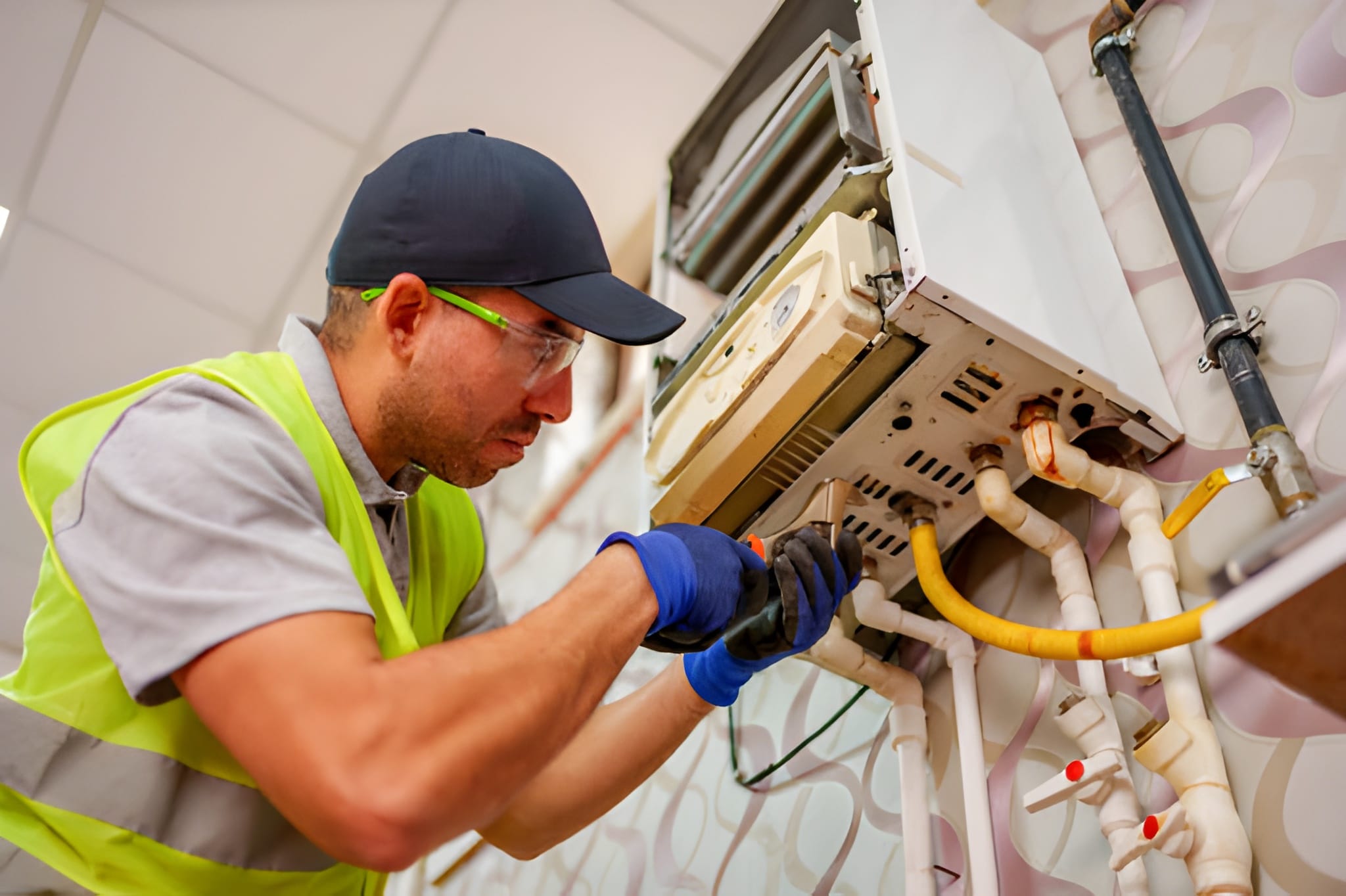
Everest Air Heating and Cooling follows a structured, controlled process to deliver consistent results on every visit. A typical seasonal checkup includes:
- Visual system assessment and homeowner walk-through to confirm complaint history and observe operating issues
- Replace or clean the air filter and inspect filter fits and sizes
- Clean and inspect burners, pilot assembly, and combustion components (gas furnaces)
- Inspect and, where necessary, clean heat exchanger surfaces and flue/venting pathways
- Check and calibrate the thermostat, verify control sequencing and setpoints
- Test safety controls and switches, including limit switches and pressure switches
- Measure gas pressure, manifold pressure, and verify proper flame characteristics for combustion systems
- Test ignition system operation, including hot surface ignitors and pilot lights
- Inspect and lubricate blower motor bearings and inspect belts; measure motor amps
- Clean blower wheel and evaporator/indoor coils where applicable
- Inspect condensate drains and pans for blockages and proper drainage (heat pumps and high-efficiency furnaces)
- Check refrigerant charge and perform leak detection on heat pumps when indicated
- Verify proper airflow and measure static pressure where warranted
- Inspect duct connections and plenums visible in basements or crawlspaces
- Perform carbon monoxide and combustion safety testing when applicable
- Inspect electrical connections, fuses, contactors, and capacitors
- Provide a written checklist and findings summary, including recommended repairs or parts replacement
This methodical approach focuses on performance, efficiency, and safety so your system is prepared for peak winter demand in West Hills.
Cleaning, testing, and safety checks explained simply
- Cleaning: Removing dust, lint, and buildup from burners, blower components, and coils improves heat transfer and airflow. Clean components reduce strain on motors and allow the system to use less energy to reach the same comfort level.
- Component testing: Technicians test electrical components, motor amp draw, thermostat operation, safety switches, and refrigerant levels. These tests reveal parts that are close to failing so they can be replaced proactively.
- Safety inspections: For combustion systems the priority is ensuring safe venting and combustion. Technicians check for proper draft, test for carbon monoxide, and inspect the heat exchanger for cracks that could allow combustion gases into living spaces.
Maintenance membership and benefits: Y.E.T.I Comfort Plan and reliability improvements
Everest Air Heating and Cooling includes maintenance membership options that reward regular care with tangible benefits. Membership features commonly include:
- Fall and spring checkups scheduled to match West Hills seasonal needs, ensuring your heating system is ready before cold weather arrives
- Priority scheduling to minimize wait times during peak heating calls, especially during sudden cold snaps
- Discounted service call fees and parts discounts for members, creating predictable, lower-cost servicing over time
- A documented maintenance history that supports warranty compliance and helps track when parts were last serviced or replaced
- Proactive recommendations based on inspection data to avoid surprise failures and extend equipment life
Being part of a maintenance plan improves reliability because visits uncover small problems early, parts are serviced or replaced before catastrophic failure, and critical components are routinely tested. For heat pumps, seasonal checks also ensure refrigerant levels and defrost cycles are functioning properly, which is especially important when temperatures dip in East Tennessee.
Recommended maintenance frequency for West Hills properties
Residential:
- Standard recommendation: Annual service in the fall for gas furnaces and heat pumps, with an additional spring Tune-Up for systems that also provide cooling. Fall is crucial to prepare for winter.
- Older systems or homes with heavy indoor contaminants: Semiannual service (fall and spring) helps prevent issues due to dust, pets, or seasonal pollen that can clog filters and coils.
- Homes with frequent temperature setbacks or high runtime: Consider midseason checks if you notice decreased performance or higher bills.
Commercial:
- Light commercial units (small businesses, offices): Quarterly inspections are common due to heavier usage and higher occupancy demands.
- Larger systems or critical environments (server rooms, healthcare offices): Monthly or bi-monthly preventive maintenance along with a dedicated service contract ensures redundancy and minimal downtime.
- Rooftop packaged units: At minimum, quarterly checks are recommended because exposure to the elements and roof debris can accelerate wear.
Heat pump specific:
- Heat pumps should be serviced at least once per year in regions like West Hills where they handle both heating and cooling loads. If the system is the primary heat source, semiannual inspections (fall and spring) are advisable.
Boilers:
- Annual inspections before the heating season, with additional midseason checks for older boilers or properties with heavy heating schedules.
What to expect during a visit and how to prepare
Your technician will arrive prepared with tools, testing equipment, and replacement parts for common wear items. Typical visit flow:
- Brief discussion of any recent issues or comfort concerns
- System shutdown and safe access to equipment
- Visual inspection and cleaning tasks
- Component testing and measurements
- Safety testing and combustion analysis if applicable
- Final operational test and homeowner walkthrough of findings
How homeowners or building managers can prepare:
- Ensure clear access to the furnace, boiler, or indoor equipment
- Note and report any unusual noises, smells, or operational patterns before the technician arrives
- Have thermostat schedules or smart thermostat access available
- Keep pets secured and areas around equipment clutter-free
Common maintenance recommendations and simple efficiency tips for West Hills homes
- Replace or clean filters every 1 to 3 months depending on usage, pets, and indoor air quality needs.
- Seal and insulate ducts visible in basements or crawlspaces to prevent heat loss into unconditioned spaces.
- Keep outdoor heat pump units clear of leaves, grass, and debris during fall and winter to maintain airflow.
- Install or inspect weatherstripping and attic insulation to reduce heat loss and lower run times for the heating system.
- Use programmable thermostats or smart controls to prevent excessive setpoint changes that cause short-cycling.
- Address uneven heating by checking vents, registers, and balancing dampers rather than cranking the system harder.
How maintenance extends equipment life and saves money
Routine maintenance prevents the accumulation of debris and wear that lead to costly failures. Well-maintained systems:
- Run more efficiently, lowering monthly energy bills
- Experience fewer emergency repair calls during cold weather
- Have a longer overall service life, delaying replacement costs
- Maintain warranty coverage that often requires documented annual service
- Operate more safely with lower risk of carbon monoxide leaks or electrical faults
From a financial perspective, small proactive investments in maintenance frequently offset larger repair or replacement bills later.
Common questions property owners in West Hills ask about heating maintenance
Q: What is included in a typical heating maintenance visit?
A: A typical visit includes filter replacement or cleaning, cleaning of burners and blower components, inspection of the heat exchanger and venting, thermostat calibration, electrical and safety control testing, lubricant for motors where applicable, refrigerant checks for heat pumps, condensate drain checks, and a written summary of findings.
Q: How often should I have my furnace or heat pump serviced in West Hills?
A: For most homes in West Hills, an annual fall inspection is the minimum. Heat pumps and homes with high indoor contaminants benefit from semiannual checks. Commercial systems usually require quarterly or more frequent service.
Q: Will maintenance help lower my energy bills?
A: Yes. Maintenance improves airflow, combustion efficiency, and thermostat accuracy so systems run less often and use less energy to maintain comfort. Replacing clogged filters and cleaning coils alone can noticeably reduce run times.
Q: Is membership worth it and what are the benefits?
A: Membership programs like the Y.E.T.I Comfort Plan are designed to provide scheduled fall and spring checkups, priority scheduling, discounts on service calls and parts, and a consistent maintenance history. This leads to fewer emergencies, lower long-term costs, and better system reliability.
Q: Can maintenance prevent carbon monoxide risks?
A: Proper maintenance significantly reduces carbon monoxide risk by ensuring correct combustion, inspecting the heat exchanger for cracks, and verifying proper venting. Technicians will perform combustion safety tests and CO checks as part of a full inspection.
Q: Are there things I should do between maintenance visits?
A: Yes. Replace or clean filters as recommended, keep outdoor equipment clear of debris, monitor for unusual noises or smells, and check that vents are open and unobstructed. Report any concerns promptly so small issues do not become major failures.
Q: How long does a maintenance visit usually take?
A: A standard residential heating maintenance visit typically takes between 45 minutes and 90 minutes depending on system type and condition. Commercial or complex systems may take longer.
Q: Do I need to turn my system off before a technician arrives?
A: Technicians will perform their own safe shutdown and startup procedures. It is helpful to have your thermostat set to the desired temperature so the technician can observe normal operation during testing.
Q: Will maintenance help with weird odors or poor air quality?
A: Yes. Cleaning blower components, replacing filters, inspecting ducts for sources of contamination, and checking condensate drains often resolves odors and improves indoor air quality. For persistent issues, duct cleaning or targeted IAQ upgrades may be recommended.
Q: What signs indicate I need service now rather than waiting until fall?
A: Strange noises, persistent cycling on and off, uneven heating, sudden spikes in energy use, visible soot around vents, pilot outage issues, or detection of carbon monoxide alarms are all signs to request immediate service rather than waiting.
Everest Air Heating and Cooling brings a localized understanding of West Hills heating challenges together with a disciplined maintenance approach. With seasonal checkups, thorough cleaning and testing, and membership options that prioritize reliability, properly maintained heating systems deliver safer, more efficient, and longer service—keeping homes and businesses comfortable throughout East Tennessee winters.
hear what our satisfied clients have to say

David P.
Service areas