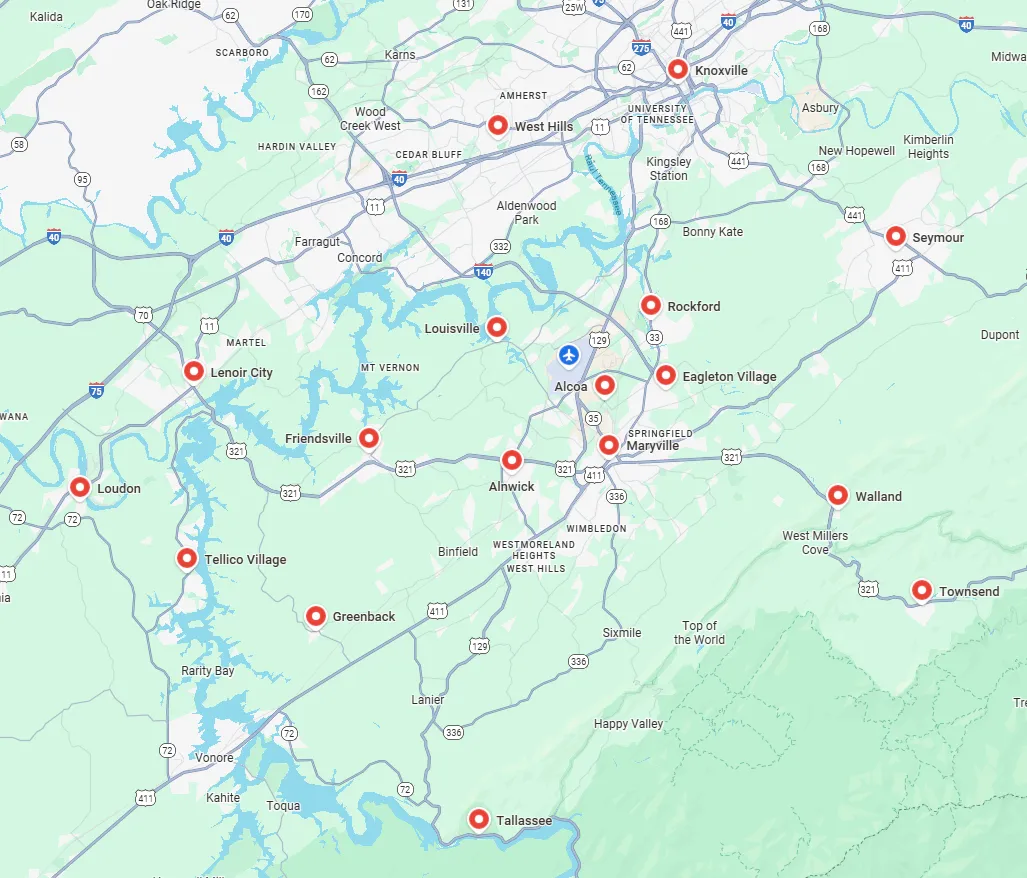


Heating Installation in West Hills, TN
For true year-round comfort and energy savings in West Hills, TN, a professionally installed and correctly sized heating system is incredibly valuable. Whether your home is a cozy bungalow or a spacious, older house with intricate ductwork, a modern heating installation does so much more: it boosts your indoor comfort, cuts down on wasted energy, and even keeps your air cleaner. At Everest Air Heating and Cooling, we pride ourselves on bringing experienced technicians, top-notch quality, and deep local knowledge to every heating installation in West Hills, TN. We're dedicated to ensuring your family stays perfectly comfortable, no matter how cool the autumn nights get or how sharp the winter snaps become. Trust Everest Air Heating and Cooling to keep your home warm and efficient.
-min.jpeg)
Why heating installation matters in West Hills, TN
West Hills and the greater Knoxville area experience humid summers and cool to cold winters, with temperature swings in spring and fall and occasional snowfall during winter months. These seasonal fluctuations put unique demands on heating systems. An undersized system struggles on the coldest days, causing short cycling and premature wear. An oversized system heats quickly but cycles too often, leaving rooms with uneven temperatures and raising energy bills. Older homes in West Hills often have inadequate insulation or duct leaks that undermine even a well performing furnace or heat pump. A professional heating installation tailored to your home addresses these local factors and delivers consistent comfort, better efficiency, and improved reliability.
Common heating installation options for West Hills homes
Homeowners in West Hills typically choose among three primary options depending on home size, ductwork, efficiency preferences, and budget:
- Furnaces (gas or electric): Common in many Tennessee homes, furnaces provide strong, even heat. High efficiency gas furnaces are ideal for homes on natural gas; electric furnaces and electric resistance heaters are options where gas is not available, though heat pumps are usually more efficient.
- Heat pumps (air source and cold climate models): Heat pumps offer both heating and cooling in one system and deliver high efficiency in mild to moderate winter climates. Modern cold climate heat pumps extend performance into lower temperatures common in East Tennessee.
- Ductless Mini Split systems: For homes without ductwork, additions, or problematic zones, ductless systems provide targeted heating and cooling with high efficiency and minimal disruption during installation.
Each option has trade offs. Everest Air Heating and Cooling evaluates your home and recommends the best solution for comfort, efficiency, and long term value.
Typical signs you need a new heating installation
Homeowners in West Hills often decide on a new installation after noticing problems such as:
- Unreliable heat on cold days or frequent breakdowns
- Sudden spikes in winter energy bills despite normal usage
- Uneven temperatures room to room or persistent cold spots
- Furnace short cycling (turning on and off rapidly)
- Old equipment nearing or past expected service life (12 to 20 years depending on type)
- Repeated repairs that add up faster than replacement cost
If you recognize these issues, a careful assessment and professionally executed heating installation will resolve root causes and restore dependable comfort.
Home comfort assessment: how we determine what your home needs
A good heating installation starts with a thorough home comfort assessment. Everest Air Heating and Cooling technicians perform a multi point evaluation in West Hills homes that typically includes:
- Reviewing the existing system age, condition, and service history
- Inspecting insulation levels, attic and crawlspace conditions, and windows that affect heat loss
- Checking ductwork for leaks, insulation, and proper sizing
- Measuring airflow and static pressure where applicable
- Discussing comfort preferences, thermostat placement, and occupancy patterns
- Identifying any ventilation or indoor air quality concerns
This assessment helps avoid common pitfalls like oversizing equipment or installing a system incompatible with existing ductwork. Local climate patterns and typical West Hills home construction are always taken into account.
Load calculations and equipment sizing
Accurate sizing is critical. Instead of relying on rule of thumb, Everest Air Heating and Cooling uses industry standard load calculation methods (such as Manual J) to determine the precise heating and cooling loads for your home. Load calculations factor in:
- Square footage, ceiling heights, and room orientations
- Insulation levels and window types
- Air infiltration rates and occupancy
- Local design temperatures to reflect West Hills seasonal extremes
Proper sizing improves comfort and system longevity. It prevents short cycling, reduces energy costs, and ensures the equipment performs as expected during the coldest West Hills days.
Equipment selection: matching features to your priorities
Selecting the right furnace, heat pump, or ductless system requires balancing efficiency, durability, comfort, and budget. Important considerations include:
- Efficiency ratings: High efficiency furnaces have AFUE ratings above 90 percent. Heat pumps use SEER and HSPF ratings to show cooling and heating efficiency. Higher ratings reduce utility bills, especially with West Hills temperature swings.
- Modulating vs single stage operation: Modulating and variable speed equipment adjust output to match demand, improving comfort and reducing cycling. Single stage units are less complex and lower initial cost but may be less comfortable in variable conditions.
- Indoor air quality features: Systems with advanced filtration, humidity control, and proper ventilation help homes with allergies or moisture concerns common in humid climates.
- Compatibility with existing ducts and thermostats: Choosing equipment that integrates with current ductwork or recommends duct upgrades avoids airflow problems after installation.
- Noise and space constraints: Compact ductless or high efficiency heat pumps can be ideal where basement or attic space is limited.
Everest Air Heating and Cooling provides transparent explanations of options so West Hills homeowners can choose the best long term fit.
Professional installation process: step by step
A dependable heating installation follows clear professional steps to ensure performance and code compliance:
- Pre installation planning: Confirm equipment specs, obtain necessary permits, and schedule installation timing around occupancy and weather.
- Site preparation: Protect floors and furniture, create safe access, and prepare electrical or gas connections as needed.
- Removal of old equipment: Safely disconnect and remove existing furnace, heat pump, or components, disposing of them according to local regulations.
- Ductwork evaluation and modification: Inspect, repair, or extend ducts. Seal leaks and add insulation where required to prevent heat loss and pressure imbalances.
- Equipment placement and securement: Install new furnace, heat pump, or indoor unit in optimal location to ensure airflow, service access, and noise control.
- Electrical and gas hookups: Qualified technicians complete wiring, safety controls, condensate drains, and gas connections to code.
- System charging and balancing: For heat pumps and ductless systems, refrigerant is added and balanced to manufacturer specifications for peak efficiency.
- Control and thermostat setup: Install or configure thermostats, smart controls, and zoning components to match household schedules.
- Cleanup and documentation: Remove debris, document equipment specs, and leave operating instructions for homeowners.
Each step is completed to industry standards and local building codes for West Hills, TN. Everest Air Heating and Cooling technicians carry the training to manage complex installations safely and efficiently.
Testing and commissioning: ensuring performance from day one
Testing and commissioning are essential to verify an installed system meets design expectations. Typical testing steps include:
- Verifying airflow and static pressure against manufacturer and design specs
- Checking gas pressure, ignition sequence, and safety shutoffs on furnaces
- Confirming refrigerant charge and superheat/subcooling values on heat pumps and ductless systems
- Measuring temperature rise across heat exchangers and comparing to expected values
- Testing thermostat accuracy, program scheduling, and zoning operations
- Running a full system cycle to identify any unusual sounds, vibrations, or control faults
Proper commissioning reduces callbacks and ensures the system delivers efficient, reliable heat during the first West Hills cold snap.
Warranty coverage and manufacturer protections
When investing in a new heating installation, understanding warranty coverage protects your investment. Typical warranty elements include:
- Manufacturer warranty on major components such as heat exchangers, compressors, and motors
- Limited parts warranty durations that vary by model and efficiency level
- Some manufacturers offer extended or conditional warranties when systems are installed by certified dealers and registered after installation
- Everest Air Heating and Cooling documents warranties and explains registration steps so homeowners receive the full benefits available
Keep warranty paperwork and installation receipts in a safe place. Routine maintenance through plans like the Y.E.T.I Comfort Plan helps maintain warranty eligibility and keeps systems running within manufacturer specifications.
Financing options for heating installation
A modern heating installation is an investment in comfort and efficiency. Many homeowners in West Hills choose financing to spread cost over time while enjoying immediate benefits. Typical financing features include:
- Flexible monthly payment plans with varied term lengths
- Options that match budget needs while allowing for higher efficiency choices
- Clear explanations of terms and payment structures to avoid surprises
Everest Air Heating and Cooling can outline commonly available financing structures and how they align with system choices, making it easier to select equipment that fits both performance needs and financial plans.
Common installation challenges in West Hills and how we address them
West Hills homes present some recurring challenges during heating installs. Everest Air Heating and Cooling experience helps navigate them effectively:
- Older homes with undersized ducts: We assess duct capacity and seal, resize, or extend ducts to ensure sufficient airflow without excessive pressure.
- Limited service access in crawlspaces: We plan installations that minimize disruption and use compact equipment where necessary.
- Mixed systems after partial remodels: When only parts of a home have been updated, zoning solutions or ductless systems can correct uneven comfort without full replacement.
- High humidity in shoulder seasons: Integrated dehumidification or properly sized heat pumps help prevent clammy indoor air while reducing run times.
- Historic or custom homes with unique layouts: Customized duct designs or multiple smaller units achieve balanced comfort without altering home character.
Addressing these challenges up front avoids future performance issues and reduces the likelihood of emergency repairs during cold weather.
Energy savings and long term benefits
Upgrading to the right heating system for your West Hills home delivers measurable benefits:
- Lower monthly energy costs with high efficiency equipment and properly sized systems
- Fewer repairs and longer equipment life through modern, reliable components
- Improved indoor air quality through better filtration and reduced dust circulation
- Consistent comfort and fewer cold spots with zoning or variable speed systems
- Increased home value through modern HVAC upgrades that buyers recognize
The initial investment pays off over time through reduced operating expenses and improved comfort during East Tennessee winters.
Maintenance recommendations after installation
A new heating system performs best with routine maintenance. Recommended maintenance includes:
- Fall inspection and Tune-Up before heavy winter use
- Changing filters every 1 to 3 months depending on filter type and home conditions
- Annual professional checks to inspect heat exchangers, burners, electrical connections, and safety systems
- Duct inspections every few years to identify leaks, especially in older West Hills homes
- Keeping outdoor heat pump or condenser units clear of debris and vegetation
Routine maintenance prolongs system life, retains efficiency, and ensures warranty compliance for many manufacturers. Enrollment in a maintenance plan like the Y.E.T.I Comfort Plan provides scheduled care and priority service during peak seasons.
Why local expertise matters for your heating installation
Hiring a provider familiar with West Hills and surrounding communities brings advantages:
- Knowledge of local building codes and permit processes that keep installations compliant
- Understanding of typical home construction and insulation levels in the area for accurate load calculations
- Experience with local climate variations, including cold snaps and humidity trends, so systems are selected to perform reliably
- Familiarity with common duct issues in older neighborhood stock and practical solutions that fit the home
Everest Air Heating and Cooling combines local experience with modern installation practices to produce dependable results tailored to West Hills homes.
What to expect after installation
Following a professional installation, homeowners should expect:
- A walkthrough explaining system operation, thermostat programming, and maintenance schedule
- Documentation including model numbers, warranty information, and any recommended follow up work
- Clear guidance on filter types, replacement intervals, and how to spot trouble signs
- A period of monitoring during the first few weeks to confirm comfort and make minor adjustments if needed
A well executed installation reduces surprises and sets the system up for a long, reliable service life.
Frequently asked questions
Q: How long does a typical heating installation take?
A: Installation time varies by system type and site complexity. A straightforward furnace replacement in a typical West Hills home often takes one day, while installations involving ductwork modification, heat pump set up, or multi zone systems may require two to three days.
Q: Will installing a new heating system require a permit?
A: Most major heating installations require permits to ensure safety and code compliance. Everest Air Heating and Cooling follows local permitting requirements and ensures work is inspected when necessary.
Q: How long will my new heating system last?
A: Lifespan depends on the type of system and maintenance. Furnaces often last 15 to 20 years, heat pumps 12 to 18 years, and ductless systems 12 to 20 years depending on use and care. Regular maintenance extends useful life.
Q: Can a heat pump handle West Hills winters?
A: Modern cold climate heat pumps perform well in much colder temperatures than older models. Paired with correct sizing and backup heat configuration when needed, heat pumps can provide efficient heating throughout West Hills winters.
Q: Do I need to replace ductwork when installing a new furnace or heat pump?
A: Not always, but ductwork condition greatly affects performance. Duct sealing, insulation, or partial replacement is common when ducts are leaky or undersized. Everest Air Heating and Cooling evaluates ducts during the home assessment and recommends targeted solutions.
Q: What efficiency ratings should I look for?
A: For furnaces, AFUE above 90 percent is common for high efficiency models. For heat pumps, look for higher SEER and HSPF ratings; cold climate models with high HSPF will perform better in winter. Your specific needs and budget determine the right balance.
Q: Is financing available for heating installations?
A: Financing is commonly available and helps homeowners choose higher efficiency systems while spreading cost over time. Everest Air Heating and Cooling can explain typical financing structures and options available locally.
Q: How soon should I schedule installation before winter?
A: Planning ahead of the cold season is wise to avoid delays and ensure system readiness. Scheduling installations in fall or early winter allows time for any necessary ductwork or permitting.
Q: What maintenance is required after installation?
A: Routine care includes seasonal inspections, filter changes, and keeping outdoor units clear. Annual professional Tune-Ups help maintain efficiency and warranty coverage.
Q: Does Everest Air Heating and Cooling offer maintenance plans?
A: Yes, maintenance plans like the Y.E.T.I Comfort Plan are designed to provide scheduled inspections, priority service, and preventive care to extend system life and maintain efficiency.
Everest Air Heating and Cooling uses a clear, local-first approach to heating installation in West Hills, TN. From detailed load calculations and carefully matched equipment choices to precise installation practices, testing, and maintenance guidance, each installation emphasizes long term comfort, efficiency, and reliability for West Hills homes.
hear what our satisfied clients have to say

David P.
Service areas