

Furnace Tune-Up in West Hills, TN
Keeping your furnace in top condition is crucial for safe, efficient winter comfort in West Hills, TN. A professional seasonal furnace Tune-Up can catch small issues before they turn into expensive breakdowns, helping your system run at peak efficiency and improving the air quality inside your home. Here at Everest Air Heating and Cooling, we offer a thorough, step-by-step furnace Tune-Up specifically designed for local homes that battle East Tennessee winters, seasonal pollen, and those unpredictable temperature swings common to our area.
Why a seasonal furnace Tune-Up matters in West Hills, TN
West Hills homes face a mix of cold snaps, humid intervals, and lingering fall pollen that together put extra stress on heating systems. Furnaces that sit idle through the warmer months can develop dirty burners, sticky controls, or weakened ignition components. When temperatures drop, those hidden issues lead to uneven heating, higher utility bills, frequent short cycling, or midseason failures.
A fall Tune-Up prepares your system for the season ahead. It reduces the chance of emergency service calls on the coldest nights, restores design efficiency so your furnace wastes less energy, and helps prevent carbon monoxide risks by ensuring safe combustion and venting. For homeowners who value reliability and predictable heating costs, a professional Tune-Up is the single most effective preventative step.
What a comprehensive furnace Tune-Up includes
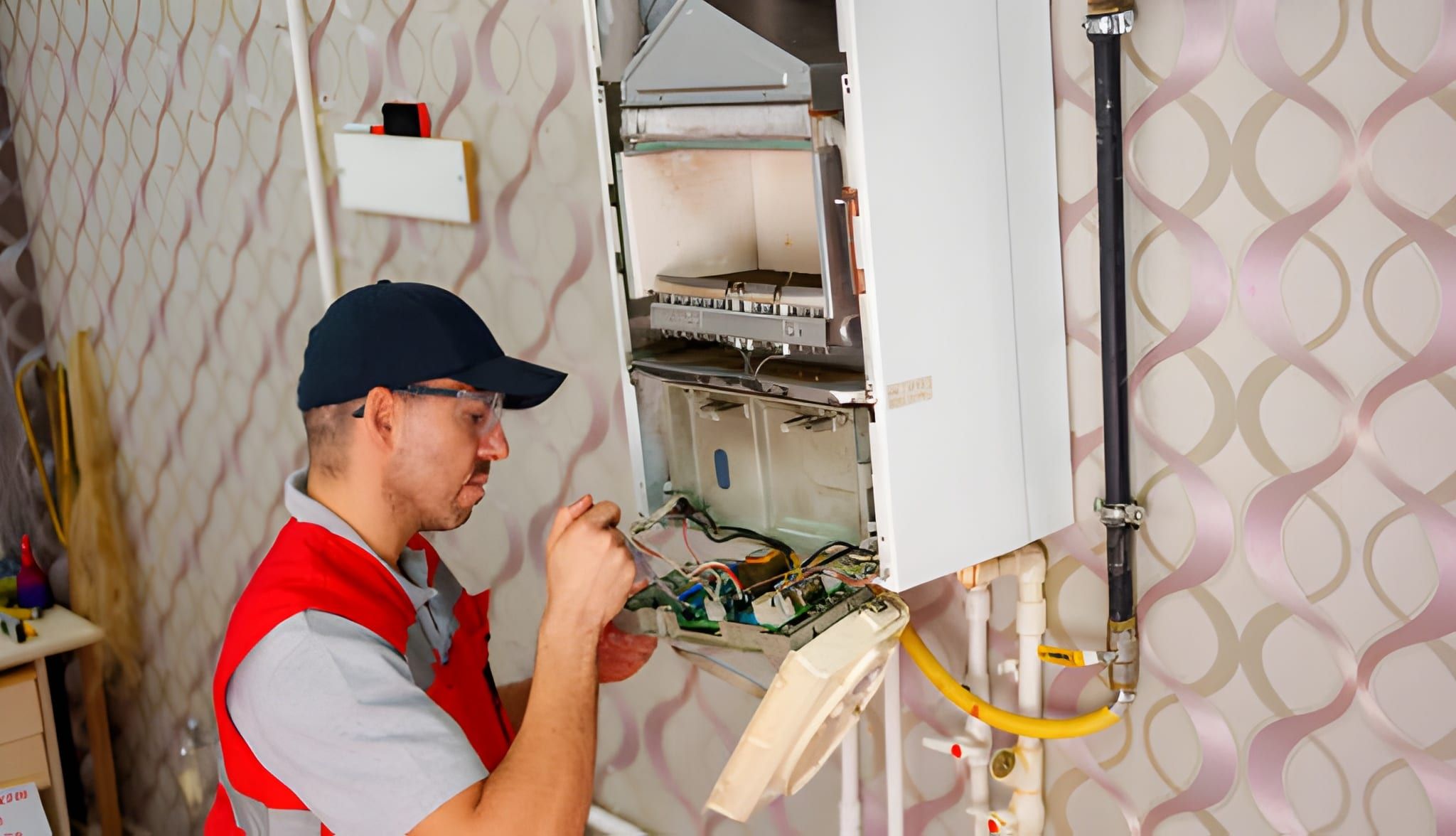
Below is the step-by-step checklist you can expect during a complete furnace Tune-Up. Each item is performed with industry-standard procedures and documented observations so you know the condition of your system and any recommendations for repair or replacement.
- Visual inspection of the entire heating system
- Check furnace cabinet and mounting for corrosion, settling, or loose fasteners
- Inspect flue, venting, and draft hood for obstructions, deterioration, or improper slope
- Safety checks
- Test carbon monoxide detection and inspect heat exchanger for cracks or corrosion
- Verify proper operation of safety switches and limit controls
- Check gas line fittings and manifold for signs of leaks or wear
- Cleaning and component maintenance
- Remove and clean burners, pilot assembly, and combustion chamber as needed
- Clean or lubricate blower wheel and motor bearings where applicable
- Clear condensate traps and drains on high-efficiency systems
- Combustion and efficiency testing
- Measure combustion gases and draft to confirm safe and efficient operation
- Verify proper gas pressure and burner performance
- Calculate estimated system efficiency to detect performance degradation
- Electrical and control checks
- Tighten electrical connections, inspect capacitors, relays, and contactors
- Measure voltage and current to key components and compare to manufacturer ranges
- Test thermostat communication and control responsiveness
- Filter inspection and replacement
- Assess current filter type and condition; replace with recommended MERV or manufacturer-specified filter
- Advise on filter frequency based on household conditions such as pets, allergies, or smokers
- Thermostat calibration and staging checks
- Calibrate thermostat to ensure temperature setpoints match room temperatures
- Confirm proper staging for multi-stage systems and zoning controls
- Duct system assessment
- Inspect accessible ductwork for disconnections, excessive dust buildup, or restricted returns
- Note areas that may cause airflow imbalance and reduced system efficiency
- Final performance run and homeowner review
- Run system through a full heating cycle to verify stable temperatures, smooth cycling, and quiet operation
- Provide a clear summary of findings and recommended next steps
Diagnostic testing explained in plain language
Homeowners often hear terms like combustion analysis, draft testing, amperage checks, or heat exchanger inspection. Here is what those tests mean and why they matter:
- Combustion analysis: This test measures the furnace exhaust to ensure fuel is burning cleanly. Proper combustion reduces unsafe carbon monoxide production and confirms the burners are tuned to the correct fuel-to-air ratio.
- Draft testing: Ensures exhaust gases are moving out through the flue as they should. Poor draft can cause backdrafting, which calls for immediate attention.
- Amperage and voltage checks: Measuring electrical draw helps spot failing motors or components before they fail outright. A motor drawing more or less current than it should may signal a problem.
- Heat exchanger inspection: The heat exchanger separates combustion gases from your home air. Cracks or corrosion can make a furnace unsafe. A careful inspection is a core safety step.
All of these diagnostics are part of a professional Tune-Up because they find issues you cannot see or smell, and they keep your system running efficiently and safely.
Common furnace Tune-Up issues found in West Hills homes
Local environmental and usage patterns in West Hills, TN lead to some predictable problems. During Tune-Ups, technicians frequently encounter:
- Dirty or clogged filters from fall pollen and indoor pet dander
- Corroded or cracked heat exchangers in older units exposed to seasonal humidity and temperature cycling
- Restricted return air due to closed vents, furniture blocking returns, or attic insulation encroaching on duct runs
- Ignition or flame sensor issues after long idle periods in warm months
- Loose electrical connections from vibration and thermal cycling
- Flue obstructions caused by nests, leaves, or debris from nearby trees
- Reduced airflow from dirty blower wheels or duct obstructions, causing uneven heating in homes with multiple levels
Identifying these issues early during a Tune-Up prevents the typical failure modes that homeowners see in the middle of winter.
Benefits you can expect after a professional Tune-Up
A proper furnace Tune-Up produces measurable advantages for your home comfort and long-term system health. Common benefits include:
- Improved efficiency and lower energy use
- Clean burners, properly adjusted gas pressure, and unobstructed airflow let the furnace produce the same heat with less fuel.
- Fewer unexpected breakdowns
- Routine inspection and early repair of weak components reduce emergency repairs when temperatures drop.
- Extended equipment lifespan
- Systems that run cleanly and within design specifications experience less wear and last longer.
- Increased safety and peace of mind
- Combustion and draft testing lowers the risk of carbon monoxide incidents and identifies heat exchanger problems before they become dangerous.
- Better indoor air quality
- Replacing filters and cleaning blower components reduces circulating dust and allergens important for West Hills homes that contend with fall pollen.
- More consistent comfort
- Proper calibration and airflow balancing means fewer cold spots and steadier room temperatures.
These benefits are not just theoretical. They translate into predictable monthly comfort, fewer late-night service calls, and a safer home environment during the heating season.
Why fall is the optimal time for a Tune-Up
Scheduling a Tune-Up in the fall provides several practical advantages:
- Preventive timing: Addressing issues before sustained use reduces stress on the system during the coldest months.
- Quieter scheduling windows: Fall is typically less busy than mid-winter for heating repairs, making it easier to secure timely service.
- Early detection: Fixing small problems in the fall avoids more expensive replacements or hazardous failures in winter.
- Efficiency before higher bills: A tuned furnace uses less energy during the months you need it most, which is especially important before the holidays and colder stretches.
For West Hills homeowners, a fall Tune-Up aligns with the seasonal transition from humidity and pollen to cooler, drier air, making it the right time to prepare your furnace.
What to expect during the service visit
A professional Tune-Up is a systematic process that respects your home and schedule. Typical expectations during the service are:
- An initial walk-through to identify visible problems and access requirements
- A systematic checklist-driven inspection and testing process
- Replacement of standard filters when needed and recommendation for better filter options based on household needs
- Documentation of test results and clear, jargon-free explanation of any findings
- A summary of recommended repairs or priority items if additional work is needed
Technicians should leave the work area clean and provide clarity on when the next inspection or service should occur. The inspection will also note any safety concerns that require prompt attention.
Simple maintenance tips homeowners can follow between Tune-Ups
Keeping your furnace running well between professional visits reduces wear and helps maintain efficiency. These simple actions are low effort with big payoff:
- Replace or clean filters regularly depending on your filter type and household factors such as pets or allergies
- Keep returns and vents unobstructed by furniture or drapes
- Maintain clearance around the furnace cabinet and outdoor intake/venting areas
- Ensure thermostat batteries are fresh and the schedule settings match household occupancy
- Keep vegetation and debris away from outdoor vents and flues
- Listen for unusual noises or cycling changes and note them for the next service visit
Routine homeowner care complements professional Tune-Ups and helps preserve system performance.
How Everest Air Heating and Cooling approaches furnace Tune-Ups
Everest Air Heating and Cooling focuses on thorough diagnostics, transparent findings, and practical recommendations. Our approach emphasizes safety and longevity, with each Tune-Up tailored to the make, model, and age of your furnace. Technicians inspect key safety devices, measure combustion and airflow, and provide clear documentation of system condition and suggested next steps.
For homes in West Hills, TN, this means attention to local factors such as seasonal pollen loads, humidity-related corrosion risk, and the heating patterns typical of multi-level or older homes in the area. The goal is predictable comfort throughout the heating season and reduced chance of mid-winter failures.
When a Tune-Up reveals the need for repairs or replacement
A Tune-Up may uncover items that need repair or, in some cases, signal that replacement is the most cost-effective long-term option. Common repair items identified during a Tune-Up include:
- Faulty flame sensors, igniters, or control modules
- Worn blower motors or belts
- Leaky or disconnected ductwork affecting performance
- Minor gas valve or pressure adjustments
- Corroded burners or severely restricted combustion chambers
If a heat exchanger is cracked or the system is approaching the end of its expected life with repeated major issues, technicians will document safety concerns and provide recommendations that balance immediate need and long-term value. The Tune-Up provides the data needed to make an informed choice about repair versus replacement.
Seasonal checklist summary
For quick reference, here is a compact checklist of the most important Tune-Up items for West Hills homes:
- Inspect heat exchanger and combustion chamber
- Clean burners and combustion area
- Test combustion efficiency and draft
- Inspect and tighten electrical connections
- Test blower motor, belts, and bearings; clean blower wheel
- Replace or recommend appropriate air filter
- Calibrate thermostat and verify system staging
- Inspect flue and venting for obstructions and correct pitch
- Assess accessible ductwork and returns
- Note any safety issues and provide documented findings
Keeping this checklist in mind helps homeowners understand the value provided during a Tune-Up and what to expect in documentation.
Frequently Asked Questions
Q: How often should I have a furnace Tune-Up in West Hills, TN?
A: Annual Tune-Ups are recommended, with fall being the ideal time. Homes with pets, allergies, or high usage may benefit from more frequent filter checks and interim inspections.
Q: Will a Tune-Up lower my heating bills?
A: Yes. Cleaning components, optimizing combustion, and restoring proper airflow all improve efficiency, which typically results in lower fuel costs compared to a neglected system.
Q: Is filter replacement included in a standard Tune-Up?
A: Filter replacement is a core part of a Tune-Up checklist. Technicians will assess your current filter and replace it with the appropriate type as needed, while recommending the best filter grade for your home.
Q: What are signs my furnace needs a Tune-Up right now?
A: Signs include unusual odors, frequent cycling on and off, uneven heating, higher-than-usual energy bills, visible soot around the furnace, and a pilot or ignition that struggles to light.
Q: How long does a professional furnace Tune-Up typically take?
A: Most complete Tune-Ups take between 60 and 90 minutes depending on system complexity and how much cleaning or testing is required.
Q: Does a Tune-Up include safety checks for carbon monoxide?
A: A professional Tune-Up includes combustion and draft testing that are central to identifying conditions that could lead to carbon monoxide issues, plus inspection of heat exchangers and venting.
Q: Can a Tune-Up extend the life of my furnace?
A: Regular maintenance detects and corrects problems early, reduces stress on components, and often extends the operational life of a furnace by several years.
Q: Do Tune-Ups differ for older systems versus high-efficiency furnaces?
A: Yes. High-efficiency furnaces have condensate traps and more complex controls that require specific checks, while older units may need additional attention to burners, electrodes, and heat exchangers. A professional will tailor the Tune-Up to your system type.
Q: What should I do after a Tune-Up to maintain results?
A: Replace filters as recommended, keep returns clear, maintain proper thermostat settings, and watch for changes in performance or noises. Schedule the next annual inspection before winter to avoid delays.
Q: Will a Tune-Up fix uneven heating in my home?
A: A Tune-Up can improve airflow, clean components, and reveal ductwork issues that cause uneven heating. If the root cause is duct imbalance or insulation problems, the technician will note those findings and recommend appropriate solutions.
hear what our satisfied clients have to say

David P.
Service areas