

Furnace Service in Lenoir City, TN
To keep your home warm, safe, and energy-efficient through Lenoir City winters, reliable furnace service is absolutely essential. That's exactly what Everest Air Heating and Cooling provides! We offer thorough furnace inspections, proactive preventative maintenance, expert repairs, and even emergency response for those unexpected issues. Our seasonal Tune-Ups and flexible service plans are all thoughtfully designed for Lenoir City homeowners. When you call Everest Air Heating and Cooling, we'll walk you through common furnace problems unique to our area, explain what a professional service visit truly includes, detail the diagnostic and repair options available, and underscore why routine service is so vital for your comfort, safety, and the long-term health of your heating system.
.jpeg)
Why furnace service matters in Lenoir City, TN
Lenoir City sits in East Tennessee where winters are generally moderate but can include extended cold snaps and single-digit nights. Those temperature swings, combined with the area humidity and seasonal pollen, place specific demands on home heating systems. Furnaces that are not maintained are more likely to fail during an unexpected cold spell, run inefficiently, and create safety risks.
- Prevent breakdowns during cold weather when you need heat most
- Reduce energy use and lower monthly heating costs
- Identify safety issues such as carbon monoxide leaks or cracked heat exchangers
- Preserve warranty coverage and extend the life of your system
- Keep indoor air quality higher by removing dust, pollen, and contaminants that build up in older systems
Everest Air Heating and Cooling understands local patterns in Lenoir City homes — from older houses with dated ductwork to newer builds with high-efficiency units — and tailors service to the unique needs of each property.
Common furnace issues in Lenoir City homes
Knowing the typical problems helps homeowners spot trouble early. Some of the most frequent furnace issues Everest Air technicians address in Lenoir City include:
- Irregular heating or cold spots in certain rooms due to duct leaks or airflow restrictions
- Short cycling where the furnace turns on and off frequently, often caused by improper airflow, thermostat faults, or an oversized system
- Unusual noises such as banging, rattling, or squealing from motors, belt wear, or loose components
- Pilot light or ignition failures on older gas furnaces and electronic ignition faults on modern units
- Weak airflow from clogged filters, restricted vents, or failing blower motors
- Rising energy bills from dirty burners, inefficient heat exchange, or poor combustion
- Safety concerns including carbon monoxide leaks from cracked heat exchangers or blocked venting
- Corrosion and moisture-related issues in coastal or humid seasons that can accelerate component wear
Because Lenoir City has distinct seasonal pollen and humidity cycles, filter and coil cleanliness and proper drainage are recurring maintenance priorities.
Types of furnace services we provide
Everest Air Heating and Cooling covers the full spectrum of furnace needs for Lenoir City homeowners:
- Comprehensive inspections and diagnostics to pinpoint issues
- Preventative maintenance and seasonal Tune-Ups to optimize performance
- Targeted repairs for ignition, burners, blower motors, control boards, valves, sensors, and ductwork
- Emergency furnace service for urgent failures during cold conditions
- System safety checks including carbon monoxide testing and combustion analysis
- Replacement recommendations when repair is no longer cost effective
- Service plan membership (Y.E.T.I Comfort Plan) offering priority scheduling and discounts on service calls
What to expect during a furnace service visit
A professional furnace visit follows a consistent, transparent process so you know exactly what is being inspected and why. Everest Air Heating and Cooling technicians use a checklist-driven approach and explain findings in plain language.
- Arrival and identification
- Technician arrives at the scheduled window, wears company identification, and assesses site conditions for safe access.
- Brief intake and symptom review
- The technician asks about recent system behavior, unusual noises, thermostat settings, and any history of previous repairs.
- Visual inspection and safety review
- The exterior cabinet, flue pipe, venting path, and immediate surroundings are checked for signs of leaks, corrosion, or blockages.
- Power and control checks
- Thermostat operation, electrical connections, fuses, and control boards are tested for correct function.
- Combustion and safety testing for gas furnaces
- Flame quality, burner operation, gas valve performance, and carbon monoxide levels are evaluated. Heat exchanger condition is visually inspected where possible.
- Airflow and distribution inspection
- Blower motor operation, fan belts, filters, return and supply vents, and accessible ductwork are checked for restrictions or leaks.
- Component-level diagnostics
- Ignitors, flame sensors, limit switches, capacitors, and other serviceable components are tested and measured against manufacturer specifications.
- Performance tuning and cleanup
- The technician cleans burners, replaces or recommends filter changes, adjusts gas pressures or airflow, and reassembles the system. Final testing ensures the furnace runs through a full cycle.
- Clear explanation and documentation
- Findings are explained in plain terms including any repair recommendations, expected benefits, and estimated life expectancy. A written service summary or invoice documents the work performed.
During every visit the technician will prioritize safety checks and leave the work area clean. Everest Air Heating and Cooling emphasizes clear communication and no hidden costs.
Detailed preventative maintenance tasks included in a Tune-Up
A seasonal Tune-Up is more than a quick glance. Proper preventative maintenance prevents common failures and preserves efficiency. Typical maintenance tasks include:
- Replace or inspect air filters and recommend the correct MERV rating for your home
- Clean burners and inspect ignition system for proper flame and combustion
- Inspect and, when accessible, examine the heat exchanger for signs of cracks or corrosion
- Test and calibrate the thermostat for accurate temperature control
- Lubricate moving parts such as blower motor bearings and fan assemblies when applicable
- Check and tighten electrical connections to prevent overheating and component failure
- Inspect and clear condensate drains and traps on high-efficiency furnaces
- Measure temperature rise across the furnace to confirm proper heat transfer
- Inspect flue and venting for proper draft and secure connections
- Test safety controls including high-limit switches and pressure switches
- Inspect ductwork in accessible areas for obvious leaks, disconnected runs, and unacceptable insulation gaps
- Test for carbon monoxide and ensure combustion efficiency meets safe standards
Regular Tune-Ups reduce the likelihood of mid-winter failures, maintain manufacturer warranty requirements, and help your system operate at peak efficiency.
Common repairs explained in accessible terms
When a diagnostic points to a repair, technicians will explain the problem and the reason behind the recommended fix. Common repairs include:
- Ignitor replacement: Modern furnaces use electronic ignitors which can become brittle and fail. A failed ignitor means the furnace cannot light.
- Flame sensor cleaning or replacement: A dirty flame sensor can cause the furnace to shut off shortly after ignition. Cleaning often restores function; replacement is needed if worn.
- Blower motor service: The blower circulates warm air. Motor bearings, capacitors, or the motor itself can fail, causing weak airflow or noisy operation.
- Control board and relay repair: The system brain that manages sequencing may need replacement if corroded or suffered a power surge.
- Gas valve and regulator service: Proper gas flow is essential for safe operation. A faulty valve can lead to ignition problems or improper combustion.
- Heat exchanger concerns: Cracked heat exchangers are a safety issue that can allow combustion gases into the home. These usually require replacement of the furnace.
- Ductwork repair: Leaky ducts reduce efficiency and create hot and cold spots. Sealing and insulation improve performance.
- Thermostat troubleshooting: Sometimes the thermostat is the root cause of cycling or comfort issues. Calibration or replacement can fix control problems.
Technicians will always explain whether a repair restores factory performance, the expected life extension after the repair, and whether replacement should be considered for long-term value.
Emergency furnace service and response in Lenoir City
Everest Air Heating and Cooling recognizes that furnace failures are most critical during cold evenings and overnight temperature drops. Emergency service protocols include:
- Prioritization of safety issues such as suspected carbon monoxide, lack of heat in extreme cold, or signs of dangerous gas leaks
- Rapid diagnostics to isolate the failure and make temporary measures if a full repair is not possible immediately
- Transparent explanation of emergency repairs versus planned replacements so you can make informed decisions about interim solutions
- When enrolled in the Y.E.T.I Comfort Plan, clients receive priority scheduling that expedites emergency response and reduces wait times
Because Lenoir City homes may have limited alternatives during a cold snap, fast emergency troubleshooting helps protect both occupants and property.
Y.E.T.I Comfort Plan and service plans for Lenoir City homeowners
Service plans are designed to remove uncertainty and keep systems running smoothly. Everest Air Heating and Cooling’s Y.E.T.I Comfort Plan typically includes:
- Seasonal fall and spring checkups to prepare your system for heating and cooling seasons
- Priority scheduling so plan members receive expedited appointments when service demand is high
- Discounts on service calls as part of maintenance membership benefits
- Detailed system records that support warranty claims and provide consistent service history for your equipment
Membership in a maintenance plan reduces emergency repairs, keeps equipment at peak efficiency, and offers cost predictability for homeowners who prefer scheduled care rather than reactive fixes.
When to repair and when to consider replacement
Deciding whether to repair or replace involves evaluating age, efficiency, repair history, and safety. Consider replacement when:
- The furnace is over 15 years old and repairs are recurrent
- Repair costs approach or exceed 50 percent of the value of a new system
- Heat exchanger problems or other safety-related failures are present
- The unit’s efficiency is markedly lower than current standards, leading to persistently high utility costs
- You are planning a home upgrade or expect longer-term occupancy and want improved comfort and reduced energy bills
Technicians will present repair options alongside replacement considerations, including the expected energy savings and long-term value associated with modern high-efficiency systems.
Practical homeowner maintenance tips for Lenoir City homes
Simple routine actions between professional Tune-Ups prevent many common problems:
- Change or clean filters every 1 to 3 months depending on filter type, household pets, and pollen levels
- Keep vents and returns free of curtains, furniture, and clutter to maintain proper airflow
- Check the thermostat batteries and settings seasonally and use programmable or smart thermostats to reduce unnecessary runtime
- Ensure exterior vents and flues remain clear of debris, leaves, and rodent nests, especially after storms
- During warm seasons, keep the area around the outdoor unit free of vegetation and ice in winter
- Schedule professional maintenance in early fall so your furnace is prepared for cold weather and peak season demand
These low-effort steps can prevent many emergency failures and keep your heating system operating efficiently.
Safety and carbon monoxide considerations
Safety is a top priority with natural gas and propane furnaces. Key safety practices include:
- Annual combustion analysis and carbon monoxide testing during inspections
- Prompt attention to any gas odor, which must be treated as an emergency
- Immediate service if you notice yellow or lazy flames, soot, rust-colored streaks around vents, or frequent pilot outages
- Ensure homes have properly installed and functioning carbon monoxide detectors, particularly near sleeping areas
Everest Air Heating and Cooling includes safety checks as part of standard inspections to identify hazards before they become emergencies.
Benefits of scheduled furnace maintenance
Regular, documented maintenance delivers measurable benefits:
- Lower utility bills through improved combustion and airflow efficiency
- Fewer emergency repairs and unexpected cold nights
- Extended equipment life by reducing component wear
- Better indoor air quality by removing built-up dust and pollen from coils and ductwork
- Documentation to maintain manufacturer warranties and protect your investment
- Greater peace of mind knowing your home is safe and comfortable when temperatures drop
For Lenoir City homes where temperature swings and seasonal allergens add stress to systems, maintenance is an investment that pays back through reliability and performance.
What to expect in pricing and estimates (without specifics)
A professional furnace inspection will usually result in one of several clear outcomes: routine maintenance completed, a small part replacement, a larger repair, or a recommendation for replacement. Reputable service providers explain the cost drivers for each option — parts, labor, and safety testing — and provide a written estimate before performing non-emergency work. Maintenance plan members typically receive discounts on repair labor or parts as described in their plan terms.
Everest Air Heating and Cooling emphasizes transparent estimates, no hidden costs, and no high-pressure sales tactics, consistent with family-owned service values in the region.
Frequently Asked Questions
Q: How often should I have my furnace serviced?
A: Once per year is the minimum recommendation, ideally in early fall before the heating season begins. Homes with pets, high pollen, or older equipment may benefit from biannual checks.
Q: What does a furnace Tune-Up include?
A: A Tune-Up typically includes filter inspection and replacement, burner and ignition cleaning, safety control tests, blower inspection and lubrication, airflow checks, thermostat calibration, and basic duct evaluation.
Q: How long does a typical furnace service visit take?
A: Most routine inspections and Tune-Ups take about 60 to 90 minutes. More complex repairs or replacements require additional time depending on parts and diagnostic needs.
Q: Can maintenance reduce my energy bills?
A: Yes. Cleaning burners, replacing filters, sealing ducts, and ensuring proper combustion improves efficiency and can lower heating costs by ensuring the system runs as intended.
Q: What should I do if my furnace stops working overnight?
A: First, check the thermostat settings and replace batteries if needed, ensure the breaker and switch supplying the furnace are on, and check the filter. If basic checks do not restore heat, seek professional emergency service to diagnose safety concerns or failed components.
Q: What are signs of a dangerous furnace problem?
A: Signs include persistent carbon monoxide detector alarms, visible rust or cracks on the furnace, soot around vents, strong gas odors, yellow or sooty flames, and repeated pilot outages. These require immediate professional attention.
Q: Are service plans worth it for Lenoir City homes?
A: For most homeowners, yes. Service plans provide scheduled maintenance, priority scheduling during peak demand, and discounts on repairs, which reduce emergency costs and improve system reliability.
Q: Will maintenance void my equipment warranty?
A: No. In fact, regular documented maintenance usually helps maintain warranty coverage by meeting manufacturer requirements. Keep records of all service visits and receipts as proof.
Q: How do I know whether to repair or replace my furnace?
A: Consider the furnace age, repair frequency, repair cost versus replacement cost, efficiency, and any safety-related issues. Technicians can provide an objective analysis and projected lifecycle to help you choose.
hear what our satisfied clients have to say

David P.
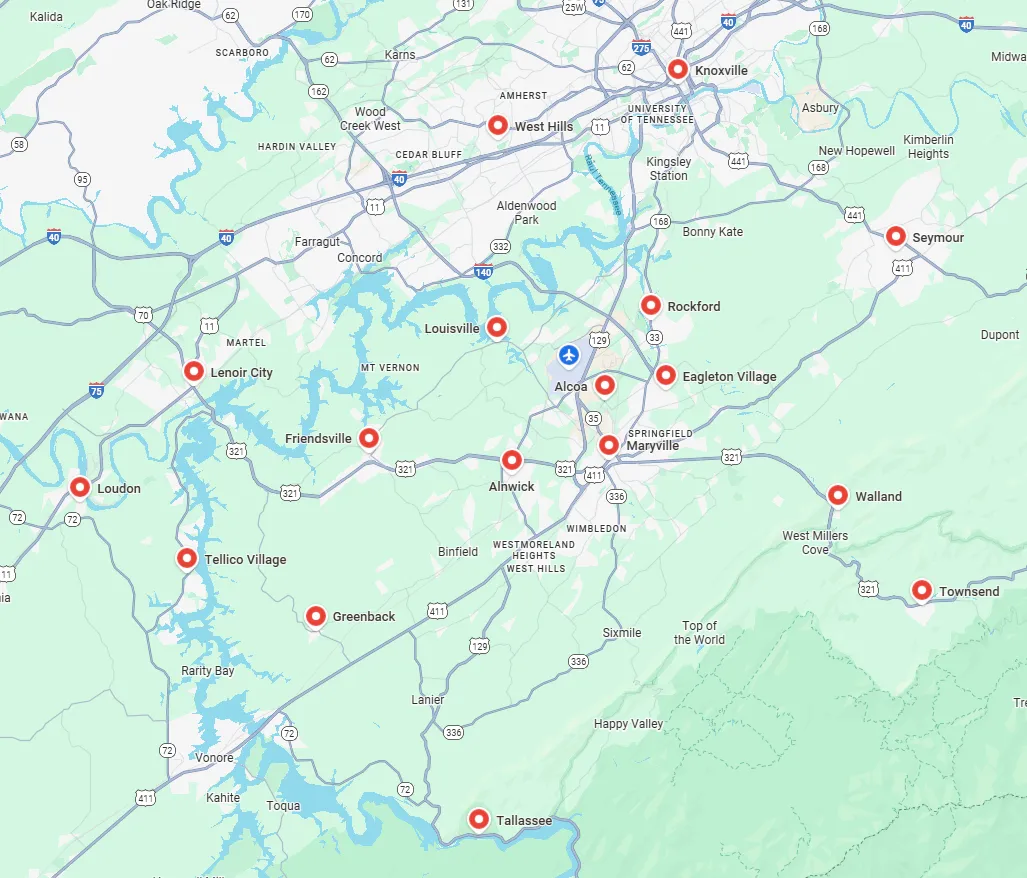
Service areas