

Furnace Replacement in West Hills, TN
When your furnace just isn't keeping up, you're faced with a big decision: repair it again, or invest in a replacement for long-term comfort and efficiency? Here in West Hills, TN, where winters can be unpredictable and homes range from charming bungalows to sturdy brick ranches, you need a heating system that's always reliable, safe, and efficient. At Everest Air Heating and Cooling, we provide clear, expert guidance to help you figure out when furnace replacement is the absolute right move. We'll show you what the process looks like and how a properly sized, high-efficiency system from Everest Air Heating and Cooling can deliver lasting energy savings and comfort benefits for homes throughout our community.
.jpeg)
Why furnace replacement matters in West Hills, TN
West Hills experiences cool winters with occasional prolonged cold snaps. Many local homes were built decades ago and may have aging furnaces and older ductwork. A failing furnace in these homes leads to cold spots, higher utility bills, frequent service calls, and potential safety concerns. Replacing a worn-out furnace can stabilize indoor temperatures, reduce heating costs, and improve indoor air quality. For homeowners who want predictable comfort and lower operating costs through Tennessee winters, timely replacement is often the most cost-effective solution.
When to replace versus repair
Deciding between repair and replacement depends on several practical factors. Consider replacement when one or more of the following apply:
- The furnace is more than 15 years old. Older furnaces lose efficiency and reliability over time. Most modern high efficiency furnaces deliver substantially better performance than units installed 15 or more years ago.
- Repairs are frequent or costly. If you are servicing your furnace multiple times per season, replacement can be more economical over the long term.
- Energy bills are rising without other explanations. A steady increase in heating costs for the same usage pattern can signal a drop in furnace efficiency.
- Heating is inconsistent. Short cycling, persistent cold rooms, or inability to maintain set temperature despite running long cycles indicate the system may be undersized or failing.
- Safety concerns exist. Signs like rusted or cracked heat exchangers, flame rollout, or persistent odors indicate safety risks that merit replacement rather than repeated band-aid repairs.
- You want better efficiency and comfort. Newer furnaces with higher AFUE ratings, variable speed blowers, and better controls can provide more even heating, quieter operation, and lower monthly costs.
- You plan a long-term stay in the home or are preparing the home for resale. A new furnace can increase property value and provide peace of mind for years.
Common furnace problems that lead to replacement
- Inconsistent heating and short cycling
- Rising energy costs despite normal use
- Frequent component failures (igniters, blowers, control boards)
- Rust, corrosion, or visible damage to the heat exchanger
- Persistent carbon monoxide or combustion-related safety concerns
- Poor air quality linked to failing equipment and dirty ductwork
- System unable to keep up with heating loads during cold spells
The furnace replacement process: what to expect
Everest Air Heating and Cooling follows a professional, step-by-step replacement process designed to match equipment to your home, ensure safety, and maximize efficiency.
- Initial evaluation and diagnostic
- Inspect existing system, ductwork, vents, and combustion venting.
- Review service history and current performance issues.
- Check fuel type and supply: natural gas, propane, or oil.
- Conduct basic measurements of airflow and combustion performance.
- Load calculation and system sizing
- Perform a Manual J load calculation to determine heating requirements based on home size, insulation, window area, air infiltration, and local climate conditions in West Hills.
- Consider duct losses, number of supply and return registers, and any planned home improvements that affect heating load.
- Proper sizing avoids undersized units that struggle or oversized units that short cycle.
- Equipment selection and configuration
- Evaluate options by fuel type and technology: high efficiency gas furnaces (AFUE ratings), condensing vs non-condensing units, and alternatives such as heat pumps for appropriate homes.
- Discuss blower options: single speed, multi speed, variable speed ECM motors for improved airflow, quieter operation, and tighter temperature control.
- Consider staging: single stage, two stage, or modulating gas valves to match heat output to demand for better comfort and efficiency.
- Account for compatibility with thermostat technology and zoning systems.
- Factor in indoor air quality improvements like advanced filtration or electronic air cleaners if needed.
- Energy-efficiency considerations
- Review AFUE ratings for furnaces. Higher AFUE means more of the fuel is converted into usable heat and less is wasted.
- Discuss insulation and duct sealing improvements that enhance the return on investment from a new furnace in West Hills homes that often have older ducts or attic/crawlspace pathways.
- Consider integrating smart thermostats and zoning to maximize energy savings and comfort control.
- Professional removal and disposal
- Safely disconnect fuel and electrical connections and test for leaks as part of removal.
- Remove the old furnace, recycling metal components and disposing of hazardous materials according to local regulations.
- If the replacement involves a new outdoor unit or heat pump, ensure refrigerant recovery and proper handling by certified technicians.
- Restore or modify flue/venting and combustion air provisions to meet current code and manufacturer specifications.
- Installation and testing
- Install new furnace and any associated components such as new flue, gas line upgrades, condensate drains, or new plenums.
- Perform combustion analysis, airflow testing, and safety checks including carbon monoxide testing.
- Balance airflow and verify temperature differentials across supply registers.
- Demonstrate operation and thermostatic control to the homeowner and provide documentation and warranty information.
Equipment selection: key features to consider
When choosing a new furnace for a West Hills home, consider these priorities:
- AFUE efficiency: Higher AFUE means lower fuel consumption per unit of heat delivered.
- Variable speed ECM blower: Provides steadier airflow, reduced noise, and improved humidity control.
- Two stage or modulating operation: Delivers gentler, more consistent heat and higher seasonal efficiency.
- Durable heat exchanger and robust construction: Important for long term reliability and safety.
- Quiet cabinet construction and vibration isolation: Improves in-home comfort.
- Compatibility with existing ductwork and thermostat controls: Reduces the need for costly duct redesigns.
- Manufacturer warranty and local service network: Ensure parts and labor support is available.
Energy and comfort benefits of upgrading
Upgrading your furnace in West Hills delivers measurable benefits:
- Lower heating costs: Higher efficiency and better controls reduce fuel consumption and monthly bills.
- More consistent temperatures: Variable speed blowers and modulating heat reduce hot and cold spots.
- Quieter operation: Newer units run more quietly than older furnaces that vibrate and cycle loudly.
- Improved indoor air quality: New equipment and the opportunity to add better filtration reduce dust and allergens.
- Enhanced safety and reliability: New heat exchangers, control systems, and safety devices reduce the risk of failures and combustion issues.
- Longer system lifespan: Replacing a worn furnace with modern equipment extends service life and reduces emergency repair exposure.
- Environmental benefit: Higher efficiency reduces fuel consumption and lowers emissions tied to heating.
Cost factors and financing options explained
Instead of a simple price tag, furnace replacement cost in West Hills varies based on a set of predictable factors. Understanding these helps homeowners evaluate proposals and financing without surprise.
Factors that influence replacement cost
- Equipment type and efficiency rating: Higher AFUE and advanced features increase equipment cost but improve operating savings.
- Capacity and sizing: Properly sized units for the home load can be more or less expensive depending on required capacity.
- Installation complexity: Tight mechanical rooms, difficult venting runs, or the need to relocate ducts or gas lines add labor time.
- Ductwork condition: Sealing, insulating, or modifying ducts increases project scope but boosts overall system performance.
- Additional components: New thermostat, zone dampers, or upgraded combustion venting are commonly included and affect total cost.
- Permits and inspections: Local code requirements and inspections are part of a professional installation and vary by jurisdiction.
- Disposal and cleanup: Proper removal and recycling of old equipment is included in a full-service replacement.
Financing options overview
- Manufacturer financing programs: Many manufacturers offer lending programs for qualified homeowners to spread payments over time.
- Local lender or bank loans: Home improvement loans and home equity options remain common for larger projects.
- Energy efficiency financing: Some municipalities and utilities offer special financing or rebates for high efficiency upgrades; incentives vary and may apply to qualifying systems.
- Payment plans offered by local HVAC companies: Some local professionals provide in-house financing or monthly payment options through third-party lenders, which can make replacement more manageable over time.
Everest Air Heating and Cooling provides transparent, detailed proposals that break down these cost factors so homeowners can compare options and pick the solution that fits their budget and performance needs.
Safety, permits, and compliance
A professional replacement takes safety and code compliance seriously. Licensed technicians verify correct gas connections, proper combustion air and venting, and adherence to local permitting requirements. Carbon monoxide testing and combustion analysis are standard procedures after installation to ensure occupant safety. Proper documentation and warranty registration are included with professional service to protect homeowners and help with future service needs.
Long-term value and return on investment
Replacing a furnace is an investment in home comfort and value. While initial equipment and installation comprise the up-front cost, long-term gains include lower energy bills, fewer repair calls, extended reliability, and potential increases in home resale appeal. In West Hills homes where older systems and ductwork are common, pairing a new furnace with duct sealing or insulation improvements often accelerates payback through energy savings and improved comfort.
Preparing your West Hills home for a new furnace
- Clear the work area near the existing furnace and provide easy access to the attic, crawlspace, or mechanical closet.
- Review insulation and weatherization; loose attic insulation or unsealed doors can undermine furnace performance.
- Take note of cold rooms or comfort complaints to discuss with the technician during the evaluation.
- Gather recent utility bills to help gauge current energy use and evaluate projected savings from a new high efficiency unit.
Maintenance after replacement
Regular maintenance extends the lifespan and preserves the efficiency of a new furnace. Recommended maintenance includes:
- Annual professional Tune-Up and safety inspection, ideally in the fall before heating season.
- Regular filter replacement or cleaning based on filter type and household conditions.
- Periodic checks of thermostat operation and air distribution.
- Monitor venting and combustion air openings for blockages.
Everest Air Heating and Cooling offers maintenance plans tailored to keep newer systems running at peak efficiency and to catch issues early.
Frequently asked questions
Q: How do I know if my furnace is worth repairing or should be replaced?
A: Assess the furnace age, frequency and cost of recent repairs, current energy bills, and any safety issues. Furnaces older than about 15 years, units needing repeated major repairs, or systems showing safety warnings are commonly better replaced. A professional evaluation with a load calculation provides a clear comparison of repair cost versus long-term savings from replacement.
Q: Will a new high efficiency furnace lower my heating bills in West Hills, TN?
A: Yes. Higher AFUE ratings mean more of the fuel becomes usable heat. Combined with properly sealed ducts, good insulation, and modern thermostat controls, most homeowners see noticeable reductions in heating costs. Exact savings depend on current system efficiency, fuel prices, and usage patterns.
Q: How long does a furnace replacement installation take?
A: Typical residential furnace replacements are completed in one workday when there are no major duct or venting modifications. More complex installations involving ductwork, gas line upgrades, or ventilation changes may take longer. The initial evaluation clarifies project timeline based on the home specifics.
Q: Do I need a permit for furnace replacement in West Hills?
A: Many localities require permits and inspections for furnace replacement to ensure safety and code compliance. Licensed HVAC professionals handle permit submission and coordinate required inspections as part of a full-service installation.
Q: Can I replace my furnace with a heat pump instead?
A: Possibly. Heat pumps, including modern cold-climate and ducted ductless variants, can be an efficient alternative in many Tennessee homes. Considerations include existing ductwork condition, heating load, and whether backup heat is needed during very cold spells. A professional evaluation determines suitability and comparative operating cost.
Q: What should be included in a furnace replacement estimate?
A: A clear estimate lists equipment make and model, efficiency rating, capacity, included components (thermostat, condensate drain, venting), labor and permit fees, disposal of old equipment, and warranty information. Estimates should also identify any recommended duct or ventilation work and the expected timeline.
Q: How can I maximize the life and performance of a new furnace?
A: Schedule annual professional maintenance, replace filters regularly, keep return and supply vents unobstructed, and address duct leaks or insulation issues. Upgrading thermostatic controls and zoning where appropriate also improves comfort and reduces wear on the system.
Q: Does Everest Air Heating and Cooling handle the full replacement process?
A: Everest Air Heating and Cooling conducts the full scope of furnace replacement work, from evaluation and load calculation to equipment selection, professional installation, proper disposal, and post-installation testing. The team emphasizes safety, efficiency, and transparency in proposals to match West Hills homeowners with the right solution.
Everest Air Heating and Cooling brings local knowledge of West Hills homes and the regional climate to every furnace replacement. Replacing a furnace is more than swapping equipment; it is an opportunity to improve comfort, safety, and efficiency for years to come. With careful evaluation, proper sizing, and professional installation, a new furnace can transform how your home performs through Tennessee winters and deliver dependable comfort for your family.
hear what our satisfied clients have to say

David P.
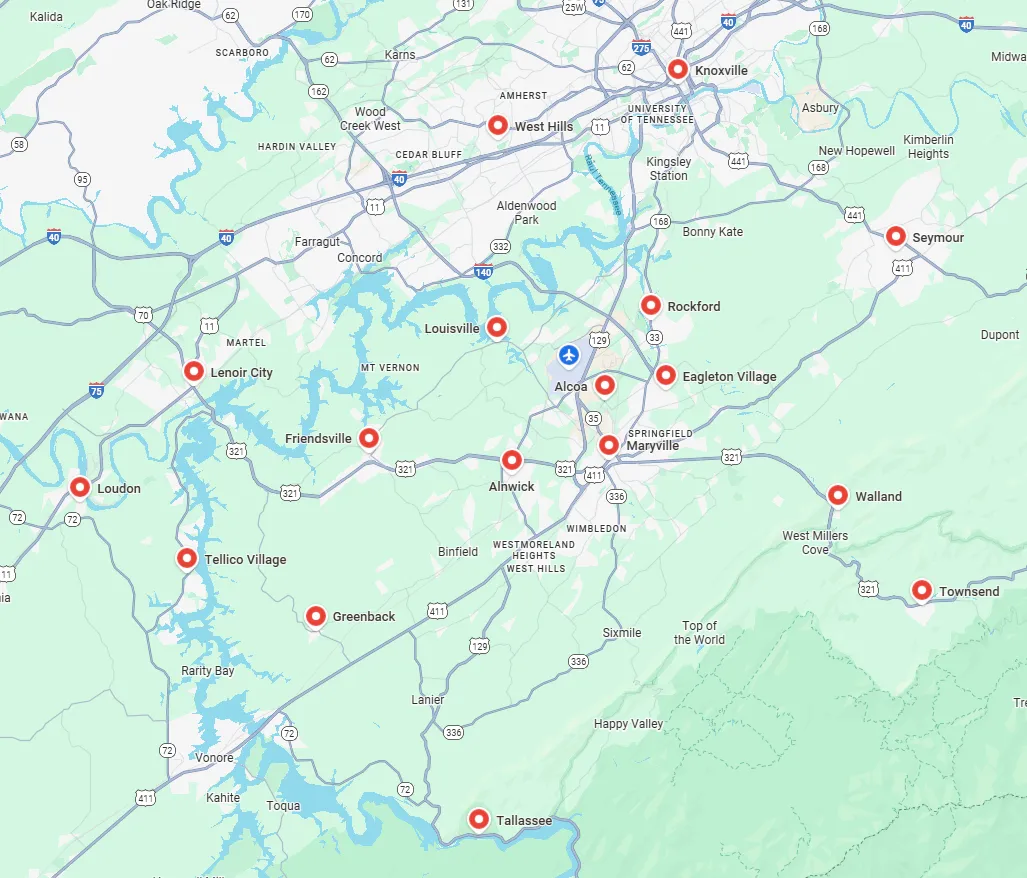
Service areas