

Furnace Repair in West Hills, TN
When your furnace gives up on keeping your West Hills, TN home cozy, it's not just about comfort—it's about the well-being of your family and the safety of your pipes. Cold nights are no joke, especially with children or elderly loved ones around. That's why a quick, expert furnace repair isn't just important; it's essential. At Everest Air Heating and Cooling, we understand the urgency. We bring local expertise, honest service, and highly skilled technicians right to your door to diagnose and restore your heating swiftly and safely. We'll walk you through the common furnace warning signs West Hills homeowners encounter, explain our straightforward diagnostic process, detail typical repairs like controls, igniters, motors, and thermostats, and even share temporary tips you can use while our Everest Air Heating and Cooling team is on its way. Plus, you'll get full transparency on our pricing and warranty details, so you always know what to expect.
.jpeg)
Why furnace repair matters in West Hills, TN
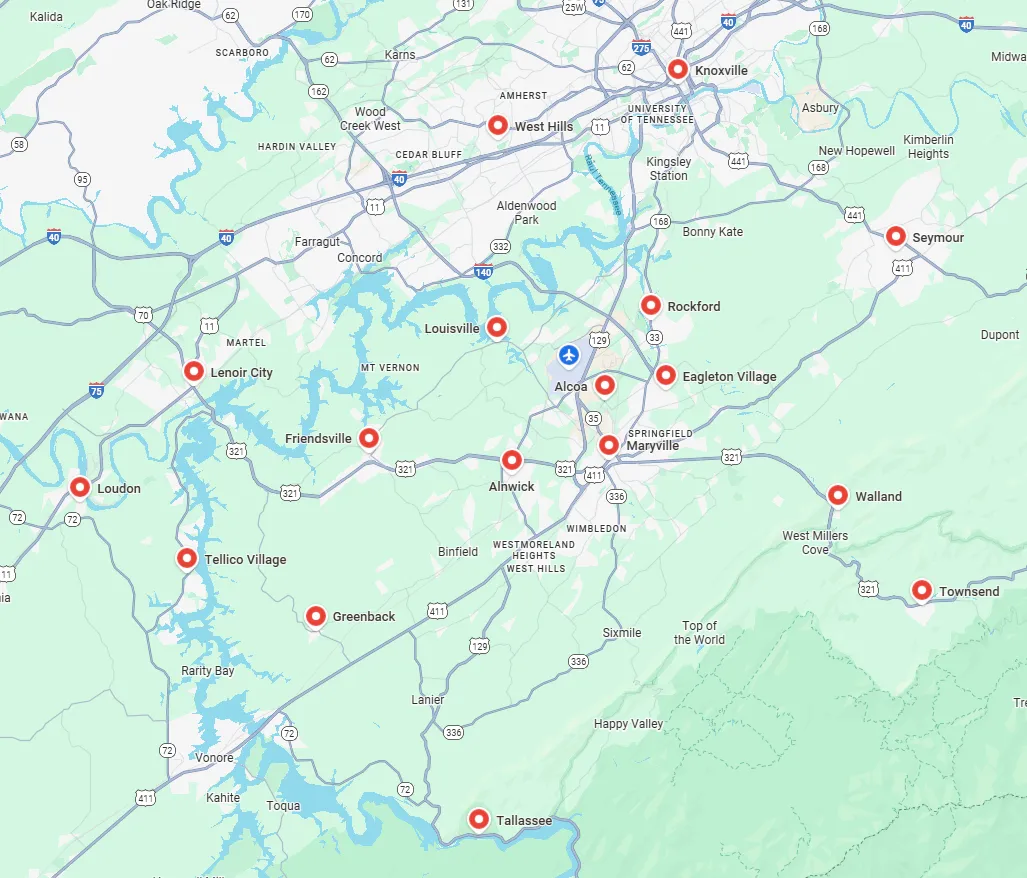
West Hills sits on the western side of the Knoxville area and experiences cold snaps in late fall through early spring. Many homes in this area are older, have mixed-age HVAC equipment, and feature crawlspaces or basements where ducts and lines can be exposed to cool air. That combination increases heating demand and the likelihood of wear-related failures. Prompt furnace repair prevents further damage, reduces energy waste, and addresses safety risks like incomplete combustion or carbon monoxide. Everest Air Heating and Cooling understands the local climate, construction patterns, and seasonal pressures West Hills homeowners face, and we design repairs and diagnostics with those realities in mind.
Common furnace failure symptoms in West Hills homes
Recognizing early warning signs helps you avoid a full breakdown during a cold night. Common complaints we see from West Hills customers include:
- Furnace will not start, or it cycles on and off frequently (short cycling)
- No heat, or uneven heating between rooms
- Weak airflow from vents despite blower running
- Unusual noises: humming, banging, rattling, or squealing
- Burning, metallic, or rotten-egg odors coming from registers
- Thermostat displaying error codes or failing to respond
- Unreliable pilot light or intermittent ignition on gas units
- Higher-than-normal energy bills during heating months
- Furnace constantly running but failing to reach set temperature
- Frequent tripping of circuit breakers associated with the furnace
Each symptom points to a set of likely causes. Proper diagnostics identify the root cause so repairs are effective and long lasting.
How Everest Air approaches furnace diagnostics
A methodical diagnostic process reduces guesswork and unnecessary parts replacement. Our technicians follow a multi-step inspection and testing routine tailored to the unit type (gas, electric, or oil where applicable):
- Visual inspection: Check access panels, burners or heating elements, wiring, venting, filter condition, and visible ductwork. In West Hills homes, we also inspect exposed ducts in basements or crawl spaces for leaks or insulation gaps that worsen heating problems.
- Safety checks: Verify combustion air supply, flue venting, and look for signs of rust, corrosion, or soot that could indicate improper combustion or cracked heat exchangers. Carbon monoxide risk assessment is standard on gas systems.
- Electrical evaluation: Test voltage, capacitors, fuses, relays, and control board functions. Intermittent electrical issues are a common cause of blower failures and igniter problems.
- Ignition and flame diagnostics: For gas furnaces, test hot surface igniters or spark ignition sequences, flame sensors, and gas valve operation. For older pilot systems, check pilot assembly and thermocouple.
- Airflow and blower assessment: Measure static pressure, blower motor amperage and RPMs, and inspect belts or bearings. Weak airflow points to filters, duct restrictions, or failing motors.
- Thermostat and control verification: Confirm thermostat settings, wiring integrity, and signal compatibility. Many modern systems require communication checks between thermostats and control boards.
- System performance test: Run a heating cycle while monitoring temperatures, combustion stability, and control responses to simulate real-world operation.
This diagnostic sequence leads to a transparent repair estimate and an explanation of options. Everest Air Heating and Cooling documents findings so you can understand the reason for each recommended repair.
Typical furnace repair solutions
Repairs focus on restoring safe, reliable operation with longevity and energy efficiency in mind. Common furnace repairs performed in West Hills homes include:
- Controls and control board replacement or repair: Failed control boards, relays, or connectors cause intermittent operation and error codes. Replacing a damaged control board often resolves erratic behavior.
- Igniters and flame sensors: Hot surface igniters and flame sensors are wear items. A weak igniter or dirty/weak flame sensor causes repeated lockouts and delayed ignition. Cleaning or replacing these parts restores reliable starts.
- Blower motor and fan repairs: Blower motors fail from bearing wear, capacitor failure, or electrical faults. Repairs include motor replacement, capacitor replacement, belt changes, or cleaning the blower wheel to restore airflow.
- Gas valve and valve train service: Gas valves can stick or fail; a failing valve creates unsafe conditions or no heat. Technicians perform careful gas pressure and leak checks, replacing valves when necessary.
- Thermostat repair or upgrade: Thermostat wiring or incompatible thermostats cause communication errors. Recalibration, rewiring, or a thermostat replacement can restore proper control.
- Limit switches and safety controls: Faulty limit switches cause short cycling or shutdowns. Replacing worn switches and verifying airflow and heat exchanger condition resolves nuisance trips.
- Inducer motor and draft component replacement: Inducer motors that fail or slow can prevent proper venting and cause lockouts. Replacing the inducer restores safe flue drafting.
- Heat exchanger inspection and repair guidance: Cracked or corroded heat exchangers are a critical safety concern. Technicians will test for cracks and advise on repair versus replacement based on severity and safety code considerations.
- Ductwork and airflow repairs: Duct leaks, closed dampers, or dirty return grills limit airflow. Sealing ducts, replacing filters, and clearing returns improve system performance.
- Electrical and wiring repairs: Corroded connections, chewed wiring, or loose terminals cause intermittent failures and potential fire hazards. Proper rewiring and connection tightening are part of safe repairs.
Each repair is documented with the failed component, the remedy applied, and any recommendations for future preventive measures.
Emergency response and scheduling for West Hills homeowners
Everest Air Heating and Cooling recognizes that heating emergencies cannot wait, especially on cold West Hills nights. Our response protocol balances safety with efficient scheduling:
- Priority assessment: When a customer reports no heat, unsafe smells, or suspected carbon monoxide, technicians prioritize safety checks and triage the situation to determine immediate intervention needs.
- Emergency safety steps: If unsafe conditions (strong gas smell, suspected CO) are reported, homeowners are advised to evacuate and follow local emergency protocols. Technicians provide remote safety guidance while en route.
- Local routing and availability: Familiarity with West Hills neighborhoods and local traffic patterns enables faster arrival times. Our team schedules same-day or next-available appointments based on situation severity and weather conditions.
- On-site triage and temporary measures: If a full repair cannot be completed immediately due to parts availability, technicians provide temporary, safe fixes—like isolating a faulty component, restoring limited operation, or recommending approved space heaters—while ensuring no unsafe conditions remain.
- After-hours support framework: For customers enrolled in the Y.E.T.I Comfort Plan, priority scheduling and after-hours arrangements are part of the plan benefits, offering peace of mind during peak cold spells.
Everest Air provides clear timelines for repair work and an explanation of whether parts must be ordered or can be completed during the initial visit. In West Hills, where cold fronts can arrive quickly, a rapid assessment and realistic repair timeline are critical.
Transparent pricing and warranty on parts and labor
Transparency is central to making informed repair decisions. Everest Air Heating and Cooling provides clear, documented estimates that include:
- Diagnostic fee structure: A stated, easy-to-understand diagnostic fee covers the on-site inspection and testing procedures used to identify the root cause. That fee is disclosed before the technician begins work and applied to the final invoice when repair work is approved.
- Itemized repair estimates: Recommended repairs include line-item parts, labor hours, and an estimated completion timeframe. We explain alternatives when available (repair vs replace) and any trade-offs.
- Parts and labor warranty: Repairs come with a parts and labor warranty that covers workmanship and replaced components for a defined period. Warranty length and coverage details are provided in writing before work is performed, including how warranty claims are processed.
- No hidden costs: Estimates account for typical contingencies and explicitly note circumstances that could increase the price (e.g., discovering a cracked heat exchanger, inaccessible ductwork, or obsolete components needing special sourcing).
- Financing and plan options: For larger repairs or replacements, information about available financing options and preventive plans is available. Plan members often receive diagnostic discounts and priority scheduling as part of their membership.
This level of pricing transparency helps West Hills homeowners weigh the cost of repair versus replacement and choose a path that matches their budget and long-term goals.
Temporary measures to stay safe and comfortable while waiting for repair
If a furnace failure occurs during cold weather, the following temporary measures can help you stay safe and maintain warmth without creating hazards:
- Use approved electric space heaters safely: Portable electric heaters can provide localized warmth. Place them on a stable surface away from flammable items, use units with automatic shutoff, and avoid using extension cords. Do not leave them unattended overnight.
- Close interior doors and direct heat where needed: Close unused rooms and use blankets or weather stripping for doors to conserve heat in occupied areas.
- Layer clothing and use blankets: Insulation through clothing and bedding is the most immediate way to retain body heat.
- Maintain fresh air for combustion appliances: If you have a gas water heater or fireplace, ensure proper ventilation and never block combustion air vents while using temporary heat sources.
- Avoid using gas ovens or barbecues for indoor heating: Burning fuel indoors increases the risk of carbon monoxide and unsafe combustion byproducts.
- Portable propane heaters with indoor use certifications: If using alternative fuel heaters, confirm they are certified for indoor use and include oxygen depletion sensors. Follow manufacturer safety guidance strictly.
- Monitor for carbon monoxide: If you suspect a leak or smell gas, evacuate and follow local emergency guidance. Do not re-enter the home until it has been declared safe.
- Keep pets and vulnerable family members in the warmest area: Create a single warm zone in the home for infants, elderly, or medically vulnerable occupants.
- Stay updated on ETA and repair scope: When an Everest Air technician inspects your system, they will provide a realistic timeline and advise on safe temporary measures you can adopt until repairs are done.
Repair vs replacement: how to decide in West Hills
Some furnace problems are best repaired; others signal that replacement is more economical and reliable long term. Consider these factors when evaluating repair versus replacement:
- Age of the furnace: Units over 15 years old often have diminished efficiency and may require frequent repairs. West Hills homeowners with older systems may find replacement a more cost-effective long-term choice.
- Cost of repair compared to remaining life expectancy: When a repair approaches or exceeds a significant percentage of the furnace replacement cost, replacement is usually recommended.
- Safety concerns: If diagnostics reveal a cracked heat exchanger or significant venting issues, replacement is often the safest option.
- Energy efficiency goals: Newer furnaces can deliver better efficiency, lower utility bills, and improved comfort—factors West Hills households often weigh given seasonal heating needs.
- Frequency of past repairs: Recurring failures indicate underlying system decline. Persistent breakdowns are a sign that system replacement could be more reliable.
Everest Air Heating and Cooling provides unbiased, documented comparisons showing repair costs, expected lifespan changes, efficiency differences, and projected operating costs to help you decide.
Preventive maintenance and the benefits of the Y.E.T.I Comfort Plan
Preventive maintenance reduces emergency repairs and improves system performance. Typical maintenance steps include:
- Replacing or cleaning air filters regularly to preserve airflow and efficiency
- Inspecting and cleaning burners or heating elements
- Testing and cleaning ignition components and flame sensors
- Lubricating motors and moving parts where applicable
- Checking electrical connections and control board operation
- Verifying flue and venting integrity and testing for combustion safety
- Measuring system performance and advising on adjustments or improvements
- Sealing or insulating accessible ducts to minimize heat loss in West Hills homes
Everest Air’s Y.E.T.I Comfort Plan packages maintenance, priority scheduling, and discounts that are particularly valuable during West Hills winters. Plan members often experience fewer emergency calls, better energy efficiency, and longer equipment life.
Safety first: carbon monoxide, gas leaks, and professional standards
Gas furnace service requires strict safety protocols. Everest Air technicians follow industry best practices for combustion appliance servicing:
- Combustion analysis and CO testing are standard on gas systems to confirm safe operation.
- Gas leak detection and pressure testing are performed if any gas system component is disturbed.
- Heat exchanger inspections are conducted using visual and diagnostic tools to identify cracks or corrosion that pose CO risk.
- Technicians adhere to local codes for venting and combustion air, taking West Hills home construction into account.
- Any unsafe system is isolated and documented, and homeowners are advised on next steps, including whether continued use of the furnace is permissible.
This safety-first approach protects your family and property while ensuring repairs address root causes rather than symptoms.
What to expect during an on-site furnace repair visit
A typical furnace repair visit follows a predictable sequence designed to maximize efficiency and clarity:
- Arrival and verification: The technician confirms the reported symptoms and reviews recent performance history and any safety concerns.
- Diagnostic inspection: A full diagnostic follows the multi-step checklist described earlier. Observations are recorded.
- Findings and repair options: The technician explains findings in plain language and provides an itemized repair estimate or replacement recommendation with warranty details.
- Authorization and repair: Once an option is chosen, the technician proceeds with repairs using quality parts. Work areas are protected and cleaned up upon completion.
- Post-repair testing: The system is tested through multiple heating cycles, and safety and performance measurements are recorded.
- Documentation and warranty info: You receive documentation of parts installed, work performed, and warranty terms for parts and labor.
Everest Air Heating and Cooling emphasizes clear communication and transparency during this entire process so West Hills homeowners know exactly what was done and why.
FAQs
Q: How quickly can Everest Air respond to a no-heat call in West Hills, TN?
A: Response times vary with time of year and call volume. Emergency and safety-related calls are prioritized. Homeowners enrolled in preventive plans receive priority scheduling that improves response times during peak cold periods.
Q: Will the diagnostic fee be applied to the repair cost?
A: The diagnostic fee is applied toward the final invoice when you approve the repair. The fee covers the on-site inspection and testing used to identify the problem and produce an itemized estimate.
Q: What warranty covers parts and labor?
A: Repairs include a written parts and labor warranty with coverage details provided before work begins. Warranty lengths vary by part type and replacement component but always include workmanship protection.
Q: Are parts original equipment manufacturer (OEM) or aftermarket?
A: Everest Air will specify whether suggested replacement parts are OEM or approved aftermarket equivalents. Part selection is discussed during the estimate phase so you understand warranties and expected performance.
Q: Can I perform any repairs myself while waiting for a technician?
A: Simple safety steps and filter replacement are acceptable if you are comfortable doing them. Any work involving gas, electrical components, heat exchangers, or venting should be left to licensed technicians to avoid safety risks.
Q: How do I know whether to repair or replace my furnace?
A: Consider furnace age, repair cost relative to replacement, frequency of prior repairs, safety findings, and efficiency goals. Everest Air provides written comparisons to help with this decision.
Q: Does Everest Air service all major furnace brands?
A: Yes. The team services most major brands and can advise when parts availability affects repair timelines. Brand-agnostic expertise ensures proper diagnosis and repair regardless of unit make.
Q: What temporary heating options are safe while waiting for repairs?
A: Certified indoor electric heaters, layered clothing, and creating a single warm zone are safe interim measures. Avoid burning fuels indoors and ensure combustion appliances are properly vented and monitored.
Q: What maintenance should I perform to avoid future furnace repairs?
A: Replace filters regularly, keep returns and vents clear, schedule annual fall Tune-Ups, and enroll in a preventive maintenance plan like the Y.E.T.I Comfort Plan for priority scheduling and discounts.
Q: Does West Hills winter weather require any special considerations for furnace repair?
A: Yes. Cold snaps increase heating demand, and exposed ductwork or older insulation in West Hills homes can exacerbate issues. Technicians will assess local home conditions when recommending repairs or improvements.
Why Everest Air Heating and Cooling is a trusted partner
Everest Air Heating and Cooling brings a family-owned approach and local knowledge to furnace repair in West Hills, TN. Our focus on transparent estimates, documented warranties, and safety-first diagnostics helps homeowners make confident decisions. Whether the issue is a failing igniter, a worn blower motor, a malfunctioning thermostat, or a control board fault, our technicians aim to restore efficient, safe heating with clear explanations and reliable workmanship. Preventive maintenance programs and priority response options further reduce the chance of emergency failures during West Hills winters.
Making the right decision for your home
A well-executed furnace repair restores comfort, reduces energy costs, and addresses safety risks. Everest Air Heating and Cooling provides the local expertise West Hills homeowners need to identify the true cause of furnace problems, choose the best repair or replacement option, and receive clear pricing and warranty coverage. With careful diagnostics, professional repairs on controls, igniters, motors, and thermostats, and practical guidance for temporary measures, we help ensure your home stays safe and warm through the cold season.
hear what our satisfied clients have to say

David P.
Service areas