

Furnace Repair in Tallassee, TN
When your furnace sputters in Tallassee, TN, you feel the chill right away, and safety becomes a real concern. East Tennessee winters can hit hard with chilly nights and early morning cold snaps, putting a serious strain on older heating systems and raising worries for families in our rural and suburban homes. That's where Everest Air Heating and Cooling comes in. We offer expert, technician-led furnace repair in Tallassee, TN, focusing on quick diagnostics, safe repairs, and clear, written estimates so you're always in the loop before any work starts. We'll walk you through common furnace issues we see in Tallassee, the diagnostic steps our technicians follow, your repair and replacement choices, what to do in an emergency, our transparent pricing (including flat-rate service calls), and the maintenance tips that will keep your heat reliable season after season. With Everest Air Heating and Cooling, you can trust your home will stay warm and safe.
Why prompt furnace repair matters in Tallassee, TN
Tallassee homes face specific heating demands: colder nights during the winter months, older homes with varied insulation levels, and heating systems that may serve large crawlspaces or long duct runs. A failing furnace can increase utility costs, reduce indoor comfort, and in some cases introduce safety hazards like carbon monoxide leaks or electrical faults. Prompt repair minimizes downtime, reduces the likelihood of a complete system failure during a cold snap, and preserves the life of the equipment. Everest Air Heating and Cooling understands regional conditions and prioritizes repairs that restore safe, efficient operation.
Common furnace problems in Tallassee, TN
Homeowners in and around Tallassee typically call for furnace repair for a consistent set of issues. Below are the most common problems, their usual causes, and what to expect from a professional repair.
- No heat
- Causes: failed thermostat, pilot outage or ignition failure, blocked fuel supply, tripped safety limits, or a failed control board.
- What technicians check: thermostat settings and wiring, fuel and gas valve function, ignition control and pilot assembly, and safety switches.
- Short cycling (turns on and off frequently)
- Causes: clogged air filter, restricted airflow, oversized furnace, malfunctioning thermostat, or a failing control board.
- Why it matters: short cycling wastes fuel, increases wear on components, and leads to uneven heating.
- Strange noises (banging, rattling, squealing, or humming)
- Causes: loose panels, failing blower motor bearings, cracked heat exchanger, delayed ignition, or debris in the combustion chamber.
- Safety note: metallic banging or popping during startup can indicate delayed ignition or heat exchanger stress—both of which require immediate inspection.
- Ignition and pilot issues
- Causes: faulty pilot assembly, dirty or worn igniter, thermocouple failure, or gas valve problems.
- Typical repair: cleaning or replacing igniters, adjusting pilot flame, replacing thermocouples or gas valves.
- Weak or no airflow from vents
- Causes: blower motor failure, clogged filters, closed or blocked ducts, failing capacitor, or motor relay problems.
- Diagnostic focus: airflow measurement, blower operation, and system pressure.
- Furnace runs but delivers cold air
- Causes: incomplete combustion, cracked heat exchanger, or malfunctioning gas valve.
- Safety risk: cracked heat exchangers can allow combustion gases into the home, creating carbon monoxide hazards.
- Odors (burning smells or gas odors)
- Causes: dust burning off during first heat cycles, electrical burning from motors or wiring, or natural gas leaks.
- Safety action: any persistent gas smell requires immediate evacuation and professional response; electrical burning odors also need prompt diagnosis.
- Pilot light keeps going out (on older systems)
- Causes: defective thermocouple, draft interfering with the pilot, or gas supply issues.
- Repair: thermocouple replacement, pilot adjustment, or inspection of gas supply.
- Unresponsive thermostat or incorrect temperature reading
- Causes: dead batteries, wiring issues, sensor faults, or miscalibration.
- Solution: thermostat calibration or replacement and wiring checks.
How Everest Air diagnoses furnace issues
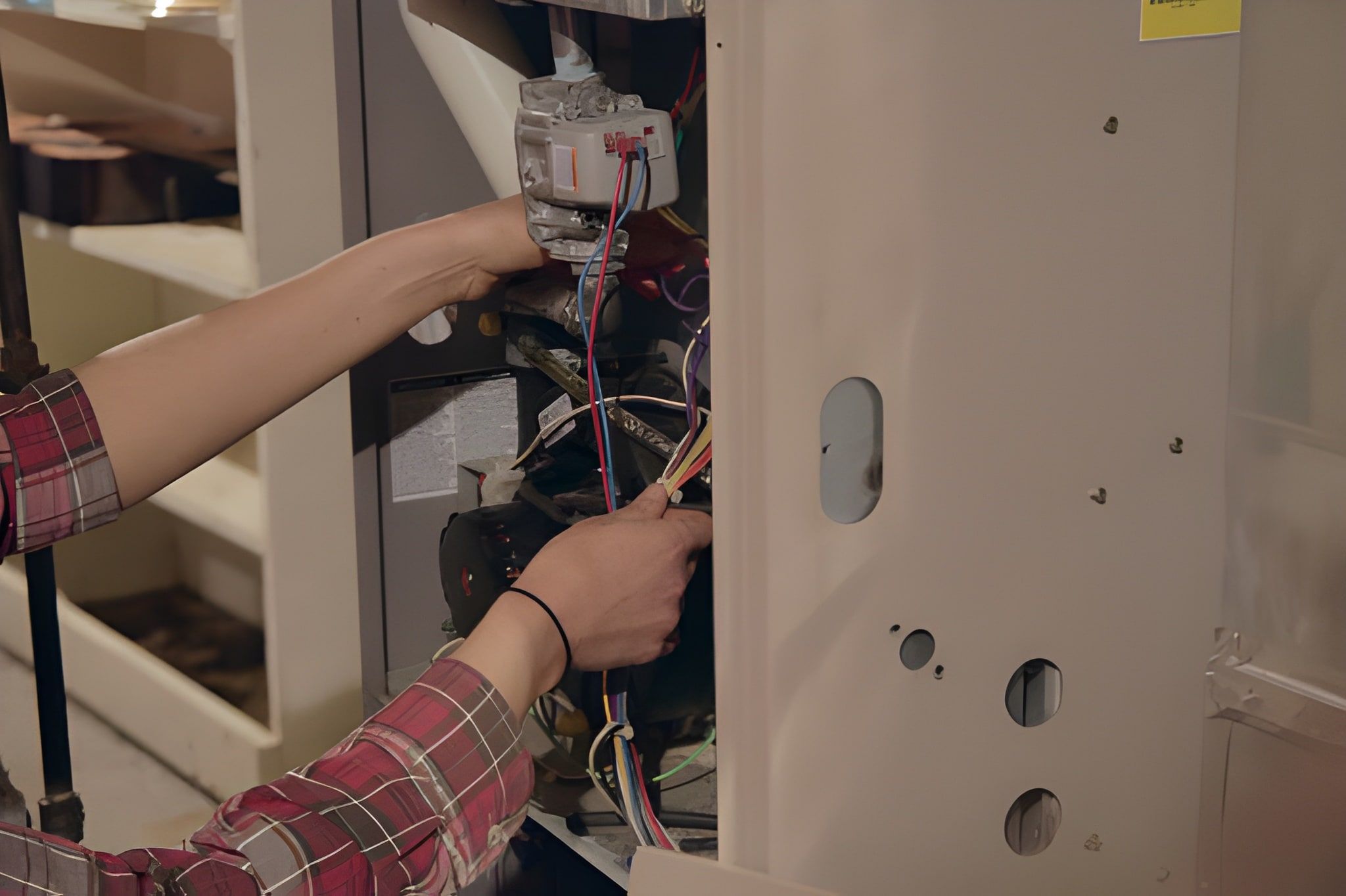
Accurate diagnosis is the cornerstone of reliable repair. Everest Air Heating and Cooling follows a methodical, safety-first approach that reduces unnecessary parts replacement and targets the root cause.
- Initial assessment and safety checks
- Visual inspection of the furnace cabinet, burners, heat exchanger, wiring, and venting.
- Gas leak detection and carbon monoxide screening when applicable.
- Verification of adequate airflow and proper thermostat settings.
- System startup and observation
- Monitor ignition sequence, flame characteristics, burner operation, and inducer motor function.
- Note startup noises, delays, or irregular cycling.
- Electrical and control diagnostics
- Test voltage and current to blower motors, control boards, and relays.
- Inspect capacitors and sensor circuits for wear or failure.
- Combustion analysis and flue inspection
- Check combustion efficiency and flue operation to ensure safe venting.
- Look for signs of soot, improper draft, or obstructions in flues and chimneys.
- Airflow and ductwork evaluation
- Measure static pressure and airflow where issues indicate restricted ducts or underperforming blowers.
- Check for leaky ducts in crawlspaces or attics common in older Tallassee homes.
- Documentation and transparent reporting
- Provide a clear description of findings, prioritized repair recommendations, and a written estimate before starting any work.
This diagnostic workflow allows technicians to recommend targeted repairs that restore safe, efficient operation with minimal disruption.
Typical repair and replacement options
Not every repair requires a full system replacement. Everest Air offers a range of repair options and will recommend replacement only when it is cost-effective and necessary for safety or efficiency.
- Igniter and pilot assembly repair or replacement
- Common for newer electronic ignition systems and older pilot assemblies. Replacing a failed igniter is often a straightforward repair that restores reliable startup.
- Gas valve and control board repair
- Faulty gas valves or control boards can cause intermittent operation. Technicians test and, when needed, replace with factory-equivalent components.
- Blower motor, capacitor, and relay replacement
- Weak airflow or noisy operation often points to blower motor wear or failing capacitors. Replacing the motor or capacitor typically restores performance.
- Heat exchanger repair assessments
- A cracked or severely corroded heat exchanger is a safety concern. Technicians will test for cracks and combustion gas leaks. If the heat exchanger is compromised, replacement of the furnace is often the recommended course due to safety and cost considerations.
- Inducer motor and draft blower repairs
- Problems with the inducer can cause ignition failures and improper venting. Repairs or replacement restore proper combustion flow.
- Thermostat repair or upgrade
- Malfunctioning thermostats can cause false diagnostics. Technicians recalibrate, rewire, or recommend digital/programmable replacements for improved accuracy and efficiency.
- Ignition timing and gas pressure adjustments
- Proper gas pressure and timing are essential for efficient combustion. Everest Air technicians adjust to manufacturer specifications.
- Duct sealing and airflow improvements
- Addressing duct leaks, adding return paths, or balancing dampers can improve heat distribution without replacing the furnace.
- Minor component replacements and Tune-Ups
- Filters, belts, pilot orifices, and sensors are commonly replaced during repairs to ensure reliable operation.
When parts must be replaced, technicians use OEM-equivalent components and explain the expected life and warranty coverage of any new parts.
When replacement is recommended
While many issues are repairable, there are circumstances where replacement is the safer, smarter investment. Typical indicators include:
- Furnace age (often 15 years or older) with recurrent failures
- Repeated major component failures within short intervals
- Significant heat exchanger damage or corrosion
- Poor efficiency leading to rising heating bills despite repairs
- New heating load requirements from home renovations or added living space
Technicians will provide a transparent comparison of continued repair costs versus the benefits of a new high-efficiency system, including estimated energy savings and safety improvements.
Emergency and rapid-response furnace service in Tallassee
Everest Air Heating and Cooling recognizes that some furnace issues constitute emergencies, particularly when safety is involved or when loss of heat poses a risk to occupants.
- What constitutes an emergency
- Persistent strong gas smell inside the home
- Confirmed or suspected carbon monoxide exposure (alarms sounding or symptoms)
- Complete system failure during dangerously cold conditions where occupants cannot safely warm the home
- Electrical arcing or burning odors from the furnace
- Rapid response capability
- Everest Air provides prioritized emergency response to address critical safety and comfort failures. Technicians perform immediate safety triage, secure the system, and make temporary or permanent repairs based on the situation and safety requirements.
- Safe temporary measures
- In situations where immediate full repair or replacement is not feasible, technicians may implement temporary safety measures such as disabling a compromised furnace, providing interim heating recommendations, or arranging priority follow-up service.
Safety is always the first priority. Any service that involves suspected gas leaks or carbon monoxide issues will include checks and documentation to ensure the home is safe before leaving the job site.
Transparent pricing and flat-rate service call details
Transparent pricing is essential to building trust and avoiding surprises during a stressful repair experience. Everest Air Heating and Cooling follows clear pricing practices designed to give homeowners peace of mind.
- Flat-rate diagnostic visit
- The company offers a predictable, flat-rate service call for initial diagnostics. This covers the technician visit, basic testing, and a documented assessment of the problem. If additional work is needed, a clear, written estimate is provided.
- Written estimates before work begins
- Technicians outline recommended repairs, parts required, and labor estimates in writing before starting. When multiple repair routes are possible, you receive comparison information that explains tradeoffs between short-term fixes and longer-term investments.
- No hidden fees and parts transparency
- All parts and labor are itemized on the estimate. Technicians explain warranties, expected lifespans, and any manufacturer-specific considerations.
- Emergency repair transparency
- Emergency or after-hours work is documented with the same clarity as standard repairs. The technician outlines the immediate fix and whether follow-up work is necessary for permanent resolution.
This approach reduces uncertainty and ensures homeowners in Tallassee understand the financial and technical implications of repair options.
Scheduling timely repairs and what to expect
Scheduling repairs at the right time can prevent emergencies and extend the life of your furnace. Here are practical steps and expectations for homeowners in Tallassee.
- Recognize early warning signs
- Unusual noises, reduced heat output, rising utility bills, visible error codes on thermostats or furnaces, and frequent cycling should prompt service before total failure.
- Seasonal planning
- Late fall inspections and Tune-Ups reduce the likelihood of failures during peak demand. Scheduling preventive work before sustained cold weather helps ensure reliable operation.
- Priority scheduling and membership benefits
- Everest Air’s Y.E.T.I Comfort Plan includes priority scheduling benefits during peak season, fall and spring checkups, and discounts on service calls. Membership can be especially valuable for Tallassee homeowners with older furnaces or multiple heating zones.
- Typical service visit timeline
- Diagnostic visit: visual inspection and testing, typically documented within the visit.
- Minor repairs: often completed the same day if parts are on the truck.
- Major repairs or parts that need ordering: technician documents the issue and provides a timeline for returning with replacement parts and completing work.
- Preparing your home for a service visit
- Ensure access to the furnace, clear any stored items from the area, make note of recent performance issues (times, sounds, thermostat behavior), and have thermostat instructions available if known.
Everest Air technicians aim for efficient, respectful service and will leave documentation of the work performed and any follow-up recommendations.
Preventive maintenance and long-term care
Regular maintenance is the most cost-effective way to avoid emergency repairs and extend the life of a furnace. Preventive care is particularly valuable in Tallassee, where seasonal weather swings can stress systems.
- Recommended maintenance tasks
- Twice-yearly Tune-Ups: fall heating checks and spring cooling checks to prepare systems for seasonal loads.
- Filter replacement: check monthly during heavy use and replace or clean according to manufacturer guidance.
- Flue and vent inspection: ensure safe combustion air flow and venting, particularly in older homes with chimney connections.
- Duct inspection and sealing: improve airflow and efficiency by sealing leaks commonly found in crawlspaces and attics.
- Thermostat calibration and zoning checks: confirm proper control and temperature balance throughout the home.
- Benefits of preventive maintenance
- Improved energy efficiency and lower utility bills
- Reduced risk of mid-winter breakdowns
- Cleaner combustion and lower carbon monoxide risk
- Extended equipment lifespan and better indoor comfort
- Y.E.T.I Comfort Plan advantages
- Members receive scheduled checkups, priority scheduling, and service discounts that make ongoing care more predictable and affordable.
Preventive maintenance is an investment in reliability that frequently pays for itself through improved efficiency and fewer emergency repairs.
Why choose Everest Air Heating and Cooling for furnace repair in Tallassee, TN
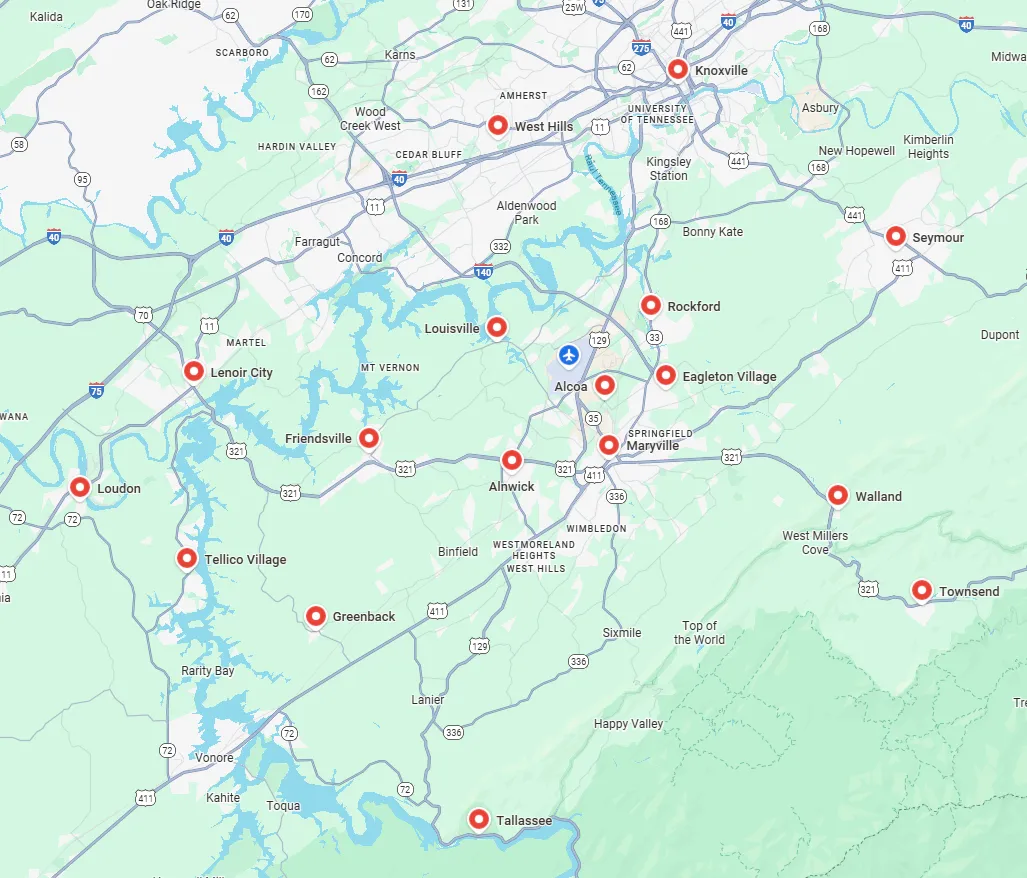
Everest Air Heating and Cooling combines experienced technicians, family-owned service values, and a commitment to transparency and safety. The company serves Knoxville, Maryville, Alcoa, and surrounding counties and brings those regional insights to Tallassee service calls.
- Experienced, licensed technicians
- Everest Air technicians follow industry best practices for diagnostics and repair, using factory-equivalent parts and documented procedures.
- No high-pressure sales and no hidden costs
- The company emphasizes straightforward recommendations, fair pricing, and written estimates so homeowners can make informed decisions.
- Safety-first approach
- Combustion safety checks, carbon monoxide screening, and flue inspections are standard on applicable service calls to protect your family and home.
- Local understanding
- Technicians know local building styles, common duct layouts, and the seasonal demands Tallassee homes face. That regional knowledge helps target the most effective repairs.
- Family-owned service with community values
- Parts and labor are explained clearly, priority scheduling is available through maintenance plans, and the goal is lasting comfort—not a quick fix.
Everest Air Heating and Cooling integrates technical skill with an ethic of fairness and reliability to restore safe, efficient heat for Tallassee residents.
Frequently Asked Questions
Q: How quickly can a technician respond to a furnace emergency in Tallassee, TN?
A: Response times vary by time of day and current job volume. Everest Air prioritizes emergency issues such as suspected gas leaks, carbon monoxide concerns, or total system failure during extreme weather and documents any temporary safety measures taken.
Q: What does a flat-rate service call cover?
A: A flat-rate diagnostic visit typically covers a technician’s travel, a visual inspection, basic system start-up checks, safety tests, and a documented assessment with a written estimate for recommended repairs. Any additional work is itemized and provided in writing before it begins.
Q: Can a cracked heat exchanger be repaired, or does the furnace need replacing?
A: Minor heat exchanger issues sometimes allow for temporary repairs, but a cracked or severely corroded heat exchanger is a safety concern that often warrants full furnace replacement. Technicians will test for combustion gases and advise based on safety and long-term cost-effectiveness.
Q: Are emergency repairs more expensive than regular repairs?
A: Emergency service documentation will clearly outline the work performed and any differences in scheduling or labor. Everest Air follows transparent pricing practices and provides written estimates even for priority or after-hours work to make costs understandable.
Q: How can I reduce the chances of my furnace failing during winter in Tallassee?
A: Schedule a fall Tune-Up, replace filters regularly, enroll in a maintenance plan like the Y.E.T.I Comfort Plan for priority scheduling and checkups, and address small warning signs (noises, cycling, reduced heat) promptly before they escalate.
Q: Does Everest Air service all furnace brands and types?
A: Everest Air services and repairs a wide range of major furnace brands and models. Technicians carry common replacement parts and can source manufacturer-equivalent components as needed for reliable repairs.
Q: What safety checks are performed during a furnace repair visit?
A: Safety checks commonly include combustion inspection, carbon monoxide testing, gas line integrity checks, venting and flue inspections, electrical safety checks, and verifying that safety switches and limit controls are functioning properly.
Q: Should I replace my thermostat during a furnace repair?
A: If the thermostat is old, inaccurate, or incompatible with a new control board or multi-stage furnace, technicians may recommend replacement or upgrade. A properly functioning thermostat is essential for efficient operation and accurate temperature control.
Q: What should I do if I smell gas or suspect a carbon monoxide leak?
A: Evacuate the house, avoid using open flames or electrical switches, and contact emergency services. Once the immediate safety issue is addressed, a qualified HVAC technician will inspect the furnace, venting, and gas lines before restoring operation.
Q: How does the Y.E.T.I Comfort Plan help with furnace care?
A: The Y.E.T.I Comfort Plan provides scheduled seasonal checkups, priority scheduling during peak seasons, and discounts on service calls. These benefits support preventive maintenance and faster response when issues arise.
hear what our satisfied clients have to say

David P.
Service areas