

Furnace Repair in Lenoir City, TN
Keeping your furnace running reliably through East Tennessee winters isn't just about comfort; it's about safety too! When your heat fails, runs inefficiently, or creates unsafe conditions, you need a quick and accurate fix. That's where Everest Air Heating and Cooling comes in. For furnace repair in Lenoir City, TN, our team brings local knowledge, expertly trained technicians, and honest assessments to every service call. We make sure Lenoir City homeowners fully understand the problem, their options, and how a professional repair from Everest Air Heating and Cooling will provide long-term comfort and efficient energy use.
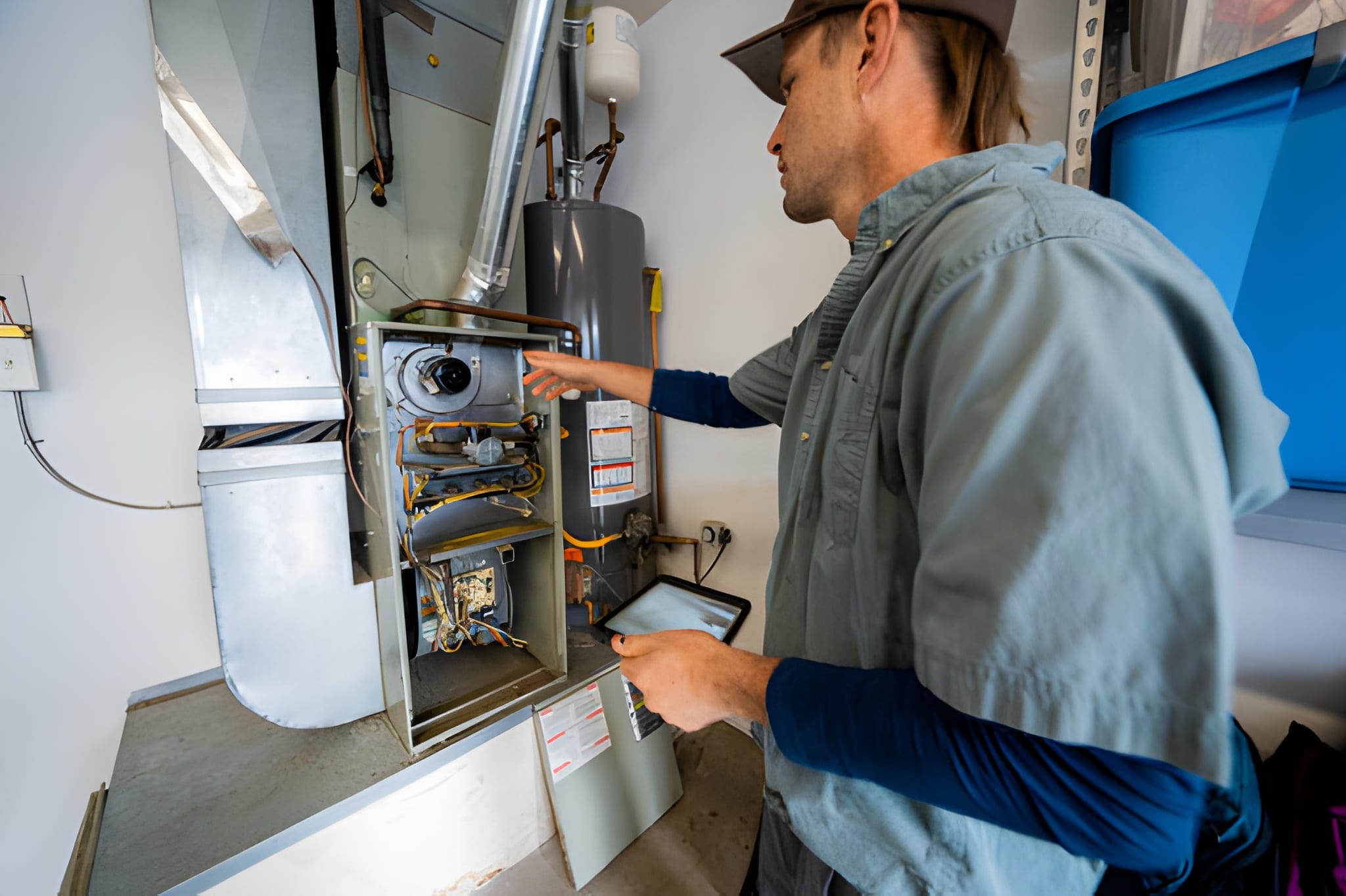
Why furnace repair matters in Lenoir City homes
Lenoir City sits in the foothills with cold snaps, occasional freezes, and humidity swings. These seasonal conditions put stress on furnaces in several ways:
- Repeated start-stop cycles during transitional seasons increase wear on ignition and blower components.
- Humidity and temperature variation can lead to condensation and corrosion in older heat exchangers or control modules.
- Many homes in the area are older or have mixed ductwork, which can amplify airflow and pressure issues when furnace components start failing.
Timely repair preserves efficiency, reduces the chance of sudden breakdowns during the coldest nights, and mitigates risks such as carbon monoxide leaks or electrical failures. Everest Air Heating and Cooling performs careful diagnostics so the right repair is completed the first time.
Common furnace problems in Lenoir City and how we identify them
Homeowners typically call for furnace repair when they notice symptoms. Below are the most common faults and what they usually indicate.
- Ignition issues
- Symptoms: Furnace will not light, lights briefly then shuts down, or repeated clicking without ignition.
- Typical causes: Faulty hot surface igniter, dirty or failing electronic ignition module, gas valve problems, or blocked gas supply.
- Diagnostic focus: Verify gas supply and pressure, test ignition sequence, inspect igniter resistance and control voltages.
- Thermostat faults and control errors
- Symptoms: Furnace cycles improperly, does not reach set temperature, or runs continuously.
- Typical causes: Dead or poorly calibrated thermostat, wiring faults, failed control board, or incorrect settings.
- Diagnostic focus: Check thermostat operation and batteries, measure control signals to the furnace, inspect wiring and control board error codes.
- Blower motor and fan failures
- Symptoms: Limited or no airflow from vents, unusual noises from the blower, overheating, or frequent cycling.
- Typical causes: Worn motor bearings, failed capacitor, belt damage (in older systems), or clogged blower wheel from debris.
- Diagnostic focus: Measure motor current draw, test capacitor health, inspect blower wheel balance and duct restrictions.
- Poor combustion and burner problems
- Symptoms: Yellow or irregular flame, soot buildup, increased fuel bills, or strange odors.
- Typical causes: Dirty burners, blocked venting, improper gas/air mixture, or cracked heat exchanger.
- Diagnostic focus: Visual burner inspection, combustion testing, flue and vent inspection, and heat exchanger integrity checks.
- Safety lockouts and repeated resets
- Symptoms: Furnace goes into lockout or requires resets frequently.
- Typical causes: Recurrent safety trips from flame sensing, limit switch trips due to overheating, or intermittent electrical faults.
- Diagnostic focus: Trace cause of safety trip with sequence-of-operation checks and component testing.
- Short cycling and efficiency loss
- Symptoms: Furnace frequently turns on and off, uneven room temperatures, or rising energy usage.
- Typical causes: Oversized equipment, clogged filters, failing blower motor, or duct leaks and poor airflow.
- Diagnostic focus: Inspect filter and airflow pathways, measure temperature differentials, and check system sizing and sequencing.
- Symptoms: Furnace frequently turns on and off, uneven room temperatures, or rising energy usage.
How a professional diagnostic works
A thorough diagnostic separates a temporary fix from a long-term repair. Everest Air Heating and Cooling follows a structured diagnostic process so you get an accurate diagnosis and a clear repair plan.
- Initial interview and symptom review
- Technician asks about system history, recent changes, and exact symptoms to narrow likely causes.
- Visual inspection
- Examine burner chamber, flame pattern, control board, wiring, blower assembly, filters, vents, and flue.
- Electrical and safety checks
- Test voltage, current draw on motors, capacitor health, thermostat signals, and control board status lights.
- Combustion and venting tests (for gas furnaces)
- Check flame strength and color, measure combustion gases where needed, and inspect venting for blockages or backdraft risks.
- Airflow and pressure testing
- Measure airflow across the evaporator and furnace outlet, inspect ductwork for leaks or restrictions that affect performance.
- Consolidated assessment and repair recommendation
- Provide an explanation of findings, transparent cost breakdown for recommended repairs, and expected outcomes.
This approach ensures repairs focus on root causes and prevents unnecessary part replacements that do not address the underlying problem.
Repairs and parts replacement you can expect
Furnace repairs range from simple component swaps to more involved system repairs. Common repairs include:
- Igniter replacement
- Hot surface igniters are a frequent failure point. Replacing them restores reliable ignition and reduces repeated lockouts.
- Flame sensor cleaning or replacement
- Acidic combustion deposits or misalignment can prevent the furnace from sensing a flame and cause shutdowns.
- Capacitor and motor service
- Replacing a failing capacitor or lubricating and replacing a blower motor restores proper airflow and prevents overheating.
- Control board and limit switch repairs
- Faulty electronics create inconsistent operation. Technicians test and replace control boards and limit switches as needed.
- Gas valve and regulator service
- Gas delivery issues require precise testing and often component replacement by qualified technicians for safety.
- Heat exchanger inspection and repair recommendations
- Cracked heat exchangers are a serious safety concern. If a crack is detected, replacement is usually recommended for safety and code compliance.
- Thermostat replacement or reconfiguration
- Modern thermostats can improve efficiency and comfort. Technicians will advise on compatibility and settings.
All replacement parts used are matched to your furnace model and industry standards. Everest Air Heating and Cooling documents serial numbers and part warranties, and explains the expected lifespan of replaced components.
Emergency and same-day furnace repair options
Loss of heat during cold weather can be urgent. In Lenoir City, where temperature swings and cold snaps can create risk to pipes and vulnerable occupants, emergency response matters. Everest Air Heating and Cooling provides emergency and same-day repair options when safety or severe discomfort is involved. Emergency service prioritizes:
- Systems that will not ignite or produce heat.
- Carbon monoxide alarm activations or suspected flue blockages.
- Homes with elderly residents, young children, or medical needs that require immediate heat.
Same-day service options aim to get you back to safe, comfortable temperatures quickly. Technicians arrive equipped with common replacement parts and professional diagnostic tools so many repairs are completed on the first visit. The goal is fast, safe restoration of function rather than temporary fixes that leave repeated callouts.
Transparent pricing and flat-rate service call details
Transparency in pricing is critical at the decision stage. Everest Air Heating and Cooling offers a flat-rate service call for diagnostic visits, providing a clear, upfront explanation of what the charge covers. The service call covers:
- On-site diagnostic testing and inspection.
- A written explanation of findings and recommended repairs.
- A clear parts and labor estimate for any additional work beyond the diagnostic.
If repairs are approved, technicians present a detailed breakdown of costs so homeowners understand the parts being replaced, labor hours, and warranty terms. While the service call is a fixed fee, repairs are itemized and explained to avoid surprises. This transparent approach helps Lenoir City homeowners compare repair versus replacement realistically and make informed choices.
When to repair and when to replace a furnace
Deciding between a repair and a full system replacement depends on several factors. Everest Air Heating and Cooling evaluates each situation with these considerations:
- Age of the furnace
- Furnaces older than 15-20 years typically have declining efficiency and parts may be harder to source. Replacing an aging system may provide better long-term value.
- Cost of repairs versus remaining life
- A rule of thumb is to compare repair cost against a percentage of the value of replacement. Frequent repairs or a single major repair on an old furnace often favor replacement.
- Energy efficiency and operating cost
- Newer furnaces can deliver significant savings in fuel usage. If your current system has high monthly bills or fluctuating performance, replacement could pay back through lower operating costs.
- Safety concerns
- Cracked heat exchangers, repeated combustion failures, or persistent carbon monoxide risks require replacement prioritization due to safety.
- Comfort and control needs
- If your system cannot deliver consistent comfort, or you want advanced zoning or smart thermostat integration, a new system might be the right upgrade.
- Home changes or renovations
- If you have added space or tightened building envelope, the furnace may be improperly sized and replacement with correct sizing improves comfort and efficiency.
Everest Air Heating and Cooling provides a clear recommendation and pros and cons for repair versus replacement so you can weigh upfront cost against longer term benefits.
What to expect during a service visit
When a technician from Everest Air Heating and Cooling arrives for a furnace repair in Lenoir City, the typical service visit follows a consistent, customer-focused workflow:
- Arrival and inspection
- Technician introduces themselves, confirms symptoms, then performs a visual and operational inspection.
- Diagnostic testing
- Using meters, combustion analyzers (when required), and airflow tools, the technician assesses performance and identifies failing parts.
- Explanation of findings
- Technician explains the problem in plain language, shows any evidence (like corrosion or soot), and outlines repair options.
- Written estimate for repair
- A transparent, itemized estimate is provided for parts and labor for approved repairs.
- Repair work and testing
- Approved repairs are completed by qualified technicians using manufacturer-recommended parts and procedures. Post-repair tests confirm safe operation and performance.
- Documentation and recommendations
- Technician documents the work performed, replacement part information, and provides maintenance suggestions to extend system life.
This predictable, professional approach reduces confusion and ensures safety and performance are restored.
Maintenance tips to reduce repairs and extend furnace life
Regular maintenance reduces the frequency of unexpected repair calls, especially in climates like Lenoir City where seasonal transitions create extra stress on equipment. Effective maintenance includes:
- Change or clean filters every 1-3 months based on use and filter type.
- Schedule professional fall Tune-Ups to inspect ignition, burners, heat exchanger, and controls before winter.
- Keep the area around the furnace clean and unobstructed to ensure proper airflow and service access.
- Maintain proper thermostat settings and check batteries annually in programmable thermostats.
- Ensure venting and chimneys are clear of debris, nests, and obstructions that can block exhaust gases.
- Seal and insulate ductwork in crawlspaces and attics to reduce heat loss and blower strain.
Regular preventive service, such as the Y.E.T.I Comfort Plan, reduces emergency repairs by finding issues early and keeping components operating within manufacturer specifications.
Safety, codes, and carbon monoxide considerations
Gas furnaces require careful attention to combustion and venting to protect occupants. Important safety practices include:
- Install and maintain carbon monoxide detectors on each level of the home and near sleeping areas.
- Do not ignore yellow flames, soot, or signs of corrosion; these can indicate poor combustion or venting failure.
- Only qualified technicians should work on gas valves, burners, and heat exchangers.
- Ensure furnace installations and repairs comply with local code and manufacturer requirements for venting, clearances, and combustion air.
Everest Air Heating and Cooling follows applicable codes and industry standards when performing repairs or recommending replacement to protect your family and property.
Brands, compatibility, and parts sourcing
In Lenoir City, homeowners have systems ranging from older legacy brands to modern high-efficiency units. Everest Air Heating and Cooling services all major furnace manufacturers and sources OEM-equivalent parts when necessary. Technicians verify model numbers and serials, and match replacement parts for proper compatibility. Where upgrades make sense (for example, a new inducer motor or modern control board), technicians explain how improved components affect reliability and efficiency.
Benefits of timely furnace repair
Repairing a furnace promptly when problems appear provides measurable benefits:
- Restored comfort and reliable operation during cold weather.
- Reduced risk of secondary damage like frozen pipes or property-related issues caused by no heat.
- Lower energy bills by eliminating inefficient operation.
- Avoidance of safety hazards through timely identification of combustion or venting problems.
- Longer equipment life and fewer emergency replacements.
Everest Air Heating and Cooling emphasizes long-term value and safety in every repair recommendation rather than quick fixes that lead to repeat failures.
Common furnace repair scenarios for Lenoir City homes
Examples of typical calls handled efficiently include:
- A furnace that clicks but does not ignite due to a failed hot surface igniter. A direct replacement and system calibration restore operation.
- Intermittent heating due to a failing capacitor causing blower motor start problems. Replacing the capacitor and testing load reduces cycling and improves airflow.
- Frequent lockouts caused by a dirty flame sensor. Cleaning or replacing the sensor resolves the safety shutdowns.
- Poor heating after attic insulation upgrades where duct leaks are found. Repairing ducts and adjusting blower settings returns proper distribution of warm air.
- Sooty burner flames caused by restricted venting. Cleaning the flue and correcting the vent path restores proper combustion.
Each scenario begins with a diagnostic to confirm the cause and ends with clear documentation of what was done and why.
FAQs
Q: How long does a typical furnace repair visit take?
A: Most diagnostic visits last 30 to 60 minutes. Repair time depends on the issue and parts required; many common component replacements are completed within 1 to 3 hours when parts are on hand.
Q: Do you recommend repairing older furnaces?
A: Repairs that restore safe operation and reasonable efficiency are appropriate for systems with expected remaining life. If the furnace is more than 15 years old, has repeated failures, or shows signs of a cracked heat exchanger, replacement is often the safer, more economical long-term solution.
Q: Are emergency visits available in Lenoir City during cold snaps?
A: Emergency and same-day service options are available for unsafe conditions, total heating loss, or for homes with vulnerable occupants. Technicians prioritize these requests to restore safe heating quickly.
Q: What information should I provide when scheduling a diagnostic?
A: Share your furnace make and model if known, the symptoms you observe, how long the problem has occurred, and whether carbon monoxide alarms or unusual odors are present. This helps technicians prepare and bring likely replacement parts.
Q: Will you replace parts with manufacturer-approved components?
A: Yes. Technicians use OEM or manufacturer-recommended equivalent parts to ensure compatibility and maintain system reliability. Part warranties and expected service life are provided with replacements.
Q: How can I reduce the likelihood of emergency furnace repairs?
A: Regular maintenance, changing filters routinely, scheduling a professional fall Tune-Up, and keeping vents and combustion air supply clear are the best ways to reduce emergency repairs and extend equipment life.
Q: How do you decide between repair and replacement?
A: The decision is based on furnace age, cost of repairs versus remaining equipment life, safety concerns, energy efficiency losses, and the homeowner's comfort and financial goals. A transparent estimate and recommendation help homeowners make informed choices.
Q: Do you service electric and gas furnaces?
A: Yes. Technicians are trained and equipped to diagnose and repair both gas and electric furnaces, including blower motors, control systems, thermostats, and electrical components.
Everest Air Heating and Cooling brings local expertise, clear diagnostics, and transparent service practices to furnace repair in Lenoir City, TN. By focusing on root-cause diagnosis, proper parts replacement, and safety-first procedures, repairs restore comfort and protect your home and family throughout Tennessee winters. Regular maintenance and prompt attention to symptoms keep systems running efficiently and help you avoid emergency breakdowns when you need heat most.
hear what our satisfied clients have to say

David P.
Service areas