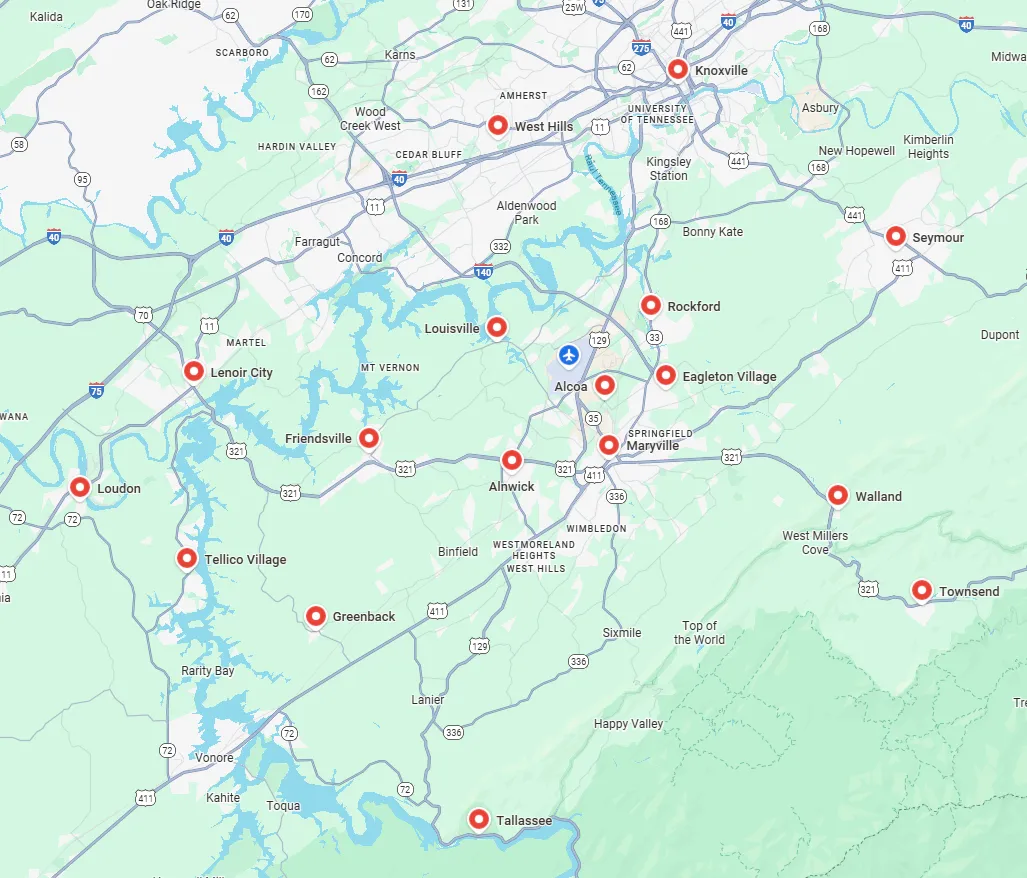


Furnace Repair in Alnwick, TN
A reliable furnace is truly essential for keeping your home safe and comfortable during those chilly Alnwick winters. Here at Everest Air Heating and Cooling, we approach furnace repair in Alnwick, TN with a clear focus: fast, accurate diagnosis, professional repairs done right to manufacturer standards, and straightforward pricing so you always know what to expect. Whether your system is making strange new noises, struggling to warm your home evenly, or raising safety concerns, trust our team at Everest Air Heating and Cooling to perform the right repair quickly. This not only reduces immediate costs but also helps prevent minor issues from escalating into a full replacement.
.jpeg)
Why timely furnace repair matters in Alnwick, TN
Alnwick sits in East Tennessee where winter temperatures can swing from mild to sharply cold overnight. Older homes, seasonal humidity, and homes with less modern insulation put extra demand on heating systems. When a furnace begins to decline, small problems become expensive fast: reduced efficiency raises fuel bills, failing components can damage other parts of the system, and safety risks such as carbon monoxide exposure or gas leaks become more likely. Prompt repairs restore comfort and protect your family and investment.
Common furnace failure symptoms in Alnwick homes
Recognizing symptoms early helps you get the right service faster. These are the most common signs homeowners in Alnwick report:
- Furnace will not start or no heat at all
- Furnace runs but cycles on and off frequently (short cycling)
- Weak or uneven airflow in rooms, or cold spots
- Unusual noises: banging, rattling, squealing, or grinding
- Burning or electrical smells when the furnace runs
- Pilot light that will not stay lit or electronic ignition failures
- Higher than usual gas or utility bills
- Visible rust, corrosion, or cracks on the heat exchanger or flue
- Thermostat not responsive or not matching set temperature
- Blower fan that does not run or runs intermittently
- Increased dust or poor indoor air quality
Many of these symptoms are common across brands and models, but the underlying causes vary. A careful diagnostic process identifies the root cause rather than simply treating symptoms.
Diagnostic procedures: How our technicians find the root cause
Everest Air Heating and Cooling follows a methodical diagnostic routine designed to diagnose issues efficiently, safely, and with minimal disruption to your home. Typical diagnostic steps include:
- Initial interview and symptom review
- We document what you are seeing, when the issue started, any recent service, and whether symptoms are intermittent or constant.
- Visual and safety inspection
- Inspect exterior cabinet, vents, flue connections, and visible ductwork for blockages, rust, or damage.
- Check for gas smell and confirm carbon monoxide detector status.
- Thermostat and control checks
- Verify thermostat settings, batteries, wiring connections, and control board error codes. Rule out programming or simple control issues first.
- Electrical system assessment
- Test breakers, fuses, and incoming power to the furnace. Inspect wiring for loose connections or burned terminals.
- Combustion and ignition evaluation
- For gas furnaces: inspect pilot assembly or electronic ignitor, gas valve operation, and supply pressure when necessary.
- Test flame quality and stability to check for issues with the burner assembly or gas pressure.
- Heat exchanger and flue inspection
- Look for cracks, corrosion, or signs of combustion gas leakage. A compromised heat exchanger is a critical safety concern.
- Blower and air handling diagnosis
- Test blower motor operation, capacitor condition, belt (if applicable), and blower wheel integrity. Inspect and measure airflow at vents to detect duct restrictions or motor weakness.
- Component testing and measurement
- Use multimeters, manometers, and other diagnostic tools to verify voltages, current draw, and pressures. Compare readings to manufacturer specifications.
- Filter and ductwork assessment
- Check filter condition and perform a basic duct evaluation to identify restrictions, leaks, or severe obstructions that amplify furnace symptoms.
- System performance check
- Run the furnace through a full cycle to observe startup behavior, combustion, cycling patterns, and temperature rise across the heat exchanger.
This diagnostic routine is designed to isolate the primary failure and identify any secondary issues. Clear documentation of findings allows a transparent repair plan.
Typical causes we encounter in Alnwick and what they indicate
- Dirty or clogged air filter: Reduced airflow, overheating, short cycling, poor heat delivery.
- Faulty thermostat or sensor: Incorrect temperature reading, system not calling for heat.
- Ignitor or pilot failure: Furnace fails to light or lights intermittently.
- Malfunctioning gas valve: No gas delivery to burners, safety lockouts.
- Worn blower motor or bad capacitor: Weak airflow, noisy operation, blower not starting.
- Failing control board or relays: Intermittent operation, erratic behavior, error codes.
- Cracked heat exchanger: Safety hazard, requires fast action and often replacement.
- Blocked flue or venting issues: Poor combustion air, flame instability, safety shutdowns.
- Duct leaks and restrictions: Uneven heating and wasted energy.
- Age-related component fatigue: Frequent failures in older systems due to wear.
Understanding the cause helps us recommend the most cost-effective, safety-focused solution rather than suggesting unnecessary replacement.
On-site part replacement and repair workflow
When a repair is necessary, Everest Air Heating and Cooling follows a consistent workflow that emphasizes safety, workmanship, and clarity:
- Provide a clear repair plan
- After diagnostics, we present the issue, explain why it occurred, and outline the repair options. We include the parts required, estimated labor steps, and warranty information for parts and labor.
- Parts selection and compatibility
- We use OEM parts whenever available and appropriate. For some systems we may recommend high-quality aftermarket components that meet or exceed manufacturer specs. Compatibility with your specific make and model is verified before installation.
- On-site repair process
- Secure the work area and protect flooring and household surfaces.
- Isolate power and shut off gas if required, following safety protocols.
- Replace or repair failed components: ignitors, gas valves, control boards, motors, capacitors, burners, inducer motors, or other parts as needed.
- Reassemble and restore utilities, then perform a full system startup and safety check.
- Performance verification
- Confirm proper ignition, stable flame, correct temperature rise, and adequate airflow. Measure pressures and electrical draws when needed to ensure the repair meets manufacturer operating parameters.
- Safety and combustion testing
- For gas systems we validate combustion efficiency and check for carbon monoxide with calibrated instruments. We confirm flue draft and vent integrity.
- Post-service documentation
- Provide a summary of work performed, parts installed, and any recommendations for follow-up maintenance. Explain any warranty coverage on parts and labor.
- Clean-up and final inspection
- Leave the area clean and perform a final walkthrough to ensure the homeowner understands the repair and any preventive steps to avoid recurrence.
This workflow reduces callbacks and restores reliable, efficient operation.
Emergency and after-hours furnace repair in Alnwick
Furnace failures do not always happen during business hours. Emergency issues such as loss of heat in subfreezing nights, gas smell, or suspected carbon monoxide exposure demand rapid attention. Everest Air Heating and Cooling maintains protocols for emergency response that include:
- Prioritizing safety issues: Reports of gas smells, carbon monoxide alarms, or smoke receive immediate triage and guidance over the phone.
- After-hours triage and guidance: When a technician cannot immediately dispatch, we provide step-by-step safety instructions to secure the area until help arrives.
- Rapid dispatch options for critical failures: For documented safety emergencies, technicians trained in emergency response will mobilize with safety equipment and diagnostic tools.
- Temporary safe measures: In cases where a full repair cannot be completed immediately, we may implement temporary safe fixes or advise on safe temporary heat sources until a permanent repair can be completed.
In all emergency scenarios, safety checks take precedence over expedient fixes. The goal is to eliminate immediate hazards and restore safe operation.
Transparent pricing and flat-fee diagnostics
Clear, fair pricing is central to trust. Everest Air Heating and Cooling uses transparent pricing principles tailored to furnace repair in Alnwick, TN:
- Flat-fee diagnostics
- A predictable diagnostic fee covers the technician’s visit, inspection, diagnostic testing, and a written repair estimate. This fee ensures a thorough diagnosis and is applied to the repair package if you proceed.
- Detailed estimates
- Estimates list parts, labor time, and warranty terms. Where parts are required, we note brand and whether the parts are OEM or aftermarket equivalents.
- No hidden costs
- We disclose labor rates and how additional work beyond the original estimate will be handled. Any necessary permit costs, code compliance work, or specialty parts are itemized.
- Warranties explained
- Parts and labor warranty durations are clearly stated for each repair item. We explain what is covered and typical actions should a component fail under warranty.
Knowing the likely investment up front helps homeowners choose between repair and replacement based on transparent facts rather than pressure or surprise charges.
Brand compatibility and experience with major manufacturers
Everest Air Heating and Cooling services and repairs a broad range of furnace brands and models commonly found in Alnwick homes. Our technicians are trained to work on:
- Goodman and Amana
- Lennox
- Rheem and Ruud
- Trane and American Standard
- Carrier and Bryant
- York
- Heil and Bryant
- Bryant and other regional brands and older legacy units
Even if your unit is older or discontinued, experienced diagnostic work often identifies repairable issues and possible modern component substitutions. We follow manufacturer service literature when available and maintain stock of commonly used parts for quick turnaround.
What to expect during a professional repair visit
Homeowners can expect a professional, safety-first service visit that includes:
- Punctual arrival by a trained technician in uniform
- Respectful treatment of your home and protective measures for floors and work areas
- A step-by-step explanation of findings and options before any work begins
- Use of proper tools and test instruments to ensure lasting results
- Final system checks and documentation of work performed and warranty terms
This approach reduces uncertainty and ensures the repair is durable.
Common questions about furnace repair in Alnwick, TN
Q: How long will a typical furnace repair take?
A: Repair time varies by the issue. Minor component replacements like ignitors or capacitors can often be completed in one visit, typically 1 to 3 hours. More complex tasks such as heat exchanger repair or extensive control board diagnostics may require additional time or parts orders and will be explained in the estimate.
Q: Can you repair older or discontinued furnaces?
A: Yes. Many older furnaces can be repaired successfully. We evaluate whether a repair is safe and cost-effective versus recommending replacement. For obsolete parts, we explore compatible aftermarket or remanufactured parts that meet industry safety standards.
Q: Will a repair increase energy efficiency?
A: Repairing worn or failed components often restores system efficiency by ensuring proper combustion, airflow, and control operation. Cleaning burners, replacing capacitors or motors, and sealing duct leaks all improve efficiency. For older systems, efficiency gains may be modest; we will outline realistic outcomes.
Q: What should I check before calling for service?
A: Before a technician arrives, check these items:
- Thermostat settings and batteries
- Circuit breaker or fuse for the furnace
- Filter condition and replace if clogged
- Clear vents and registers of obstructions
Record any error codes displayed on the furnace or thermostat to share with the technician.
Q: How do you handle parts and warranties?
A: We install new parts with documentation and provide warranty details for both parts and labor. When using OEM parts, manufacturer warranties may apply in addition to our labor warranty. We will review the warranty terms with you before starting work.
Preventive steps to reduce future furnace repairs
Routine attention reduces the chance of emergency failures. Preventive measures include:
- Regular filter changes during the heating season
- Annual professional Tune-Up and safety inspection
- Keep vents and returns clear and unobstructed
- Seal and insulate accessible ductwork in conditioned spaces
- Install and test carbon monoxide detectors near sleeping areas
- Maintain good airflow around the furnace cabinet and outdoor vents
- Address unusual noises or cycling early before they escalate
Everest Air Heating and Cooling can explain a maintenance schedule that keeps your system operating safely and efficiently.
Safety considerations specific to gas furnaces
Gas furnaces require particular attention due to combustion safety concerns:
- Carbon monoxide risk: Any suspicion of CO should be treated as an emergency. Use a detector and follow evacuation protocols if alarms trigger.
- Heat exchanger integrity: Cracks can allow combustion gases into the home; a compromised heat exchanger often necessitates replacement.
- Gas leak response: If you smell gas, evacuate immediately and follow local emergency protocols. Do not operate electrical switches or call from inside the home.
- Proper venting: Blocked or improperly installed vents cause incomplete combustion and backdrafting.
Safety assessments are a fundamental part of every gas furnace repair.
Long-term benefits of timely furnace repair
Investing in timely repairs yields benefits beyond immediate comfort:
- Lower operating costs from improved efficiency
- Extended system life by avoiding collateral damage from failed components
- Improved indoor air quality with restored airflow and filtration
- Reduced safety risks through validated combustion performance and venting
- Predictable maintenance budgets with fewer emergency repairs
These benefits matter in Alnwick where winter swings and older housing can place extra demands on heating systems.
Why homeowners in Alnwick trust expert furnace repair
Experience, transparency, and safety-focused repairs build trust. Everest Air Heating and Cooling combines trained technicians, clear diagnostics, and a consistent repair workflow that aligns with manufacturer practices and local code requirements. Our goal with furnace repair in Alnwick, TN is to restore reliable heat and make the repair process straightforward and understandable.
If you are comparing repair options, focus on technicians who provide a written diagnostic, transparent pricing, documented warranty coverage, and a safety-centered approach. Those elements reduce surprises and ensure the repair you get is the right one for your home and your budget.
hear what our satisfied clients have to say

David P.
Service areas