

Furnace Maintenance in West Hills, TN
When winter arrives in West Hills, TN, a reliable furnace isn't just a luxury – it's a necessity for true comfort. Ensuring your furnace is in top condition is key to avoiding unexpected breakdowns when temperatures drop. Regular maintenance not only helps keep your family warm but also reduces energy consumption and protects against potential safety hazards like carbon monoxide. At Everest Air Heating and Cooling, we understand the unique demands placed on furnaces in West Hills. That's why we provide comprehensive, seasonally focused furnace maintenance, designed to address the specific climate stresses and common wear patterns we frequently see across Knox County and surrounding areas. For dependable warmth and peace of mind, count on Everest Air Heating and Cooling.
Why routine furnace maintenance matters in West Hills, TN
West Hills experiences a range of seasonal temperatures and humidity levels that stress heating equipment. Winters bring sustained cold spells, rapid temperature swings between day and night, and high demand periods that reveal weak components. Spring and fall transitions can stir up dust, pollen, and debris that clog filters and burners. Regular furnace maintenance reduces the impact of these local factors by keeping combustion systems clean, controls calibrated, and airflow balanced.
Beyond comfort, maintenance is about safety and cost control. A properly tuned furnace operates more efficiently, which lowers energy bills and reduces wear on parts. Routine inspections identify small issues before they become costly failures, and documented maintenance often supports manufacturer warranty requirements and resale value for your home.
Common furnace problems in West Hills homes
Homeowners in West Hills frequently encounter the same set of furnace issues. Recognizing these problems early can make maintenance and repairs more effective:
- Dirty or clogged filters restricting airflow, leading to short cycling and reduced efficiency.
- Soiled burners and flame sensors causing weak ignition or intermittent shutdowns.
- Cracked or corroded heat exchangers presenting a carbon monoxide risk and reduced heating performance.
- Faulty draft or exhaust vents blocked by leaves, nesting materials, or debris.
- Worn blower motors or bearings producing noise and uneven airflow.
- Thermostat calibration problems causing inaccurate temperature control and wasted energy.
- Electrical connection failures producing intermittent operation or safety trips.
- Gas pressure issues or ignition failures resulting in no heat or rough starting.
- Condensate line clogs or improper drainage in high-efficiency furnaces, causing system lockouts.
What a comprehensive furnace maintenance visit includes
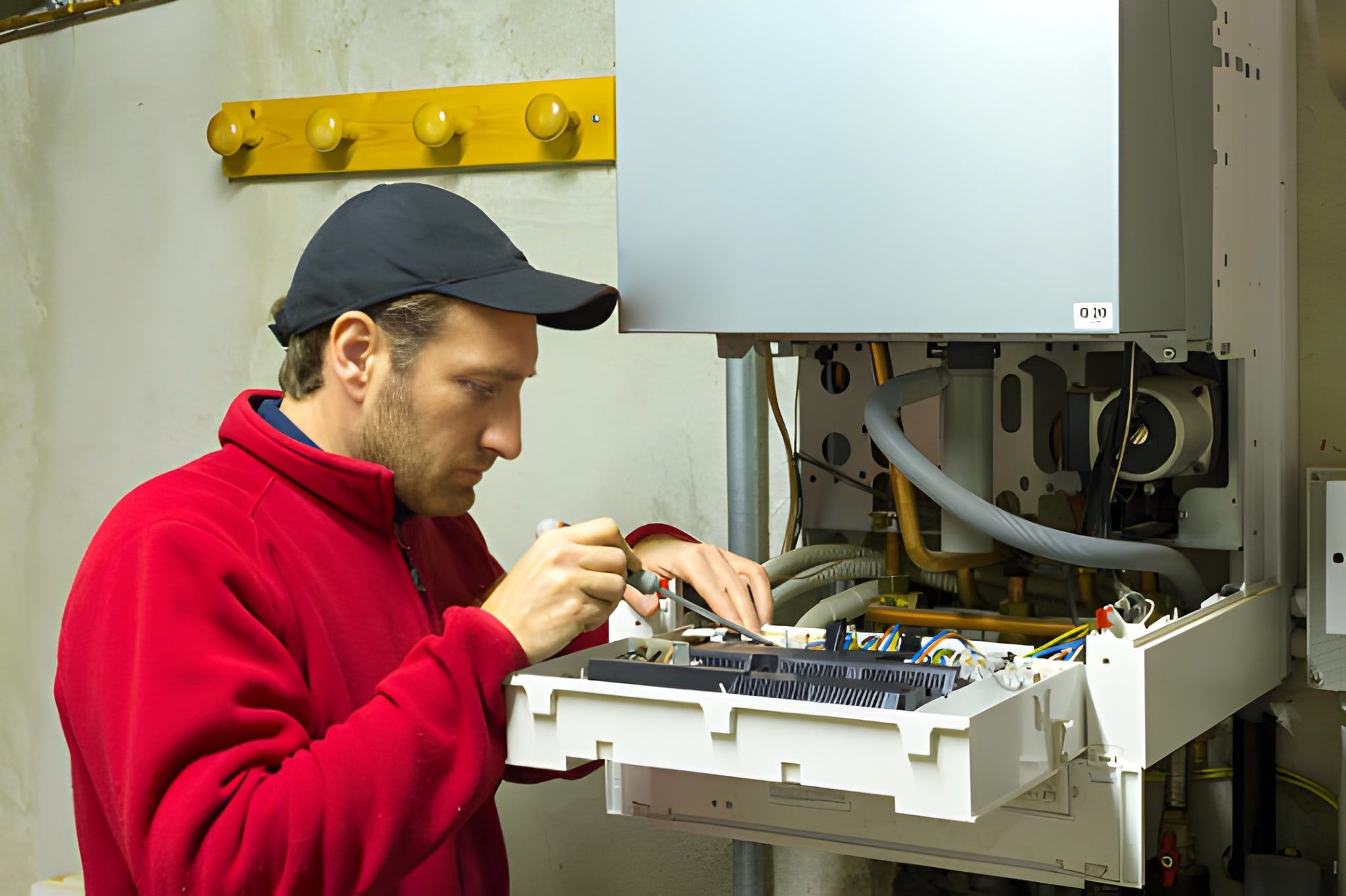
Everest Air Heating and Cooling follows a methodical checklist during each maintenance visit to ensure safety, reliability, and efficiency. A thorough furnace maintenance service typically covers:
- Visual inspection of the furnace cabinet, venting, and surrounding area for obstruction, corrosion, or safety hazards.
- Replacement or inspection of air filters and recommendations for the correct filter type and change interval for your home.
- Cleaning of burners, pilot assemblies, and flame sensors to ensure consistent ignition and complete combustion.
- Inspection and cleaning of the heat exchanger to check for cracks, corrosion, or soot buildup that can indicate combustion issues.
- Combustion and carbon monoxide testing to verify safe operating levels and proper venting of exhaust gases.
- Measurement of gas pressure and manifold pressure checks to confirm proper fuel delivery.
- Testing of safety controls including limit switches, pressure switches, and rollout switches.
- Electrical system check including secure connections, proper voltage, and inspection of capacitors and relays.
- Blower assembly inspection and cleaning, including belt checks where applicable, to optimize airflow and reduce strain on motors.
- Thermostat calibration and verification of system sequencing to ensure accurate on/off control and consistent comfort.
- Ductwork inspection at accessible points for signs of leaks, disconnections, or restricted airflow.
- Flue and venting inspection for blockages, corrosion, or improper termination that can impair exhaust.
- Lubrication of moving parts where recommended by the manufacturer to reduce friction and wear.
- Operational test run and performance checks, including checking temperature rise across the heat exchanger and listening for abnormal noises.
Each step is performed with attention to manufacturer specifications and local code considerations to maintain safety and efficiency.
How technicians diagnose problems — the step-by-step process
A reliable diagnosis is the foundation for effective maintenance and repair. Everest Air Heating and Cooling technicians follow a proven process during each visit:
- Initial walk-through and homeowner interview to identify symptoms, recent changes, and any unusual sounds or smells.
- Safety checks with the furnace powered off: inspection of gas lines, visible wiring, and vent terminations.
- Filter inspection and basic cleaning to restore proper airflow before testing.
- Power-on functional checks to observe startup sequence, ignition performance, and any error codes.
- Combustion analysis using calibrated instruments to measure CO levels, oxygen content, and flame characteristics.
- Electrical testing for proper voltage, amperage draw on motors, and stability of control circuits.
- Airflow measurement including return and supply checks and temperature rise calculations to verify efficient heat transfer.
- Focused inspection of suspect components identified during testing, such as motors, heat exchangers, or ignition modules.
- Clear documentation of findings and prioritized recommendations for repair or replacement if needed.
This diagnostic approach ensures small issues are caught early and fixes are targeted, reducing the chance of repeat failures.
Cleaning and component care: what gets attention
Cleaning during maintenance is not cosmetic. Built-up dirt and soot change combustion characteristics, reduce heat transfer, and create safety risks. Maintenance typically includes:
- Burner and flame sensor cleaning to restore reliable ignition.
- Heat exchanger cleaning and inspection to ensure efficient heat transfer and detect hairline cracks or corrosion.
- Blower wheel and housing cleaning to restore balanced airflow and reduce motor load.
- Pilot or ignition system cleaning to eliminate misfires and rough starts.
- Vent and flue cleaning at accessible points to prevent exhaust blockage.
- Cleaning condensate pans and clearing drain lines on high-efficiency systems to avoid overflow and microbial growth.
Regular cleaning extends component life and improves fuel-to-heat conversion, which matters in a climate with heavy seasonal use.
Safety and efficiency testing explained
Every furnace maintenance visit includes safety and efficiency tests designed to protect your household and ensure smooth operation:
- Carbon monoxide testing: Measures CO levels in flue gas to confirm complete combustion and safe venting. Any elevated CO reading prompts immediate further action.
- Temperature rise testing: Compares incoming return air and outgoing supply air to verify the furnace is operating within the manufacturer specified range.
- Combustion efficiency and oxygen testing: Ensures fuel is burning completely and the system is not wasting energy.
- Safety control validation: Tests limit switches, pressure switches, rollout sensors, and other safeties that prevent dangerous operating conditions.
- Ignition and pilot testing: Verifies reliable ignition under real operating conditions, including multiple start-stop cycles.
- Electrical system load testing: Confirms motors and relays are drawing expected current without undue strain.
These tests not only ensure safe operation but also help identify components that are wearing out before they fail.
Recommended maintenance schedule for West Hills households
Consistent, seasonal maintenance keeps furnaces reliable across West Hills winters. Everest Air Heating and Cooling recommends:
- Annual fall furnace inspection and Tune-Up before the heating season starts. This is the most important check to prepare for heavy use.
- Spring inspection for high-efficiency units and to prepare for summer downtime, especially if your system also integrates with air conditioning or humidification systems.
- Filter checks and changes every 1 to 3 months depending on filter type, household pets, and indoor air quality needs.
- Midseason check for older systems or homes with heavy usage patterns, particularly after an extended cold snap.
- Immediate inspection after any unexpected shutdowns, unusual noises, persistent odors, or spike in energy bills.
Regular scheduling reduces emergency repairs and keeps equipment running at peak efficiency.
Y.E.T.I Comfort Plan membership benefits
Everest Air Heating and Cooling’s Y.E.T.I Comfort Plan packages are designed to make maintenance predictable and valuable for homeowners in West Hills. Membership benefits focus on priority care and preventive value, including:
- Fall and spring scheduled checkups to keep both heating and cooling systems ready for seasonal transitions.
- Priority scheduling designed to get members serviced sooner during peak demand periods.
- Discounted service pricing for members for eligible repairs and labor.
- Reminder notifications for scheduled maintenance to ensure timely upkeep.
- Documentation of maintenance visits to support warranty compliance and home resale records.
- Peace of mind from consistent, professional inspections that identify safety concerns before they escalate.
These membership benefits reduce downtime risk and make it simpler to maintain a comprehensive maintenance regimen tailored to your home.
How maintenance extends equipment life and reduces breakdowns
Routine maintenance is the single most effective investment for prolonging a furnace lifespan and reducing emergency service calls. Proper upkeep has several measurable benefits:
- Reduced mechanical stress: Clean components and proper lubrication reduce friction and prevent premature motor and bearing failure.
- Improved combustion stability: Clean burners and accurate gas pressure minimize corrosive byproducts and heat exchanger stress.
- Lower operating temperatures: Proper airflow and balanced combustion reduce thermal stress on the heat exchanger and other components.
- Early detection of faults: Inspections catch small leaks, cracked heat exchangers, or failing ignition components before they cause system shutdowns.
- Maintained efficiency: Regular Tune-Ups preserve operational efficiency, reducing fuel consumption and wear from constant cycling.
Across the industry, well-maintained systems routinely last several years longer than neglected ones. For homeowners in West Hills, consistent maintenance translates directly into fewer urgent repairs during cold stretches and steadier energy costs.
Local considerations for West Hills, TN
Everest Air Heating and Cooling tailors services to local patterns in West Hills and greater Knox County. Factors we account for include:
- Seasonal pollen and debris that can clog filters quickly in spring and early summer.
- Periods of sustained winter demand that reveal marginal components on aging systems, making fall inspections especially important.
- Older homes with legacy ductwork or furnace installations that require careful verification of venting and combustion safety.
- Humidity swings that influence combustion and condensate behavior in high-efficiency furnaces, necessitating regular condensate checks.
- Outdoor flue and intake terminations susceptible to leaf, seed pod, or animal nesting blockages.
Technicians consider these local factors while performing inspections and providing recommendations so West Hills homeowners get system care that anticipates common regional issues.
Simple homeowner checks between professional visits
Between professional maintenance visits, homeowners can perform basic actions to preserve furnace health:
- Replace or inspect air filters every 1 to 3 months depending on household conditions.
- Keep the area around the furnace clear of storage and combustibles to maintain proper airflow and safety.
- Ensure supply and return vents are not obstructed by furniture or curtains to prevent uneven heating.
- Check that outdoor vent terminations are free of debris, snow, or nesting material.
- Test carbon monoxide detectors monthly and replace batteries as needed to ensure safety.
- Monitor energy bills and indoor comfort for sudden changes that can indicate reduced efficiency or a developing issue.
These proactive practices reduce strain on the system and improve the effectiveness of professional maintenance.
Documentation, warranties, and resale value
Documented maintenance visits from a qualified provider like Everest Air Heating and Cooling support warranty compliance and strengthen the resale profile of your home. Many manufacturers require regular maintenance to keep warranties valid. Keeping receipts and detailed service records demonstrates responsible equipment stewardship and can be a positive factor when selling a home in West Hills. Regular maintenance reports also help future technicians understand the service history and make informed decisions about repairs or replacements.
What to expect from Everest Air Heating and Cooling technicians
Everest Air Heating and Cooling brings family-owned values and industry expertise to every maintenance visit. Expect technicians who:
- Arrive prepared to perform a thorough inspection in line with manufacturer recommendations.
- Use calibrated diagnostic tools for combustion analysis, electrical testing, and airflow measurement.
- Explain findings clearly in plain language and document conditions and recommended next steps.
- Respect your home by protecting floors, wearing shoe covers when required, and leaving the workspace clean.
- Prioritize safety checks and provide honest recommendations based on system condition and homeowner goals.
Technicians combine practical experience with a focus on long-term reliability tailored to West Hills households.
Cost versus benefit: why maintenance is an investment
While maintenance has a cost, it should be viewed as an investment that pays back in three primary ways:
- Reduced emergency repair costs by catching problems early.
- Lower fuel costs through improved efficiency and fewer short cycles.
- Extended equipment life and delayed capital expenditure on system replacement.
In most cases, the cumulative savings on energy and avoided emergency repairs offset the cost of routine maintenance over the life of the system.
Preparing for maintenance visits
A few simple preparations improve the efficiency of a maintenance visit:
- Ensure access to the furnace, thermostat, and exterior vent terminations.
- Make a list of any recent issues or symptoms such as noises, odors, or uneven heating.
- Note any recent changes in energy bills or household occupancy that might affect system load.
- Keep pets secured during the visit to allow technicians to work safely and efficiently.
Technicians will handle the technical work, but homeowner cooperation helps maximize the value of each visit.
Long-term planning and replacement signals
Maintenance also informs long-term decisions. Regular inspections reveal trends in part failures, heat exchanger condition, and overall system efficiency. Common signals that point toward considering replacement include:
- Repeated component failures or frequent costly repairs.
- Significant decline in combustion efficiency or persistent carbon monoxide concerns.
- Consistent inability to maintain comfort despite repairs.
- Age of system combined with rising energy bills and reduced capacity.
- Heat exchanger damage or corrosion that compromises safety.
Maintenance reports from Everest Air Heating and Cooling provide the factual basis to weigh repair versus replacement decisions with confidence.
FAQs
Q: How often should I schedule furnace maintenance for a home in West Hills, TN?
A: Annual professional inspections are recommended, with a fall Tune-Up before heavy winter use being most important. For older systems or homes with heavy usage, a spring follow-up or midseason check can be beneficial. Replace filters more frequently, generally every 1 to 3 months depending on filter type and household conditions.
Q: What does a standard furnace maintenance visit include?
A: A comprehensive visit includes filter inspection and replacement recommendations, burner and heat exchanger cleaning, combustion and carbon monoxide testing, electrical system checks, blower and airflow inspection, thermostat calibration, vent and flue inspection, lubrication of moving parts, and a full operational test to confirm safe and efficient performance.
Q: Will maintenance reduce my heating bills?
A: Yes. Proper cleaning, correct gas pressure, and optimized airflow help the furnace operate at intended efficiency, which typically reduces fuel consumption compared to a neglected system. Maintenance also reduces short cycling and component stress that can cause higher energy use.
Q: Can furnace maintenance prevent carbon monoxide leaks?
A: Routine combustion testing and heat exchanger inspections significantly reduce the risk of undetected carbon monoxide leaks by identifying combustion problems and heat exchanger cracks early. However, no service can guarantee zero risk, so functioning carbon monoxide detectors in the home are essential.
Q: How long does a maintenance visit take?
A: Most comprehensive furnace maintenance visits take about 60 to 90 minutes depending on the system type, its condition, and any additional diagnostics that may be necessary.
Q: Does regular maintenance affect my manufacturer warranty?
A: Many manufacturers require periodic professional maintenance to keep warranty provisions valid. Keeping detailed service records from a qualified provider like Everest Air Heating and Cooling helps ensure compliance with warranty terms.
Q: What is the Y.E.T.I Comfort Plan and how does it help homeowners?
A: The Y.E.T.I Comfort Plan is a membership program that provides seasonal fall and spring checkups, priority scheduling during peak times, documentation of maintenance, reminder notifications, and discounts on eligible services. It is designed to make preventive maintenance convenient and cost-effective.
Q: My furnace smells like something burning when it first starts for the season. Is that normal?
A: A light, short-lived dust burn-off odor during the first run after a period of inactivity can be normal, but persistent burning smells, metallic odors, or electrical smells should be inspected immediately as they can indicate an underlying problem.
Q: What can I do between professional visits to keep my furnace healthy?
A: Change or check filters regularly, keep vents and returns unobstructed, ensure outdoor vent terminations are clear, test carbon monoxide detectors, and monitor for unusual noises or a sudden rise in energy bills. These steps reduce strain on the system and make professional visits more effective.
Q: Are Everest Air Heating and Cooling technicians certified?
A: Everest Air Heating and Cooling technicians are trained professionals who follow industry best practices, use calibrated diagnostic tools, and document findings. Their approach balances family-owned service values with technical expertise tailored to local West Hills homes.
Everest Air Heating and Cooling approaches furnace maintenance as a cornerstone of home comfort and safety. Regular, professional upkeep protects families, conserves energy, and extends equipment life while addressing the specific seasonal and environmental conditions homeowners face in West Hills, TN. Detailed inspections, targeted cleaning, and safety testing provide the confidence that your heating system will perform reliably when you need it most.
hear what our satisfied clients have to say

David P.
Service areas