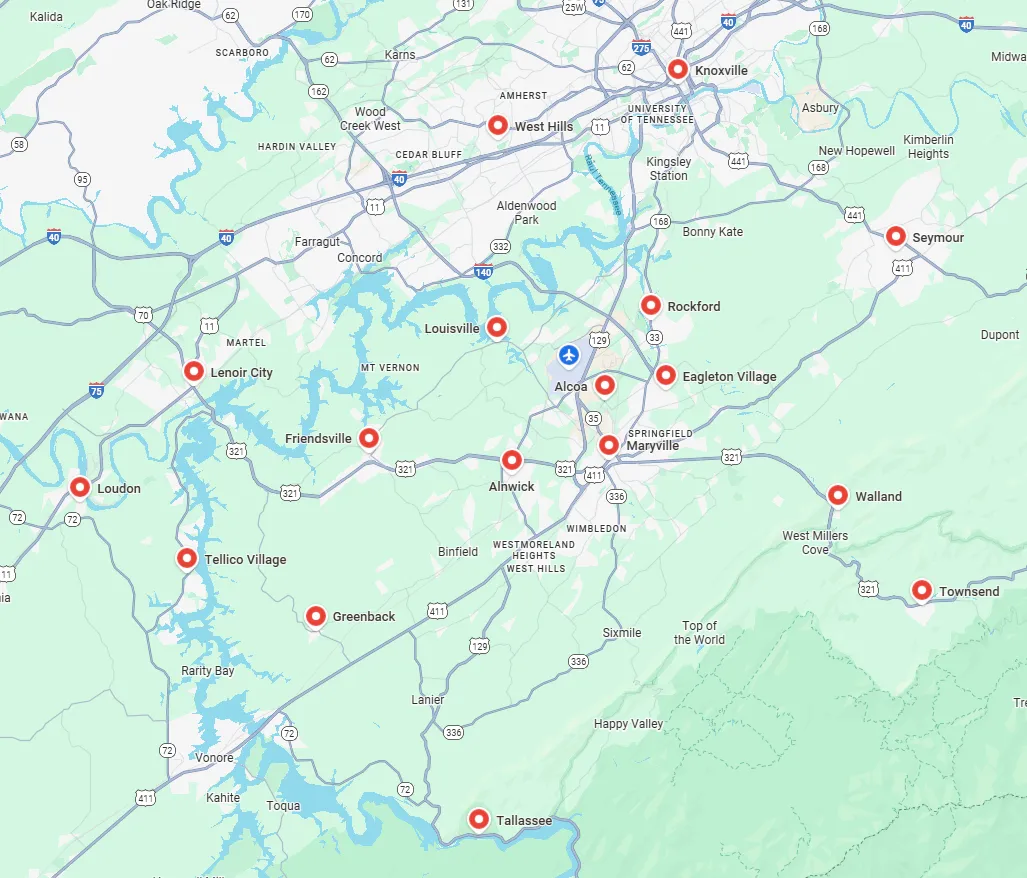


Furnace Maintenance in Tallassee, TN
For homes in Tallassee, TN, keeping your furnace running safely and efficiently isn't just nice to have; it's absolutely essential for your comfort and your budget. Everest Air Heating and Cooling offers thorough furnace maintenance services specifically designed for our local climate, diverse home styles, and the common system issues we encounter across Blount and neighboring counties. Consistent, professional maintenance from our team significantly reduces unexpected breakdowns during those sudden cold snaps, boosts your energy efficiency, extends the life of your equipment, and safeguards your family from dangers like carbon monoxide. We'll explain what routine furnace maintenance includes, common problems we frequently see in Tallassee homes, our detailed step-by-step inspection and service process, recommended schedules (including the fantastic benefits of the Y.E.T.I Comfort Plan), and the dependable results you can count on with consistent care from Everest Air Heating and Cooling.
Why furnace maintenance matters in Tallassee, TN
Tallassee experiences humid summers and cool to occasionally freezing winters. That climate pattern affects both the cooling and heating seasons. High humidity and heavy pollen seasons increase filter loads and can accelerate dust and debris buildup inside furnace cabinets. Winter weather increases runtime and stress on older systems, making pre-winter inspections especially important. In older houses common to the region, duct leakage, poor insulation, and dated furnaces are frequent contributors to poor performance and uneven heat distribution. Professional furnace maintenance addresses these local factors so your system runs reliably when you need it most.
What routine furnace maintenance includes
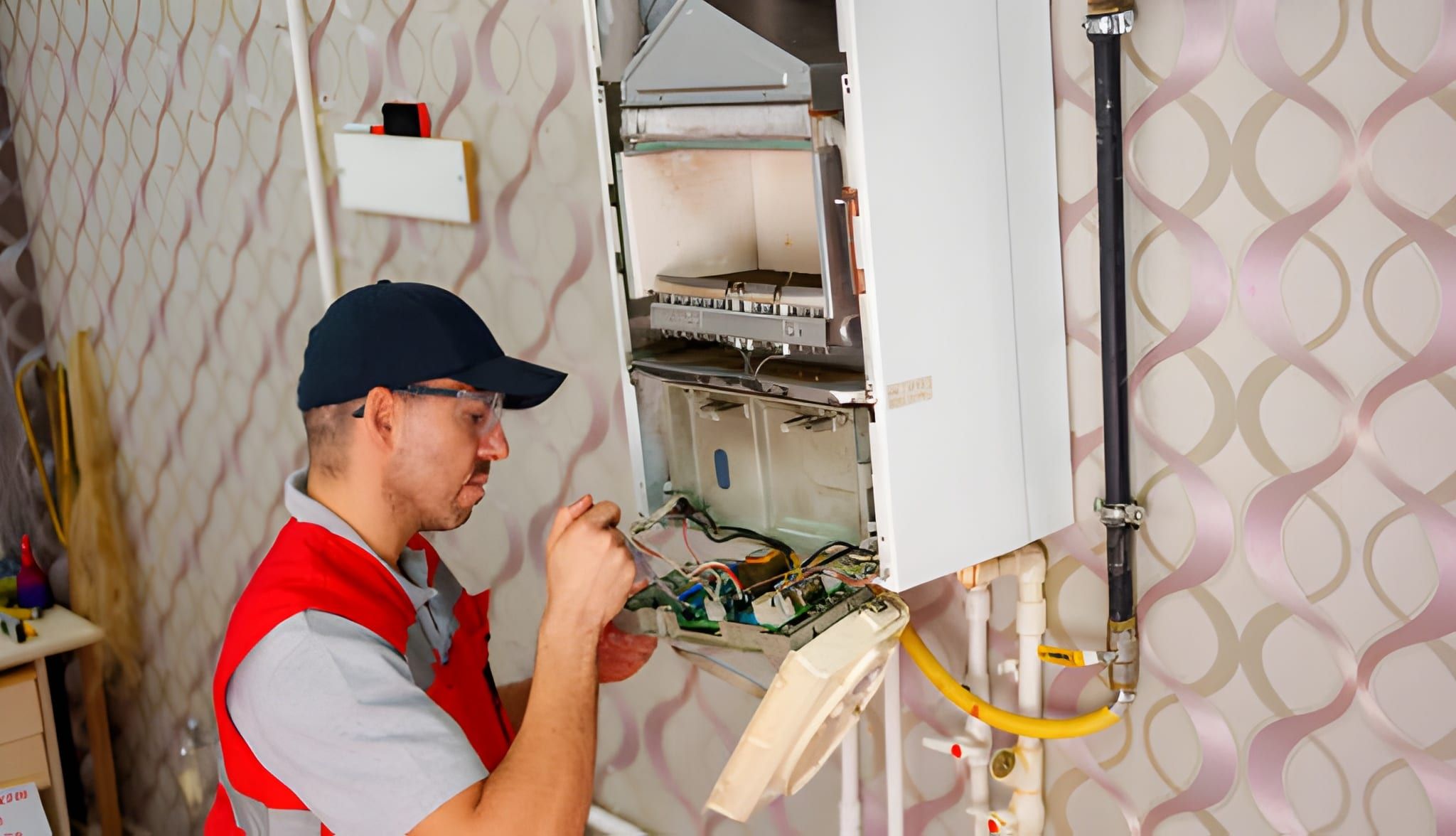
A professional furnace maintenance visit covers multiple components and safety checks. Everest Air Heating and Cooling follows a comprehensive checklist to restore peak performance and find small problems before they become major repairs.
Typical maintenance tasks include:
- Visual inspection of the furnace cabinet, vents, and nearby ductwork
- Filter inspection and replacement with the appropriate size and MERV rating
- Cleaning of burners, pilot assembly, or ignition components
- Combustion and venting inspection for safe exhaust and no blockages
- Carbon monoxide testing and confirmation of detector placement and function
- Electrical system check: wiring, fuses, connections, and safety interlocks
- Blower motor inspection, cleaning, and lubrication as applicable
- Belt inspection and replacement if worn (on belt-driven blowers)
- Gas pressure and burner flame adjustments for efficient combustion
- Thermostat calibration and control checks to ensure correct cycling
- Condensate drain inspection on high-efficiency furnaces
- Measurement of system operating temperatures and airflow for baseline performance data
Each service includes documentation of findings and recommendations so homeowners understand condition, safety, and any suggested next steps.
Common furnace maintenance issues in Tallassee homes
Understanding the most common issues helps you prioritize maintenance. The following problems are frequently found during Tune-Ups in this area:
- Dirty or clogged filters: Humidity, pollen, and pet dander mean filters load faster in Tallassee. Restricted airflow causes higher energy use and uneven heating.
- Ignition failures and dirty burners: Soot, dust, and insects can interfere with reliable ignition or cause yellow or erratic flames.
- Weak airflow: Clogged return vents, dirty blower wheels, or leaking ducts reduce heated air delivery to rooms.
- Short cycling: The furnace runs in short bursts due to thermostat issues, oversized systems, restricted airflow, or ignition problems. Short cycling increases wear and energy use.
- Pilot or flame sensing problems: Thermocouples and flame sensors can fail or become coated, preventing normal operation.
- Improper venting or flue problems: Creosote, bird nests, or debris can obstruct exhaust paths, increasing safety risks.
- Aging components: Motors, capacitors, and heat exchangers degrade over time. Identifying wear early avoids sudden failures.
- Corrosion on heat exchangers or venting, common in older units that have seen many seasons of humid summers and cold winters.
Addressing these during routine maintenance prevents emergency repairs during cold weather and helps maintain heating efficiency.
The maintenance process: what technicians do and why it matters
A professional furnace Tune-Up is methodical. Everest Air Heating and Cooling technicians follow an established process so nothing is missed. Here is what a typical visit includes and what each step protects:
- Pre-inspection and safety check
- Verify carbon monoxide detector presence and battery status
- Confirm gas shutoff accessibility and visually inspect for leaks
- Why it matters: Prevents safety hazards before any work begins
- Power and control verification
- Check thermostat settings, batteries, and control signals
- Inspect electrical connections and fuses
- Why it matters: Ensures the system starts and stops reliably
- Filter replacement and basic cleaning
- Replace disposable or clean reusable filters
- Remove surface dust from access panels and controls
- Why it matters: Restores airflow and reduces stress on blower motors
- Burner, ignition, and combustion checks
- Clean burners, inspect ignition system, and confirm proper flame pattern
- Perform combustion analysis if applicable to measure efficiency and safe CO levels
- Why it matters: Optimizes fuel use and checks for dangerous emissions
- Blower assembly service
- Inspect blower wheel, motor, and belts; lubricate bearings if applicable
- Measure static pressure and airflow where feasible
- Why it matters: Improves distribution, reduces noise, and lowers energy use
- Heat exchanger and venting inspection
- Visual check for cracks, holes, or corrosion; inspect flue and chimney for blockages
- Why it matters: Protects against dangerous combustion gases entering the living space
- Safety controls and limit switches
- Test high-limit switches, rollout sensors, and other safety interlocks
- Why it matters: Confirms system will shut down safely if a hazard occurs
- Final testing and documentation
- Confirm proper startup, steady operation, and thermostat response
- Provide a concise service summary of findings and recommended next steps
- Why it matters: Leaves a record and baseline for future comparisons
This systematic approach reduces the chance of overlooked issues and produces tangible performance improvements.
Filter replacement: choices, frequency, and Tallassee specifics
Filters are among the easiest and most important homeowner-maintained components. In Tallassee, seasonal pollen and humidity mean filters may need changing more often than in drier climates.
Recommendations:
- Basic fiberglass filters: Replace every 1 month during heavy-use seasons. These protect equipment but offer limited filtration.
- Pleated filters (MERV 8 to 11): Replace or check every 2 to 3 months depending on pet presence and pollen counts. They balance airflow with improved filtration.
- Higher MERV or HEPA-style filters: Use caution with high-MERV filters in older systems. They can restrict airflow if the blower is not sized to handle increased resistance. Replace or clean per manufacturer guidance.
Considerations specific to Tallassee:
- Homes with pets or heavy pollen exposure may need filter changes more frequently, particularly in spring.
- High humidity increases the chance of microbial growth on filters; check and replace more often if you notice musty odors.
- A professional maintenance visit will confirm the right filter type and replacement frequency for your furnace model and duct layout.
Safety and efficiency checks every season
Safety checks are nonnegotiable parts of furnace maintenance. Technicians will test for carbon monoxide, verify proper combustion, and ensure ventilation is clear. Efficiency checks include measuring temperature rise across the heat exchanger, confirming proper gas pressure and flame quality, and inspecting system settings so the furnace runs at intended cycles.
Small calibrations during routine maintenance—thermostat reprogramming, adjusting fan settings, or reducing short cycling—translate into lower monthly heating bills and a quieter, more comfortable home.
Lubrication, cleaning, and parts that extend equipment life
Moving parts require attention. During a maintenance visit, technicians will:
- Lubricate motors and bearings where serviceable
- Clean blower wheels to restore balanced airflow
- Tighten mechanical connections and mounting hardware to reduce vibration
- Inspect and replace worn gaskets and access panel seals to prevent air leakage
- Check belts and pulleys, replacing or adjusting as needed
These relatively small services reduce motor strain, avoid premature failures, and keep the system running quietly and efficiently.
Recommended maintenance schedule and the Y.E.T.I Comfort Plan
For most Tallassee homes, a minimum of one annual furnace inspection before the heating season is essential. Best practice is two seasonal checkups:
- Fall heating Tune-Up: Inspect and tune before the first extended cold period.
- Spring transition check: Prepare the system for the cooling season, clean components, and address any wear detected during winter.
Everest Air Heating and Cooling’s Y.E.T.I Comfort Plan is built around these seasonal needs and includes benefits tailored to homeowners who want predictable service and lower long-term costs. Plan features include:
- Fall and Spring checkups to prevent seasonal breakdowns
- Priority scheduling for maintenance and service
- Documented inspection reports and maintenance history
- Discounts on diagnostic and repair services as specified in plan details
- Peace of mind through consistent, trained technician visits
A maintenance plan removes guesswork and ensures a documented maintenance history, which can be valuable for homeowners assessing system condition or preparing for resale.
Expected outcomes from professional maintenance
When furnace maintenance is performed regularly, homeowners in Tallassee can expect measurable benefits:
- Increased reliability: Fewer emergency repairs and reduced likelihood of a mid-winter failure
- Lower energy bills: Properly tuned systems and clean components can reduce heating energy use by up to 10 to 15 percent compared with neglected systems, depending on age and condition
- Longer equipment life: Routine care can extend the service life of a furnace by multiple years by preventing excessive wear and early component failures
- Better indoor comfort: Consistent airflow and properly adjusted controls reduce hot and cold spots and improve overall comfort
- Improved indoor air quality: Cleaner filters and components reduce dust, pollen, and allergens circulated through your home
- Enhanced safety: Regular carbon monoxide testing and vent inspections reduce the risk of hazardous conditions
These outcomes are the result of a disciplined maintenance routine performed by trained professionals who document findings and act to preserve system performance.
When maintenance reveals repair or replacement needs
Not every maintenance visit ends with only filter changes and a cleaning. Sometimes inspections reveal parts that should be replaced or a system that has reached the end of practical service life. Common indicators that repair or replacement may be appropriate include:
- Repeated failures of major components such as the blower motor, heat exchanger, or control board
- Heat exchanger damage or cracks, which present safety concerns
- Frequent and escalating repair costs over a short period
- System age: Most furnaces have a useful life of 15 to 20 years depending on maintenance history and use. As systems near the end of that range, replacement becomes more cost-effective than frequent repairs.
- Poor efficiency even after servicing: If operating efficiency remains low, an older furnace may be unable to meet modern efficiency expectations.
During maintenance, technicians will provide an honest assessment and, if necessary, a transparent explanation of repair versus replacement tradeoffs, including expected benefits and lifecycle considerations.
Practical homeowner tips between professional visits
There are simple things homeowners can do to protect their furnace between professional Tune-Ups:
- Replace standard filters monthly during heavy-use seasons and check pleated filters every 60 to 90 days
- Keep vents and returns unobstructed by furniture, curtains, or storage
- Ensure the furnace area is clear of flammable liquids and stored items
- Maintain space around the outdoor venting and exhaust terminations to prevent nesting and blockages
- Set the thermostat to energy-smart schedules and avoid frequent, large setpoint changes that promote short cycling
- Test carbon monoxide detectors at least monthly and replace batteries when needed
- Address uneven heating by checking for closed vents or blocked returns before assuming a major problem
These practices complement professional maintenance and help the furnace operate efficiently and safely.
What you receive after a maintenance visit
A professional maintenance visit should conclude with clear documentation. Typical deliverables include:
- A concise service report listing inspections performed and measurements taken
- A list of any parts replaced and reasons for replacement
- Identified issues that require attention, categorized by urgency
- Estimated remaining useful life or recommendations for future planning
- Notes on energy performance and whether the system is operating to expected specifications
This record becomes part of your home maintenance history and helps make informed decisions about repairs or upgrades over time.
Why choose Everest Air Heating and Cooling for furnace maintenance in Tallassee, TN
Everest Air Heating and Cooling brings a local perspective and family-owned accountability to furnace maintenance. Technicians understand how Tallassee climate, pollen cycles, and local housing styles affect furnace performance. The company emphasizes trained technicians, transparent documentation, and maintenance plans that align with homeowner needs. Service philosophies focus on no shortcuts in quality and clear explanations so homeowners know what work was performed and why. For Tallassee homes, that local focus translates into practical recommendations tailored to regional conditions rather than one-size-fits-all checklists.
Frequently Asked Questions
Q: How often should I have my furnace maintained in Tallassee, TN?
A: Annual professional maintenance is the minimum recommendation, with a best practice of two seasonal checkups - one in the fall before heating season and one in the spring after high-use months. Homes with pets, high pollen, or heavy furnace use may benefit from more frequent visits or filter checks.
Q: What is included in a typical furnace Tune-Up?
A: A Tune-Up usually includes filter replacement, burner and ignition inspection and cleaning, blower motor and wheel cleaning and lubrication, combustion and venting checks, safety control testing, thermostat calibration, and a final operational test with a documented report.
Q: Will furnace maintenance lower my energy bills?
A: Yes. A properly maintained furnace often uses less energy because it operates more efficiently. Typical savings from maintenance versus a neglected system range up to 10 to 15 percent, depending on your system age, condition, and home insulation.
Q: How long does a professional maintenance visit take?
A: Most routine furnace maintenance visits take about 45 minutes to 90 minutes, depending on system type and any issues found. High-efficiency condensing units may require additional checks for condensate components.
Q: Can I replace the filter myself between visits?
A: Yes. Replacing or checking the filter regularly is an effective way to protect your furnace. Use the filter type recommended for your system and change frequency based on usage and local pollen or dust levels.
Q: How do I know if my furnace needs repair or replacement?
A: Indicators for replacement include frequent major component failures, a cracked heat exchanger, system age approaching 15 to 20 years, or poor efficiency even after servicing. Technicians can provide a repair versus replace analysis during maintenance visits.
Q: Does furnace maintenance include carbon monoxide testing?
A: Yes. Carbon monoxide testing and inspection of combustion and venting pathways are standard safety checks during professional furnace maintenance.
Q: What is the Y.E.T.I Comfort Plan and how does it help?
A: The Y.E.T.I Comfort Plan is a maintenance program offering seasonal checkups, priority scheduling, documented inspections, and discounts on specified services. It provides consistent maintenance, scheduling convenience, and predictable service benefits for homeowners.
Q: Are there differences in maintaining older furnaces versus newer models?
A: Older furnaces may require more frequent attention to components like motors and controls, and some older systems are more susceptible to efficiency losses and wear. Newer high-efficiency furnaces have additional components like condensate traps and more complex controls that require specific checks.
Q: Is it safe to work on gas furnace components myself?
A: No. Gas furnace components, combustion systems, and venting should be serviced by trained professionals. Incorrect handling can create safety hazards, including gas leaks and carbon monoxide exposure.
Q: What can I do immediately if my furnace stops working during cold weather?
A: Check basic items first such as thermostat batteries and settings, circuit breakers, and filter condition. For gas furnaces, verify the gas supply is on and do not attempt complex repairs. Professional diagnostics are recommended to ensure safe restoration of service.
hear what our satisfied clients have to say

David P.
Service areas