

Furnace Maintenance in Lenoir City, TN
Keeping your furnace running reliably all through those Lenoir City winters really comes down to professional, routine maintenance. Here at Everest Air Heating and Cooling, we provide detailed furnace maintenance services specifically designed to cut down on breakdowns, boost efficiency, and most importantly, keep your family safe. We're happy to walk you through exactly what a professional furnace Tune-Up from Everest Air Heating and Cooling includes, explain why seasonal inspections are so crucial for homes in Lenoir City, TN, and show you how this regular care can truly extend your equipment's life while helping you avoid those costly emergency repairs.
Why furnace maintenance matters in Lenoir City, TN
Lenoir City sits in East Tennessee where winters bring cool to cold temperatures and high-humidity summers that affect how HVAC systems perform year round. Furnaces in this area face specific stresses: homes often experience fluctuating indoor humidity and outdoor pollen and dust that build up in return ducts; seasonal power outages or brownouts can strain electronic controls; and older homes common to the region may have older ductwork and less insulation that forces the furnace to run longer.
Regular furnace maintenance combats these local challenges by ensuring safe combustion, proper airflow, accurate controls, and clean components. A well-tuned furnace uses less energy, produces more consistent heat, and is far less likely to fail on a freezing morning. For homeowners in Lenoir City, reliable maintenance is also about safety: keeping burners and heat exchangers clean and checking for carbon monoxide risks are non negotiable steps.
Common furnace problems in Lenoir City homes
- Uneven heating or cold rooms: Often caused by restricted airflow, dirty filters, imbalanced ducts, or failing blower motors. Local pollen and attic dust can accelerate airflow reduction.
- Rising energy bills in winter: Dirty burners, miscalibrated thermostats, and worn components reduce efficiency and increase runtime.
- Short cycling: Furnace turns on and off frequently due to clogged filters, faulty limit switches, or overheating from restricted airflow.
- Hard starts or failed ignition: Electronic igniters and pilot controls wear over time, and voltage fluctuations can shorten component life.
- Strange odors when heating starts: Burnt dust or minor combustion byproducts may cause smells. Persistent fuel or rotten egg odors indicate a gas leak and require immediate professional attention.
- Unusual noises: Rattling, squealing, or banging can stem from loose panels, worn belts, or failing motors. These noises often precede larger failures.
- Carbon monoxide concerns: Cracked heat exchangers or improper venting can let combustion gases escape into the home. This is a critical safety issue in any region, including Lenoir City.
- Frequent service calls: Repeated repairs often point to neglected maintenance or impending system replacement.
Each of these problems is common across many homes, but Lenoir City conditions like seasonal pollen, older ductwork, and variable electricity make timely maintenance especially important.
What a professional furnace maintenance visit includes
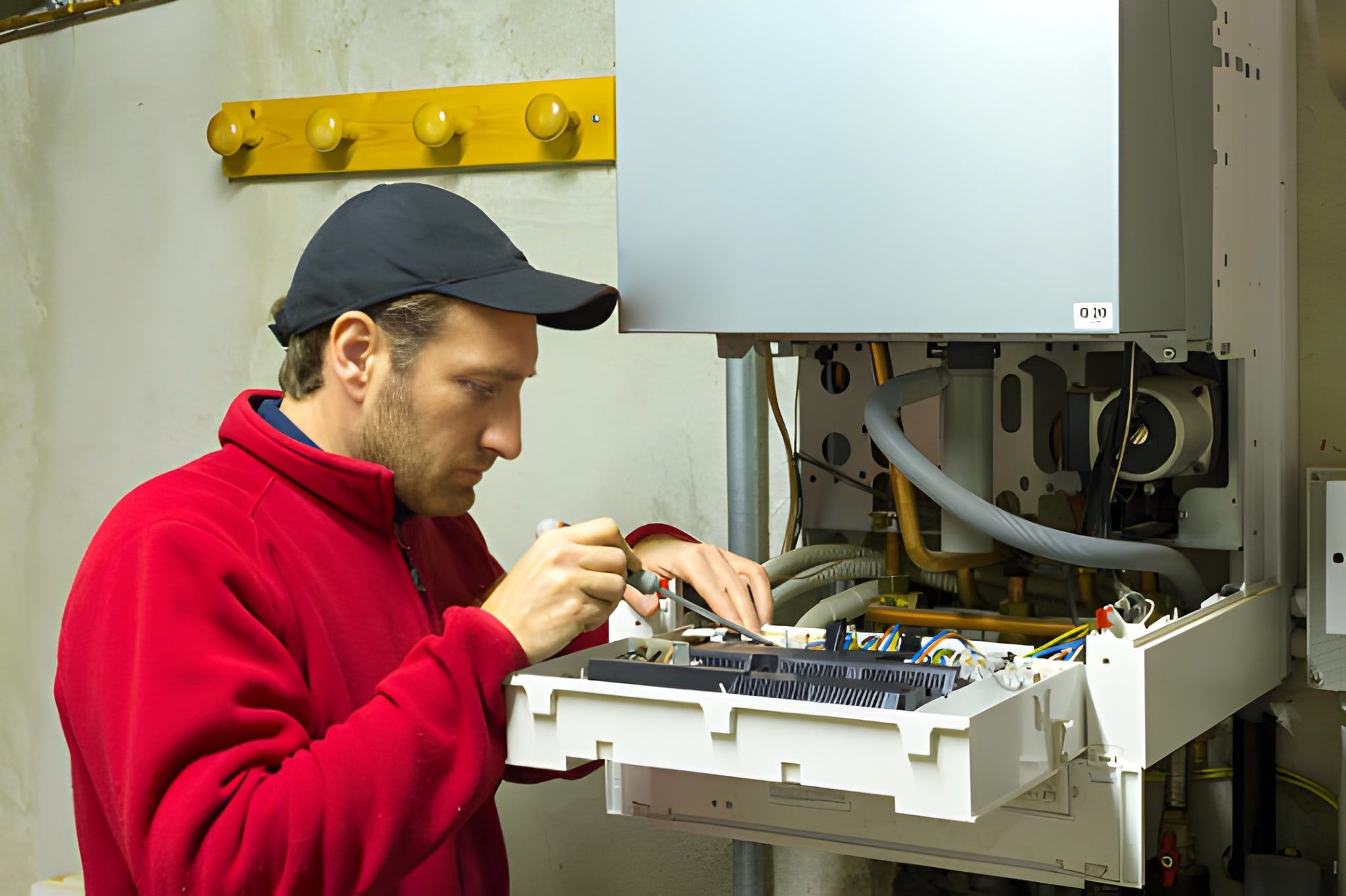
A comprehensive maintenance visit from Everest Air Heating and Cooling follows a structured checklist that focuses on safety, efficiency, and longevity.
- Visual inspection and operational check
- Inspect the furnace cabinet, panels, and mounting for corrosion, loose hardware, or visible damage.
- Run a controlled start up and observe the sequence: thermostat call, ignition, burner operation, blower start, and shutdown.
- Filter inspection and replacement guidance
- Check filter type and condition. Recommend replacement schedules based on filter type and household needs:
- Disposable fiberglass filters: check monthly, replace every 30 days.
- Pleated filters (standard home use): check every 1 to 3 months, typically replace every 60 to 90 days.
- High efficiency filters or HEPA: follow manufacturer guidance, often 90 days, but more frequent replacement for homes with pets or heavy pollen.
- Clean or recommend replacement for reusable filters.
- Check filter type and condition. Recommend replacement schedules based on filter type and household needs:
- Burner and combustion area cleaning
- Clean burners and burner ports to ensure even flame pattern and efficient combustion.
- Remove soot and debris from combustion chamber to reduce hot spots and improve heat transfer.
- Heat exchanger inspection and cleaning
- Visual and, when indicated, more detailed inspection of the heat exchanger for cracks, corrosion, or signs of leakage. A cracked heat exchanger is a safety concern and a maintenance visit will document findings for repair or replacement.
- Clean accessible surfaces to improve heat transfer efficiency.
- Safety checks and carbon monoxide testing
- Check flue and venting to ensure proper draft and secure connections.
- Test for carbon monoxide at the furnace and in return-air locations using industry standard meters.
- Verify operation of safety devices including limit switches, rollout switches, and gas shutoff valves.
- Electrical and control system check
- Tighten electrical connections and inspect wiring for signs of wear or overheating.
- Check the control board, transformer output, fuses, and relays for correct operation.
- Measure voltage and amperage to motors to confirm manufacturer specifications.
- Ignition and gas system checks
- Inspect and clean the ignition assembly or pilot, and test flame sensors for proper response.
- Verify gas valve function and gas pressure readings when needed to ensure safe and efficient fuel delivery.
- Blower, motor, and airflow
- Clean blower wheel and housing to restore designed airflow.
- Lubricate motors and moving parts where applicable.
- Replace or tighten belts and check bearings.
- Measure static pressure and airflow if performance issues are present.
- Thermostat and control calibration
- Verify thermostat accuracy and recalibrate if necessary.
- Check programmable settings and explain how correct scheduling improves efficiency and comfort.
- Ductwork inspection
- Inspect visible ducts and returns for disconnections, heavy dust build up, or insulation gaps.
- Recommend targeted duct sealing or cleaning where issues affect airflow or indoor air quality.
- Efficiency tuning and performance reporting
- Fine tune combustion and blower settings for peak efficiency.
- Provide a clear service report that documents findings, any safety issues, and recommended next steps.
A typical thorough furnace maintenance appointment takes about 60 to 90 minutes depending on system age and complexity. Everest Air Heating and Cooling documents each check so you have a clear record for warranty and future reference.
Diagnostic steps technicians use and what they reveal
Professional diagnostics go beyond a visual check. Everest Air technicians use targeted tests to identify hidden issues before they cause failures.
- Combustion analysis: Measures flame quality and combustion efficiency. It reveals incomplete combustion, which can suggest dirty burners, improper gas pressure, or a failing heat exchanger.
- Carbon monoxide measurement: Confirms the home is free of dangerous CO levels at the furnace and in return-air. Elevated readings indicate immediate safety concerns.
- Voltage and amperage testing: Checks electrical draw of blower motors and compressors. High amperage may indicate bearing wear or blocked airflow.
- Gas pressure and safety device testing: Verifies correct gas delivery and that safety shutoffs operate properly.
- Static pressure and airflow measurement: Determines if restricted ducts, clogged filters, or undersized returns are limiting performance.
- Thermal imaging when needed: Identifies hot and cold spots on heat exchangers, duct leaks, or insulation deficiencies.
- Visual inspection under load: Observing the unit through a full heat cycle often highlights issues not present in idle checks.
These diagnostics enable technicians to recommend specific repairs, tell whether a repair will reliably restore performance, and estimate remaining equipment life more accurately.
Repairs commonly found during maintenance and why timely action helps
Maintenance often uncovers small issues that, if corrected early, avoid expensive emergency repairs.
- Cracked or compromised heat exchanger: Immediate safety concern. Early detection can prevent dangerous combustion gas leakage and carbon monoxide hazards.
- Faulty ignition or flame sensing components: Cleaning or replacement of sensors and igniters restores reliable starts and prevents repeated lockouts.
- Worn blower motors or belts: Addressing these stops reduced airflow, high energy use, and motor burnout.
- Dirty or clogged burners: Cleaning restores efficient combustion and smoother operation.
- Malfunctioning limit switches and controls: Replacing failing safety switches prevents overheating and costly damage.
- Gas valve anomalies or pressure problems: Correcting these guarantees safe fuel delivery and optimal performance.
- Duct leaks or blockages: Sealing or cleaning improves comfort and reduces runtime.
- Control board faults: Replacing failing electronics avoids intermittent failures and unexplained shutdowns.
Catching these problems on a maintenance visit means they can be repaired on a scheduled visit rather than during an emergency, reducing inconvenience and often lowering overall repair cost.
Y.E.T.I Comfort Plan and recommended maintenance plans
Everest Air Heating and Cooling offers planned maintenance options such as the Y.E.T.I Comfort Plan designed to make furnace care predictable and reliable for Lenoir City homeowners. A structured maintenance plan delivers clear benefits:
- Scheduled seasonal checkups: Regular fall and spring Tune-Ups ensure the furnace and cooling system are optimized for each season so you do not encounter unexpected problems when the weather changes.
- Priority scheduling: Plan members receive priority access to service windows and faster response during peak weather events.
- Discounts on repairs and parts: Plan members commonly receive ongoing benefits such as a percentage discount on repair labor or parts which helps reduce long term ownership costs.
- Documented service history: A maintained record supports manufacturer warranty compliance and provides a simple timeline for equipment health and replacement planning.
- Proactive problem identification: Recurring inspections catch gradual failures early before they evolve into expensive breakdowns.
For homes in Lenoir City, where seasonal pollen, variable humidity, and power events are common, a program like the Y.E.T.I Comfort Plan turns furnace maintenance into a predictable, year round strategy rather than a reactive expense.
Homeowner maintenance tips specific to Lenoir City
- Replace or inspect filters regularly: During high pollen season and winter heating use, check filters every 30 days and replace according to the filter type. Homes with pets or attic dust will need more frequent changes.
- Keep return vents and supply vents clear: Furniture or storage blocking vents reduces airflow and makes the furnace work harder.
- Maintain clear venting paths: Outside vents and flues must be free of leaves, nests, and debris. Birds and rodents in the area can cause nest related blockages.
- Use proper thermostat programming: Setback strategies can save energy but avoid large temperature swings that force prolonged furnace runs; smaller setbacks are easier on equipment.
- Maintain carbon monoxide detectors: Even with regular furnace checks, CO alarms are a critical safety layer. Replace batteries and test detectors per manufacturer instructions.
- Address air leaks and insulation: Improving attic and wall insulation reduces runtime and extends furnace life. Lenoir City homes often benefit from targeted insulation upgrades.
- Note and report odd sounds or odors: If you hear banging, high pitched squeals, or smell persistent fuel odors, seek professional diagnostics promptly.
- Consider professional duct cleaning and sealing: If ducts are dusty, or if you smell mold or see heavy dust, cleaning and sealing improves airflow and indoor air quality.
These household measures reduce wear and tear on your furnace and complement professional maintenance visits.
Long term benefits of regular furnace maintenance
Consistent maintenance provides measurable advantages for Lenoir City homeowners:
- Safer operation: Clean combustion components and tested safety devices reduce the risk of carbon monoxide leaks and gas-related hazards.
- Lower operating cost: A tuned furnace runs more efficiently, consuming less fuel and lowering energy bills.
- Fewer emergency repairs: Proactive replacement of worn parts prevents sudden failures, bumping expensive emergency calls to scheduled repairs.
- Longer equipment life: Regular lubrication, cleaning, and calibration reduce strain and extend expected service life.
- Improved indoor comfort: Balanced airflow, accurate thermostats, and clean heat exchangers produce steadier, quieter heating.
- Warranty protection: Many manufacturers require routine maintenance to keep warranty coverage valid. Documented visits support warranty claims if parts fail.
Everest Air Heating and Cooling integrates these long term benefits into every maintenance visit so homeowners can make informed decisions about repairs, replacements, and upgrades.
What to expect after a maintenance visit
After a professional maintenance visit you should receive a clear report detailing what was inspected, the condition of major components, any safety issues found, and recommended next steps. Typical outcomes include:
- Confirmation that systems are operating within expected tolerances.
- A list of recommended repairs or replacements prioritized by safety and performance impact.
- Filter and maintenance recommendations tailored to your home and family needs.
- Notes about ductwork, insulation, or other home conditions that affect furnace performance.
Having this documentation helps you plan financially and schedule any follow up work at your convenience, rather than reacting to a mid winter emergency.
FAQs
Q: How often should I have furnace maintenance performed?
A: Most manufacturers and HVAC professionals recommend at least one professional inspection and Tune-Up every year, ideally in the fall before heavy heating use. Homes with older systems or special needs may benefit from semiannual checks.
Q: What is included in a standard furnace maintenance visit?
A: A standard visit typically includes filter inspection, burner and combustion chamber cleaning, heat exchanger inspection, safety and carbon monoxide testing, blower cleaning and lubrication, electrical checks, thermostat calibration, venting inspection, and a documented service report.
Q: How long does a furnace maintenance appointment take?
A: A comprehensive maintenance visit usually takes between 60 and 90 minutes depending on system age, size, and any specific issues discovered during the inspection.
Q: Can maintenance prevent carbon monoxide leaks?
A: Regular maintenance significantly reduces the risk by identifying cracked heat exchangers, compromised venting, and incomplete combustion. It does not replace carbon monoxide detectors, which are essential safety devices.
Q: How often should I change my furnace filter?
A: Filter frequency depends on type and household conditions. Check every 30 days for disposable filters; pleated filters often last 60 to 90 days. Homes with pets, smokers, or high pollen should replace filters more frequently.
Q: Will maintenance make my furnace quieter?
A: Yes. Cleaning, tightening loose components, lubricating motors, and replacing worn belts often reduce rattles, squeals, and other noises associated with wear or debris.
Q: Is a maintenance plan like the Y.E.T.I Comfort Plan worth it?
A: A maintenance plan offers scheduled checkups, priority service, documented records, and repair discounts. For Lenoir City homeowners who want predictable service and reduced risk of emergency failures, a plan typically provides strong value.
Q: What are signs my furnace needs immediate attention?
A: If you experience persistent yellow flames, a strong fuel odor, loud banging noises, frequent cycling, or your carbon monoxide alarm activates, these are urgent safety signs that require professional service.
Q: Can furnace maintenance improve indoor air quality?
A: Yes. Replacing filters, cleaning blower components, and addressing dusty ducts reduce airborne particulates and allergens, improving indoor air quality for sensitive households.
Q: How does Lenoir City climate affect furnace maintenance needs?
A: Local pollen, humidity, and seasonal temperature swings increase filter loading, duct dust accumulation, and strain on furnace components. Regular maintenance tailored to local conditions helps offset these regional stressors.
Everest Air Heating and Cooling structures maintenance around safety, efficiency, and durability so your furnace performs reliably when you need it most. Regular care prevents surprises, saves energy, and preserves comfort in Lenoir City homes throughout the year.
hear what our satisfied clients have to say

David P.
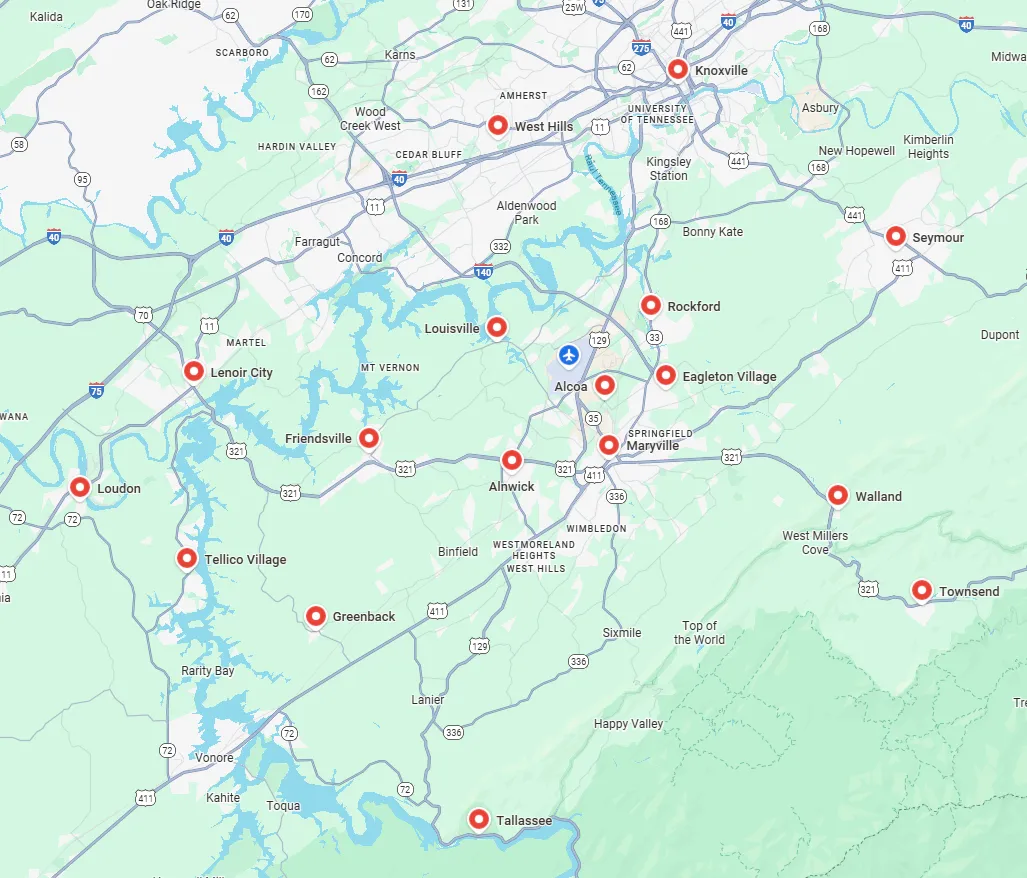
Service areas