


Furnace Maintenance in Alnwick, TN
Keeping your furnace running reliably through Alnwick winters is about more than just fixing it when it breaks down. For homeowners in Alnwick, TN, furnace maintenance is a crucial preventative service that safeguards your comfort, ensures safety, and helps manage energy bills, especially with our cold nights, temperature swings, and seasonal humidity. At Everest Air Heating and Cooling, we're proud to offer comprehensive seasonal Tune-Ups, thorough safety checks, and membership-backed maintenance plans. These are all designed specifically for our local homes – whether you're in an older farmhouse with ductwork under a crawlspace or a newer subdivision with a high-efficiency system, Everest Air Heating and Cooling has you covered.
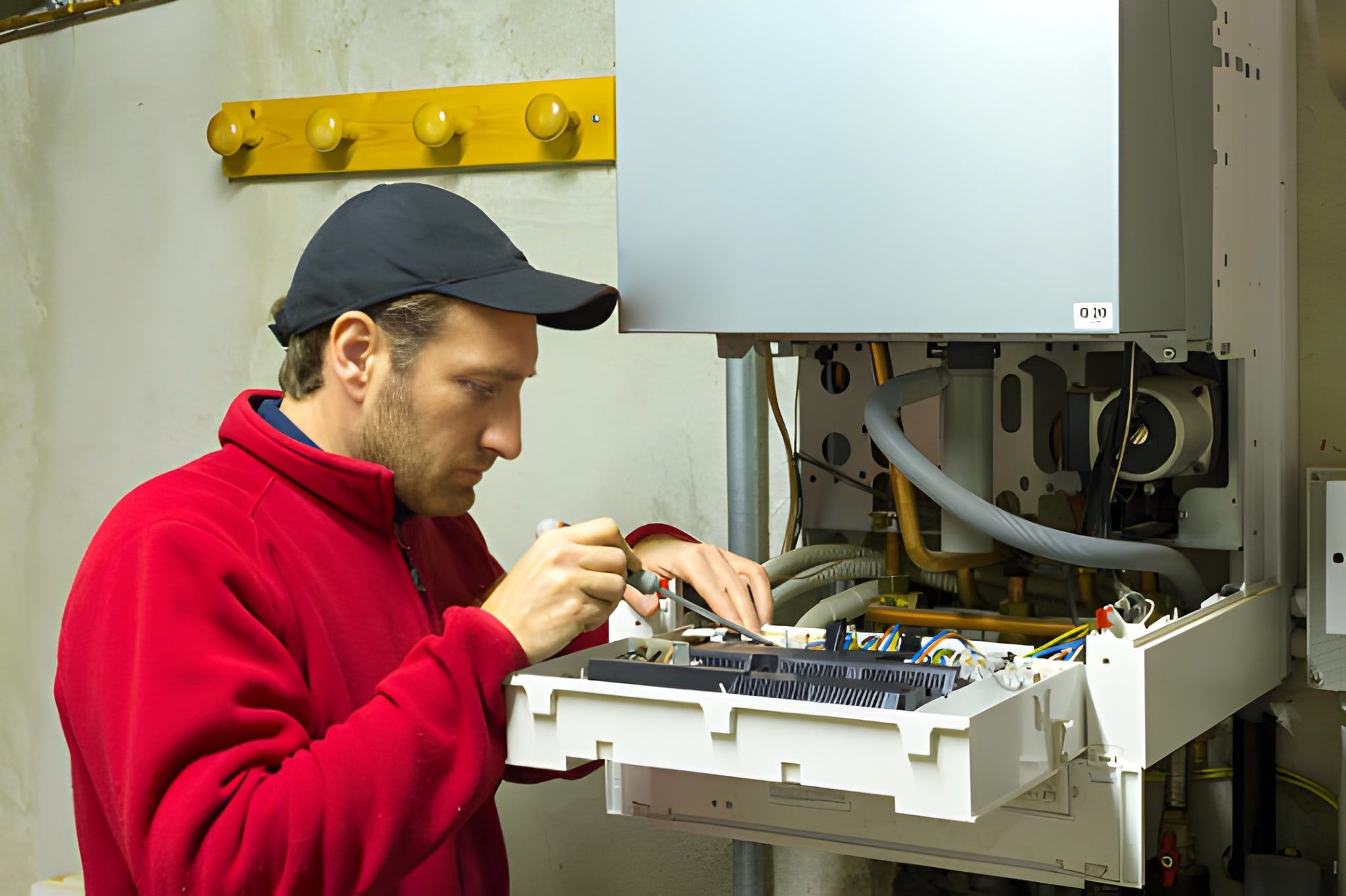
Why routine furnace maintenance matters in Alnwick, TN
Alnwick experiences cold snaps and damp, chilly weather during fall and winter that put extra stress on heating systems. Local factors that increase the importance of regular furnace care include:
- Temperature swings that force furnaces to cycle more frequently.
- Higher humidity and pollen in spring and fall that clog filters and reduce airflow.
- Older homes in the region with aging ductwork, which can affect distribution and efficiency.
- Short heating seasons that lead homeowners to delay service until an emergency, increasing risk of system failure.
Regular maintenance reduces emergency breakdowns, preserves system efficiency, and protects indoor air quality. Everest Air Heating and Cooling approaches maintenance with diagnostic testing, cleaning, and safety verification so your furnace operates reliably when you need it most.
Common furnace problems in Alnwick homes
Homeowners in Alnwick typically call for heating service for a handful of recurring issues. Routine maintenance targets these common failures before they escalate.
- Dirty or clogged filters causing restricted airflow and frozen heat exchangers.
- Ignition or pilot control problems that prevent the furnace from starting.
- Worn blower motors or belts that reduce airflow and increase noise.
- Cracked or corroded heat exchangers that risk carbon monoxide leakage.
- Malfunctioning thermostats or calibration drift causing uneven temperatures.
- Dirty burners and flame sensors that impair combustion efficiency.
- Duct leaks, disconnected ducts, or poor insulation reducing delivery and comfort.
- Poor venting or blocked flues leading to combustion byproduct buildup.
Addressing these problems proactively extends equipment life and lowers the likelihood of midwinter failures when technicians are busiest.
What a complete furnace maintenance visit includes
Everest Air Heating and Cooling follows a thorough, consistent maintenance protocol to find hidden issues and optimize system performance. A typical furnace Tune-Up includes the following steps:
- Visual inspection of the furnace cabinet, surrounding area, and overall installation condition.
- Filter check and replacement guidance or service, with recommendations for MERV or pleated filter upgrades suited to your home.
- Burner and combustion chamber cleaning to ensure proper ignition and flame quality.
- Heat exchanger inspection for cracks, corrosion, or abnormal soot accumulation that could create a safety hazard.
- Ignition system testing, including pilot or electronic ignition evaluation.
- Flame sensor cleaning and testing to reduce nuisance lockouts.
- Blower assembly inspection and cleaning, with lubrication of motor bearings if applicable.
- Electrical system check: tightening connections, inspecting relays and capacitors, and testing safety controls.
- Thermostat calibration and control verification to confirm accurate temperature readings and staging.
- Venting and flue inspection for blockages, corrosion, or incorrect draft.
- Carbon monoxide safety check with calibrated detectors and verification of proper combustion venting.
- Airflow and static pressure checks to assess ductwork performance and detect restrictions.
- Heat rise measurement to verify the furnace is operating within manufacturer specifications.
- Operational test cycle to observe start-up, run, and shutdown sequences and to detect any abnormal sounds or behavior.
Every maintenance visit concludes with a written summary of findings and recommended next steps. Everest Air Heating and Cooling documents issues clearly so homeowners in Alnwick understand the priorities and the long-term implications.
Safety checks that matter in Alnwick homes
Safety is the highest priority when inspecting combustion heating systems. Maintenance includes prevention and detection of hazards that matter more in homes with older equipment or restricted venting:
- Carbon monoxide inspection: measurement of indoor CO levels and verification of combustion efficiency to reduce poisoning risk.
- Heat exchanger integrity: a compromised heat exchanger can allow combustion gases into living spaces; technicians inspect visually and with tools as needed.
- Vent and flue verification: blocked or deteriorated flues can trap exhaust gases; proper draft is confirmed.
- Gas line and pressure checks: ensuring safe fuel delivery and no leaks.
- Combustion air assessment: confirming the furnace has adequate fresh air, particularly in tightly sealed or small mechanical rooms.
These safety steps are essential for Alnwick homes where small changes in insulation and ventilation can dramatically alter combustion conditions.
Benefits of regular furnace maintenance
Investing in seasonal furnace care delivers tangible, long-term benefits for Alnwick homeowners:
- Improved efficiency: a clean, calibrated furnace uses less energy for the same heat output, reducing utility usage during cold months.
- Lower repair frequency: preventive work catches wear before it becomes a failure that requires costly emergency repairs.
- Extended equipment life: routine care reduces stress on components, often adding years to a system’s serviceable life.
- Better reliability: fewer breakdowns and quicker recovery when issues are identified early.
- Enhanced safety: inspections reduce the chance of carbon monoxide exposure and fire-related hazards.
- More consistent comfort: proper airflow, thermostat calibration, and balanced ductwork lead to fewer cold spots.
- Warranty protection: many manufacturers require routine maintenance to keep equipment warranties valid.
For Alnwick households balancing comfort and budget, these benefits make routine maintenance a practical, preventative choice.
Seasonal schedule and frequency
Timing your maintenance matters. The recommended cadence for most furnaces is:
- Annual professional inspection and Tune-Up before the heating season begins, ideally in early fall.
- Filter checks every 1 to 3 months depending on filter type, household pets, and indoor air quality needs.
- Mid-season check if you have an older unit, have observed unusual operation, or after an extended period of heavy use.
Scheduling a pre-winter Tune-Up in September or October helps avoid service delays during peak demand and ensures the furnace is ready before the cold arrives.
Diagnostic approach: how Everest Air technicians identify hidden issues
Diagnostics during maintenance are methodical and data-driven. Everest Air Heating and Cooling technicians use a combination of observation, measurement, and testing to identify issues that visual inspection alone can miss:
- Measuring combustion efficiency and CO with handheld analyzers.
- Recording electrical currents and voltage to identify stressed motors or failing capacitors.
- Checking airflow and static pressure to detect duct restrictions and failing fans.
- Using temperature sensors and heat rise measurement to confirm proper transfer of heat from the exchanger to the airstream.
- Inspecting burner flame patterns and flame rectification components to ensure stable ignition.
- Verifying pressure switch behavior and safety interlocks to prevent unsafe operation.
This thorough diagnostic work minimizes unnecessary part replacement and focuses on repairs that yield the best performance improvement.
Repair and solution explanations homeowners should expect
When maintenance identifies repairs, Everest Air Heating and Cooling explains options clearly and simply so homeowners can make informed decisions. Typical repair categories include:
- Replace dirty or incompatible air filters: switching to higher-efficiency pleated filters can improve indoor air quality but may require blower adjustments.
- Clean or replace flame sensors and igniters: common, low-cost fixes for ignition failures.
- Repair or replace blower motors, belts, and bearings: restores proper airflow and reduces noise.
- Seal or repair duct leaks and reconnect hidden sections under crawlspaces common to older Alnwick homes.
- Heat exchanger repair or replacement: when integrity is compromised, the technician explains safety implications and replacement options.
- Thermostat replacement or recalibration: simple upgrades can add programmable or smart control for better efficiency.
- Vent or flue repair: correcting drafts, cap installation, or replacing deteriorated flue sections.
Technicians prioritize safety fixes first, then efficiency and comfort improvements, giving homeowners a prioritized plan and explanation.
Maintenance plan and membership details tailored for Alnwick
Everest Air Heating and Cooling offers a membership-style maintenance plan that makes upkeep predictable and affordable while providing additional member benefits suited to local needs.
Features typically included in the comfort maintenance plan:
- Two annual seasonal checkups: one fall heating Tune-Up and one spring cooling check to ensure transitions are smooth.
- Priority scheduling that helps members get service earlier during busy seasons.
- Filter change management options and reminders tailored to filter type and household needs.
- Discounted service call rates for members, with prioritized diagnostic response when problems arise.
- Detailed service records and maintenance logs specific to your furnace model that help with warranty compliance and resale value.
- Pre-scheduled appointments and reminder communications to keep service on schedule around busy household calendars.
Members in Alnwick benefit from planned care that accounts for local patterns: extra attention to combustion and ventilation due to older homes, guidance on insulating ductwork in unconditioned crawlspaces, and seasonal timing aligned with local weather trends.
Homeowner tips for maximizing furnace performance in Alnwick
Alongside professional maintenance, homeowners can take simple steps that reduce stress on furnace systems:
- Change disposable filters according to usage—monthly during heavy use, every 2-3 months otherwise. Consider high-quality pleated filters but follow manufacturer airflow guidance.
- Keep return vents and supply registers clear of furniture, curtains, and dust buildup to maintain airflow.
- Maintain clearances around the furnace and ensure the mechanical room is free from stored items.
- Seal and insulate ductwork in unconditioned crawlspaces and attics to reduce heat loss.
- Check exterior vents and combustion air inlets seasonally for animal nests, debris, or snow blockage.
- Use a programmable or smart thermostat to avoid unnecessary runtime and reduce cycling while staying comfortable.
- If you notice soot, unusual odors, increased dust, or cold spots, schedule a diagnostic rather than waiting for a failure.
These low-effort practices complement professional service and help you get the best return on your furnace investment.
How maintenance affects indoor air quality in region-specific ways
Alnwick’s seasonal pollen, humidity swings, and older home construction make indoor air quality (IAQ) an important part of furnace maintenance. Clean filters, inspected blower fans, and well-sealed ducts reduce airborne allergens and dust recirculation. Technicians can recommend appropriate filters or IAQ upgrades—humidification or dehumidification suggestions, media filters, or UV lights—based on the specific conditions in Alnwick homes.
Warranty and resale value considerations
Most manufacturers require regular professional maintenance to keep warranties valid. Documented Tune-Ups from Everest Air Heating and Cooling can protect warranty claims and serve as valuable documentation when selling the home. Buyers and inspectors view a maintained HVAC system more favorably, often translating into better resale outcomes for homeowners.
What to expect after a maintenance visit
After a professional Tune-Up, homeowners can expect:
- A clear report summarizing work performed, any discovered issues, and recommended next steps.
- Immediate improvements in noise, startup reliability, and consistent temperatures when repairs are made.
- A maintenance sticker or record with the next recommended service date and notes on filter type and part replacements.
- Follow-up scheduling options if additional repairs or seasonal work are recommended.
Everest Air Heating and Cooling provides clear, documented findings so homeowners in Alnwick know exactly what was done and why.
Why choose a local service for furnace maintenance in Alnwick
Local technicians know the region. Everest Air Heating and Cooling understands how East Tennessee weather patterns, common home construction types, and local installation practices affect furnace performance. Local knowledge leads to more accurate diagnostics, tailored recommendations, and maintenance timing that aligns with Alnwick’s climate realities.
Everest Air Heating and Cooling combines that local expertise with consistent maintenance procedures and membership options that keep your system running efficiently and safely year after year.
FAQs
Q: How often should I schedule furnace maintenance in Alnwick, TN?
A: Schedule a professional furnace inspection and Tune-Up once a year before the heating season starts. Check or change filters every 1 to 3 months depending on filter type, pets, and indoor air quality needs. Homes with older equipment or heavy use may benefit from a mid-season check.
Q: What are the most important safety checks performed during service?
A: Key safety checks include carbon monoxide measurement, heat exchanger inspection, vent and flue examination, gas pressure checks, and verification of safety interlocks and pressure switches.
Q: Will a maintenance visit tell me if my furnace needs to be replaced soon?
A: Yes. Technicians will assess the condition and expected remaining life of major components, identify recurring or costly issues, and explain whether repairs or replacement provide better long-term value. You will receive a clear, prioritized explanation of options.
Q: Do maintenance visits include filter replacement?
A: Many maintenance visits include a filter check and can include replacement if requested or as part of a membership benefit. Everest Air Heating and Cooling will recommend filter type and replacement frequency based on your system and home needs.
Q: How does regular maintenance affect my energy bills in Alnwick?
A: A well-maintained furnace runs cleaner and more efficiently, reducing wasted fuel and lowering energy usage. Proper airflow, clean burners, and calibrated controls all contribute to reduced runtime and improved efficiency.
Q: What does the maintenance membership include?
A: Memberships typically include two annual Tune-Ups (fall and spring), priority scheduling, reminders, filter management options, and discounts on service calls. Members receive documented maintenance records and scheduling convenience.
Q: Can maintenance prevent carbon monoxide issues?
A: Regular maintenance dramatically reduces the risk by ensuring combustion is clean, heat exchangers are intact, and vents are unobstructed. While maintenance does not guarantee carbon monoxide will never occur, it is the most effective preventive measure.
Q: Are there special considerations for Alnwick homes with crawlspaces or older ductwork?
A: Yes. Technicians pay particular attention to duct sealing and insulation, underfloor access for duct inspection, and combustion air for furnaces installed near tight building envelopes. Addressing duct leaks and insulation can have a large impact on comfort and efficiency.
Q: How long does a typical furnace maintenance visit take?
A: A full inspection and Tune-Up generally takes between 60 and 90 minutes, depending on system complexity and any repairs or part replacements needed during the visit.
Q: What should I do if my furnace was serviced but performance has not improved?
A: Keep the maintenance report and contact the service provider for a follow-up diagnostic. Sometimes additional repairs or further tuning are required to restore full performance.
Everest Air Heating and Cooling provides the detailed maintenance, safety checks, and membership support Alnwick homeowners need to maintain comfort and safety throughout the heating season. Regular furnace maintenance is a practical investment in peace of mind, system efficiency, and long-term savings for your home.
hear what our satisfied clients have to say

David P.
Service areas


