

Furnace Installation in West Hills, TN
Getting a new furnace is a big deal, one of the most important investments you'll make for your West Hills, TN home. When your heating system is chosen correctly and installed by professionals, you'll enjoy better comfort, less energy waste, and fewer worries about breakdowns when you need heat the most. Here at Everest Air Heating and Cooling, we see furnace installation as a complete, start-to-finish process. It begins with an accurate assessment of your home's heating needs and unit selection, moves through careful site preparation and professional installation, and wraps up with post-installation commissioning and long-term warranty and maintenance support. We want to ensure you know exactly what to expect during your furnace installation in West Hills, TN, helping you make a confident, informed decision for your home.
-min.jpeg)
Why a tailored furnace installation matters in West Hills, TN
West Hills sits in East Tennessee where winters are cool to cold and humidity varies seasonally. Local factors that make a precise installation crucial include:
- Older home stock and varied construction styles in the area, which create a wide range of insulation levels and duct configurations.
- Climate-driven heating needs from late fall through early spring that demand reliable, efficient performance.
- Common features such as crawlspaces, basements, or tight attic spaces that affect placement, venting, and access for maintenance.
A one-size-fits-all furnace or a rushed installation can cause uneven heating, high energy bills, noisy operation, frequent cycling, and shortened equipment life. Everest Air Heating and Cooling uses industry best practices and local experience to match the right furnace to your home and family needs.
Common reasons West Hills homeowners replace their furnace
Homeowners typically move to a new furnace for one or more of the following reasons:
- The existing system is older and requires frequent repairs.
- High energy bills despite regular maintenance.
- Inconsistent room-to-room temperatures or persistent cold spots.
- Safety concerns such as pilot light or ignition problems, or suspected heat exchanger issues.
- Desire for higher efficiency, quieter operation, or better indoor air quality.
- Home renovations or additions that change heating load requirements.
Understanding the root reason for replacement guides the selection process and helps avoid repeat issues.
Furnace types and efficiency options: what to compare
When comparing furnaces for West Hills homes, consider fuel type, AFUE rating, staging, and blower technology.
- Fuel type
- Natural gas is common and cost-effective when available.
- Propane or oil can be necessary for off-grid properties or areas without natural gas service.
- Electric furnaces are simple and reliable but may be less economical depending on electricity rates.
- AFUE (Annual Fuel Utilization Efficiency)
- AFUE indicates how much fuel is converted to usable heat. Higher AFUE ratings mean more efficient operation and lower fuel use for the same heat output.
- Efficiency choices affect long-term operating costs and may qualify for local rebates or manufacturer incentives.
- Staging and modulation
- Single-stage furnaces run at full capacity or off. They are less complex but may cycle frequently.
- Two-stage furnaces offer low and high settings to better match real loads, improving comfort and efficiency.
- Modulating furnaces can finely adjust output to match demand precisely, yielding the best comfort and efficiency in many homes.
- Blower motor type
- Permanent split capacitor (PSC) motors are dependable but less efficient and noisier.
- Variable-speed blowers adjust airflow to match heating needs, improving temperature consistency and reducing noise.
When evaluating models, weigh long-term operational savings, expected comfort improvement, and the specific features that address your home’s needs.
Home heating load assessment and proper unit sizing
Proper sizing is the foundation of a successful installation. Everest Air Heating and Cooling performs a formal heating load calculation tailored to West Hills homes instead of relying on rule-of-thumb sizing.
Key elements of a load assessment include:
- Square footage and ceiling heights of conditioned space.
- Insulation levels in walls, attic, and floors.
- Construction details such as window type, number of exterior walls, and orientation.
- Infiltration rates related to doors, windows, and air leakage.
- Duct condition, layout, and location (attic, crawlspace, or basement).
- Local climate data for Knoxville/West Hills to reflect seasonal design temperatures.
A correct load calculation prevents undersizing (insufficient heat, long run times) and oversizing (short cycling, higher installation cost, and humidity problems). Sizing also affects venting, flue requirements, and compatibility with existing ductwork and thermostats.
Site preparation and pre-install checks for West Hills homes
Before installation day, Everest Air technicians evaluate and prepare the installation site to ensure a smooth project.
Typical site preparation steps:
- Confirm fuel supply and pressure: natural gas valve location and line capacity or propane tank hookup details.
- Inspect existing venting, flue pathways, and chimney integrity for direct vent, B-vent, or power venting compatibility.
- Assess ductwork condition and recommend repairs or sealing where leaks would reduce performance.
- Verify airflow paths and clearances for code-compliant equipment placement and service access.
- Identify any asbestos, mold, or hazardous materials that need remediation prior to work.
- Coordinate placement of condensate drains for high-efficiency units that produce condensate.
Proper planning reduces surprises on installation day and helps preserve the existing home finish and structure.
Professional installation steps: what occurs during a replacement
A standard professional furnace installation follows a structured sequence to ensure safety, reliability, and performance. The process typically includes:
- Pre-installation verification
- Confirm model, serial numbers, and accessories.
- Recheck measurements and clearances.
- Protect flooring and furnishings in the work area.
- Removal and safe disposal
- Safely disconnect and remove the old furnace, including electrical, gas, and venting.
- Inspect the flue, venting, and combustion air pathways after removal.
- Mounting and assembly
- Position the new furnace on a stable platform or pad.
- Secure the unit and attach necessary panels, gas connections, and electrical wiring.
- Venting and combustion air setup
- Install or modify flue and vent systems to meet the new unit’s requirements.
- Provide required combustion air using code-compliant methods.
- Ductwork connections and transitions
- Connect supply and return ducts to the new furnace cabinet.
- Install transition pieces, plenums, and dampers as needed to optimize airflow.
- Condensate and drainage (for high-efficiency units)
- Install condensate drains with proper slope and trap, and route to an approved drainage point.
- Electrical and control wiring
- Wire the furnace to the home electrical panel and thermostat.
- Configure control boards, safety switches, and limit controls.
- System sealing and insulation
- Seal duct connections with mastic or approved tape.
- Insulate new plenums or exposed ducts where required.
- Start-up and initial programming
- Program thermostat settings and any advanced control features.
- Set blower speeds and staging parameters according to the load calculation.
Each step follows manufacturer instructions and local code requirements to ensure the installation is safe and durable.
Post-installation testing and commissioning
Commissioning is the qualification step that turns an installed furnace into a properly operating system. Everest Air conducts detailed testing so your new furnace performs as expected.
Common commissioning checks include:
- Gas pressure and burner performance testing to confirm proper fuel delivery and combustion.
- AFUE/efficiency verification through draft or combustion analyzer checks where applicable.
- Safety control tests including limit switches, rollout sensors, and pressure switches.
- Airflow measurements and thermostat calibration to confirm balanced heating and accurate temperature regulation.
- Leak checks on gas and sealed joints.
- Combustion vent integrity and carbon monoxide checks to protect indoor air safety.
- Quiet operation and vibration inspection to eliminate rattles or loose components.
- Demonstration of system operation and basic maintenance tasks for homeowners.
Documented commissioning creates a performance baseline and supports warranty coverage.
Warranty options, registration, and common coverage terms
New furnaces come with varying warranty structures that typically include:
- Heat exchanger warranty: often longer-term or lifetime on major components.
- Parts warranty: covers functional components for a defined period.
- Labor coverage: some manufacturers or installers offer limited labor warranties for a specified time.
- Extended warranties: available to extend coverage beyond factory periods through manufacturer or third-party programs.
Everest Air Heating and Cooling helps customers understand manufacturer warranty registration requirements and preserves documentation from commissioning. Registering a new unit and keeping service records from professional installers protects warranty rights and simplifies future claims.
Financing and payment options explained
Many homeowners prefer to spread the cost of a furnace replacement. Common financing options available in the industry include:
- Installment financing through a lender or manufacturer partner, which divides the purchase into monthly payments.
- Deferred payment or promotional plans that may offer no interest for a limited period under lender qualification.
- Energy-efficiency incentives that reduce net cost, including manufacturer rebates or utility programs; eligibility depends on model choice and local programs.
When evaluating financing options, consider the total cost, interest rate, term length, and any prepayment penalties. Everest Air can explain typical program structures so homeowners can compare offers and select what aligns with financial goals.
Timeline for a typical furnace installation in West Hills
Several factors influence the timeline for a furnace installation, such as equipment availability, required ductwork modifications, venting needs, and permit processing. A typical residential furnace replacement usually follows this timeline framework:
- Initial assessment and quote: one service visit to perform the load calculation and discuss options.
- Ordering equipment and permit processing: timing varies with manufacturer lead times and municipal permit review.
- Installation day(s): many straight replacements can be completed in a single full day when ductwork and venting are compatible with the new unit.
- Complex installations: if structural changes, extensive ductwork, or special venting are required, the project may take multiple days.
Local weather and scheduling demand during winter months can affect availability. Everest Air plans installations with an eye toward minimizing downtime and protecting home comfort.
What to expect after installation: performance and follow-up
After a professional install and commissioning, expect the following benefits and follow-up items:
- More consistent comfort and reduced temperature swings across rooms.
- Improved energy efficiency and combustion performance compared to an older unit.
- Quieter operation and reduced start-stop cycling if the unit uses staging or modulation.
- Clear documentation, serial numbers, and warranty registration records.
- A recommended maintenance schedule to preserve efficiency and reliability.
Everest Air recommends seasonal maintenance to hold performance to the expected standards and to detect issues before they escalate.
Maintenance and the Y.E.T.I. Comfort Plan
Routine maintenance keeps your furnace operating safely and efficiently throughout West Hills winters. Typical maintenance activities include:
- Cleaning or replacing air filters regularly.
- Inspecting and cleaning burners and heat exchangers as needed.
- Testing safety controls and electrical connections.
- Verifying thermostat accuracy and system responsiveness.
- Checking ductwork for leaks and insulating where beneficial.
Everest Air’s Y.E.T.I. Comfort Plan provides scheduled checkups and priority service to help homeowners avoid midwinter failures, reduce repair costs over time, and maintain warranty compliance. Regular service also supports consistent efficiency and indoor air quality for your household.
Common installation issues and how professionals address them
Experienced installers anticipate and solve common problems that might otherwise reduce satisfaction with a new furnace. Typical issues and professional solutions include:
- Inadequate airflow due to undersized ductwork: Evaluate and modify ducts or adjust blower settings to meet design airflow.
- Improper venting or flue sizing: Upgrade venting to meet manufacturer and code requirements to avoid condensation or backdrafting.
- Oversized unit short cycling: Perform accurate load calculations to recommend a staged or modulating solution if space heat loss is low relative to equipment output.
- Combustion safety hazards: Test for carbon monoxide and ensure all combustion air and venting meet code.
- Electrical or gas supply constraints: Coordinate with utility providers or perform electrical upgrades to support safe operation.
Addressing these items at installation prevents discomfort and preserves the life and efficiency of your new furnace.
Energy efficiency, indoor air quality, and comfort improvements
A well-selected furnace delivers more than heat. Upgrades can include:
- High-AFUE units to reduce fuel use and emissions.
- Variable-speed blowers and zoning to reduce hot and cold spots and improve circulation.
- Pairing a furnace with high-quality filtration, humidification, or ventilation systems to improve indoor air quality and comfort, especially during dry winter months.
- Smart thermostats or learning controls to optimize runtime and energy use based on occupancy patterns.
These improvements are particularly valuable in West Hills homes where insulation levels and home layout vary and family comfort expectations are high.
Choosing the right installer: what professionalism looks like
A professional furnace installation includes more than technical skill. Look for an installer that provides:
- A thorough, written load calculation and equipment recommendation.
- Clear explanation of efficiency tradeoffs and long-term operating considerations.
- A documented installation plan including permit and inspection coordination.
- Commissioning test results and written completion paperwork.
- Guidance on warranty registration and maintenance scheduling.
Everest Air Heating and Cooling brings local knowledge of West Hills homes, adherence to manufacturer specifications, and transparent documentation to every installation.
FAQs
Q: How do I know if my West Hills furnace needs to be replaced rather than repaired?
A: If your furnace is frequently needing repairs, is over 15 years old, shows signs of unsafe operation, or no longer meets comfort or efficiency expectations, replacement is often the most cost-effective long-term choice. A professional assessment with a load calculation will confirm whether repair or replacement is the better option.
Q: Will a new furnace work with my existing ducts and thermostat?
A: Many new furnaces can integrate with existing ductwork and thermostats, but a professional inspection is required. Duct leaks, inadequate size, or incompatible controls may need correction to achieve proper airflow and comfort.
Q: What is AFUE and how important is it for my West Hills home?
A: AFUE stands for Annual Fuel Utilization Efficiency and measures the percentage of fuel converted to heat. Higher AFUE models use less fuel to produce the same heat output and can reduce long-term operating costs, which is especially useful given seasonal heating needs in West Hills.
Q: How long does a typical furnace installation take?
A: Straight replacements that fit existing connections can often be completed in a single day. Installations requiring duct modifications, venting changes, or structural work may extend to multiple days. Permit processing and equipment lead times can also affect the overall schedule.
Q: What warranties should I expect with a new furnace?
A: Expect a combination of parts warranty and heat exchanger warranty from the manufacturer, with optional labor coverage from the installer in some cases. Registration and proper installation are usually required to preserve full warranty rights.
Q: Are there financing options available for furnace installation?
A: Financing availability varies, but common industry options include installment loans or promotional plans through lenders. Consider total interest and term length when comparing offers. The installer can outline typical structures so you can evaluate choices.
Q: What maintenance is required after installation?
A: Routine filter changes, annual professional Tune-Ups, and periodic checks of flue and venting are standard. A maintenance plan helps prevent unexpected failures and keeps efficiency at peak levels.
Q: How does West Hills weather affect my furnace selection?
A: West Hills experiences cool winters where reliable heating and controlled humidity are important. Choosing a furnace with the right capacity, efficient operation, and proper airflow control will help maintain comfort during cold snaps without excessive energy use.
Everest Air Heating and Cooling combines local West Hills expertise with a full service approach to furnace installation. Thorough assessment, transparent choices between high-efficiency models, careful site preparation, and disciplined commissioning ensure a reliable, comfortable heating system tailored to your home. Regular maintenance and an understanding of warranties and financing options support long-term value and peace of mind.
hear what our satisfied clients have to say

David P.
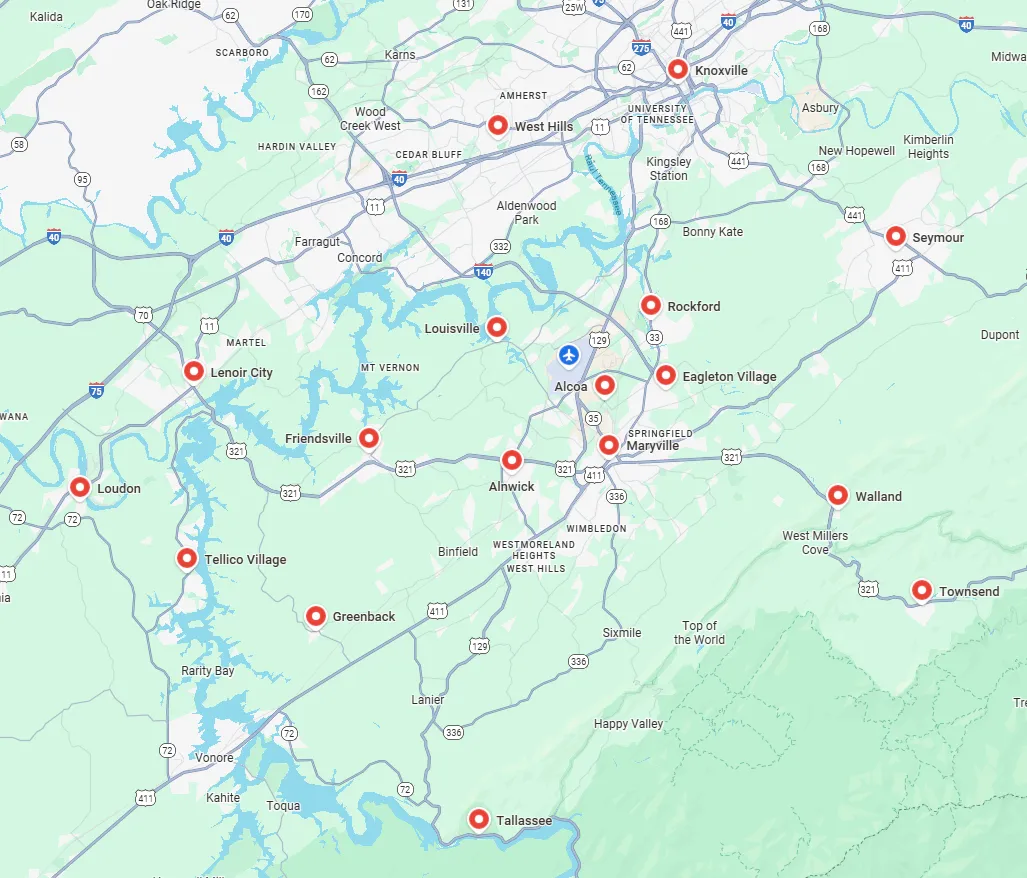
Service areas