

Furnace Installation in Townsend, TN
When that cold weather really settles in close to the Great Smoky Mountains, having a reliable furnace isn't just nice—it's absolutely essential for comfort, safety, and energy efficiency in Townsend, TN homes. A furnace installation isn't merely about replacing an old unit; it's a careful, technical process guided by specific codes. It all starts with a thorough assessment of your home and concludes with a precisely tuned system that provides steady warmth, uses less fuel, and minimizes any safety concerns. That's where Everest Air Heating and Cooling comes in, bringing our local expertise and a systematic approach to every new furnace installation in Townsend, TN. We're here to help homeowners pick the perfect system, steer clear of common issues, and ensure they get lasting, dependable performance from their heating, backed by Everest Air Heating and Cooling.
-min.jpeg)
Why furnace installation matters in Townsend, TN
Townsend experiences cool to cold nights in fall and winter, with temperature swings and humidity that influence heating needs. Many homes in and around Townsend are older cabins or houses with varied insulation levels and duct layouts. Rural properties may rely on propane instead of natural gas, and elevation changes across the area can affect combustion and venting considerations. A professional furnace installation takes these local factors into account to size and locate equipment correctly, ensure safe combustion and venting, and optimize airflow for even room temperatures.
Common furnace types and what works in Townsend
- Gas forced-air furnaces (natural gas or propane): Common in Townsend; efficient and powerful for colder nights.
- Electric furnaces: Used where gas or propane is not available; simple but typically more costly to operate in winter.
- High-efficiency condensing furnaces: AFUE ratings of 90 percent and above; recommended when fuel savings and lower emissions matter.
- Two-stage and modulating furnaces: Provide better comfort in older, leaky homes by reducing short cycling and improving temperature consistency.
- Variable-speed blower systems: Improve circulation, reduce noise, and help with humidity control.
Everest Air Heating and Cooling evaluates your fuel availability, current ductwork, comfort goals, and budget to recommend the best equipment for your Townsend home.
Initial home assessment and load calculations
A precise installation starts with a thorough home assessment. Everest Air follows industry-standard procedures to determine heating requirements and system compatibility:
- Manual J load calculation: Measures heat loss by room based on square footage, insulation levels, window types, orientation, and local climate. This calculation determines the exact BTU capacity your home requires.
- Manual S equipment selection: Matches the cooling and heating loads to specific furnace models and heat delivery options to prevent oversizing or undersizing.
- Manual D duct assessment: Evaluates duct size, layout, and leakage to ensure the chosen furnace will deliver the required airflow and efficiency.
- Fuel supply check: Confirms natural gas meter capacity or propane tank size and line routing. For some Townsend properties, line upgrades or additional propane infrastructure may be required.
- Venting and combustion air review: Assesses existing chimneys, sidewall vents, and combustion air availability to ensure safe exhaust and proper air intake.
This analysis reduces the risk of common installation mistakes such as oversized furnaces, inadequate ductwork, or insufficient combustion clearance—issues that cause comfort complaints and premature equipment failure.
Energy-efficient model recommendations
Choosing an energy-efficient furnace reduces long-term operating costs and increases comfort. Key performance metrics used in recommendations include:
- AFUE (Annual Fuel Utilization Efficiency): Higher AFUE means more of the fuel’s energy becomes usable heat. In Townsend, upgrading from an older 65-80 percent AFUE unit to a 95 percent+ condensing furnace can dramatically lower fuel bills during the heating season.
- Two-stage vs modulating burners: Two-stage furnaces operate at low or high output, improving comfort and reducing short cycling. Modulating furnaces fine-tune output continuously for precise temperature control.
- Variable-speed blower motors: Increase comfort, lower noise, and improve filtration by running at lower speeds for longer periods.
- Sealed combustion and direct venting: Important for homes with tight building envelopes or older chimneys; sealed combustion units draw air from outside and vent directly out, increasing safety and efficiency.
- Integrated zoning and controls: For multi-level or sprawling homes in Townsend, zoning reduces energy waste by heating only occupied areas.
Everest Air Heating and Cooling provides clear comparisons of models, energy savings expectations, and lifetime operating costs so homeowners can make an informed decision tailored to local needs.
Removal of the old unit and site preparation
Professional removal and preparation are critical for a clean, code-compliant installation:
- Safe disconnect and removal: Technicians shut off fuel and electrical supplies, recover refrigerant (if connected to other equipment), and remove the old furnace with attention to dust control and floor protection.
- Inspection of structural and mechanical components: The installation site, equipment pad, flue chase, and surrounding framing are inspected for rot, corrosion, or damage that could affect the new furnace.
- Ductwork repairs and modifications: Damaged or undersized ducts are repaired, reconfigured, or sealed. Proper airflow balance begins with tight, correctly sized ducts.
- Gas line sizing and upgrades: If moving from electric to gas or replacing an undersized line, gas piping is re-sized and pressure-tested according to code.
- Electrical preparation: Dedicated breakers, proper grounding, and safe service disconnects are installed or verified.
- Venting and chimney services: Chimneys or flues are cleaned and evaluated. New venting systems may be installed, especially for high-efficiency condensing furnaces that require PVC venting.
This site readiness reduces surprises during install and ensures the new furnace will be safe and efficient from day one.
Step-by-step installation procedures
A professional furnace installation is a disciplined process. Typical steps include:
- Pre-install inspection and layout confirmation
- Removal of the old furnace and cleanup of the work area
- Installation of the new furnace cabinet on a level pad or platform
- Gas line connection and leak testing using approved methods
- Electrical hook-up, grounding, and verification of proper supply voltage
- Duct connections, transition pieces, and sealing of joints with mastic or metal-backed tape
- Venting installation, termination, and clearance verification in line with manufacturer and code requirements
- Condensate drainage setup for condensing furnaces, including trap and drain routing
- Installation and calibration of the thermostat and control interfaces; testing of compatible smart thermostats if requested
- Initial startup and warm-up sequence to verify ignition, burner operation, and fan speeds
Throughout the installation, workmanship standards are followed to protect indoor air quality, ensure code compliance, and preserve the structural integrity of the home.
Safety and combustion testing
Safety checks and combustion testing protect homeowners from carbon monoxide, leaks, and unsafe operation. Typical safety steps include:
- Gas leak detection: All gas connections are pressure-tested and checked with electronic leak detectors.
- Combustion analysis: Measuring CO, CO2, O2, and stack temperatures to confirm efficient and safe combustion.
- Heat exchanger inspection: Visual and diagnostic checks to identify cracks or failure modes that could allow combustion gases into living spaces.
- Draft and venting verification: Ensuring proper draft direction, vent terminal clearances, and that flue gases are exhausting correctly.
- Carbon monoxide alarm placement: Guidance on appropriate alarm locations and testing procedures.
- Electrical safety checks: Verifying proper wiring, breaker sizing, and safe clearances around electrical components.
These checks are documented so homeowners understand the safety measures taken and the performance baseline for future maintenance.
Warranty, documentation, and financing options
A good installation comes with clear documentation and warranty coverage. Standard practices include:
- Manufacturer warranty validation: Proper model registration and confirmation of labor and parts warranty terms.
- Installation documentation: Serial numbers, model numbers, load calculation reports, and inspection records are provided for future service and resale value.
- Warranty coverage review: Explanation of what factory warranties cover and recommended steps to maintain warranty eligibility, such as regular Tune-Ups and original filters.
- Financing clarity: Explanation of common financing options, term structures, and how financing can be structured to match homeowner budgets without hidden fees.
Everest Air Heating and Cooling ensures paperwork is complete and explains warranty and financing terms so homeowners have a clear record and understand their protections.
Post-installation commissioning and homeowner walkthrough
Commissioning is more than turning the furnace on. It is a methodical verification that the system performs as designed and that the homeowner knows how to operate and maintain it:
- Performance verification: Measuring supply and return temps, airflow, and pressure differentials to confirm the system meets the load calculations.
- Thermostat setup and programming: Demonstrating thermostat operation, schedules, setback strategies, and, if applicable, smart controls that improve efficiency.
- Filtration and IAQ guidance: Reviewing filter size, MERV ratings, and options for whole-house indoor air quality upgrades that complement the new furnace.
- Maintenance review: Explaining routine tasks such as filter replacement frequency, keeping vents clear, and recommended annual inspections.
- Paperwork and warranty orientation: Delivering installation records, warranty registrations, and maintenance plan options.
- Walkthrough: Showing where shutoffs are located, how to reset the system safely, and what normal operating sounds and behaviors to expect.
This final phase gives homeowners confidence and ensures the system delivers reliable comfort.
Common installation problems and how we prevent them
Townsend homes face certain recurring issues that must be addressed during installation:
- Oversized furnaces: Too much capacity causes short cycling, reduced efficiency, and premature wear. Accurate Manual J sizing prevents this.
- Undersized ductwork: Old or small ducts limit airflow, causing poor distribution and higher static pressure. Duct resizing, sealing, or the addition of boost zones solves this.
- Inadequate combustion air: Tight homes may starve combustion appliances of air, creating dangerous conditions. Direct vent or sealed-combustion options are prioritized.
- Improper venting or backdrafting: Chimney conditions and vent routing in mountain homes require careful analysis to prevent flue gas reentry.
- Ignoring humidity control: Tennessee’s humidity can create comfort issues even when temps are correct. Variable-speed blowers and dehumidifiers are considered where needed.
- Skipping startup testing: Without combustion and airflow testing, issues remain hidden until failure. Everest Air uses diagnostics on every installation to verify performance.
By addressing these issues proactively, installations are safer, more efficient, and longer lasting.
Benefits of professional furnace installation
Choosing a professional installation tailored to Townsend yields clear benefits:
- Consistent comfort: Properly sized and balanced systems maintain even temperatures and reduce cold spots.
- Lower operating costs: High AFUE units and correct airflow reduce fuel usage and monthly bills.
- Improved indoor air quality: Correct filtration and airflow reduce dust and allergens, especially in older homes.
- Longer equipment life: Correct installation reduces wear and tear, extending the useful life of the furnace.
- Enhanced safety: Combustion testing, proper venting, and gas checks protect against carbon monoxide and leaks.
- Better resale value: Documented, professional installations with completed load calculations add value to a property.
Everest Air Heating and Cooling emphasizes not only equipment selection but also the craftsmanship that determines long-term satisfaction.
Maintenance and long-term care tips for Townsend homeowners
After installation, routine care keeps the furnace running smoothly:
- Replace or clean filters monthly to quarterly depending on filter type and household conditions.
- Schedule annual furnace Tune-Ups before the heating season to inspect the heat exchanger, burners, ignition, and controls.
- Keep vents and returns unobstructed by furniture, drapes, or storage.
- Check flue vents and outdoor terminations for debris, animal nests, or snow buildup after storms.
- Maintain proper attic and crawlspace insulation to reduce heat loss and lower run time.
- Enroll in preventive maintenance plans such as the Y.E.T.I Comfort Plan for priority service, seasonal checkups, and discounted repairs.
Regular attention reduces emergency repairs and keeps the system under warranty conditions.
Why local expertise matters
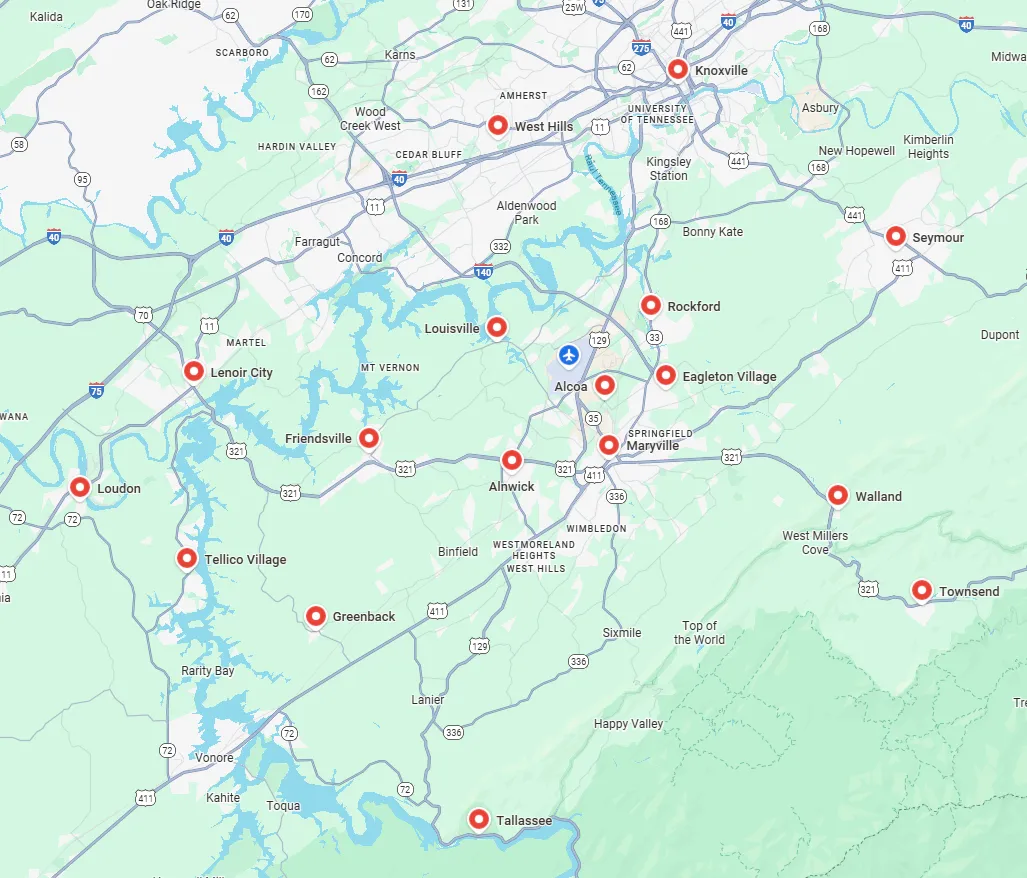
Townsend’s mix of older homes, cabins near the park, and changing fuel availability requires installers who understand local building practices, fuel infrastructure, and climate impacts. Everest Air Heating and Cooling brings regional experience across Blount, Sevier, Knox, and Loudon Counties and applies locally relevant solutions such as sealed-combustion units for tight cabins, propane system knowledge for rural properties, and duct optimization for older floor plans. Local knowledge also ensures compliance with county codes and best practices for venting and combustion in mountainous terrain.
What to expect after installation
You can expect a thorough handoff that leaves you informed and confident:
- A clear record of the work performed, setpoints, and test results
- Demonstration of thermostat operation and settings for energy savings
- Guidance on filters, maintenance intervals, and warranty steps
- Recommendations for optional IAQ or zoning upgrades if desired
A professionally installed furnace should start quietly, maintain steady temperatures, and show improved efficiency almost immediately.
Frequently Asked Questions
Q: How do you determine the right furnace size for my Townsend home?
A: We perform a Manual J load calculation that accounts for square footage, insulation, windows, orientation, and local climate to determine precise BTU requirements. That calculation guides equipment selection so the furnace is neither oversized nor undersized.
Q: Can I switch from electric or heat pump to a gas or propane furnace in Townsend?
A: Many homes can convert, but feasibility depends on available fuel sources and line capacity. We evaluate gas or propane supply, line sizing, and code requirements and recommend the most practical option for your property.
Q: What is AFUE and what level should I consider?
A: AFUE stands for Annual Fuel Utilization Efficiency and measures how much fuel is converted to heat. In Townsend, upgrading to a high-efficiency furnace with AFUE of 90 percent or greater often yields significant savings and comfort improvements.
Q: Will a new furnace help with humidity control in Tennessee?
A: Indirectly. Furnaces with variable-speed blowers run longer and at lower speeds, which can reduce short cycling and help your system work better with a whole-house dehumidifier or HVAC strategies to manage humidity.
Q: How long does a typical furnace installation take?
A: A standard replacement usually takes one day for a straightforward swap with compatible ductwork and venting. More extensive jobs involving duct modifications, new venting, or fuel-line upgrades can take longer.
Q: What safety tests are performed after installation?
A: We perform gas leak testing, combustion analysis, CO checks, venting and draft verification, and electrical safety inspections to ensure the system operates safely and efficiently.
Q: Do I need new ductwork when installing a new furnace?
A: Not always. We inspect existing ducts for size, leaks, and insulation. If ducts are undersized, leaky, or poorly configured, we recommend repairs or rework to ensure the new furnace delivers proper airflow and efficiency.
Q: What maintenance keeps a new furnace running well in Townsend?
A: Replace filters regularly, keep vents unobstructed, schedule annual professional Tune-Ups, keep combustion air and venting clear, and enroll in a preventive maintenance plan for priority service and regular inspections.
Q: What should I do if my home uses propane instead of natural gas?
A: Propane systems require specific burner calibration and line sizing. We evaluate tank capacity, piping, and pressure to ensure safe, efficient operation with propane-fueled furnaces.
Q: How does a variable-speed blower benefit older homes in Townsend?
A: Variable-speed blowers run at lower speeds for longer periods, improving air mixing, reducing temperature stratification, lowering noise, and enabling better filtration. This can be particularly beneficial in older homes with irregular room sizes and air leaks.
Q: Is a condensing furnace a good option for Townsend homes?
A: Yes. Condensing furnaces with AFUE ratings above 90 percent recover additional heat from exhaust gases and often deliver the best fuel economy, especially in climates with prolonged cool weather. Proper condensate drainage and venting are required.
Q: What documentation will I receive after installation?
A: You will receive installation records, equipment model and serial numbers, test results, load calculation summaries, and warranty registration details to preserve manufacturer coverage and support future service needs.
Everest Air Heating and Cooling brings local know-how and disciplined installation practices to every furnace installation in Townsend, TN. The goal is a safe, efficient, and comfortable heating system tailored to your home and local conditions, backed by documented workmanship and ongoing maintenance guidance.
hear what our satisfied clients have to say

David P.
Service areas