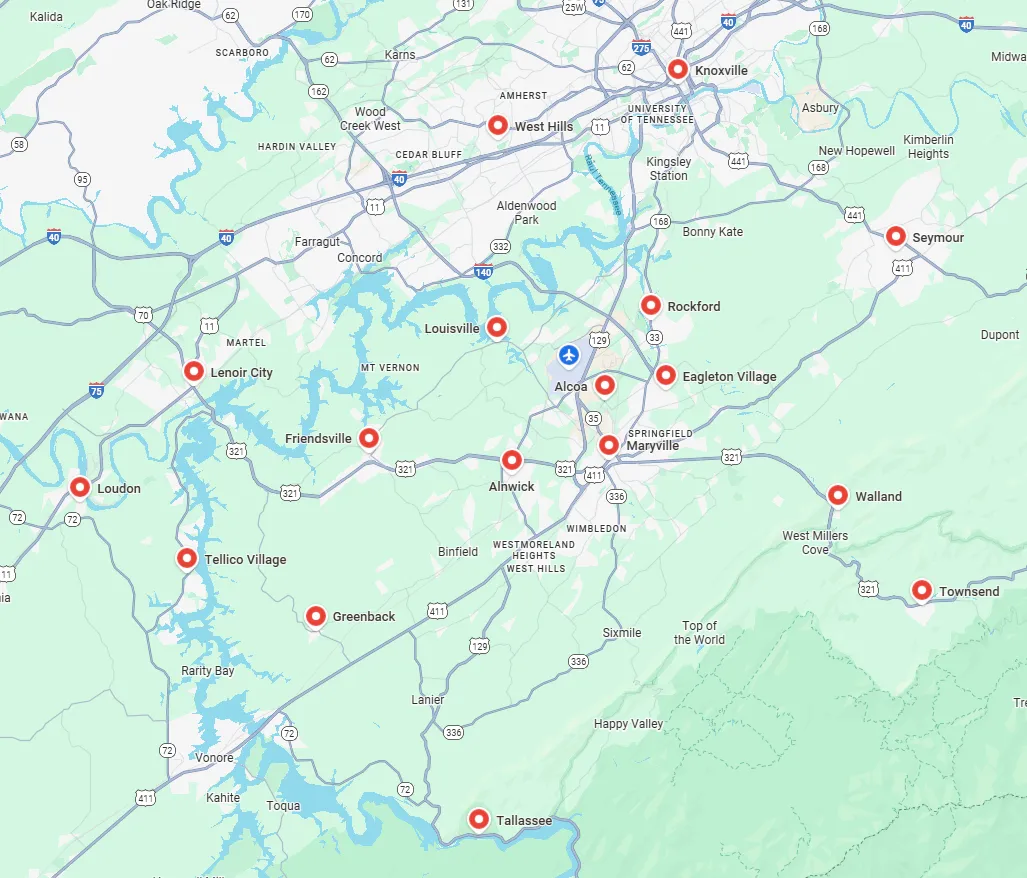


Furnace Installation in Rockford, TN
Getting a new furnace is a big deal for your home, and here in Rockford, TN, it's an investment that truly pays off. With winter nights often dropping into the 20s and those wild temperature and humidity swings really testing older systems, having the right furnace installed means more comfort, lower energy bills, and dependable warmth exactly when you need it. That's why at Everest Air Heating and Cooling, we pride ourselves on a professional furnace installation process, perfectly tailored for Rockford homes. From precise heating load assessments and helping you pick the ideal model to handling all the permitting, safety checks, and ensuring everything's running perfectly after installation, Everest Air Heating and Cooling has got you covered.
-min.jpeg)
Why a professional furnace installation matters in Rockford, TN
Rockford homes face a mix of ridge-line elevation, seasonal humidity, and older building stock that can hide inefficiencies. A furnace that is too large will short cycle and waste fuel. A furnace that is too small will run constantly and fail to maintain comfortable temperatures. Poor installation can create drafts, uneven rooms, premature component failure, and higher utility bills.
A professional installation addresses:
- Accurate sizing based on your home, not a rule of thumb
- Proper ventilation and combustion safety for gas systems
- Tight, well-sealed ductwork connections for efficient delivery of heat
- Manufacturer-compliant installation to preserve warranties
- Local permitting and code compliance in Blount County and surrounding jurisdictions
Everest Air Heating and Cooling uses industry best practices to ensure every new furnace installation in Rockford, TN meets performance, safety, and efficiency expectations.
Common furnace types and how they compare
Understanding furnace types helps you choose the right solution for your Rockford home. Here are the main options:
- Gas Furnaces
- Pros: High heat output, lower operating cost in many cases, fast warming
- Cons: Requires proper venting and combustion air; dependent on natural gas availability
- Best for: Homes with existing gas lines and tight heating needs
- Electric Furnaces
- Pros: Simple installation, no combustion emissions, compact
- Cons: Higher operating cost per unit of heat; can be ideal where gas is unavailable
- Best for: Smaller homes, retrofit situations without gas access, supplemental heating
- Oil Furnaces
- Pros: Strong heat for cold climates; fuel storage available where pipelines are not
- Cons: Requires tank maintenance, periodic oil deliveries, and indoor storage considerations
- Best for: Rural properties without natural gas
- Heat Pumps (air-source and hybrid)
- Pros: Highly efficient for both heating and cooling; modern cold-climate models perform well in Rockford
- Cons: Performance can decline in extreme cold without a backup heat source
- Best for: Homeowners looking for year-round HVAC efficiency and lower emissions
- Modulating and Two-Stage Furnaces
- Pros: Better temperature control, quieter operation, fewer cycles, improved efficiency
- Cons: Higher upfront cost
- Best for: Owners seeking premium comfort and energy savings
Major brands available to Rockford homeowners include Goodman, Lennox, Trane, Rheem, Ruud, York, and Carrier. Each brand has distinct model lines with varying efficiency ratings, warranties, and features. Everest Air Heating and Cooling evaluates brand-specific features and local serviceability when recommending models.
Heating load assessment and correct sizing
Proper sizing starts with a heating load calculation, sometimes called a Manual J assessment. This is a room-by-room evaluation that considers:
- Square footage and ceiling heights
- Insulation levels in walls and attic
- Window types, orientations, and shading
- Air infiltration and door quality
- Local climate data, including Rockford winter design temperatures
- Desired indoor setpoint temperatures
Why sizing matters
- Oversized furnaces short cycle, which increases wear, reduces comfort, and can raise humidity problems in milder weather.
- Undersized furnaces run continuously and may never reach your setpoint, especially on the coldest Rockford nights.
- Properly sized equipment runs at designed duty cycles, maximizes efficiency, and lasts longer.
Everest Air Heating and Cooling performs professional load assessments and factors in local Rockford climate trends so the selected furnace matches your realistic heating needs, not guesswork.
Energy-efficient model selection
Energy efficiency is a key decision factor. For gas furnaces, efficiency is measured with Annual Fuel Utilization Efficiency (AFUE). For heat pumps and electric furnaces, Seasonal Energy Efficiency Ratio and other metrics apply. Factors to consider:
- AFUE ratings: Modern high-efficiency gas furnaces commonly range from 80 percent to 98 percent AFUE. Higher AFUE means more of the fuel becomes usable heat.
- Variable-speed or modulating blowers: Improve comfort and reduce energy use by matching airflow to demand.
- Two-stage burners: Run at lower capacity most of the time for better comfort and efficiency.
- Smart thermostat compatibility: Allows optimized set schedules and remote temperature control to save energy.
- Extra features: Integrated humidification or zoning capability can address Rockford humidity and uneven heating concerns.
Selecting a model balances upfront cost, expected fuel costs in Rockford, home comfort goals, and available incentives or rebates. Everest Air Heating and Cooling helps evaluate lifecycle costs so homeowners can make informed decisions.
Comparison of furnace models and brands for Rockford homes
When comparing models, consider:
- Local serviceability and parts availability
- Manufacturer warranty terms and claim history
- Efficiency and expected annual fuel costs based on local utilities
- Noise levels and installation footprint
- Integration with existing ductwork and thermostats
Examples of considerations:
- Goodman: Known for value and robust warranties, often a competitive choice for standard installations.
- Lennox: Offers premium high-efficiency options with precise modulation and quiet operation.
- Trane and Carrier: Renowned for durability and brand recognition, with options across mid to high efficiency.
- Rheem and Ruud: Balanced offerings with reliable components and service networks.
- York: Competitive mid-range models with practical features.
Everest Air Heating and Cooling takes into account Rockford service logistics, equipment footprints in older homes, and long-term ownership costs when making recommendations tailored to each property.
Step-by-step professional installation process
A professional installation includes many discrete steps to ensure safety, efficiency, and long-term performance. Typical installation workflow:
- Site evaluation and pre-install planning
- Verify measurements and clearances
- Assess ductwork condition and return air pathways
- Confirm venting options and combustion air sources for gas units
- Permitting and code review
- Prepare and submit local permit documentation if required by the jurisdiction
- Ensure installation plans comply with local codes and manufacturer specifications
- Removal of the old furnace and preparation
- Safely disconnect fuel and electrical supplies
- Dispose of old equipment per local regulations
- Inspect and clean surrounding area and duct openings
- Mechanical installation
- Position new furnace and secure on a level platform
- Connect gas line or electric power per code and manufacturer guidance
- Install venting systems or direct vent components as required
- Tie into existing ductwork with careful sealing and insulation of joints
- Install new air filter housing and access provisions
- Control and thermostat integration
- Wire modern or smart thermostats and configure system staging
- Calibrate control settings for two-stage or modulating equipment
- Safety checks and initial startup
- Verify gas pressure, combustion parameters, and flue draft where applicable
- Check electrical connections and blower motor performance
- Run initial heat cycle and observe operation under load
- Performance testing and balancing
- Measure supply and return temperatures, static pressure, and airflow
- Make duct adjustments to balance room-by-room comfort
- Confirm efficiency benchmarks and stable cycling behavior
- Customer orientation and documentation
- Explain operation, filter care, warranty coverage, and service plan options
- Provide manufacturer and installation documentation
Every installation by Everest Air Heating and Cooling follows recognized industry steps to protect safety and system longevity while optimizing comfort in Rockford homes.
Permitting, safety checks, and code compliance
Permits and inspections are essential components of safe, compliant furnace installation. Local building departments require permits for mechanical and fuel-related work in many cases. Common safety items checked during installation:
- Proper venting and flue sizing for gas or oil furnaces
- Combustion air supply and sealed combustion chamber installation where required
- Correct gas connections with leak testing
- Electrical wiring and grounding compliance
- Proper clearances to combustibles and manufacturer-specified distances
- Carbon monoxide detection recommendations and placement
Everest Air Heating and Cooling documents permitting and inspection steps, follows local code practices for Blount and neighboring counties, and performs rigorous safety checks to ensure every installed furnace operates safely.
Warranty, financing, and protection options
Warranty coverage varies by manufacturer and by installer. Key warranty components to understand:
- Manufacturer limited parts warranty
- Extended parts and labor options
- Warranty terms tied to registered installations and professional service records
Maintenance plans, like the Y.E.T.I Comfort Plan, help protect your investment by ensuring periodic inspections and Tune-Ups that often are required to maintain warranty eligibility. Financing options can make higher-efficiency systems more accessible, and many homeowners evaluate payback periods for energy savings before choosing an upgrade.
Everest Air Heating and Cooling provides information about warranty registration, recommended protection plans, and how regular maintenance supports long-term performance and warranty compliance.
Post-installation startup and performance testing
A thorough startup and verification process ensures your furnace delivers the expected comfort and efficiency:
- Initial run through all operating modes and thermostatic controls
- Measure supply air temperature rise and compare to manufacturer specifications
- Check combustion efficiency and CO levels for gas and oil systems
- Verify airflow and static pressure to confirm ductwork adequacy
- Observe cycling behavior across a range of outdoor temperatures
- Educate homeowners on filter replacement intervals, vent clearance checks, and thermostat programming
Post-installation testing helps identify hidden issues like marginal duct leakage, insufficient return air, or imbalanced airflow that can be corrected before they affect comfort or system life.
Common issues discovered during installations in Rockford homes
During furnace replacement in Rockford, technicians often find recurring issues that impact performance or require additional work:
- Leaky, poorly insulated duct runs in crawlspaces and attics
- Undersized return air pathways causing low airflow and noisy blowers
- Inadequate combustion ventilation in older homes
- Obsolete or absent condensate drainage for high-efficiency furnaces
- Thermostat wiring that is incompatible with new digital or smart controls
- Improperly sized registers that cause room imbalance
Addressing these issues during installation improves overall system performance and homeowner satisfaction. Everest Air Heating and Cooling documents any recommended corrective work and explains the impact on comfort and efficiency.
Maintenance best practices after installation
Regular maintenance extends furnace life and preserves efficiency. Recommended practices include:
- Change or clean filters every 1 to 3 months depending on type and household conditions
- Schedule professional Tune-Ups at least once a year, ideally in the fall before the heating season
- Inspect venting and combustion air pathways annually for gas systems
- Keep the area around the furnace clear of stored items and debris
- Monitor for unusual sounds, cycling behavior, or spikes in fuel usage
Joining a maintenance plan helps ensure consistent service and priority scheduling during peak seasons, which is especially valuable when Rockford temperatures drop quickly.
Benefits of timely furnace replacement in Rockford, TN
Replacing an aging furnace yields multiple benefits specific to Rockford homeowners:
- Improved year-round indoor comfort and more consistent room temperatures
- Lower utility bills when upgrading to modern high-efficiency equipment
- Reduced risk of mid-winter breakdowns during cold snaps
- Better indoor air quality from newer filtration and sealed combustion options
- Increased home value and appeal if you sell in a market that values updated mechanical systems
Timely replacement also avoids emergency repairs and the higher costs and inconvenience that accompany system failures during peak cold periods.
How Everest Air Heating and Cooling approaches every installation
Everest Air Heating and Cooling brings a family-owned focus to professional furnace installation in Rockford, TN. Our approach includes:
- Honest, transparent assessments driven by accurate load calculations
- Local knowledge of Rockford climate impacts and housing stock
- Respect for manufacturer specifications and local codes
- Thorough documentation of permits, warranties, and post-install testing
- Careful attention to duct sealing, airflow balancing, and combustion safety
- Clear homeowner orientation on operation, maintenance, and energy-saving tips
The goal is to leave you with a reliable, efficient heating system and the information you need to operate it with confidence.
Local considerations for Rockford homes
Rockford is affected by seasonal temperature swings, humidity, and older construction in many neighborhoods. Considerations when installing a furnace here include:
- Insulation upgrades that reduce required furnace capacity and improve payback on efficiency investments
- Addressing crawlspace and attic ductwork leakage common in area homes
- Evaluating whether a heat pump hybrid system provides better year-round efficiency
- Ensuring condensate drainage and freeze protection for high-efficiency equipment during cold snaps
- Matching furnace selection to local fuel rates and availability for optimal operating cost
We routinely consider these local factors as part of every installation plan so Rockford homeowners get the most practical and effective solution for their property.
Frequently Asked Questions
Q: How do I know if my Rockford home needs a new furnace now or just a repair?
A: Look for signs like frequent repairs, rising utility bills, uneven heating, strange noises, and age over 15 to 20 years. A certified technician can perform a diagnostic and a heating load assessment to determine whether repair or replacement is the more economical and reliable solution.
Q: What is the significance of AFUE ratings for gas furnaces?
A: AFUE stands for Annual Fuel Utilization Efficiency and indicates how much of the fuel is converted to usable heat. Higher AFUE numbers mean greater efficiency. For Rockford homeowners, higher AFUE often translates to lower annual fuel costs, especially during long heating seasons.
Q: Will a new furnace improve indoor air quality?
A: A new furnace can improve indoor air quality by integrating better filtration, sealed combustion to reduce indoor pollutants from combustion, and by eliminating sources of dust associated with aging equipment. Proper duct sealing and routine filter maintenance also play key roles.
Q: Do I need a permit for furnace installation in Rockford, TN?
A: Most furnace installations require a mechanical permit and inspection to ensure safety and code compliance. Local requirements can vary by county and municipality. Professional installers handle permit submission and coordinate inspections as part of the installation process.
Q: How long does a professional furnace installation usually take?
A: Typical installations range from several hours to a full day depending on factors like unit type, duct modifications, venting work, and any additional corrective tasks. Complex projects or additional ductwork can extend the timeline.
Q: What maintenance does a new furnace require?
A: Annual professional Tune-Ups, regular filter changes every 1 to 3 months, keeping the area clear around the unit, and monitoring visual indicators are the basic maintenance steps. A preventative maintenance plan can help preserve efficiency and warranty coverage.
Q: How do local Rockford weather patterns affect furnace selection?
A: Rockford experiences cold winter nights and variable humidity, so choosing a furnace with reliable low-temperature performance, proper modulation, and good dehumidification balance is important. Insulation and ductwork improvements often deliver high returns in comfort and efficiency for the local climate.
Q: Can I upgrade to a high-efficiency furnace and keep my existing ductwork?
A: Often you can, but the existing ductwork should be inspected for leakage, insulation, and sizing. High-efficiency furnaces may require different airflow or condensate handling, so the duct system may need adjustments to achieve the best results.
Q: What brands does Everest Air Heating and Cooling install in Rockford?
A: Everest Air Heating and Cooling works with well-known brands such as Goodman, Lennox, Trane, Rheem, Ruud, York, and Carrier, evaluating which brand and model best match the customer goals for efficiency, reliability, and serviceability in Rockford homes.
Q: How soon should I replace a furnace that is 15 years old?
A: At 15 years, many furnaces are approaching the end of their efficient service life. If you are experiencing frequent repairs, reduced performance, or rising fuel bills, it is wise to consider replacement planning. Upgrading sooner can provide immediate comfort and efficiency benefits.
hear what our satisfied clients have to say

David P.
Service areas