

Furnace Installation in Lousiville, TN
In Louisville, TN, a properly installed furnace is truly the backbone of dependable winter comfort. Whether you're replacing a furnace that's seen better days or bringing heat to an older home for the first time, a professional installation is key to protecting your family, cutting down on energy costs, and avoiding potential safety issues. Everest Air Heating and Cooling brings experienced technicians and time-tested processes to every installation. We focus on getting the sizing just right, selecting efficient equipment, ensuring everything is up to code, and providing a detailed walkthrough for you once the job is complete.
-min.jpeg)
Why the right furnace installation matters in Lousiville, TN
Homes in Lousiville experience cool, sometimes wet winters with periodic cold snaps. That combination makes furnace performance and reliability especially important. An undersized furnace struggles to maintain comfort during extended cold periods and cycles on and off excessively, raising energy bills and wear. An oversized furnace heats too quickly, creating humidity and comfort issues while also increasing short cycling and component stress. Proper installation ensures your system runs safely, efficiently, and quietly through every Tennessee winter.
Problems a poor installation can create:
- Higher monthly heating bills despite a newer system
- Uneven temperatures between rooms and floors
- Short cycling that shortens equipment life
- Risk of carbon monoxide leaks or improper venting
- Voided warranties due to noncompliant work
Everest Air Heating and Cooling focuses on preventing these outcomes by following best practices from initial assessment through post-install testing.
Common furnace scenarios we handle in Lousiville homes
- Replacement of old or unsafe natural gas furnaces
- Upgrades from standard-efficiency to high-efficiency condensing furnaces
- Conversion between fuel types where supply allows (for example, propane to natural gas)
- New installations for additions, remodeled basements, or homes without central heat
- Ductwork modifications, zoning system installation, and thermostat upgrades
- Full system replacements where the furnace is paired with a new air conditioner and matched airflow components
Each of these scenarios has unique considerations for sizing, venting, and efficiency. Our process begins by diagnosing the specific needs of your home.
The Everest Air installation process: step-by-step
The installation process is a sequence of required steps designed to leave your home safe, comfortable, and operating at peak efficiency. We document each stage and keep you informed so there are no surprises.
- Initial heating load assessment and system sizing
- We perform a manual J heating load calculation to determine the exact heating demand for your home based on square footage, insulation levels, window types, orientation, air infiltration, and local climate factors.
- We evaluate duct system condition and static pressure to determine if ductwork repairs or resizing are needed to deliver proper airflow.
- Proper sizing avoids the problems of both oversized and undersized systems and ensures longevity and efficiency.
- Guidance on selecting energy-efficient furnace models
- We explain AFUE ratings and what efficiency percent means to your utility bills in Lousiville conditions.
- We discuss single-stage, two-stage, and modulating burners and how they affect comfort and humidity control.
- We recommend furnaces that match your long-term goals: lowest upfront cost, highest efficiency, or best balance of comfort and economy.
- We assess compatibility with existing ventilation, flue piping, and your preferred thermostat or zoning options.
- Permitting and code compliance
- We secure any local permits required by county and city authorities in the Lousiville area and ensure all work follows current Tennessee code and manufacturer installation requirements.
- Our installations include proper venting, combustion air provisions, gas line sizing and testing, and electrical hookups performed to code.
- We coordinate any inspections required by local building officials and provide documentation for compliance and warranty records.
- Professional removal of old equipment
- We safely disconnect gas, electrical, and venting systems and remove the existing furnace while protecting floors and finishes.
- Old equipment is disposed of responsibly, and we recycle components where possible.
- During removal we evaluate adjacent components such as the flue, condensate lines, and return plenum for any repairs or upgrades.
- Installation steps and system integration
- New furnace assembly and secure installation on the existing platform or new pad where required.
- Proper duct transitions, sealing, and insulation to minimize air leakage and maintain designed airflow.
- Install and test new venting and condensate drains for high-efficiency condensing furnaces.
- Connect gas line with pressure testing and leak checks in accordance with code.
- Electrical connections installed with correct breakers, fusing, and surge protection where applicable.
- Thermostat wiring and smart thermostat pairing if requested, along with zoning control setup when part of the design.
- Safety checks, commissioning, and performance testing
- We perform combustion analysis and carbon monoxide testing to verify safe operation where applicable.
- We measure supply and return temperatures, static pressure, and airflow to ensure the system meets design specifications.
- We confirm proper sequence of operation, blower performance, and fan speeds.
- We check for correct thermostat calibration and demonstrate temperature swing and hold functions.
- Post-installation homeowner walkthrough
- We walk homeowners through the system’s features: how to operate the thermostat, filter types and replacement schedule, recommended maintenance tasks, and signs to watch for that indicate service is needed.
- We provide documentation that includes manufacturer warranties, labor warranties, local permit approvals, and maintenance recommendations.
Selecting the right furnace for Lousiville, TN homes
Choosing a furnace is about more than efficiency ratings. Everest Air helps you weigh factors that impact performance and cost over the life of the system.
Key considerations:
- Fuel type availability and local pricing trends: natural gas is common and cost-effective in many parts of East Tennessee; propane and electric options may be better in certain rural areas without gas mains.
- AFUE rating: higher AFUE equals higher efficiency. In Lousiville winters, a high-efficiency condensing furnace can reduce fuel consumption and lower operating costs.
- Modulation and staging: modulation or two-stage burners provide better temperature control, improved comfort, and fewer start-stop cycles during variable outdoor temperatures.
- Compatibility with existing ductwork: older duct systems may need sealing, insulation, or resizing to match the new furnace’s airflow needs.
- Indoor air quality features: integrated air filtration, UV light options, and humidification control can improve comfort in humid or dry seasons.
Everest Air Heating and Cooling evaluates both performance and practical installation constraints to recommend the best model mix for your home.
Permitting, code compliance, and safety — what to expect
Proper permitting and compliance are essential to protect homeowners and preserve manufacturer warranties. Typical items we handle:
- Obtaining local permits and scheduling inspections with municipal or county building departments serving Lousiville and surrounding East Tennessee communities.
- Ensuring venting, combustion air, and clearances meet code and manufacturer specifications.
- Verifying gas line sizing and pressure testing after connection.
- Performing necessary electrical work to meet local electrical codes, including proper breaker sizing and grounding.
- Conducting carbon monoxide and combustion safety testing on gas-fired systems.
Documentation from these steps is provided for your records and any future property transactions.
Removal of old equipment and installation best practices
The transition from old to new involves careful attention to detail to avoid hidden problems later.
Best practices we follow:
- Protect floors and living spaces with drop cloths and shoe covers to minimize construction mess.
- Inspect and repair or replace compromised flue chases, venting components, and condensate traps before finalizing the installation.
- Seal and insulate ducts at connections and seams to reduce heat loss and improve efficiency.
- Properly size and set the new furnace on a level platform or pad, ensuring adequate clearance for service access and code compliance.
- Calibrate the new system with airflow, pressure, and temperature measurements rather than relying on manufacturer default settings alone.
These steps reduce callbacks and ensure the furnace performs as expected from day one.
Warranties, documentation, and financing guidance
Furnace purchases usually include several layers of protection. Here is how Everest Air helps you navigate those details.
Warranty types and what they mean:
- Manufacturer warranty on major components, often covering heat exchangers and other major parts for a set number of years.
- Labor warranty provided by the installing contractor to cover workmanship for a specified time period.
- Extended warranty options available through manufacturers or third-party providers for additional coverage.
We provide clear documentation for all warranty registrations, required maintenance schedules, and any actions that could void coverage. We also explain typical warranty limitations so you understand what is included.
Financing guidance:
- We explain common financing structures that homeowners use to spread the cost of a furnace installation when needed.
- We outline typical documentation lenders request and the types of terms available in the marketplace without promoting a specific lender.
- Financing can make higher-efficiency equipment more accessible while still delivering long-term operating savings.
Everest Air prepares the documentation you need to apply for financing and explains warranty registration steps to preserve manufacturer protections.
Post-install testing and the homeowner walkthrough
A responsible installation includes thorough testing and education so you leave with confidence.
Post-install tests performed:
- Combustion efficiency testing and carbon monoxide checks for gas systems.
- Airflow and static pressure measurement to confirm proper blower performance and duct compatibility.
- Thermostat calibration and communication tests for smart controls.
- Safety device tests including limit switches, pressure switches, and auxiliary safety controls.
Homeowner walkthrough covers:
- How to operate the thermostat and set schedules for comfort and efficiency.
- Filter types, locations, and replacement intervals.
- Recommended maintenance items and seasonal checks.
- What to do if an alarm or fault code appears.
- How warranty and service records are organized for future reference.
This walkthrough ensures you understand how the system works and how to keep it operating reliably.
Common questions homeowners in Lousiville ask
Q: Will a high-efficiency furnace save money in our climate?
A: High-efficiency furnaces typically reduce fuel usage year over year. Savings depend on usage patterns, local fuel prices, and how well the home is insulated. In Lousiville, a properly sized high-efficiency unit paired with duct sealing and insulation improvements often results in measurable savings.
Q: Do I need ductwork replaced when I replace the furnace?
A: Not always. If ducts are well sealed, insulated, and sized correctly, they can often be reused. Many older homes have leaky or undersized ducts; in those cases, upgrading the duct system is recommended to achieve the full benefits of a new furnace.
Q: What safety tests will be completed?
A: For gas systems, combustion analysis, carbon monoxide testing, and gas leak checks are standard. Electrical and control safety checks are performed for all systems.
Q: How long does an installation typically take?
A: Installation time varies based on scope. A straightforward like-for-like replacement can often be completed in a single day, while new installations, duct modifications, or venting upgrades can extend the project to multiple days.
Maintenance, longevity, and long-term benefits
Routine maintenance preserves system efficiency and helps prevent unexpected failures during cold weather. Recommended maintenance includes:
- Replacing or cleaning filters every 1 to 3 months depending on filter type and home conditions.
- Annual professional Tune-Up that includes combustion analysis, electrical inspection, and airflow testing.
- Duct sealing and insulation checks every few years or when major home improvements are made.
- Keeping the area around the furnace clean and unobstructed for safety and service access.
Long-term benefits of professional installation and maintenance:
- Lower operating costs and reduced seasonal energy bills.
- Improved indoor comfort and more consistent temperatures throughout the home.
- Fewer emergency repairs and extended equipment life.
- Preservation of manufacturer warranties and stronger resale value.
Everest Air Heating and Cooling can explain the Y.E.T.I Comfort Plan maintenance options designed to protect your investment and keep your system operating at peak efficiency.
Why professional installation matters
Furnace installation is both safety-sensitive and performance-critical. Proper installation requires experience with gas connections, venting, combustion testing, and airflow balancing. Everest Air Heating and Cooling brings licensed technicians who work to manufacturer standards, local codes, and proven installation practices. That expertise helps prevent costly mistakes, improves efficiency, and creates a safer home environment for you and your family.
Everest Air focuses on transparency and education throughout the process. We document load calculations, provide clear equipment recommendations, handle permits and inspections, and ensure you understand the equipment and warranties provided.
Long-term planning for home comfort in Lousiville, TN
Heating decisions are long-term commitments. When planning a furnace installation, consider not only the immediate needs but how your home may change:
- Future additions or finished basements that increase heating load
- Upgrades to insulation, windows, or the envelope that reduce load and may allow smaller equipment
- Integration with smart thermostats and zoning for more tailored comfort and efficiency
- Coordination with cooling equipment replacement to ensure matched system performance
Thoughtful planning during installation can prevent duplicate costs down the road and maximize the value of your HVAC investment.
hear what our satisfied clients have to say

David P.
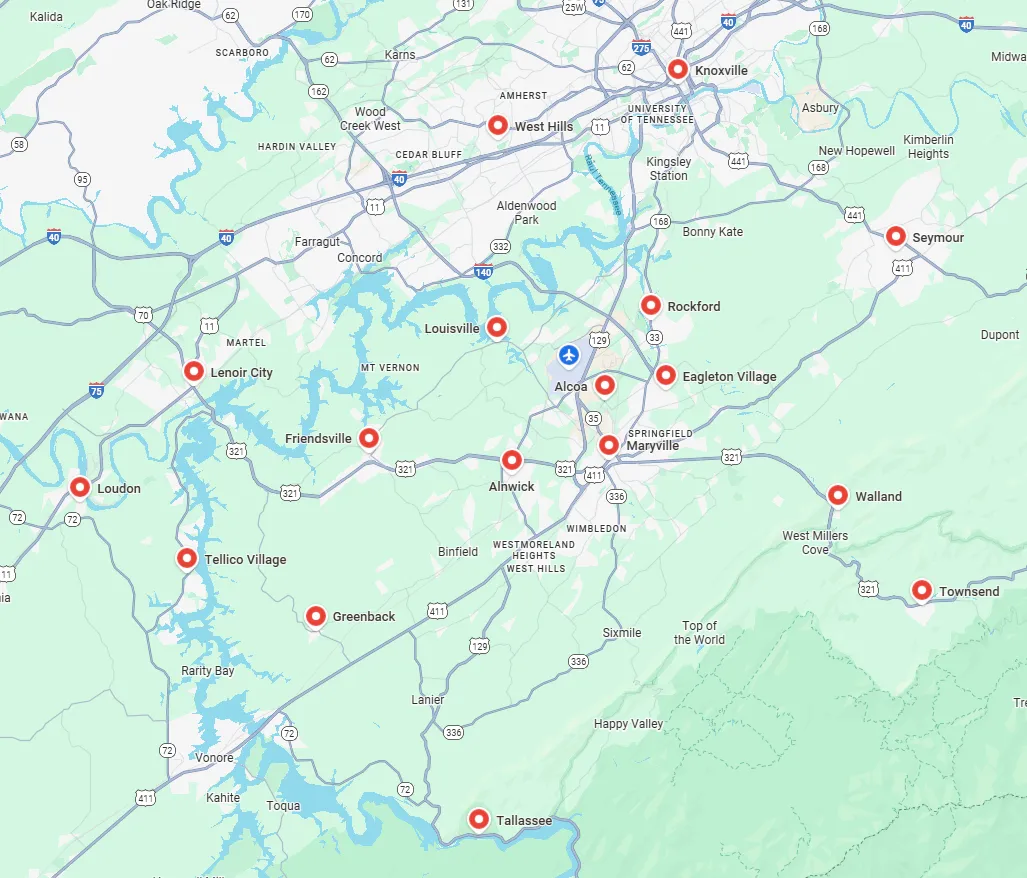
Service areas