

Heat Pump Tune-Up in Knoxville, TN
Keeping your heat pump running smoothly in Knoxville, TN takes more than just a quick look now and then. Our hot, humid summers, springtime pollen, and those unexpected winter cold snaps really put a unique strain on your system. That's why a specialized Heat Pump Tune-Up from Everest Air Heating and Cooling is so important. We're here to spot those little issues before they turn into big, expensive headaches, bring your system back to its best performance, and ensure it runs safely and affordably all year long. Trust Everest Air Heating and Cooling to keep your home comfortable.
.avif)
Common heat pump problems in Knoxville homes
Knoxville homes face several recurring issues because of local weather, seasonal allergens, and housing stock. These are the problems a Tune-Up is intended to identify and address:
- Dirty coils and reduced heat exchange
- High humidity and heavy pollen build-up reduce coil efficiency, increasing run times and energy use.
- Clogged or neglected filters
- Dust and pollen loads from spring and fall cause restricted airflow and strain on the blower motor.
- Refrigerant leaks or incorrect charge
- Undercharged systems lose capacity and can ice over in cool weather; overcharged systems run inefficiently.
- Electrical component wear
- Loose connections, failing capacitors, or worn contactors lead to intermittent operation and potential breakdowns.
- Poor airflow or duct problems
- Leaky or poorly balanced ducts reduce heating and cooling distribution and create pressure imbalances.
- Faulty thermostat calibration
- Incorrect thermostat reading causes constant cycling or temperature drift from setpoint.
- Improper defrost cycle or reversing valve issues
- In colder periods, a heat pump must defrost correctly; failures lead to icing and reduced heating.
- Outdoor unit obstruction and corrosion
- Vegetation, pollen, seasonal debris, and rust reduce outdoor coil efficiency and airflow.
What a professional Heat Pump Tune-Up in Knoxville, TN includes
A thorough Tune-Up follows a detailed checklist to examine, clean, test, and report on every component that affects performance and reliability.
- Thermostat calibration and settings
- Verify the thermostat accurately reflects indoor conditions and is programmed to maximize comfort and efficiency for local climate patterns.
- Filter inspection and replacement guidance
- Check filter type and condition; replace or recommend the optimal replacement schedule for Knoxville pollen and dust loads.
- Indoor and outdoor coil cleaning
- Remove dirt, pollen, and grime from coils to restore proper heat transfer and reduce operating times.
- Refrigerant level verification and leak assessment
- Measure refrigerant pressures and temperatures to confirm the correct charge; inspect for signs of leaks and document findings.
- Electrical safety checks
- Tighten connections, test voltage and amperage draw on motors and compressors, inspect capacitors and contactors for wear, and ensure breakers and fuses are sized correctly.
- Fan and motor inspection
- Check blower and condenser fans for balance, lubrication needs, and motor condition to prevent premature failure.
- Airflow and duct inspection
- Assess supply and return airflow, look for blocked registers, and inspect accessible ducts for leaks, disconnected sections, or insulation issues.
- Condensate drain and pan cleaning
- Clear drain lines and sanitize pans to prevent overflows and mold growth common in humid Knoxville summers.
- Defrost cycle and reversing valve check
- Confirm the defrost cycle engages and clears ice without excessive run time or short cycling.
- Performance testing and load verification
- Measure temperature split across the evaporator, assess system runtime under demand, and evaluate overall system capacity relative to expected performance.
- Safety control tests
- Verify safety switches and high/low pressure controls operate correctly to protect equipment.
- Written report and recommendations
- Provide an itemized assessment of condition, immediate issues, and recommended fixes or improvements, including parts that may need replacement soon.
The diagnostic process: what technicians do and why it matters
A Tune-Up is systematic, not cursory. Technicians follow a sequence that identifies root causes, not just symptoms:
- Visual inspection and setup
- Inspect both indoor and outdoor units for obvious damage, corrosion, or blockages. Assess surrounding conditions such as vegetation, debris, and clearances that impact performance.
- System start-up and operational observation
- Run the heat pump through heating and cooling modes when applicable to observe startup behavior, unusual noises, vibrations, and cycling characteristics.
- Thermostat and control verification
- Ensure the thermostat communicates properly with the system, check sensor placement and calibration, and confirm correct programming for local seasonal patterns.
- Electrical testing
- Use meters to test voltage at key components, measure current draw on motors and compressors, and identify signs of electrical stress that predict imminent failure.
- Refrigerant and pressure checks
- Measure suction and discharge pressures and temperatures to calculate superheat and subcooling. These readings indicate whether the refrigerant charge is correct and whether there are restrictions or leaks.
- Airflow measurement and duct evaluation
- Evaluate static pressure and airflow through the system, check return paths, and look for obstructions that limit heating or cooling delivery.
- Coil and blower maintenance
- Clean indoor evaporator and outdoor condenser coils as needed, inspect and clean blower assembly, and verify belt or motor function where applicable.
- Defrost and reversing system inspection
- Check sensors and control boards responsible for initiating defrost cycles and practice simulated conditions if needed to ensure correct operation.
- Condensate and drain line service
- Clear and treat drain lines to prevent microbial growth and backups common in humid climates.
- Final performance testing
- Re-test system under load to ensure adjustments and cleaning have restored expected performance metrics. Document before-and-after data.
These steps reduce the chance of missed problems and give a reliable baseline for future maintenance visits.
Recommended Tune-Up schedule for Knoxville climate
Local weather patterns and seasonal pollen loads inform a recommended maintenance cadence tailored to Knoxville homes.
- Annual professional Tune-Up
- For most heat pump systems, one comprehensive inspection each year is the industry standard. Ideally schedule it in fall before the heating season or in spring before summer cooling demand rises.
- Semi-annual service for older or heavily used systems
- Systems older than 10 years, homes with pets or heavy pollen exposure, or properties that use heat pumps as primary climate control through cold snaps should receive two Tune-Ups per year.
- Timing guidance for Knoxville
- Spring Tune-Up (March to May) prepares the system for humid, high-demand summers and addresses pollen buildup.
- Fall Tune-Up (September to November) prepares for cooler weather, verifies defrost operation, and ensures efficient heating during occasional Knoxville cold spells.
- Extra inspections after extreme weather
- After storms, flooding, or severe temperature swings, a targeted check can identify water intrusion, compressor strain, or refrigerant shifts before they cause major failures.
Everest Air Heating and Cooling integrates these timing recommendations into the Y.E.T.I Comfort Plan for consistent seasonal care.
Benefits of regular heat pump Tune-Ups
A focused Tune-Up delivers measurable benefits for performance, safety, and long-term cost control.
- Improved energy efficiency
- Clean coils, correct refrigerant levels, and proper airflow reduce runtime and electricity consumption.
- Lower operating costs
- Systems that run efficiently cost less to operate and reduce seasonal utility spikes common in Knoxville summers and transitional seasons.
- Extended equipment life
- Early detection of wear and stress prevents catastrophic failures that shorten lifespan and force premature replacement.
- Fewer emergency repairs
- Preventive maintenance addresses small defects before they escalate into failures that require urgent, costly repairs.
- More consistent indoor comfort
- Balanced airflow, accurate thermostat calibrations, and functional defrost cycles lead to steady temperatures and better humidity control.
- Better indoor air quality
- Clean filters, sanitized condensate drains, and maintained coils reduce dust, allergens, and microbial growth—important in pollen-heavy Knoxville neighborhoods.
- Compliance with warranty requirements
- Many manufacturers require regular maintenance to keep warranties valid. Documentation from professional Tune-Ups supports coverage.
Simple homeowner actions between Tune-Ups
Routine homeowner care complements professional maintenance and keeps systems healthy.
- Replace or clean filters regularly
- Check basic pleated filters every 1 to 3 months. Homes with pets or seasonal pollen spikes may need monthly changes.
- Keep outdoor unit clear
- Maintain at least 2 feet of clearance around the outdoor condenser and remove leaves, grass clippings, and debris frequently.
- Monitor thermostat and settings
- Use sensible programming to avoid excessive cycling and ensure the temperature sensor is not near heat sources or direct sunlight.
- Keep vents unobstructed
- Do not block supply or return registers with furniture, curtains, or rugs to maintain proper airflow.
- Watch for warning signs
- Report unusual sounds, sudden energy bill increases, water pooling, or visible icing promptly so issues are caught early.
- Perform quick visual checks
- Periodically inspect outdoor coils and wiring for visible damage, rust, or loose panels and note anything unusual for the next service visit.
These practices reduce strain and help technicians focus on more advanced diagnostics during professional visits.
Troubleshooting common issues yourself (safe, basic steps)
There are a few low-risk checks homeowners can safely perform before calling for service:
- Reset the thermostat
- Switch the thermostat off and back on, or replace batteries if applicable. Confirm fan settings are correct.
- Check electrical panel breakers
- Verify the breaker for the heat pump is in the on position. Do not attempt to work on wiring.
- Replace the filter
- If airflow feels weak or the filter looks dirty, replace it with the correct size and efficiency rating.
- Clear visible debris from the outdoor unit
- Gently remove leaves and loose debris; do not attempt to remove or scrub coils.
- Note and document symptoms
- Record temperatures, times of day, or specific sounds to share with your technician for faster diagnosis.
If symptoms persist after these basic steps, a professional Tune-Up will identify root causes.
Safety and regulatory considerations specific to heat pump service
Safety is central to any Tune-Up. Technicians follow industry standards and local regulations.
- Electrical safety
- Only trained professionals should open electrical panels or work on capacitors and contactors. High voltage can be dangerous.
- Refrigerant handling
- Refrigerant charging and leak repair must follow EPA guidelines. Unauthorized handling can be illegal and harmful to equipment.
- Combustion appliances
- If a home uses both a heat pump and a gas furnace, technicians will note interactions and ensure safety controls are coordinated to avoid carbon monoxide risks.
- Documentation
- Written reports of Tune-Ups help with warranty claims and record safety checks for future reference.
Everest Air Heating and Cooling follows professional safety practices and documents work to meet manufacturer and regulatory expectations.
What to expect from a professional report after a Tune-Up
A useful Tune-Up includes clear documentation so homeowners understand system condition and priorities.
- Summary of services performed
- A checklist of inspections, cleaning tasks, and measurements completed.
- Before-and-after performance metrics
- Temperature splits, runtime observations, pressure readings, and other measurable outcomes where appropriate.
- Identified issues and severity
- The report should categorize items as critical, recommended soon, or routine monitoring.
- Suggested next steps and timelines
- Recommendations for repairs, parts replacements, or additional testing with an explanation of the benefits and risks of delay.
- Maintenance schedule
- A suggested cadence for future visits tailored to unit age, local conditions, and household usage.
This level of transparency supports confident decision making and helps prioritize investments in equipment care.
When a Tune-Up might lead to repair or replacement
A Tune-Up sometimes reveals issues that require more than routine service. Common outcomes in Knoxville include:
- Refrigerant leaks requiring repair and recharging
- Leaks are common in older systems and should be addressed promptly to prevent compressor damage.
- Failed electrical components
- Capacitors, contactors, and motors show wear and may need replacement to avoid sudden failure.
- Coil damage or significant corrosion
- Severe coil deterioration can reduce efficiency to the point replacement is the most cost-effective long-term option.
- Ductwork repairs
- Significant leaks or disconnected sections discovered during inspection can degrade system performance and may require duct sealing or repair.
- System replacement due to age and inefficiency
- When efficiency and capacity drop below acceptable levels, replacement can be more cost-effective than repeated repairs.
Technicians should provide clear justification and transparent options based on measured findings.
Why Everest Air Heating and Cooling for Heat Pump Tune-Ups in Knoxville, TN
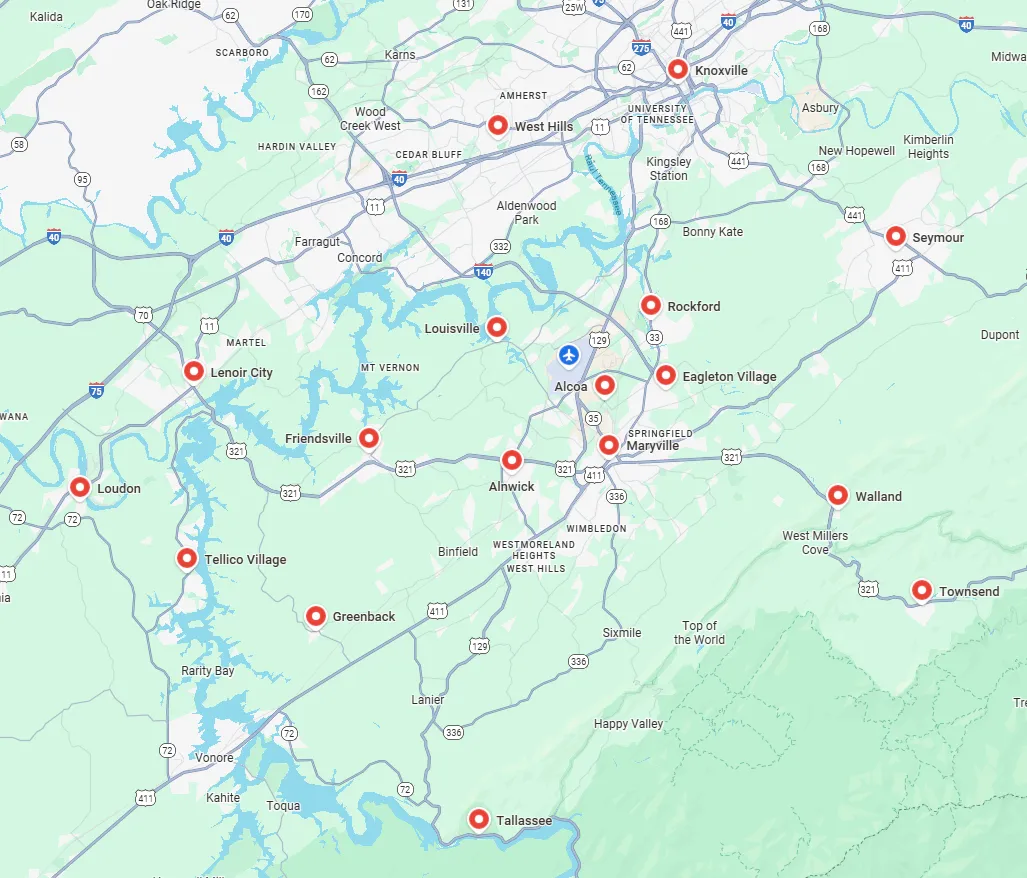
Everest Air Heating and Cooling is a family-owned HVAC specialist serving Knox County and surrounding areas. We emphasize thorough inspections, clear documentation, and education so homeowners understand the condition of their systems. Our approach reflects local experience with Knoxville climate and housing:
- Local knowledge
- We understand how Knoxville humidity, pollen seasons, and temperature swings affect heat pump operation and base our Tune-Up checklist on these realities.
- Experienced technicians
- Technicians inspect and test the components most affected by local conditions and explain findings in accessible terms.
- Maintenance programs
- Our Y.E.T.I Comfort Plan formalizes seasonal checkups so heat pumps receive the timely service they need to avoid seasonal failures.
- Transparent reporting
- You get a written assessment of system health and prioritized recommendations to help plan repairs or upgrades.
Everest Air Heating and Cooling focuses on preventing hassles, avoiding high-pressure sales, and delivering trustworthy HVAC care tailored to Knoxville households.
FAQs
Q: How long does a professional heat pump Tune-Up typically take?
A: A comprehensive heat pump Tune-Up generally takes 60 to 90 minutes for a single residential system. Complex systems, multiple zones, or extensive duct inspections may extend the visit.
Q: How often should I schedule a Tune-Up for my heat pump in Knoxville?
A: For most homes in Knoxville, an annual professional Tune-Up is recommended. Homes with older equipment, heavy usage, or allergy concerns should consider semi-annual service timed for spring and fall.
Q: Will a Tune-Up fix a refrigerant leak?
A: A Tune-Up will identify signs of a refrigerant leak through pressure testing and visual inspection. Leak repair requires a follow-up repair visit to locate and fix the leak, recover and recharge refrigerant as needed, and retest the system.
Q: Can a Tune-Up improve my heat pump efficiency and lower my energy bills?
A: Yes. Cleaning coils, correcting refrigerant charge, restoring proper airflow, and addressing electrical inefficiencies reduce run time and can lower energy costs. The exact savings depend on the initial condition of the system.
Q: What should I do if my heat pump is icing over during winter?
A: Visible ice on the outdoor unit indicates a defrost problem, low refrigerant, or airflow restriction. Turn the system off and schedule a professional inspection. Do not attempt to chip or force ice off the unit.
Q: Are there steps I can take to protect my warranty with scheduled maintenance?
A: Most manufacturer warranties require regular, documented maintenance. Keep records of professional Tune-Ups, and follow recommended service intervals to support warranty claims when necessary.
Q: Does a Tune-Up include filter replacement and coil cleaning?
A: A Tune-Up includes inspection of filters and coil cleaning when necessary. Technicians will replace filters if included in the service agreement or advise on the correct type and replacement interval for Knoxville conditions.
Q: Will a Tune-Up detect duct leaks?
A: A standard Tune-Up includes a visual duct inspection and airflow checks. Comprehensive duct leakage testing requires specialized equipment and may be recommended if significant issues are suspected.
A professional Heat Pump Tune-Up in Knoxville, TN keeps your system ready for seasonal demand, reduces operating costs, and extends equipment life. Everest Air Heating and Cooling applies local expertise and a detailed checklist to address the issues that matter most to Knoxville homeowners, providing clear reports and maintenance recommendations so you can maintain reliable comfort.
hear what our satisfied clients have to say

David P.
Service areas