

Heat Pump Installation in Knoxville, TN
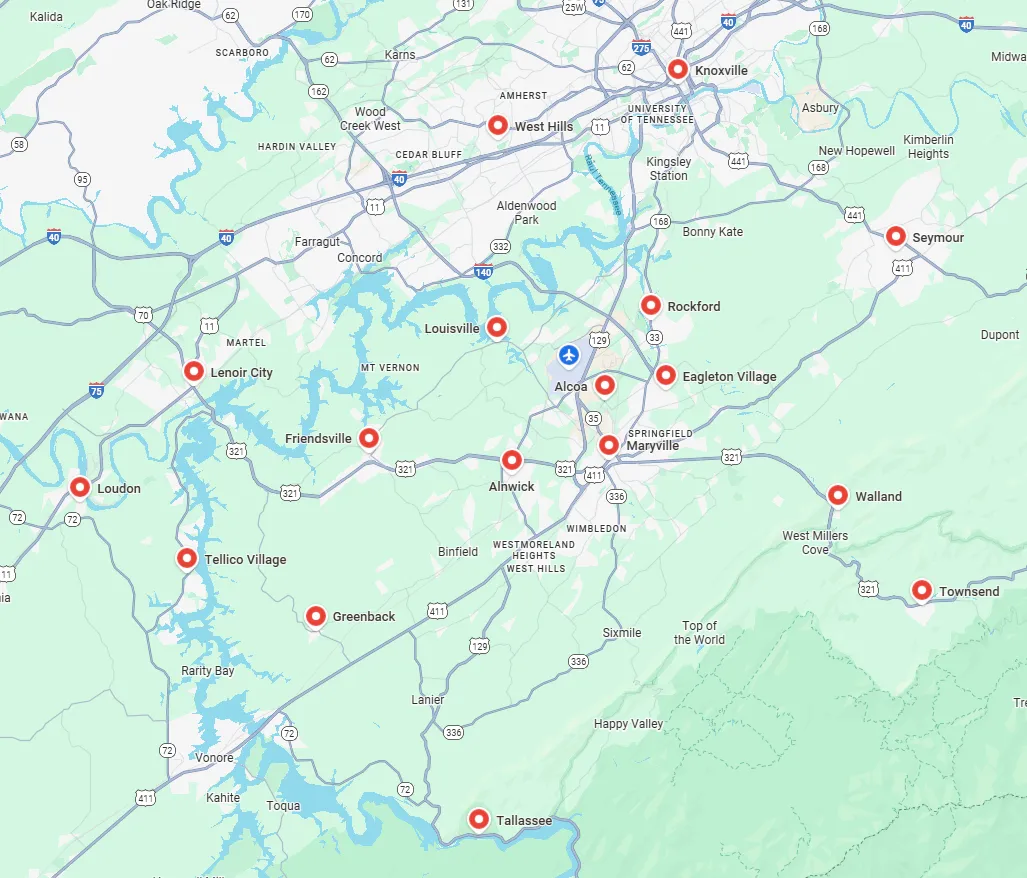
Thinking about replacing an old HVAC system, or maybe you're looking for a more efficient way to keep your Knoxville, TN home comfortable? A professionally installed heat pump is often one of the smartest long-term choices. At Everest Air Heating and Cooling, we bring experienced technicians and a thorough, code-compliant approach to every heat pump installation. We focus on balancing energy efficiency, proper sizing, and reliable performance, so your home stays perfectly comfortable year-round, through our humid summers and those unpredictable winters.
.avif)
Why a heat pump makes sense for Knoxville homes
Knoxville experiences hot, humid summers and generally mild winters with occasional cold snaps. A modern heat pump provides both cooling and heating in one system, often delivering better seasonal efficiency than separate natural gas furnaces and central air conditioners. Key local advantages include:
- Improved comfort control during humid summers through built-in dehumidification while cooling.
- Consistent heating performance during mild winter temperatures; models with higher cold-climate ratings can maintain efficiency during Knoxville cold snaps.
- Flexibility for homes without natural gas lines or for owners seeking to electrify heating for environmental or cost reasons.
- Ductless Mini Split heat pumps are ideal for Knoxville older homes, additions, or room-by-room comfort upgrades where extending ductwork is impractical.
Everest Air Heating and Cooling pairs local climate knowledge with industry best practices to ensure your heat pump is the right solution for your home and lifestyle.
Common questions and homeowner pain points we address
- Will a heat pump save money on monthly utility bills in Knoxville?
- How do I choose between ducted and ductless options for an older neighborhood home?
- Can a heat pump replace a gas furnace safely and cost-effectively?
- What permits and inspections are required in Knox County?
- How disruptive will installation be and how long will it take?
Our content below answers these questions in practical detail so you can make an informed decision.
Types of heat pump installations and when each is appropriate
- Ducted air-source heat pump
- Best for homes with existing ductwork in good condition.
- Replaces or complements existing furnace/AC with a single packaged or split system.
- Provides whole-home comfort and integrates with central thermostats.
- Ductless Mini Split heat pump
- Ideal for homes without ducts, room additions, basements, or garages converted to living space.
- Allows zoned control with individual indoor units for each space.
- Less invasive installation and high seasonal efficiency.
- Cold-climate heat pump
- Designed to preserve heating capacity and efficiency during lower outside temperatures.
- Good for Knoxville homeowners who want reliable heat during occasional deep freezes.
- Dual fuel systems
- Combine a heat pump with a gas furnace. The system uses the heat pump for mild conditions and switches to the furnace when temperatures drop below the heat pump’s most efficient range.
- Useful where homes already have gas infrastructure and homeowners want optimal year-round efficiency.
- Geothermal heat pumps (ground-source)
- High efficiency and stable performance, but significant upfront site work is required.
- Considered when long-term energy savings, ground conditions, and budget align.
Initial home energy and load assessment: why Manual J matters
A correct installation starts with an accurate load calculation. Everest Air Heating and Cooling performs a detailed Manual J heat load analysis tailored to your Knoxville home. This assessment accounts for:
- Home square footage, layout, and orientation
- Insulation levels in walls, attic, and floors
- Window types, age, and shading
- Air leakage and duct losses
- Occupancy patterns and internal heat gains from appliances
- Local climate data for Knoxville
Why it matters: oversizing a heat pump leads to short cycling, humidity control issues, and reduced equipment life. Undersizing causes poor comfort and increased runtime. Manual J ensures the selected system matches your home’s real needs for both cooling and heating.
System sizing and model selection: practical considerations
- Match capacity to the Manual J results, not to the old system’s size.
- Compare Seasonal Energy Efficiency Ratio (SEER) for cooling and Heating Seasonal Performance Factor (HSPF) or Coefficient of Performance (COP) for heating.
- Choose models with reputable reliability records and low-GWP refrigerants when available.
- Evaluate sound ratings for outdoor units, particularly if you live in a dense Knoxville neighborhood.
- Confirm that the selected heat pump can operate efficiently at the lowest expected winter temperatures in your area; consider cold-climate models for enhanced low-temperature performance.
- For ducted systems, ensure the indoor air handler or furnace coil is matched to the outdoor unit for proper refrigerant charge and airflow.
Everest Air Heating and Cooling helps you compare models and clarifies long-term operating costs versus initial purchase price.
Ducted vs. ductless: pros and cons for Knoxville homes
Ducted systems
- Pros: whole-home coverage, familiar controls, integration with existing ducts.
- Cons: efficiency impacted by leaky or poorly insulated ducts common in older Knoxville homes; duct repairs or sealing may be required.
Ductless Mini Splits
- Pros: high efficiency, minimal disruption, zoned control, excellent for additions and retrofit situations.
- Cons: higher per-room equipment cost for whole-house installations, interior wall-mounted units may affect aesthetics in some rooms.
A thorough duct inspection recommended by Everest Air will determine whether sealing, insulation, or a hybrid approach (ducted plus ductless supplemental zones) best suits your home.
Site preparation and permit considerations in Knoxville
Proper site preparation reduces complications and ensures compliance with local codes:
- Verify local permitting requirements and building codes for Knox County and the City of Knoxville.
- Confirm setback, condenser pad requirements, and noise ordinances.
- Prepare a level, stable pad for outdoor units—concrete or manufacturer-approved plastic pads.
- Clear vegetation and provide adequate clearance for airflow and maintenance access.
- Check electrical service capacity; many heat pumps require dedicated 240V circuits and may trigger the need for service upgrades.
- If installing ductwork or making structural penetrations, verify load-bearing considerations and flashing requirements where refrigerant lines and wiring pass through walls or roofs.
Everest Air Heating and Cooling coordinates permit-ready documentation and ensures all installations are inspection-ready.
Professional installation steps: what to expect day by day
- Pre-installation walk-through and site setup
- Finalize equipment placement, confirm access, and protect flooring and landscaping.
- Removal of old equipment (if applicable)
- Recover refrigerant per regulations, disconnect electricals, and remove indoor and outdoor units safely.
- Ductwork modifications or installation
- Seal, insulate, and balance ductwork. Install necessary returns, supply registers, and dampers for zoning.
- Outdoor unit placement and pad installation
- Level and anchor the condenser/compressor on a stable pad with vibration isolation.
- Indoor unit installation or coil retrofit
- Mount air handler or indoor cassette/console units, install drain lines, and connect refrigerant lines.
- Refrigerant line connection and evacuation
- Proper brazing or flare connections, vacuum evacuation to remove moisture and noncondensables, and accurate refrigerant charge per manufacturer specifications.
- Electrical wiring and controls
- Install breakers, electrical connections, thermostats, and any required system communication wiring.
- System startup and commissioning
- Conduct a full start-up sequence, check safety interlocks, calibrate thermostats, and confirm refrigeration system parameters.
- Airflow balancing and performance verification
- Measure supply and return CFM, adjust fan speeds and dampers, and verify temperature differentials across the coil.
- Final cleanup and homeowner orientation
- Remove debris, label system components, explain operation, and deliver warranty paperwork and maintenance guidance.
This installation process is handled by certified technicians who follow manufacturer guidelines and local code requirements to protect system performance and warranty.
Post-installation testing and homeowner orientation
A thorough commissioning is critical for long-term performance. Everest Air Heating and Cooling completes:
- Refrigerant charge verification and superheat/subcooling measurements
- Electrical load checks and amp draws
- Blower and duct airflow measurements
- Temperature rise and cooling delta-T tests
- Thermostat calibration and programming for comfort and efficiency
- Leak checks on refrigerant and ductwork
Homeowner orientation covers:
- Basic system operation and thermostat use
- Filtration requirements and filter replacement intervals
- How zoning and dampers work if applicable
- What normal sounds and cycles to expect
- Warranty coverage specifics and how to document routine maintenance
Documentation provided at handover includes equipment model numbers, serial numbers, installation date, and warranty information.
Warranty, registration, and financing information
Manufacturers typically offer limited warranties on compressors, coils, and other components. Everest Air Heating and Cooling reviews manufacturer warranty terms with homeowners and explains:
- How registration may extend or activate certain warranty components
- What routine maintenance is required to keep warranties valid
- Options for extended labor warranties or service agreements
Financing options are often available to spread upfront costs over time. Everest Air provides an overview of typical financing structures and how they interact with energy savings from improved efficiency. Additionally, homeowners are advised to check for local utility rebates, federal tax incentives, or state programs that may apply to qualifying high-efficiency heat pump installations.
Electrical upgrades and safety considerations
Many modern heat pumps require a dedicated 240V circuit with appropriately sized breakers. Typical considerations include:
- Service panel capacity and potential need for a panel upgrade
- Proper disconnects and weatherproofing for outdoor units
- Grounding and bonding to local electric code
- Surge protection for sensitive electronic components
- GFCI/AFCI requirements for certain installations
Everest Air Heating and Cooling evaluates existing electrical service and coordinates necessary upgrades with licensed electricians when required.
Refrigerant choice and environmental considerations
Heat pumps today use refrigerants with lower ozone depletion potential compared to older R-22 systems. While refrigerant choice depends on manufacturer models, trends include:
- Widespread use of R-410A on many residential systems
- Increasing adoption of lower global warming potential options in some new models
- Proper refrigerant handling, recovery, and leak repair practices to protect the environment and maintain performance
Technicians from Everest Air adhere to regulatory requirements for refrigerant recovery and disposal.
Common installation complications and how we prevent them
- Oversized equipment: corrected through accurate Manual J sizing
- Insufficient airflow: addressed by duct balancing, proper fan selection, and return placement
- Improper refrigerant charge: prevented with careful evacuation and manufacturer-specified charge procedure
- Inadequate condensate management: resolved with correct drain sizing and trap installation
- Electrical under-sizing: pre-checked to avoid intermittent breakers or tripped protection
A disciplined checklist-based approach reduces surprises and ensures a high-performing system.
Post-installation maintenance and maximizing lifespan
Regular maintenance preserves heat pump efficiency, reduces repair risk, and protects warranties. Recommended maintenance includes:
- Biannual Tune-Ups (cooling in spring and heating in fall) to check refrigerant, electrical components, and airflow
- Monthly filter checks and scheduled replacements depending on filter type and household conditions
- Annual duct inspections and sealing as needed
- Checking condensate drains and secondary safeties in humid months
- Monitoring performance and prompt attention to unusual noises or system alarms
Everest Air Heating and Cooling offers preventive maintenance plans that can include priority scheduling, seasonal Tune-Ups, and discounts on repairs as part of long-term care strategies.
Common heat pump issues in Knoxville and quick troubleshooting
- Reduced cooling in summer: check filters, outdoor condenser airflow clearance, and thermostat settings.
- Short cycling: may indicate oversize, low refrigerant, or airflow restrictions—requires professional diagnosis.
- Excessive humidity indoors: may result from oversized equipment or incorrect cycle lengths; proper sizing and dehumidification strategies help.
- Frozen outdoor coil during winter: could signal airflow issues, low refrigerant, or defrost cycle problems—professional service needed.
- Unusual noises: loose components, refrigerant flow changes, or duct resonance should be inspected.
If issues persist after basic checks, a certified technician should perform a detailed diagnostic to avoid further damage.
Why professional installation matters for efficiency and longevity
A heat pump’s long-term savings depend heavily on correct installation. Key benefits of professional installation include:
- Optimal system sizing and model selection to match real home loads
- Manufacturer-compliant installation that preserves warranty coverage
- Precise refrigerant charging and airflow balancing for best performance
- Code-compliant electrical and mechanical connections for safety
- Comprehensive documentation and homeowner training for proper operation
Everest Air Heating and Cooling combines local knowledge of Knoxville building practices with installation discipline to deliver reliable outcomes.
Benefits summary and long-term value
A correctly installed heat pump in Knoxville, TN delivers:
- Year-round comfort with efficient cooling and heating
- Improved indoor humidity control during hot months
- Lower carbon footprint compared to some fossil fuel alternatives
- Flexibility for homes without gas or for phased electrification
- Potential energy savings with modern, high-SEER and high-HSPF models
With routine maintenance, careful model selection, and professional installation, a heat pump can become the backbone of a comfortable, energy-efficient Knoxville home.
FAQs
Q: How long does a typical heat pump installation take?
A: Most straightforward ducted or ductless installations can be completed in one to two days. Complex jobs involving duct replacement, electrical panel upgrades, or significant site prep may take longer. Everest Air technicians provide a clear timeline during the pre-install assessment.
Q: Do heat pumps work during Knoxville winter freezes?
A: Modern heat pumps, especially cold-climate models, maintain effective heating through most Knoxville winters. In areas with frequent, extended sub-freezing temperatures, a dual fuel setup with a gas furnace or an electric backup can ensure reliable warmth on the coldest days.
Q: Will my old ductwork work with a new heat pump?
A: That depends on the duct condition. Leaky, undersized, or poorly insulated ducts will reduce efficiency. Everest Air inspects ducts and recommends sealing, insulation, or reconfiguration to optimize airflow before finalizing a ducted heat pump installation.
Q: Are there rebates or incentives for heat pump installation in Knoxville?
A: Incentives vary by program and change over time. Homeowners should inquire about current local utility rebates, state incentives, or federal tax credits for qualifying high-efficiency systems. Everest Air provides general guidance on typical incentive types during the planning phase.
Q: How often should I schedule maintenance for my heat pump?
A: Biannual maintenance is recommended—spring for cooling readiness and fall for heating readiness. Regular checks of filters, condensate drains, refrigerant levels, and electrical connections will extend system life and keep performance high.
Q: What kind of warranty should I expect with a new heat pump?
A: Manufacturer warranties commonly cover compressors and certain parts for 5 to 10 years, with some components carrying different terms. Labor warranties vary by installer. Everest Air Heating and Cooling reviews all warranty terms and explains how scheduled maintenance affects coverage.
Q: Can I add zoning to my system for better efficiency?
A: Yes. Zoning with motorized dampers or separate ductless heads allows tailored temperature control by area, reducing energy use and improving comfort in multi-level or open-plan Knoxville homes. Everest Air evaluates whether zoning integration is compatible with your chosen heat pump.
Q: Is a ductless Mini Split more expensive than a ducted heat pump?
A: Per-room equipment cost for ductless Mini Splits can be higher, but installation is often less invasive and requires no ductwork. For whole-home coverage, ducted systems may be more cost-effective if ducts are already present and in good condition. The best option depends on home layout and renovation goals.
Everest Air Heating and Cooling applies local expertise and detailed planning to ensure heat pump installations in Knoxville, TN deliver comfort, efficiency, and reliability tailored to each home.
hear what our satisfied clients have to say

David P.
Service areas