

Heat Pump Repair in Knoxville, TN
A well-maintained heat pump is truly one of the most efficient ways to keep your Knoxville home comfortable year-round. When it starts to underperform or completely fails, it can quickly lead to higher energy bills, uncomfortable uneven temperatures, or even no heat at all during those cold snaps. Everest Air Heating and Cooling provides focused heat pump repair services in Knoxville, TN, where we quickly diagnose problems, explain solutions in plain language, and restore reliable operation with professional workmanship and OEM-grade parts. You can count on Everest Air Heating and Cooling for lasting comfort solutions.
.avif)
Why heat pump repair matters in Knoxville, TN
- Knoxville has hot, humid summers and variable winters. Heat pumps must work efficiently in both heating and cooling modes to manage humidity and temperature swings.
- Local pollen, seasonal debris, and high humidity increase stress on outdoor coils and air handlers, which can accelerate wear or cause icing and loss of efficiency.
- Older homes and mixed-fuel systems are common in the region, so diagnosing integration issues with thermostats, zoning systems, or supplemental heating is often part of heat pump repair work.
- Timely repairs reduce the risk of a full system failure during extreme weather and can extend the life of the equipment while maintaining safety and energy efficiency.
Common heat pump problems in Knoxville homes
- Reduced heating or cooling capacity: Homeowners notice the system runs but rooms never reach set temperature, or it cycles constantly.
- Frequent short cycling: Short, repeated on-off cycles that stress compressors and increase wear.
- Outdoor unit not running: Fan or compressor failure, or electrical faults, leaving the system unable to switch modes or move refrigerant.
- Icing on the outdoor coil: Common in winter or during refrigerant or airflow problems, leading to reduced heating performance.
- Strange noises during operation: Grinding, hissing, or loud clicks that suggest mechanical failure or loose components.
- Inconsistent switching between heating and cooling: Reversing valve or control board faults causing the system to stay stuck in one mode.
- Thermostat communication issues: Incorrect temperatures, failure to call for heat or cool, or intermittent operation due to wiring or control failures.
Diagnostics: how technicians identify the root cause
A thorough diagnostic process separates temporary symptoms from underlying failures. Everest Air Heating and Cooling technicians follow a systematic approach that minimizes guesswork:
- Visual and basic safety checks
- Inspect power at the breaker and disconnect.
- Check for obvious wiring damage, burnt terminals, or rodent issues.
- Confirm thermostat settings and stage control logic.
- Airflow and filter assessment
- Inspect and measure return and supply airflow.
- Check filters, registers, and ductwork for blockages or leaks that contribute to icing or poor capacity.
- Electrical diagnostics
- Test voltage and current draw on compressors, fan motors, and capacitors.
- Measure relay and contactor operation and inspect the control board for error codes.
- Identify intermittent faults using load testing and thermal checks.
- Refrigerant and pressure analysis
- Use manifold gauges to measure suction and discharge pressures.
- Evaluate subcooling and superheat to determine if the refrigerant charge is correct.
- Inspect for visible leaks, oil residue, or components with abnormal pressures.
- Compressor and mechanical evaluation
- Measure amperage and temperature rise across the compressor to detect mechanical wear.
- Listen for unusual sound signatures that indicate internal compressor issues.
- Test hard-start kits or run capacitors where applicable.
- Reversing valve and mode-change testing
- Cycle the system between heating and cooling to monitor valve operation.
- Verify solenoid coil function and confirm proper oil migration and reversal timing.
- Thermostat and control interfacing
- Confirm thermostat wiring, settings for heat pump operation, and compatibility with heat pump heat staging and auxiliary heat.
- Test communication with smart thermostats or zoning controls.
Troubleshooting procedures homeowners can understand
Everest Air Heating and Cooling presents troubleshooting steps in plain terms to help homeowners identify whether an issue needs a technician or is a simple fix.
Simple checks you can do safely
- Ensure power is on at the breaker and outdoor disconnect is in the on position.
- Replace or inspect the air filter. A severely clogged filter can cause icing or low airflow.
- Make sure outdoor unit is not obstructed by debris, vegetation, or winter cover.
- Confirm thermostat is set to heat or cool, the fan is on auto, and setpoint is at least 3 degrees above ambient for cooling or below for heating.
When to call a professional technician
- If the outdoor unit is humming but the compressor is not running, or if breakers trip repeatedly.
- If you see ice buildup on the outdoor coil that does not melt after a normal defrost cycle.
- If you suspect a refrigerant leak (visible oil, hissing sound, or rapidly declining performance).
- If you hear grinding or loud rattling from the motor or compressor.
- If thermostat settings are correct but the system does not respond properly or cycles incorrectly.
On-site repair workflow you can expect
Everest Air Heating and Cooling follows a clear, documented on-site repair workflow so homeowners understand the steps and receive transparent information:
- Arrival and initial assessment
- Technician confirms homeowner concerns and inspects the unit and indoor components.
- Safety checks and power verification precede any diagnostic instrumentation.
- Comprehensive diagnostics
- Perform the electrical, pressure, and airflow tests described above.
- Use diagnostic software or multimeters to capture fault codes, amp draws, and pressure readings.
- Diagnosis and written explanation
- Technician documents the root cause, the parts required, the expected repair time, and any safety issues.
- The diagnosis includes whether repair or replacement is the more reliable option based on age, efficiency, and potential future failures.
- Parts selection and repair plan
- When a repair is selected, the technician uses OEM or approved aftermarket parts and explains brand compatibility and warranty implications.
- For refrigerant work, the scope includes leak detection, repair, evacuation, and recharge using properly certified procedures.
- Repair execution and verification
- Replace failed components, repair refrigerant leaks, or correct electrical faults.
- After repairs, run the heat pump through multiple mode cycles, measure pressures and temperatures, and verify proper defrost operation and thermostat response.
- Final walkthrough and documentation
- Present a clear record of actions taken, parts replaced, and test results.
- Explain ongoing monitoring recommendations, potential watch-items, and tips to avoid repeat failures.
Parts replacement and brand support
Repair outcomes are influenced by parts quality, brand support, and warranty coverage. Everest Air Heating and Cooling services all major brands and understands OEM requirements for continued warranty support.
Common parts replaced during heat pump repair
- Compressor: Replacing a compressor is major work and includes testing of the system oil, valve function, and often a full evacuation and recharge.
- Reversing valve: Electrical or mechanical failure in the valve can prevent mode change and requires precise replacement and leak testing.
- Capacitors and contactors: These electrical components are common failure points especially in high-cycle environments.
- Fan motors and condenser fans: Motors fail from wear, debris, or bearing problems.
- Thermostat or control boards: Communication platforms and control logic components may need replacement or reprogramming.
- Expansion devices and TXV: Improper metering can cause uneven performance or icing.
- Refrigerant and tubing: Leak repair, brazing, and refrigerant recharge handled under EPA regulations.
Brand support and warranty considerations
- OEM parts: Using factory-authorized parts preserves manufacturer warranties and ensures compatibility with system controls and refrigerant types.
- Warranty documentation: Technicians document serial numbers, install dates, and parts replaced to support warranty claims.
- Manufacturer support: For complex failures under warranty, technicians can coordinate with manufacturers for parts orders, extended diagnostics, or replacement approvals.
- Aftermarket parts: When OEM parts are not available for older systems, technicians evaluate quality and compatibility while informing homeowners of potential tradeoffs in warranty coverage.
Refrigerant handling and legal compliance
- Refrigerant diagnosis and repair are performed according to EPA guidelines and require certified technicians for handling regulated refrigerants.
- Leak repair, evacuation, and recharge are documented, including refrigerant type and quantities.
- In some cases, refrigerant recovery or conversion may be required for older systems to meet current standards or environmental regulations.
Safety and certification
- Everest Air Heating and Cooling technicians follow industry safety practices, including lockout-tagout procedures, proper PPE, and safe refrigerant handling.
- Technicians are trained to assess carbon monoxide risk for hybrid heating systems, check for electrical hazards, and ensure systems are safe before leaving the job site.
When repair is recommended versus replacement
Technicians weigh several factors when advising repair or replacement:
- Age and expected remaining life of the heat pump.
- Cost of repair compared to remaining service life and expected efficiency gains from a new system.
- Extent of multiple component failures that suggest imminent follow-up repairs.
- Energy efficiency implications and potential cost savings with a newer, high-efficiency unit.
- The homeowner’s long-term plans for the property and budget constraints.
Preventive maintenance that reduces repairs
A regular maintenance plan significantly reduces the likelihood of emergency repairs and keeps efficiency high. Everest Air Heating and Cooling offers maintenance plans that align with local conditions and homeowner needs.
Key maintenance tasks
- Seasonal system Tune-Ups in fall and spring that include cleaning coils, measuring refrigerant pressures, testing safety controls, and inspecting electrical components.
- Filter checks and replacement to prevent airflow restrictions, which are a leading cause of coil icing and compressor stress.
- Lubrication of moving parts, tightening of electrical connections, and verification of defrost cycle performance.
- Leak checks and proactive refrigerant level monitoring, especially for aging systems.
- Thermostat calibration and control system updates to ensure proper staging and auxiliary heat operation.
Y.E.T.I Comfort Plan and local advantage
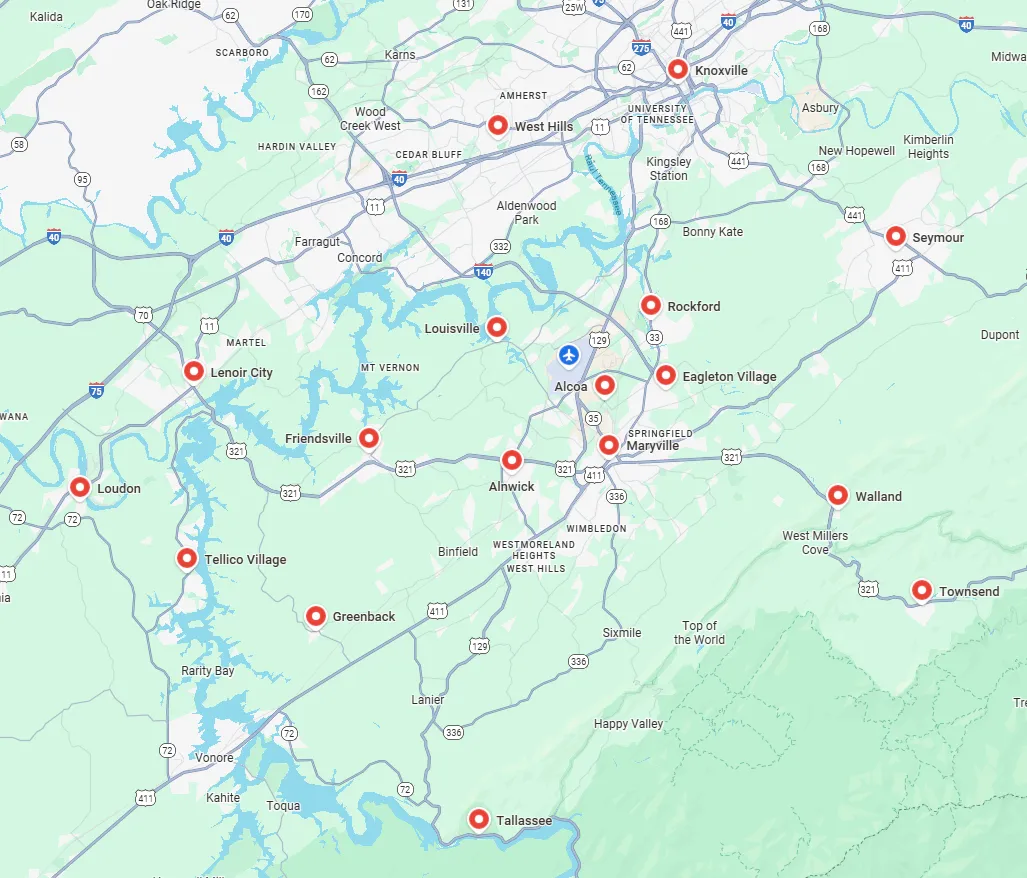
- The Y.E.T.I Comfort Plan is designed to proactively maintain systems serving Knoxville and surrounding counties.
- Priority scheduling and seasonal checkups reduce downtime during the hottest and coldest periods of the year.
- Routine maintenance targets local issues such as high pollen seasons, humidity-driven coil fouling, and winter icing patterns.
What to expect during a timely service request
When a homeowner initiates a service request with Everest Air Heating and Cooling, the process is structured to prioritize safety, accuracy, and speed.
Typical request and response workflow
- Initial intake: The technician or support staff records the symptoms, system make and model if available, and any immediate safety concerns such as no heat during cold weather.
- Triage: Based on the symptoms, technicians may recommend interim steps to prevent further damage, such as switching to emergency heat or turning off the system to avoid compressor damage.
- Dispatch and arrival: A technician arrives prepared with common diagnostic tools and frequently used replacement parts for heat pumps common in the Knoxville area.
- On-site diagnostics and repair: The technician conducts the comprehensive diagnostic process, presents findings, and performs agreed-upon repairs with transparent documentation.
- Follow-up: After repair, the system is tested under load conditions and the homeowner receives a written summary of work performed and recommended next steps.
How local weather affects repair urgency
- Hot, humid summers increase urgency for cooling repairs due to health and comfort concerns.
- Cold snaps or sustained low temperatures make heating failures more dangerous and prompt immediate attention.
- Heavy pollen and spring storms cause coil and condenser fouling that can rapidly degrade performance.
Energy, efficiency, and cost implications of timely repair
- Fixing a refrigerant leak, replacing a failing capacitor, or restoring proper airflow often reduces monthly energy bills noticeably.
- Leaving a heat pump to run with abnormal pressures or cycling can lead to compressor burnout, which is a costly replacement.
- Preventive repairs and maintenance preserve efficiency and delay the capital expense of a full system replacement.
Documentation and transparency
- Everest Air Heating and Cooling documents diagnostics, test results, and parts installed so homeowners have a clear record for future service, warranty claims, or insurance purposes.
- Clear explanation of the problem, the options, and the reasoning behind recommended repairs is part of routine service.
Common heat pump repair scenarios and what they mean
- System short cycles and trips the breaker: Often a capacitor, contactor, or compressor issue. Diagnosing includes amp draw testing and start device checks.
- Outdoor fan runs but compressor does not: Could be a compressor failure, start device problem, or low refrigerant leading to safety shutdowns.
- Heat pump freezes up in heating mode: Likely airflow restriction or refrigerant imbalance preventing adequate heat exchange; verify defrost control and humidity conditions.
- Reversing valve stuck or noisy: Valve replacement or control circuit repair is required to restore proper mode switching.
- Thermostat not communicating: Could be wiring, incorrect thermostat type for heat pump systems, or control board fault.
Heat pump brands and compatibility in Knoxville homes
- Popular brands serviced include York, American Standard, Goodman, Lennox, Ruud, Rheem, and many others.
- Technicians select parts that maintain manufacturer warranty where possible and document any warranty implications when aftermarket components are used.
- For older units, technicians advise on parts availability and cost-effective solutions that respect system integrity and homeowner priorities.
Long-term benefits of professional heat pump repair and maintenance
- Improved comfort and more consistent indoor temperatures through proper diagnostics and tuning.
- Lower energy costs from corrected refrigerant levels, optimized controls, and clean coils.
- Extended equipment life by preventing small issues from escalating into major failures.
- Safer operation with electrical issues, refrigerant leaks, or control faults identified and corrected.
FAQs
Q: What are the most common causes of heat pump failure in Knoxville homes?
A: Common causes include poor airflow from clogged filters or ducts, electrical component failure (capacitors, contactors), refrigerant leaks, compressor wear, and reversing valve or thermostat control issues. Local factors like high humidity, pollen, and debris can accelerate coil fouling and contribute to problems.
Q: How long does a typical heat pump repair take?
A: Simple electrical repairs or component swaps can be completed in a few hours. More involved repairs, such as compressor replacement or refrigerant system evacuation and recharge, may take most of a day. The technician documents estimated time after the initial diagnostic.
Q: Can a leaking refrigerant be repaired, and is it safe to continue using the system?
A: Refrigerant leaks can often be repaired, but continued operation risks reduced efficiency and potential compressor damage. Leak repair followed by proper evacuation and recharge is required. Handling refrigerant is regulated and should be performed by certified technicians.
Q: How does the defrost cycle affect heat pump performance, and what if my unit is icing up?
A: The defrost cycle melts ice that forms on outdoor coils during cold, humid conditions. Persistent icing often indicates airflow restriction or refrigerant imbalance. Technicians check defrost controls, sensors, and system charge to correct the issue.
Q: Will using non-OEM parts void my warranty?
A: Using non-OEM parts can affect warranty coverage. Technicians explain the warranty implications and recommend OEM parts when maintaining warranty support is a priority. For older systems where OEM parts are unavailable, technicians assess compatible high-quality alternatives.
Q: What maintenance schedule is recommended to minimize repairs?
A: Spring and fall Tune-Ups address cooling and heating seasons respectively. Regular filter checks and replacements every 1 to 3 months, depending on usage, household pets, and indoor air quality, help maintain airflow. Enrolling in a seasonal maintenance plan provides preventive inspections and priority service.
Q: Are Everest Air Heating and Cooling technicians certified to handle refrigerant and complex repairs?
A: Yes. Everest Air Heating and Cooling technicians follow industry best practices, including proper refrigerant handling under EPA guidelines, electrical safety, and manufacturer-recommended diagnostic procedures.
Q: If a heat pump needs a major repair, how do I decide between repair and replacement?
A: Consider the unit age, the cost of repair versus the remaining useful life, efficiency differences, and long-term plans. Technicians provide documented diagnostics and options so homeowners can make an informed decision.
Q: Does local climate in Knoxville affect how often I need service?
A: Yes. High humidity and pollen seasons increase coil fouling and filter loading, while occasional cold snaps increase demand on heating mode. These local factors typically make seasonal checks more beneficial in Knoxville than in milder, drier climates.
Q: What documentation will I receive after a repair?
A: You receive a summary of diagnostic findings, a list of replaced parts with serial numbers where applicable, test results for pressures and electrical measurements, and recommendations for future maintenance.
Everest Air Heating and Cooling combines practical, transparent diagnostics with hands-on repair expertise tailored to Knoxville conditions. Understanding the common causes, diagnostic steps, and repair workflow helps homeowners make informed choices about their heat pump systems and maintain reliable comfort through every season.
hear what our satisfied clients have to say

David P.
Service areas