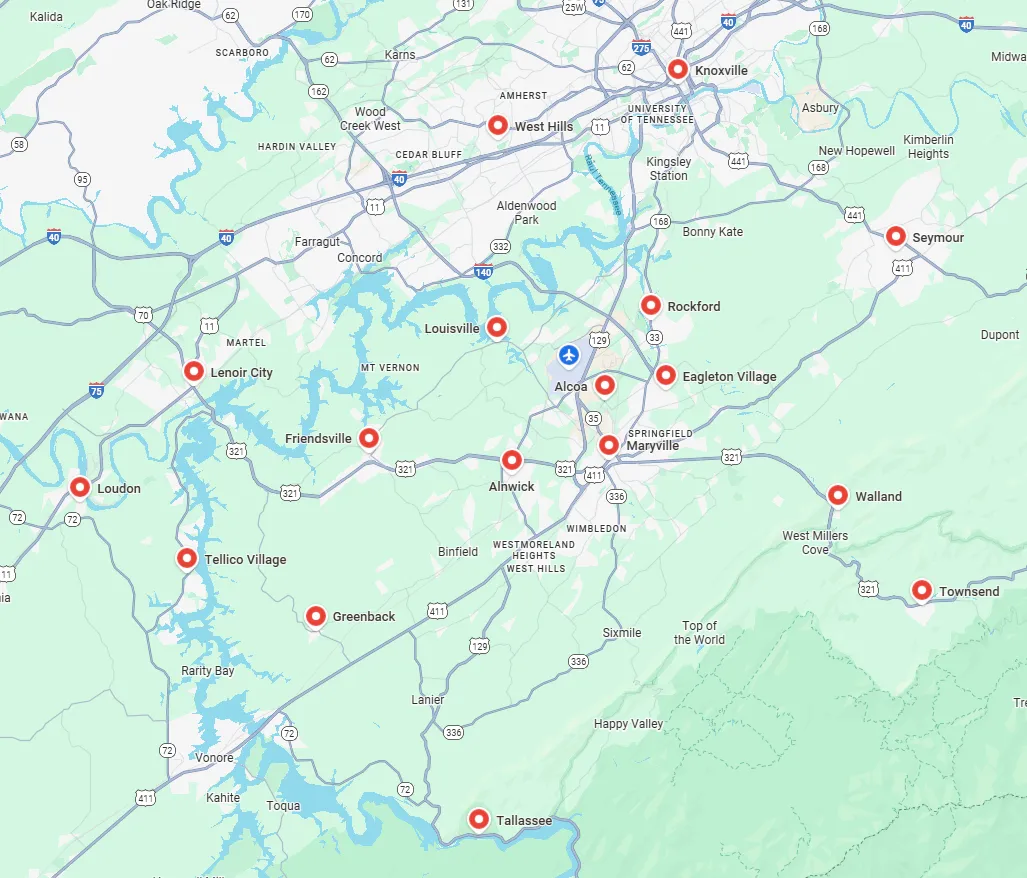


Heat Pump Tune-Up in Eagleton Village, TN
Keeping your heat pump running smoothly in Eagleton Village, TN is absolutely essential for year-round comfort. That's why Everest Air Heating and Cooling offers comprehensive seasonal heat pump Tune-Ups. Our goal is to catch those little issues before they turn into big, costly emergency repairs, restore any efficiency your system might have lost due to wear and local environmental factors, and ultimately extend the life of your equipment. A professional Tune-Up from Everest Air Heating and Cooling really zeroes in on the parts and settings that are most critical for reliable heating and cooling, especially given East Tennessee’s humid summers and often unpredictable winters.
.avif)
Why a seasonal heat pump Tune-Up matters in Eagleton Village
Eagleton Village sits in East Tennessee’s climate zone, where hot, humid summers and cool winters place continuous demands on HVAC equipment. Heat pumps are often used year-round for both heating and cooling, which means wear accumulates faster than with systems used seasonally. Local factors that make Tune-Ups especially important here include:
- High humidity during summer that increases strain on compressors and encourages coil fouling.
- Pollen, leaves, and airborne debris in spring and fall that clog outdoor condenser coils and reduce airflow.
- Occasional subfreezing nights that stress defrost cycles and outdoor components.
- Older homes in the region with duct leaks or undersized return paths that limit airflow and reduce heat pump effectiveness.
Regular Tune-Ups by trained technicians address these regional stressors so your heat pump delivers consistent comfort while avoiding common Eagleton Village issues like short cycling, inefficient operation, and premature component failure.
Common heat pump problems we find during Tune-Ups in Eagleton Village
Homeowners in our service area often report symptoms that a Tune-Up can correct or prevent. Typical problems uncovered include:
- Reduced airflow from clogged filters, blocked vents, or failing blower motors.
- Dirty indoor evaporator and outdoor condenser coils that lower heat transfer efficiency.
- Incorrect refrigerant charge from small leaks or previous improper servicing.
- Loose electrical connections or worn contactors that create unsafe operating conditions.
- Thermostat calibration errors or placement issues that cause uneven comfort.
- Worn bearings or motors causing unusual noises and decreased reliability.
- Drain line clogs that lead to water damage or evaporator coil icing.
Addressing these issues proactively during a Tune-Up reduces the risk of breakdowns during cold snaps or heat waves typical of our local seasons.
Our Heat Pump Tune-Up checklist
Everest Air Heating and Cooling follows a thorough, multi-point checklist tailored to split systems, packaged units, and ductless Mini Splits. Each item is performed or inspected, with adjustments made to restore reliable operation and efficiency.
- Filter check and replacement
- Inspect filter type and condition.
- Replace disposable filters or recommend washable filter cleaning.
- Advise on proper MERV levels and filter change intervals for Eagleton Village homes.
- Indoor evaporator coil cleaning and inspection
- Visually inspect coil for dirt, mold, or corrosion.
- Clean coils with appropriate noncorrosive cleaners to restore heat transfer.
- Check coil drain pan and condensate lines for blockages and proper drainage.
- Outdoor condenser coil cleaning
- Remove leaves, pollen, and debris from coil fins and surrounding area.
- Straighten bent fins and perform gentle coil cleaning to maximize airflow.
- Confirm adequate clearance around the outdoor unit for ventilation.
- Refrigerant verification and leak screening
- Measure refrigerant pressures and superheat/subcooling to verify correct charge.
- Perform electronic leak detection if pressures or performance indicate a leak.
- Explain implications of low refrigerant for efficiency and component life.
- Lubrication of moving parts
- Lubricate fan motors, bearings, and other applicable components per manufacturer specs.
- Inspect belts and pulleys on older systems and replace or adjust as needed.
- Electrical inspection and tightening
- Inspect and tighten all electrical connections, terminals, and wiring.
- Test capacitors, contactors, and relays for proper function and replace if failing.
- Measure motor amperage to ensure motors are operating within safe ranges.
- Thermostat and controls check
- Check thermostat calibration and bias, and verify correct mode settings.
- Test sensors, reversing valves, defrost controls, and safety switches.
- Recommend improvements if thermostat placement causes false readings.
- Airflow balancing and blower inspection
- Measure static pressure and inspect blower wheel and motor condition.
- Clean blower wheel and verify belt tension on belt-driven systems.
- Recommend duct sealing or register adjustments if airflow is uneven.
- Operational performance check
- Run a complete heating and cooling cycle and monitor system response.
- Verify proper reversing valve operation, defrost cycles, and outdoor unit behavior.
- Check indoor and outdoor temperature differentials to confirm efficiency.
- Drainage and safety checks
- Ensure condensate drains are clear and pans are not leaking.
- Test safety switches and system shutoffs to protect against water damage or component failure.
- Documentation and recommendations
- Provide a clear report of readings, actions taken, and any recommended repairs.
- Prioritize items that impact safety and reliability for Eagleton Village conditions.
What our technicians look for and how they diagnose issues
Our technicians use a combination of visual inspection, handheld diagnostics, and manufacturer-recommended tests. Typical diagnostic tools and methods include:
- Multimeter tests for continuity and voltage checks on electrical circuits and components.
- Refrigerant gauges to measure pressure and determine proper charge through superheat and subcooling readings.
- Combustion and airflow meters where applicable to verify air handling performance.
- Electronic leak detectors or UV dye inspection to find refrigerant leaks.
- Thermometers and thermal imaging for temperature differentials and hot/cold spot identification.
- Visual inspection for corrosion, rodent nests, or physical damage that can be common in outdoor units in rural or wooded areas around Eagleton Village.
All diagnostic steps are explained plainly to homeowners, with findings recorded so you can see exactly what was checked and why specific actions were recommended.
Expected duration and what a typical appointment looks like
A standard residential heat pump Tune-Up typically takes between 60 and 90 minutes for a single-unit system in ordinary condition. Factors that can extend the appointment include:
- Severe coil fouling or obstructed ductwork requiring deep cleaning.
- Multiple units, ductless heads, or complex zoning systems.
- Additional repairs discovered during inspection, such as a failing capacitor or refrigerant leak, which may need parts and extra time.
During the visit, the technician will arrive in a professional, uniformed manner, locate and inspect both indoor and outdoor equipment, run system diagnostics, perform cleaning and adjustments, and leave detailed documentation of services performed. Technicians take care to protect flooring and belongings and to work efficiently while maintaining thoroughness.
How Tune-Ups improve efficiency, reliability, and comfort
Regular Tune-Ups deliver tangible benefits you can feel and, in many cases, measure on your energy bill:
- Improved energy efficiency: A clean, properly charged, and well-lubricated heat pump operates closer to manufacturer specifications, often recovering lost efficiency in the range of 5 to 15 percent depending on condition and local factors.
- Lower risk of breakdowns: Tightened electrical connections, lubricated bearings, and identified weak components reduce the chance of unexpected failures during peak weather.
- Longer equipment life: Eliminating stresses such as low refrigerant, dirty coils, and poor airflow reduces wear and extends the usable life of compressors and motors.
- Better indoor comfort: Proper thermostat calibration, airflow balancing, and accurate refrigerant levels improve temperature consistency and humidity control.
- Fewer emergency repairs: Preventive service addresses small issues early, which is especially valuable during heat waves or cold snaps common to Eagleton Village.
These benefits combine to protect your investment and reduce the overall lifetime cost of your heat pump.
Recommended Tune-Up frequency for Eagleton Village homes
For heat pumps in Eagleton Village, the recommended frequency is twice per year: once in the spring before the cooling season and once in the fall before the heating season. This semiannual schedule aligns with seasonal transitions, catches issues caused by pollen and debris in spring, and prepares the defrost cycle and heat carryover for fall and winter usage. Homes with heavier usage, pets, or poor indoor air filtration may benefit from more frequent inspections.
If your heat pump is under manufacturer warranty or a preventive maintenance plan such as the Y.E.T.I Comfort Plan from Everest Air Heating and Cooling, following the recommended schedule can also help preserve warranty coverage and qualify you for plan benefits.
How Tune-Ups fit into a preventive maintenance plan
A Tune-Up is a core component of preventive maintenance. When included in a plan like the Y.E.T.I Comfort Plan, Tune-Ups are scheduled and tracked so maintenance happens consistently at the right times of year. Preventive maintenance plans typically include:
- Scheduled fall and spring Tune-Ups to maintain performance.
- Priority scheduling for service calls during peak seasons.
- Regular diagnostic records to spot trends and catch small failures before they escalate.
- Discounts or benefits that reduce long-term repair costs and simplify budgeting.
For homeowners in Eagleton Village, placing Tune-Ups within a plan ensures technicians are familiar with your system, its history, and any recurring problems, which leads to faster diagnosis and more targeted solutions.
Common Tune-Up findings and straightforward solutions
During Tune-Ups, technicians often identify items that can be corrected quickly without major expense. Common examples include:
- Dirty filters: Replacing or cleaning filters restores airflow and reduces strain on the blower motor.
- Blocked outdoor coils: Clearing debris and cleaning fins improves heat transfer and compressor efficiency.
- Loose electrical connections: Tightening terminals often solves intermittent operation or hot-running parts.
- Incorrect thermostat settings: Recalibrating or relocating a thermostat can eliminate uneven comfort or short cycling.
- Clogged condensate lines: Clearing drain lines prevents water damage and reduces risk of coil icing.
When more significant repairs are needed, technicians document findings, explain the impact of delaying repairs, and list priority items so homeowners can make informed decisions.
Troubleshooting symptoms you may notice between Tune-Ups
Knowing the signs of a developing problem helps you act before a failure. Watch for:
- Short cycling (system turns on and off frequently): May indicate improper refrigerant charge, oversized system, or control issues.
- Ice forming on the outdoor coil: Could mean poor airflow, low refrigerant, or a malfunctioning defrost cycle.
- Unusual noises such as grinding or squealing: Often early indicators of failed bearings or a worn blower motor.
- Uneven heating or cooling across rooms: Commonly caused by airflow restrictions, duct problems, or thermostat placement.
- Higher-than-normal energy bills: Often a direct result of reduced efficiency from dirty coils, low refrigerant, or poor airflow.
If you experience these symptoms, a Tune-Up can usually diagnose the root cause and recommend corrective action.
Preparing your home for a Tune-Up
A few simple steps help the technician complete the job efficiently:
- Ensure clear access to indoor and outdoor equipment and remove obstacles around the outdoor unit.
- Replace or provide the location of any replacement filters you prefer to use if you plan to supply them.
- Make note of comfort issues, odd noises, or recent changes in performance to share with the technician.
- Ensure pets are secured and family members know the appointment window.
Technicians will perform their work professionally and leave documentation of all checks and adjustments made.
Safety, warranty considerations, and long-term savings
Professional Tune-Ups follow industry safety standards that protect both your home and equipment. Tightening electrical connections, testing safety controls, and verifying refrigerant levels all reduce the potential for hazards like electrical shorts or inefficient combustion in hybrid systems. Timely maintenance is often a condition of manufacturer warranties, and maintaining a documented service history with Everest Air Heating and Cooling helps preserve coverage.
While maintenance involves an outlay of time and resources, the long-term savings come from fewer emergency repairs, better efficiency, and delayed replacement costs. For many homeowners in Eagleton Village, a consistent preventive approach reduces total HVAC lifecycle costs and avoids discomfort at critical times.
Why choose a local provider for your Eagleton Village Tune-Up
Local technicians understand the specific challenges of East Tennessee climate and construction styles. Everest Air Heating and Cooling brings that local expertise combined with family-owned service values. A local provider can recommend Tune-Up adjustments that reflect typical regional issues—like pollen season coil maintenance, defrost cycle checks for winter weather, and duct recommendations tailored to older area homes.
Technicians familiar with local brands, home layouts, and community conditions can deliver faster, more accurate service and build a maintenance record that becomes a valuable asset if you sell or renovate your home.
Frequently Asked Questions
Q: How long does a heat pump Tune-Up usually take?
A: A standard residential heat pump Tune-Up commonly takes between 60 and 90 minutes. The actual time depends on system condition, number of indoor/outdoor units, and whether additional repairs are required.
Q: How often should I have my heat pump tuned up in Eagleton Village?
A: We recommend Tune-Ups twice a year—spring and fall—to prepare for peak cooling and heating seasons. Homes with higher usage, pets, or poor indoor filtration may need more frequent service.
Q: Will a Tune-Up lower my energy bills?
A: Yes. By cleaning coils, verifying refrigerant charge, and ensuring proper airflow and controls, a Tune-Up can restore lost efficiency. Typical savings vary but many homeowners see noticeable reductions in energy use and improved comfort.
Q: What does refrigerant verification include, and why is it important?
A: Refrigerant verification involves measuring system pressures, assessing superheat and subcooling, and performing a leak check if readings are off. Correct refrigerant charge ensures the compressor is not overworked and maintains heat transfer efficiency.
Q: Can a Tune-Up prevent emergency breakdowns?
A: A thorough Tune-Up significantly reduces the risk of unexpected failures by identifying worn components, loose electricals, and system stresses early. While it cannot eliminate all risk, it is the most effective preventive measure.
Q: Do I need to be home for the Tune-Up?
A: It is helpful for someone to be home to point out issues and grant access, but arrangements can be made for technician access and secure service documentation if needed.
Q: How does a Tune-Up relate to my system warranty?
A: Many manufacturer warranties require routine maintenance at specific intervals. Maintaining documented Tune-Ups helps ensure warranty compliance and provides a service history that supports future claims.
Q: How do I know if my unit needs repairs rather than a Tune-Up?
A: If your unit produces unusual noises, visible leaks, repeated short cycling, or fails to start, it may require repairs beyond a normal Tune-Up. The technician will assess and clearly distinguish maintenance tasks from repair needs.
Everest Air Heating and Cooling provides the skilled inspections, diagnostics, and preventive services Eagleton Village homes need to keep heat pumps running reliably. Regular seasonal Tune-Ups are an investment in comfort, safety, and long-term savings that align with the local climate and common system stresses found throughout East Tennessee.
hear what our satisfied clients have to say

David P.
Service areas